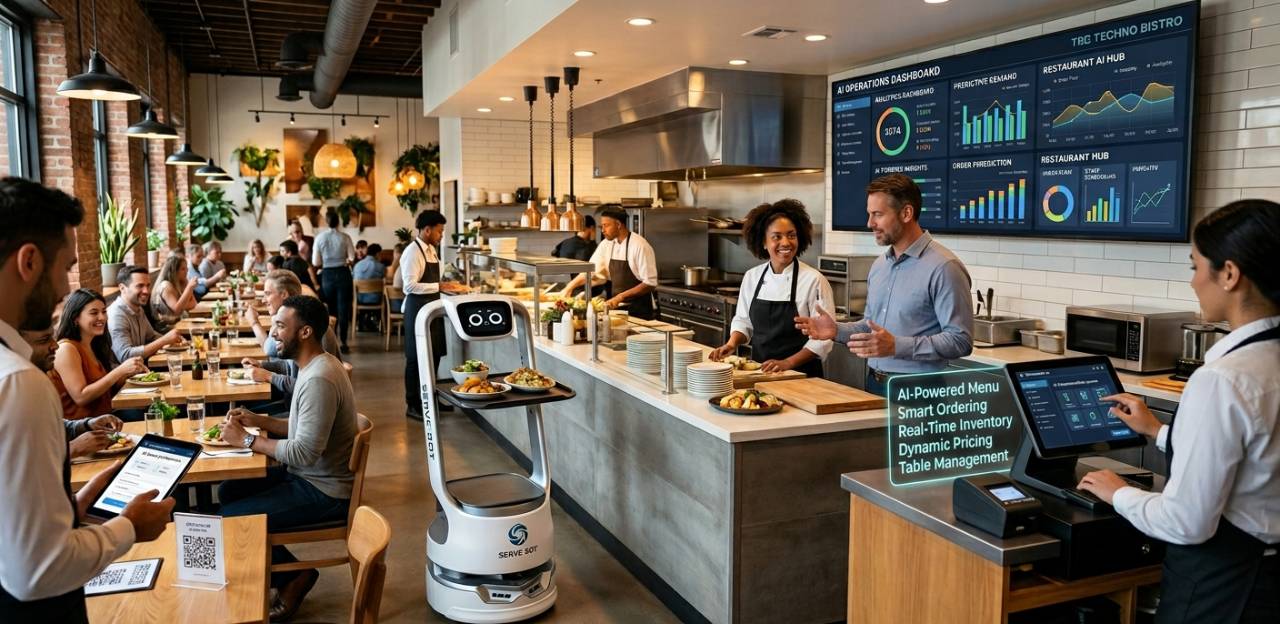
AI Playbook for Restaurant Owners
This AI playbook covers restaurant tools for voice ordering, staffing, compliance, menu pricing, inventory, marketing, ChatGPT prompts, and SEO.
tech
May 15, 2026
This AI playbook covers restaurant tools for voice ordering, staffing, compliance, menu pricing, inventory, marketing, ChatGPT prompts, and SEO.
May 15, 2026
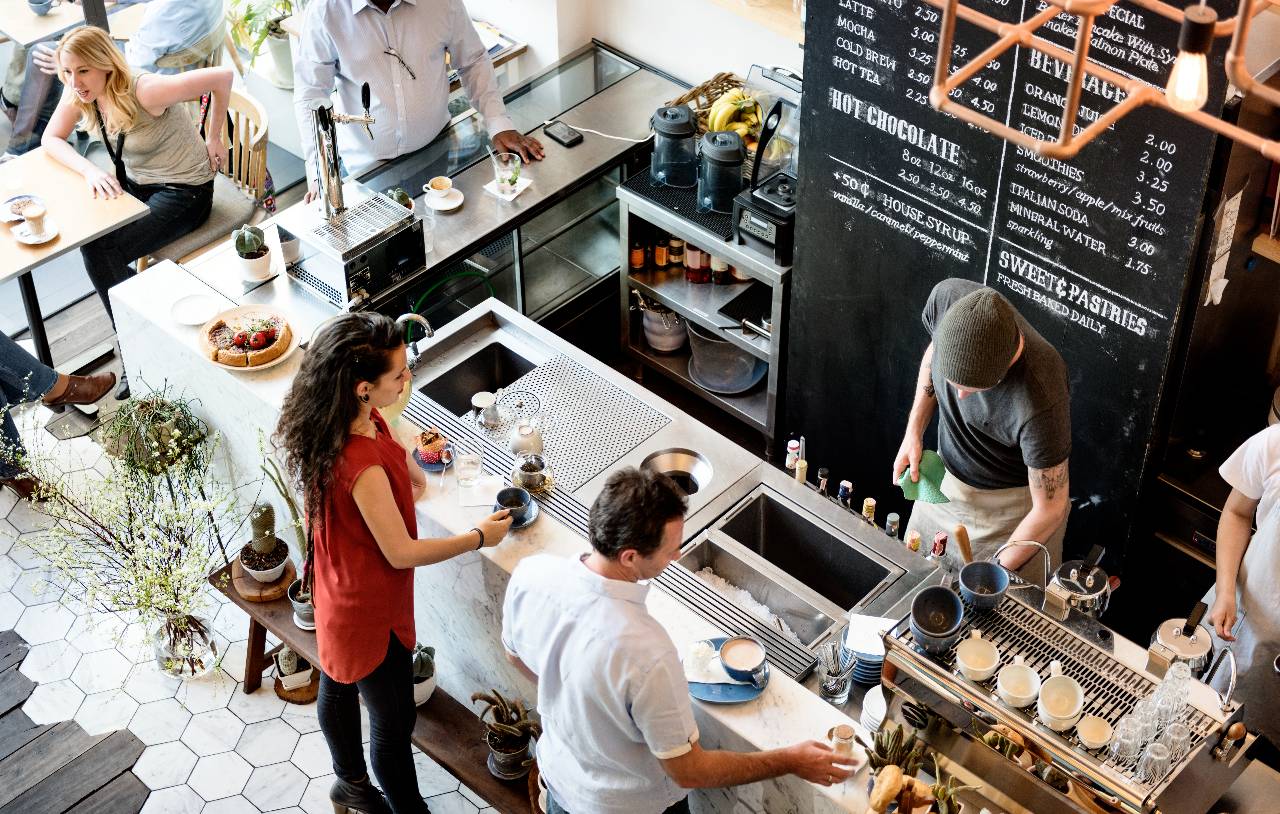
Opening a coffee shop in 2026 requires careful cost planning across rent, equipment, labor, technology, menu strategy, marketing, and sustainability.
May 15, 2026
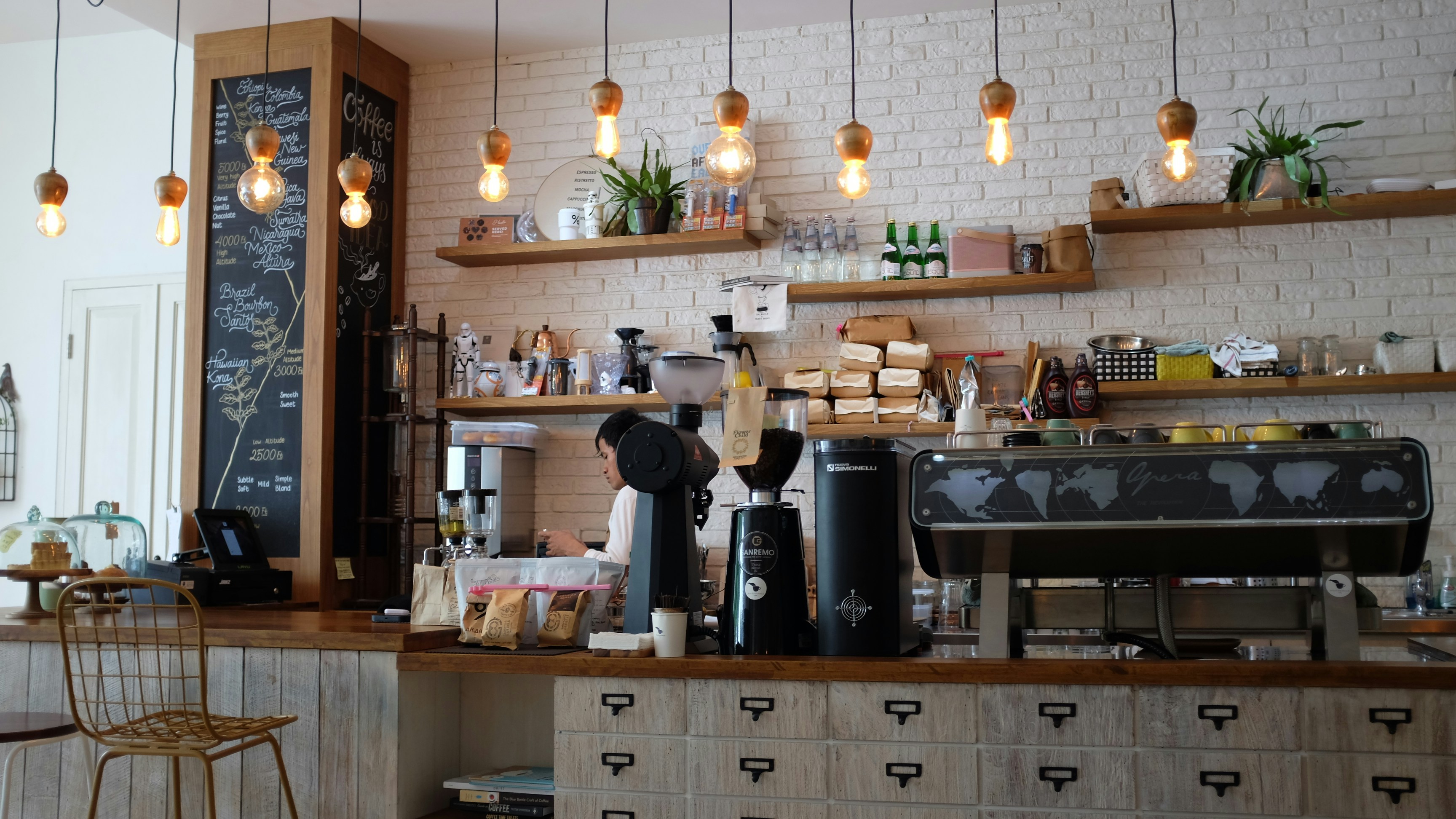
Hardee’s giant Boddie-Noell inks 31-unit Scooter’s Coffee deal for NC and VA, leveraging drive-thru growth and local roots with rollout over 12–18 months.
May 15, 2026
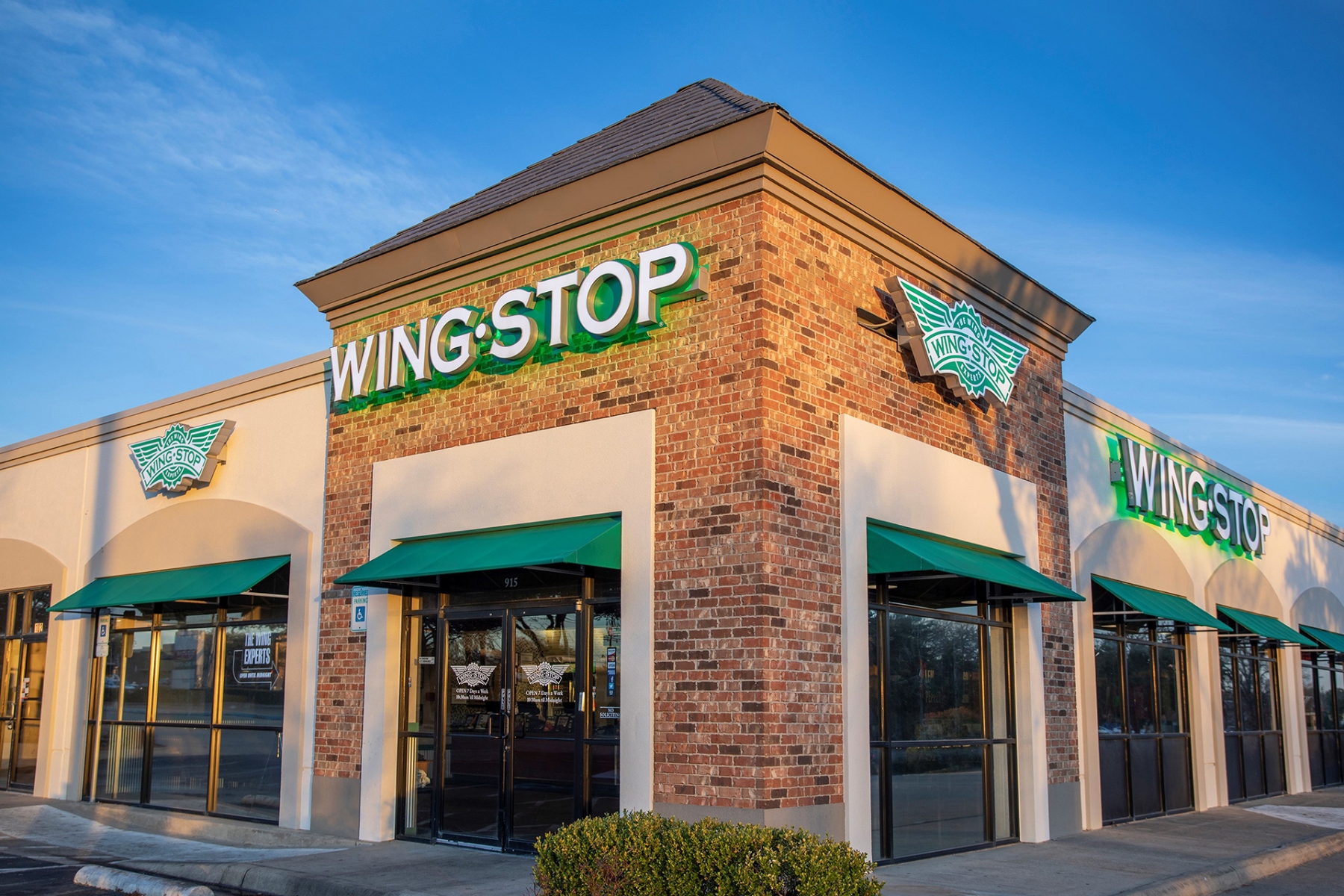
Wingstop turns match weeks into a multi-sensory festival, aligning bold pop-ups with World Cup energy to build brand affinity and measurable momentum.
May 15, 2026
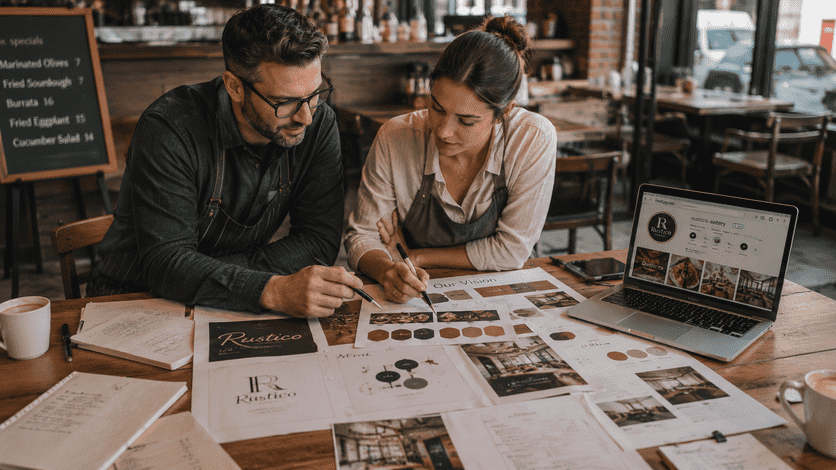
Learn how to develop a memorable restaurant brand identity that stands out in a crowded market, attracts loyal customers, and drives repeat business with actionable strategies and affordable tools.
May 15, 2026
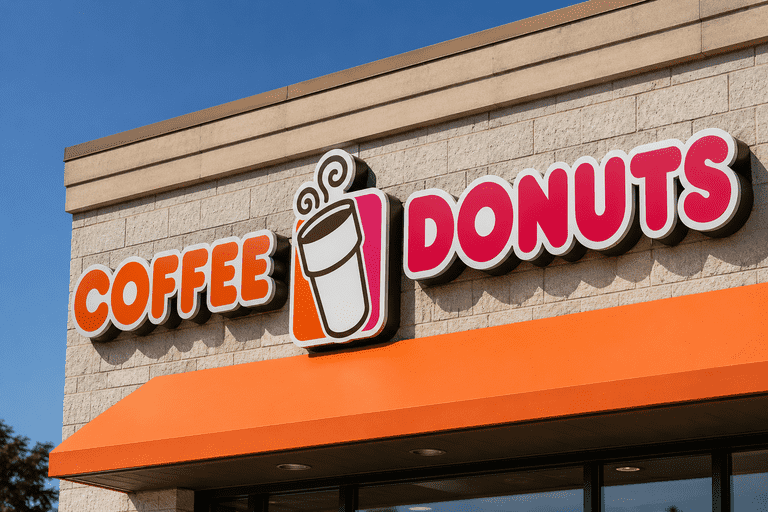
The parent company behind Dunkin', Buffalo Wild Wings, and Arby's has filed for an IPO a move that could reshape how Wall Street views the restaurant sector.
May 15, 2026
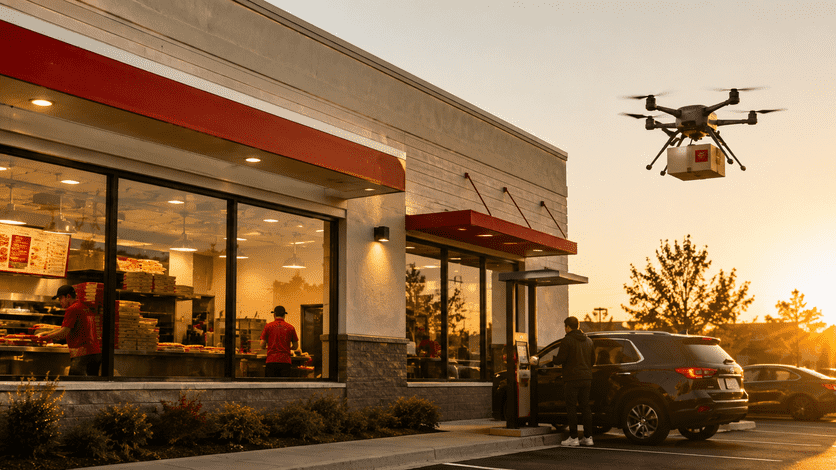
Papa Johns has teamed up with Alphabet's Wing for drone delivery of its new sandwich lineup in parts of Charlotte marking the first partnership of its kind between Wing and a national QSR brand.
May 15, 2026
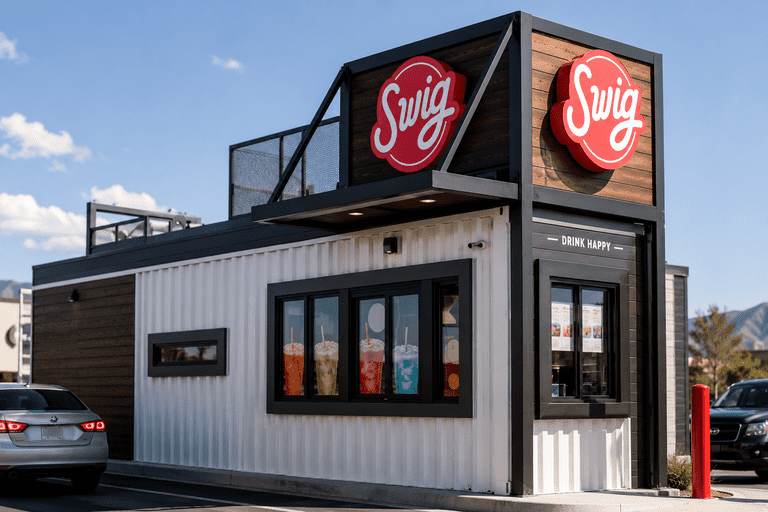
Dirty soda chain Swig is expanding into Colorado through a 10-unit franchise deal, riding a consumer beverage trend that's catching the attention of major QSR players nationwide.
May 15, 2026
A warm, expert-led look at McDonald’s Q1 results, menu makeover, and the refranchise question shaping its growth.
May 14, 2026
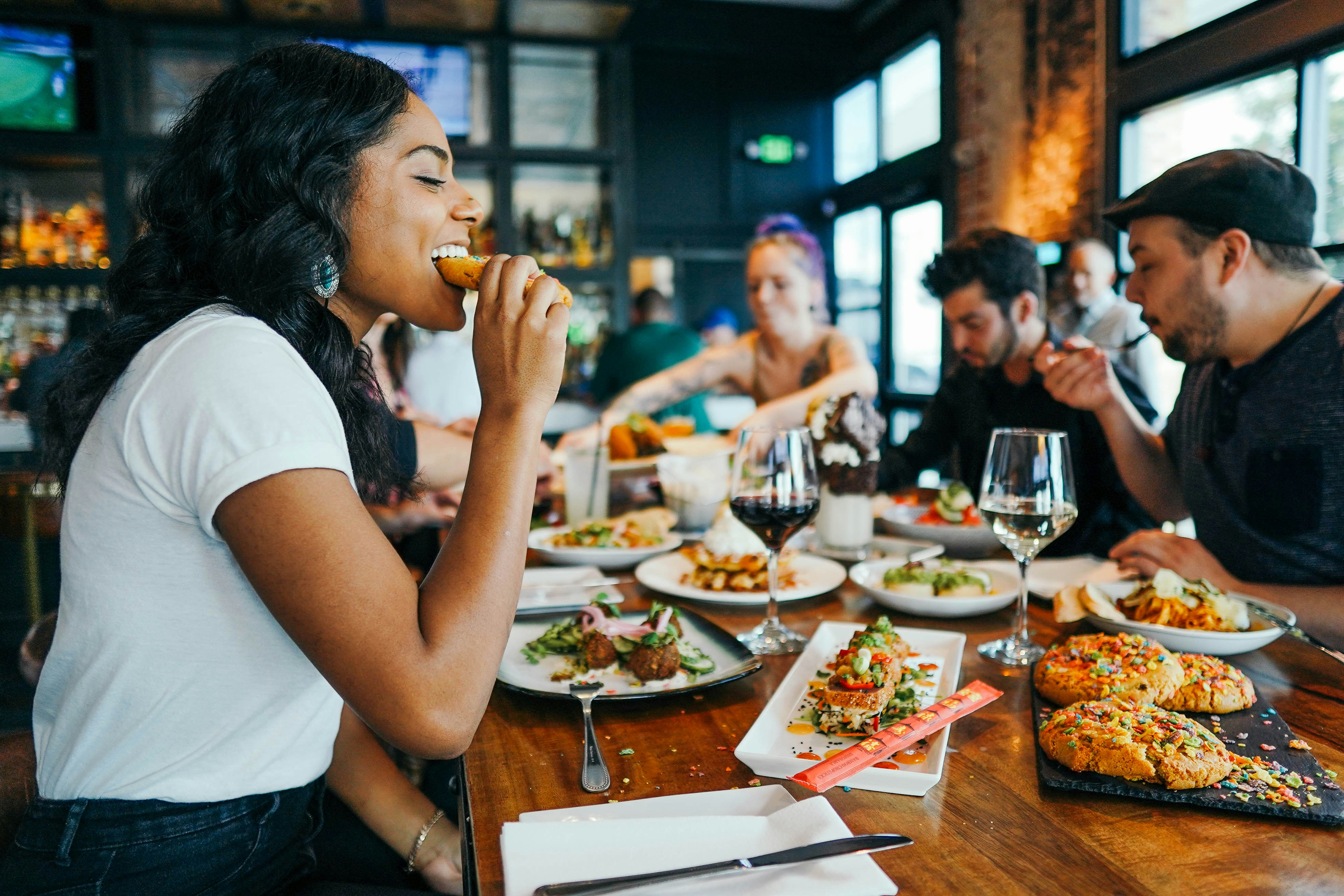
A reflective look at Habit Ranch, its immersive desert activation, and what it signals for brand loyalty and mindful, experiential dining.
May 14, 2026

Unlock Exclusive Access To Webinars, Events, And The Latest News For Free!
Brands weigh built-in vs turnkey tech, moving toward hybrid ecosystems that balance speed, cost, security, and guest experience.
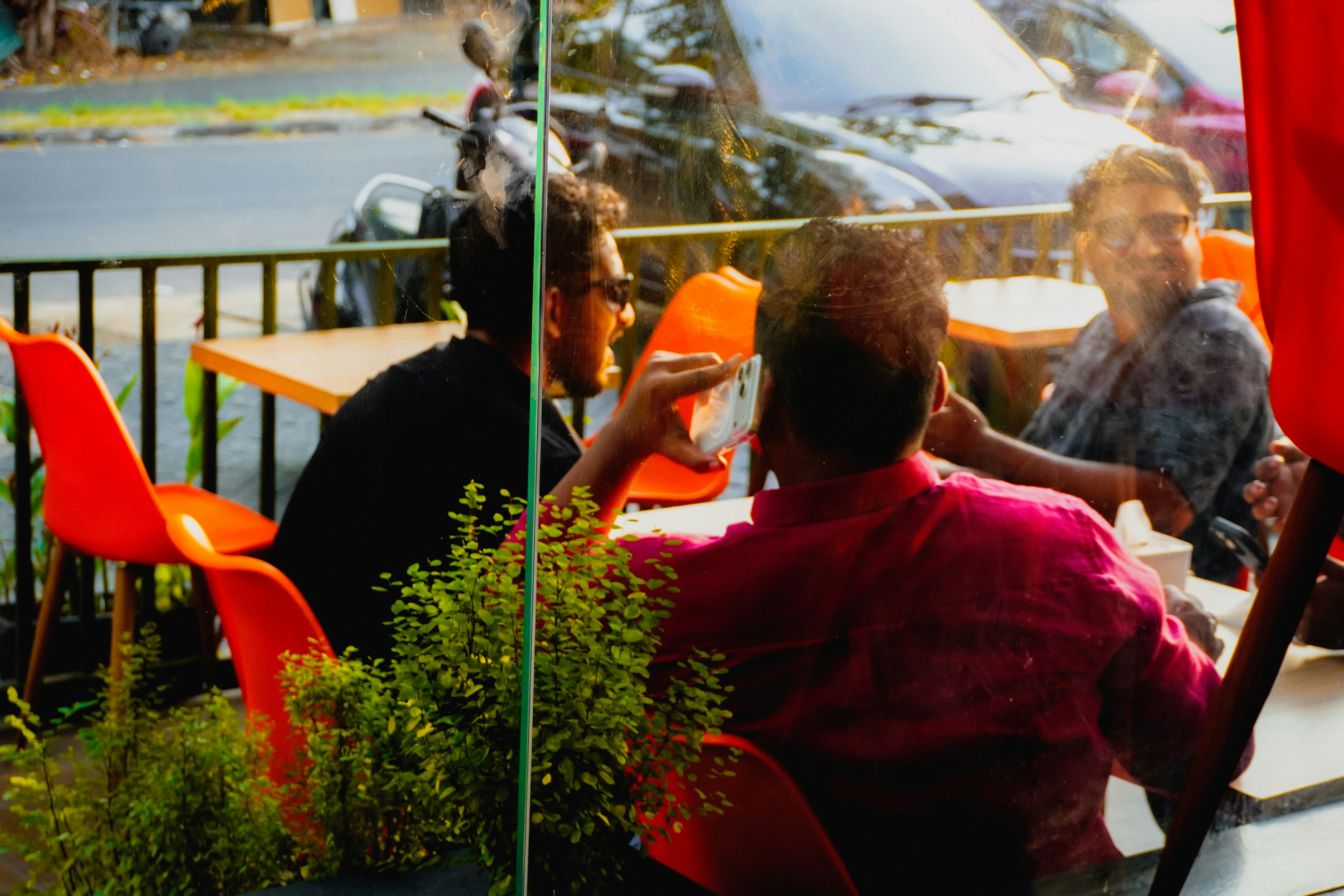
The digital kitchen is no longer a backroom afterthought. It’s the operating system for modern brands, and the conversation has moved from gadgetry to strategy. At FSTEC 2024 in Grapevine, Texas, executives from Papa John’s, Brooklyn Dumpling Shop, Dine Brands, and Potbelly pressed the issue: build it yourself, buy it off the shelf, or blend the two. The framing was tight: speed, cost, security, and agility must align with unit economics and guest experience. There’s no room for a single-path buy in a market changing as fast as data drives decisions. That tension set the stage for how hybrids are being formed:
Speed to deploy new features, test ideas in real time, and adjust menus without grinding through multi-year cycles. Security and data governance keep up with analytics and AI-driven decisions. And agility means you can reconfigure flows as guest expectations shift. The panel didn’t pretend there’s a single right move; it declared a set of operating norms that favors hybrid architectures. The question isn’t whether to go hybrid—it’s what your hybrid looks like and how you scale it.
Across the conference, the signal was clear: hybrid tech ecosystems—combining vendor partnerships with tailored in-house systems—are shaping the future. Brands are threading a path that outsources heavy lifting for analytics and platforms while building bespoke connectors, workflows, and data models in-house. The themes tracked with the broader market: ongoing consolidation and selective in-house buildouts. The DIY example isn’t abstract: Jeff’s Bagel Run, a seven-unit concept, built its own tech stack after finding off-the-shelf tools ill-fitting for a bagel-focused operation. This is how operational architecture begins to feel like a recipe in progress.
Course Correct technology via Flybuy has become a case study in the scale of hybrid ops. Five Guys has deployed real-time, location-aware tech to improve pickup accuracy across locations, a tangible win for the guest experience. On the larger stage, Papa John’s is pursuing a major technology-stack alignment with PAR Technology to power digital ordering and store operations across roughly 3,200 locations. The throughline is straightforward: leverage external platforms where they add speed and reliability, then wrap them in a brand-specific, in-house frame for data and workflows.
“the obvious next step in our evolution” and “critical step in realizing our vision of powering 100,000 restaurant locations by 2027” were the kinds of phrasing that anchored the tech-talk at Curbit. Fran Dougherty—whose Microsoft background helped scale Azure—pushed cloud-scale infrastructure as the inevitable route. The exchange also underscored a practical reality: real-time analytics and AI-enabled decision support aren’t optional add-ons. They’re the backbone of a guest experience designed to move at the speed of data.
Steve Teller from Five Guys has publicly discussed how real-time, location-aware technology reshapes operations, reinforcing the trend toward cloud-native, AI-enabled transformation. Course Correct also features prominently as a program shown to cut misroutes and mis-picks in pickup. NRF and Myriad sessions have framed these shifts as foundational to modern guest experience design. In other words, the tech talk at the conference wasn’t about buzzwords—it was about concrete shifts in how brands run, measure, and evolve.
Papa John’s has announced a multi-year effort to replace legacy systems with PAR POS and PAR OPS platforms to create a unified stack across roughly 3,200 locations, with a full rollout targeted by the end of 2027. That is a real deployment horizon, not a whiteboard fantasy. In parallel, DoorDash continues to add platform features to help independent operators weather demand shifts, including in-app happy hour promotions and lunch specials designed to spur mid-day traffic. These moves show how a hybrid playbook moves from planning to execution.
Curbit formed a leadership chapter around Microsoft Azure’s influence in enterprise-scale restaurant tech, reflecting a broader trend toward cloud-native, real-time analytics and AI-enabled decision support. The rollouts aren’t isolated; they’re part of a larger migration toward end-to-end ecosystems rather than scattered point-solutions. In short, the industry is moving from debate to deployment, and the pace is accelerating.
Byte by Yum! — an in-house SaaS platform aggregating the company’s AI-powered tools — stands as a vivid example of standardizing digital experiences while letting brands lead the customization at scale. Coverage suggests Byte by Yum! is expanding across brands and markets in parallel with Course Correct for pickup and strides in autonomous delivery. The practical upshot is simple: guest journeys are becoming data-informed and increasingly automated, yet the human touch remains a lever operators pull to preserve brand identity.
All told, the guest experience is being redesigned as a coordinated system: hybrid tech, real-time analytics, and AI-enabled decisions layered over human service. The result isn’t a cold machine—it's a hospitality model that can scale, react, and tailor each guest journey. In the kitchen, that means fewer bottlenecks; at the door, faster, more accurate pickups. The lesson is blunt: hybrids aren’t a future option; they’re the current operating system for guest-centric operations.