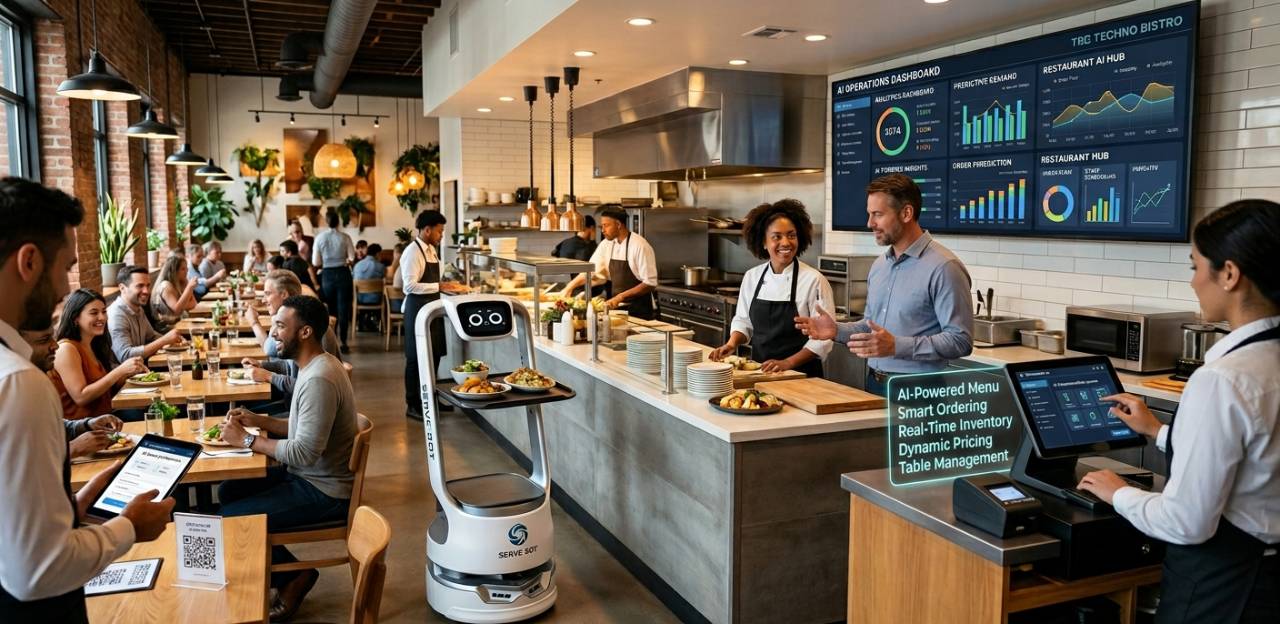
AI Playbook for Restaurant Owners
This AI playbook covers restaurant tools for voice ordering, staffing, compliance, menu pricing, inventory, marketing, ChatGPT prompts, and SEO.
tech
May 15, 2026
This AI playbook covers restaurant tools for voice ordering, staffing, compliance, menu pricing, inventory, marketing, ChatGPT prompts, and SEO.
May 15, 2026
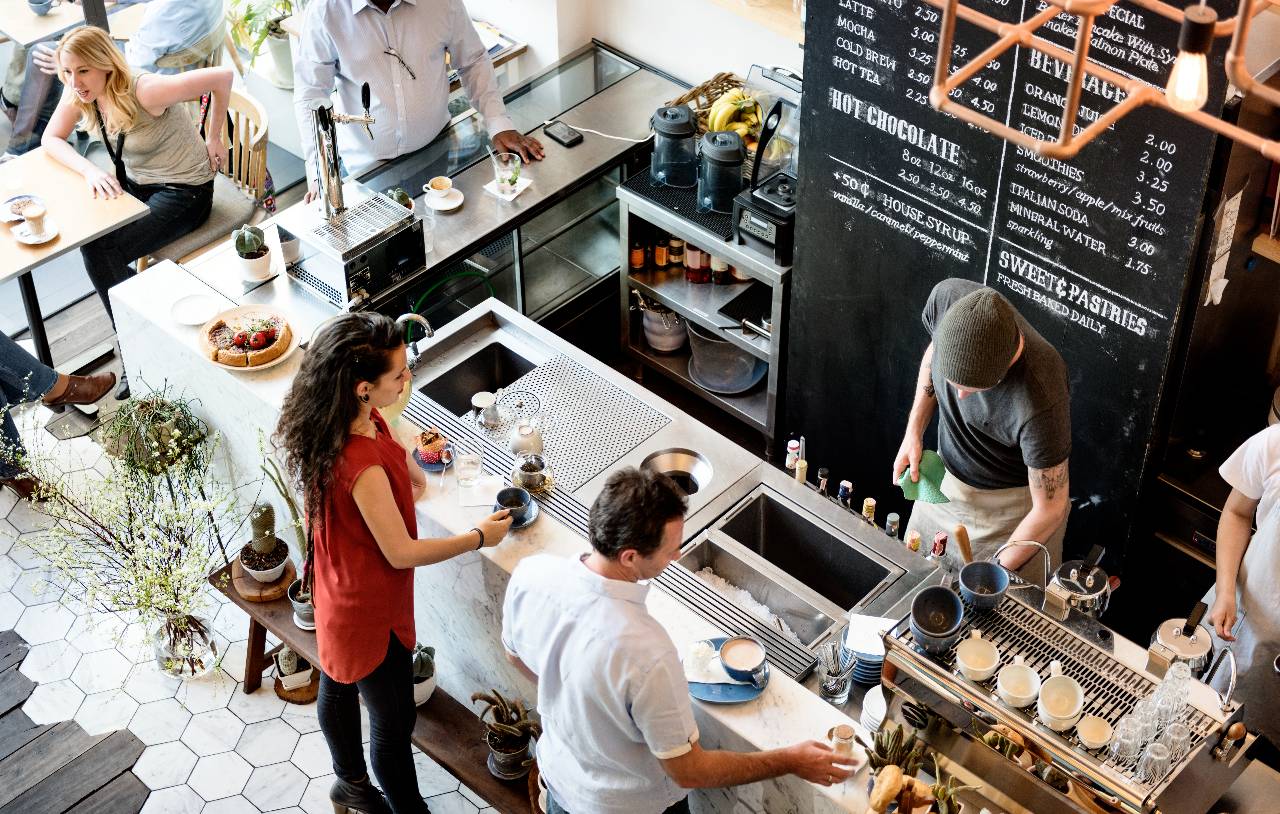
Opening a coffee shop in 2026 requires careful cost planning across rent, equipment, labor, technology, menu strategy, marketing, and sustainability.
May 15, 2026
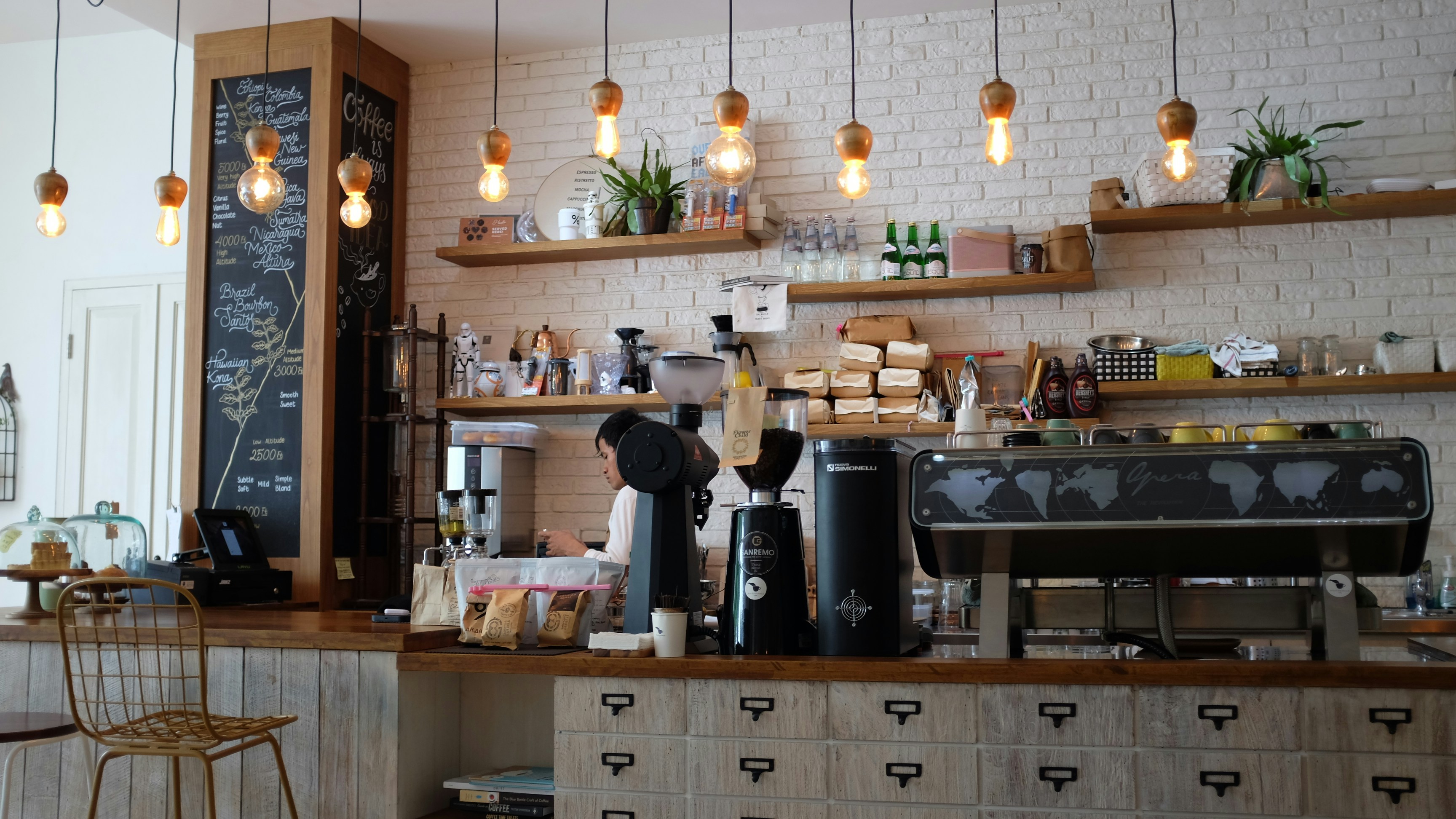
Hardee’s giant Boddie-Noell inks 31-unit Scooter’s Coffee deal for NC and VA, leveraging drive-thru growth and local roots with rollout over 12–18 months.
May 15, 2026
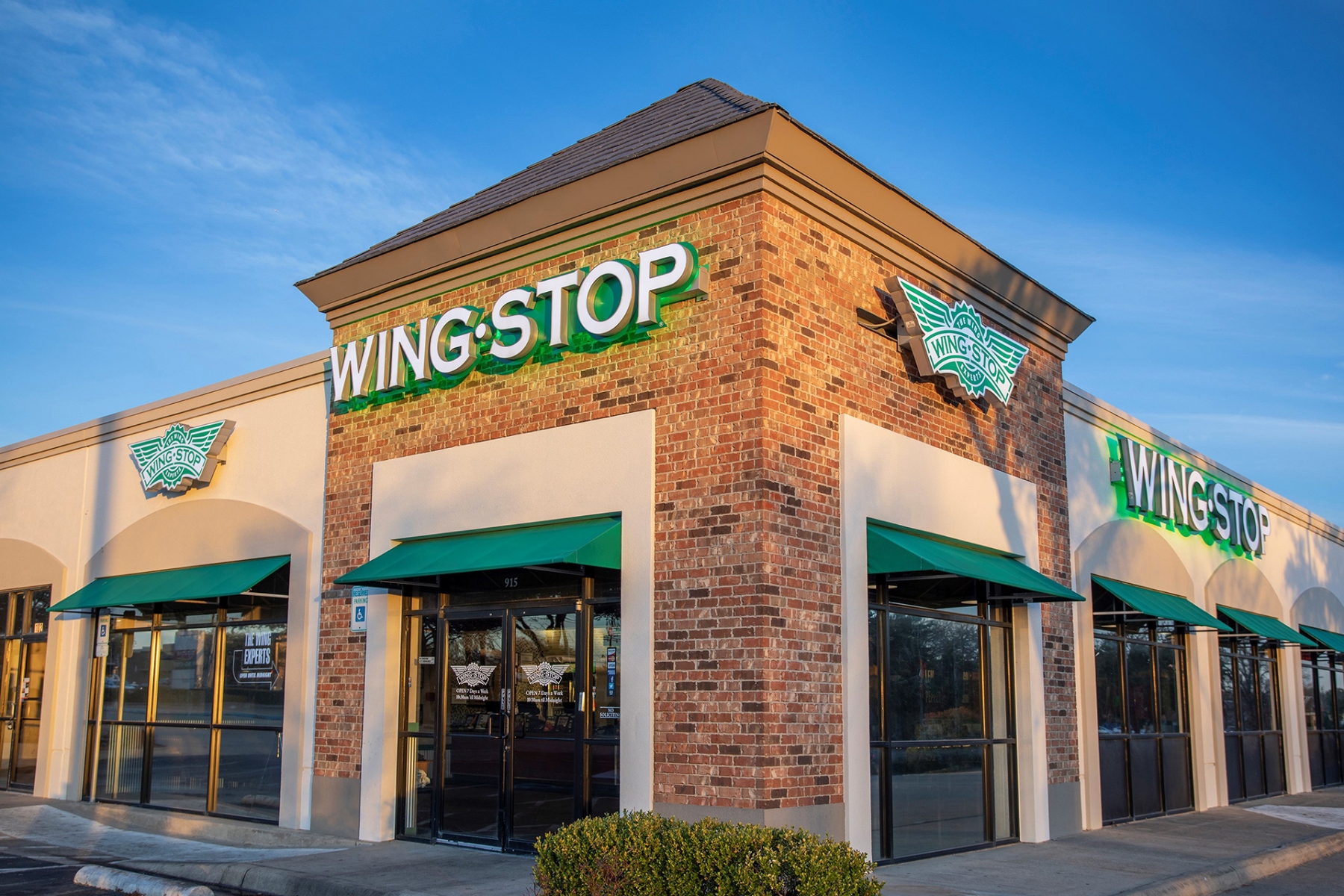
Wingstop turns match weeks into a multi-sensory festival, aligning bold pop-ups with World Cup energy to build brand affinity and measurable momentum.
May 15, 2026
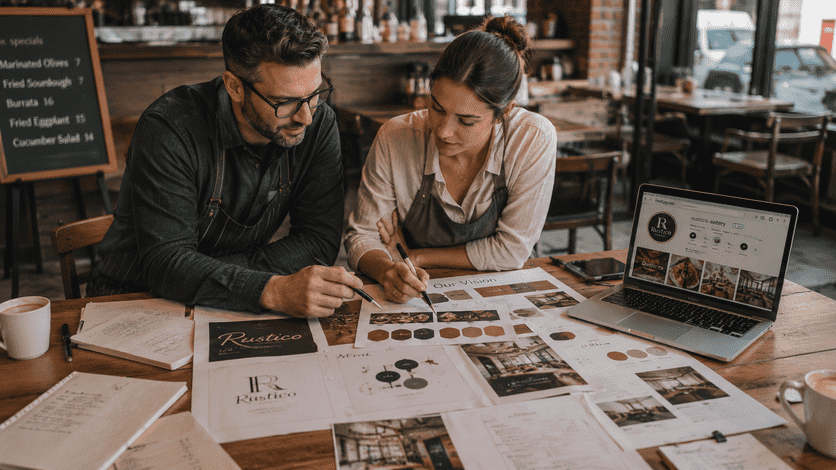
Learn how to develop a memorable restaurant brand identity that stands out in a crowded market, attracts loyal customers, and drives repeat business with actionable strategies and affordable tools.
May 15, 2026
The parent company behind Dunkin', Buffalo Wild Wings, and Arby's has filed for an IPO a move that could reshape how Wall Street views the restaurant sector.
May 15, 2026
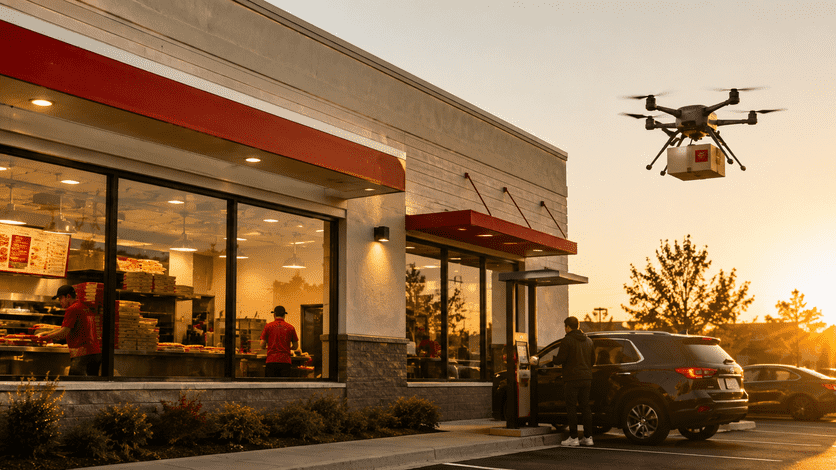
Papa Johns has teamed up with Alphabet's Wing for drone delivery of its new sandwich lineup in parts of Charlotte marking the first partnership of its kind between Wing and a national QSR brand.
May 15, 2026
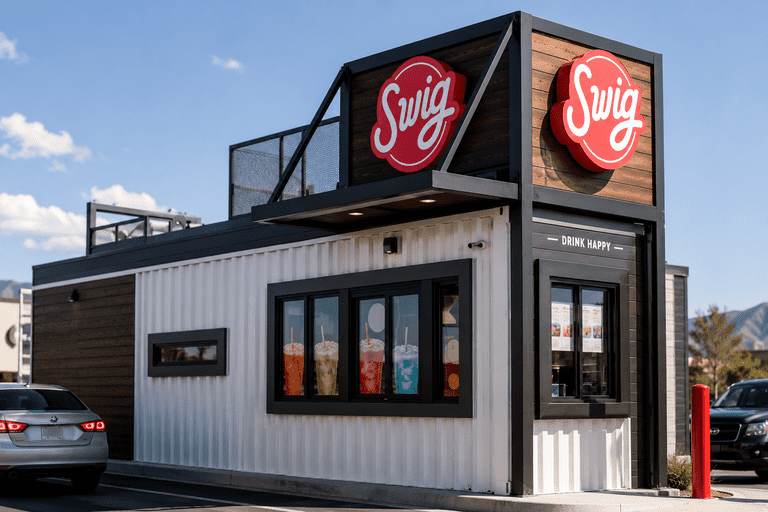
Dirty soda chain Swig is expanding into Colorado through a 10-unit franchise deal, riding a consumer beverage trend that's catching the attention of major QSR players nationwide.
May 15, 2026
A warm, expert-led look at McDonald’s Q1 results, menu makeover, and the refranchise question shaping its growth.
May 14, 2026
A reflective look at Habit Ranch, its immersive desert activation, and what it signals for brand loyalty and mindful, experiential dining.
May 14, 2026

Unlock Exclusive Access To Webinars, Events, And The Latest News For Free!
Chains fuse Korean, Mexican, and botanical flavors into familiar favorites. Discover the artistry, risks, and strategy behind this culinary renaissance.
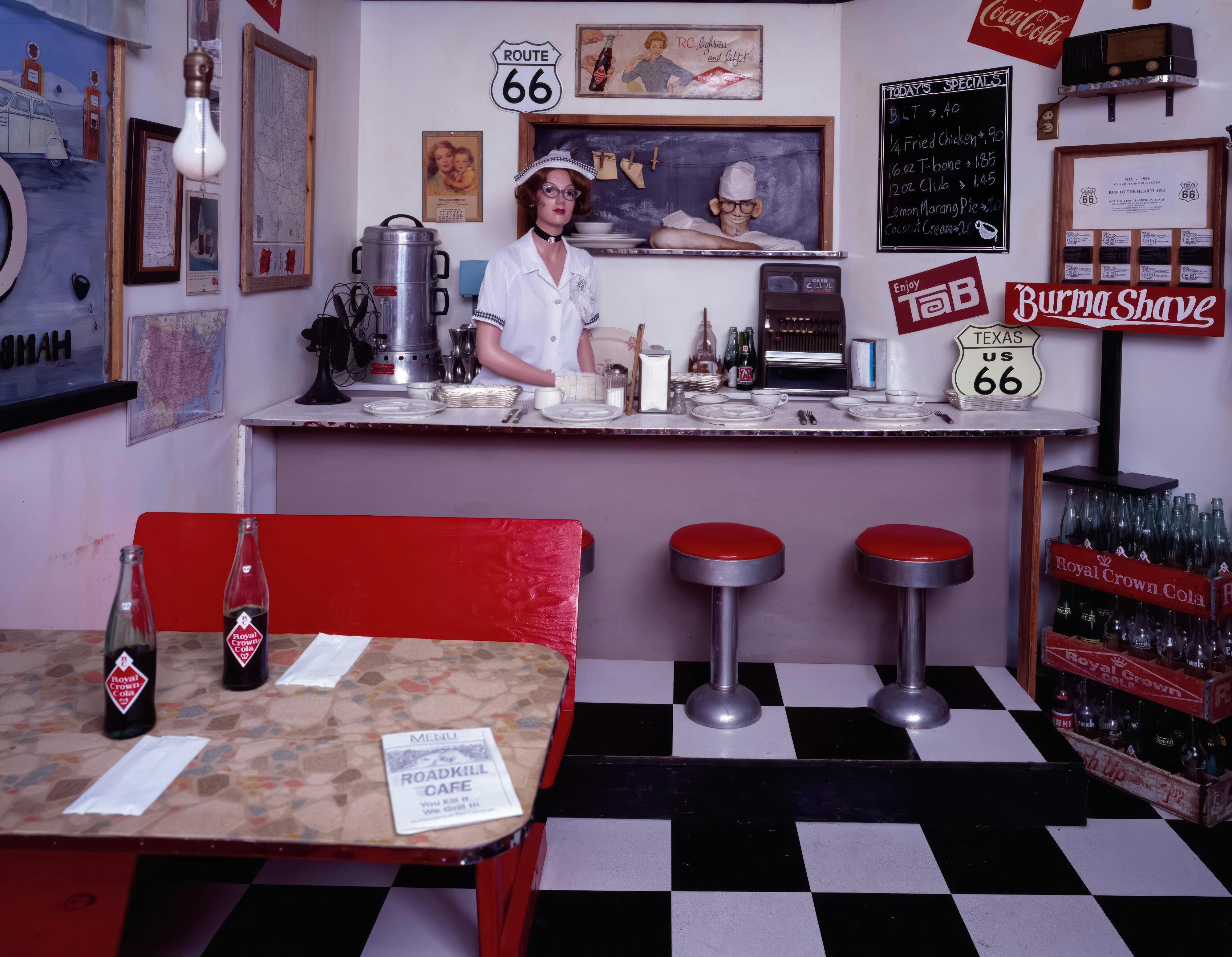
Photo by Carol Highsmith's America
The American dining tableau, once dominated by unwavering classics, is now experiencing a deliciously unpredictable migration. Velvet Taco casts the humble taco as the vessel for bulgogi-spiced ground beef, Napa slaw, kimchi, and Sriracha aïoli—a synthesis at once audacious and inviting. Paris Baguette, elegant yet unpretentious, threads shredded Korean beef through grilled cheese, wraps, and salad, each layered with red onion, carrot, mint, and cucumber—a restrained choreography that acknowledges the power of cross-pollination.
The Birria Kolache from Kolache Factory, born from a contest yet shaped with deliberation, introduces slow-braised Mexican beef to a Czech pastry, crowned only with onions, cilantro, lime, and the gentle ritual of dipping in consommé. At the glass, we witness Korean Plum Gochu Fresh Mint Lemonade—mint lemonade delicately laced with the saline tang of plum, enlivened by chile. The boundaries between continents, it seems, dissolve at the flour-dusted hands of inventive chefs.
In this landscape, the question emerges: is this merely culinary tourism, or the start of a lasting transformation in how Americans approach eating—an embrace of complexity, subtlety, and the careful layering of memories and novelty?
What draws us to these globally inflected compositions? Diners in 2026 navigate a world shaped by instant access, travel, and streaming narratives—an age in which the sensory and the storied intertwine. Recent trends illustrate a hunger not just for sensation, but for authenticity: Oaxacan mole folded gently into burgers, Korean ssam deftly settling into rice bowls. There is both method and seduction—a balancing act between the known and unknown.
Operators wield flavor systems—Korean sauces and condiments—with intent, using them as modular components rather than mere fleeting embellishments. The appeal of Korean street-food formats, visually appealing and logistically streamlined, expands across quick service and retail, their influence propagated by both memory and media. Underneath, a current of strategic investment pulses: these cuisines do not surface as trends alone, but as part of a sustained, globally scoped innovation agenda.
The artistry of successful innovation lies often in restraint: rather than inventing entire new formats, chains deftly integrate international elements into comfort staples. This is not culinary fusion as chaos, but as careful calibration. Velvet Taco’s Korean taco and Paris Baguette’s versatile beef act as bridges to adventurous flavor—an embrace of the 'glocal' ethos, where local and global converge with purpose.
Even in beverages and desserts, the vocabulary expands: botanical and floral infusions like pandan or cherry blossom reimagine the quotidian lemonade or latte. Operators orchestrate not just taste, but visual spectacle. Foam architecure, pastel hues, and layered glassware are composed as much for the camera lens as for the palate—a concession to the digital age, where ‘photocapture’ becomes part of the experience.
If the kitchen is a stage, then the limited-time offer (LTO) is the fleeting play that beckons urgency. As tracked by Technomic, LTOs have surged 19 percent year-over-year as of November, their momentum projected to accelerate further into 2025. Nowhere is this dynamism more apparent than at limited-service chains: here, sandwiches and burgers become canvases for continual reinvention, while happy hours and carefully timed promotions animate foot traffic and social feeds alike.
The senses, too, are seduced by invention: spring drinks tinged with rose, hibiscus, or pandan announce botanical complexity. The design is as deliberate as the recipe, enticing both taste and aesthetic impulse, and crafting the kind of fleeting FOMO that draws even the most reticent diner into the fray.

Behind the curtain, operators and industry observers recognize LTOs as both a testing ground and a narrative device—a symphony of flavor, marketing, and anticipation. Technomic’s commentary notes that these short-lived releases double as market research, gauging resonance before a dish or drink attains menu permanence. Independent cafés invest in house-made syrups, curated foams, and distinct garnishes, their drinks blooming into sensory tableaux designed for novelty and virality.
These choices—of ingredient, form, and spectacle—reflect deeper shifts. No longer is the menu an immutable palette; it is a living, seasonal story composed in real time, with a vigilant ear to the murmurs and movements of consumer desire.
No act of transformation is without its shadows. For all the brilliance and ingenuity, uncertainties linger at the edges. Will these global mashups, so vibrant in their moment, secure a place in the canon—becoming permanent fixtures—or are they destined to flicker briefly before ceding ground to newer fancies? Operators are judicious, yet specific data about long-term performance—such as consumer reaction to Velvet Taco or Paris Baguette’s Korean-inspired launches—remains guarded.
Visual strategy—the photogenic drink, the engineered foam—seduces on screens, but the impact on sustained sales has yet to be measured. A further question shimmers: Can the supply chains for proprietary ingredients—Korean plum, pandan, and other sourcing-dependent elements—maintain momentum as demand scales?
Within this interplay of risk and reward lies the beauty of the current epoch. Global creativity is not merely a flourish—it is a strategic shift, balancing comfort with the alluring pulse of innovation. By entwining compelling regional signatures into approachable forms, restaurants answer diners’ yearning for both surprise and security. It is the kind of artistry that appeals to the sophisticated palate—a polyrhythmic dance of heritage and invention.
Limited-time offers, visually striking beverages, and precise value-driven promotions are not ends in themselves, but meditations on experience, sustainability, and engagement. As we step further into 2026, these global innovations—rooted in both memory and anticipation—promise to redefine not just what we eat, but how we think about flavor, form, and the act of gathering around the table.