How Much Does It Cost to Open a Coffee Shop in 2026?
Opening a coffee shop in 2026 requires careful cost planning across rent, equipment, labor, technology, menu strategy, marketing, and sustainability.
operations
May 15, 2026
Opening a coffee shop in 2026 requires careful cost planning across rent, equipment, labor, technology, menu strategy, marketing, and sustainability.
May 15, 2026

This AI playbook covers restaurant tools for voice ordering, staffing, compliance, menu pricing, inventory, marketing, ChatGPT prompts, and SEO.
May 15, 2026

Hardee’s giant Boddie-Noell inks 31-unit Scooter’s Coffee deal for NC and VA, leveraging drive-thru growth and local roots with rollout over 12–18 months.
May 15, 2026

Wingstop turns match weeks into a multi-sensory festival, aligning bold pop-ups with World Cup energy to build brand affinity and measurable momentum.
May 15, 2026

The parent company behind Dunkin', Buffalo Wild Wings, and Arby's has filed for an IPO a move that could reshape how Wall Street views the restaurant sector.
May 15, 2026

Learn how to develop a memorable restaurant brand identity that stands out in a crowded market, attracts loyal customers, and drives repeat business with actionable strategies and affordable tools.
May 15, 2026

Dirty soda chain Swig is expanding into Colorado through a 10-unit franchise deal, riding a consumer beverage trend that's catching the attention of major QSR players nationwide.
May 15, 2026

Papa Johns has teamed up with Alphabet's Wing for drone delivery of its new sandwich lineup in parts of Charlotte marking the first partnership of its kind between Wing and a national QSR brand.
May 15, 2026

A warm, expert-led look at McDonald’s Q1 results, menu makeover, and the refranchise question shaping its growth.
May 14, 2026

A reflective look at Habit Ranch, its immersive desert activation, and what it signals for brand loyalty and mindful, experiential dining.
May 14, 2026

Unlock Exclusive Access To Webinars, Events, And The Latest News For Free!
How Hooters is transitioning to a franchisee-owned business and the implications of this restructuring on its operations and growth.
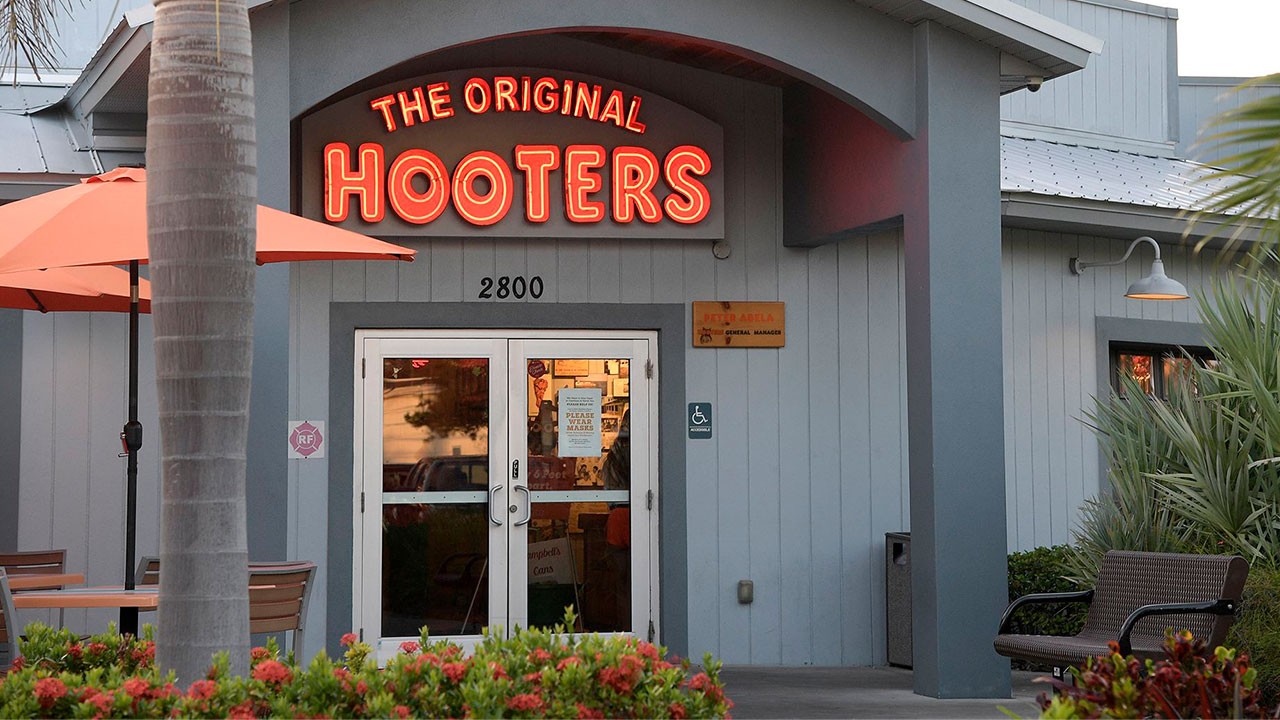
Hooters Inc.'s recent decision to shift towards a franchisee-owned business model marks a significant strategic move aimed at simplifying operations and driving sustainable long-term growth. By transitioning to a completely franchisee-owned setup, the company aims to streamline its business processes, enhance operational efficiency, and leverage the extensive experience and in-depth knowledge of highly experienced Hooters franchisees.
The adoption of a franchised model allows Hooters to tap into the expertise and dedication of its franchise operators who are deeply invested in the brand's success. With franchisees owning over 30% of domestic franchised locations, Hooters strategically positions itself to benefit from the operational insights and localized management strategies of these experienced partners. This strategic alignment is expected to drive enhanced operational growth and facilitate a more agile response to market dynamics.
CEO Neil Kiefer's emphasis on returning the Hooters brand to the hands of seasoned franchisees signifies a reconnection with the brand's historical success. By realigning ownership with individuals who possess a profound understanding of the brand's ethos and customer base, Hooters aims to revitalize its image, elevate customer experiences, and reclaim its position as an iconic and beloved establishment in the industry.
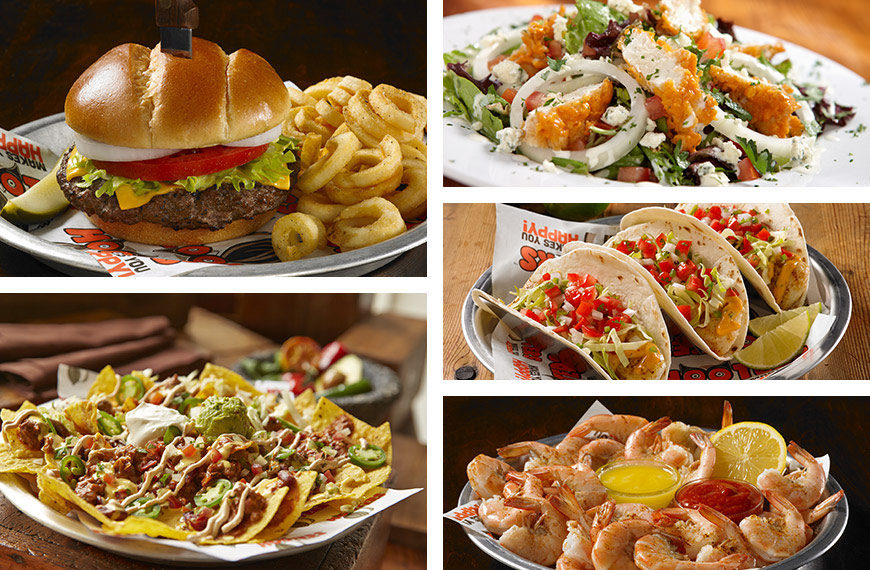
Prior to the restructuring, Hooters faced financial challenges with company-owned stores struggling to cover overhead expenses. The shift towards a franchisee-owned business model not only helps alleviate financial burdens but also enhances operational efficiency by empowering franchisees to make localized decisions, drive revenue growth, and adapt quickly to market trends. This financial rejuvenation is pivotal in securing the brand's stability and longevity in a competitive market landscape.
In addition to the franchise restructuring, Hooters is expanding its revenue streams through strategic partnerships and diversification initiatives. Collaborations with retail partners and licensing agreements like the one with Publix Super Markets to sell Hooters-branded frozen meals indicate a proactive approach to revenue diversification and brand extension. These initiatives not only drive additional income but also enhance brand visibility and reach new customer segments.
To ensure operational continuity and facilitate the restructuring process seamlessly, Hooters is seeking debtor-in-possession financing to the tune of $40 million, including significant new capital injection. This financial support aims to provide the necessary liquidity for ongoing operations, strategic initiatives, and structural adjustments as the company navigates through the transition phase. The infusion of capital underscores a commitment to sustained growth and operational excellence.