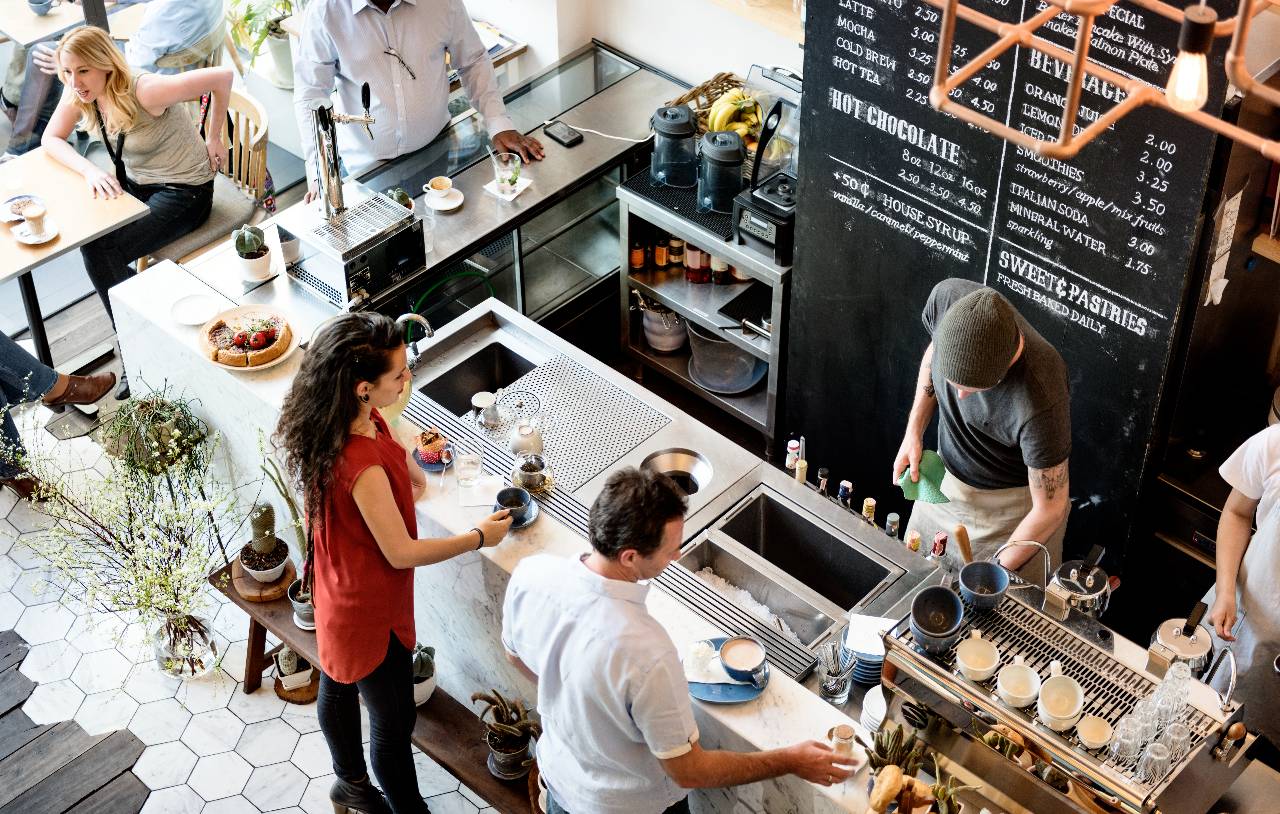
How Much Does It Cost to Open a Coffee Shop in 2026?
Opening a coffee shop in 2026 requires careful cost planning across rent, equipment, labor, technology, menu strategy, marketing, and sustainability.
operations
May 15, 2026
Opening a coffee shop in 2026 requires careful cost planning across rent, equipment, labor, technology, menu strategy, marketing, and sustainability.
May 15, 2026
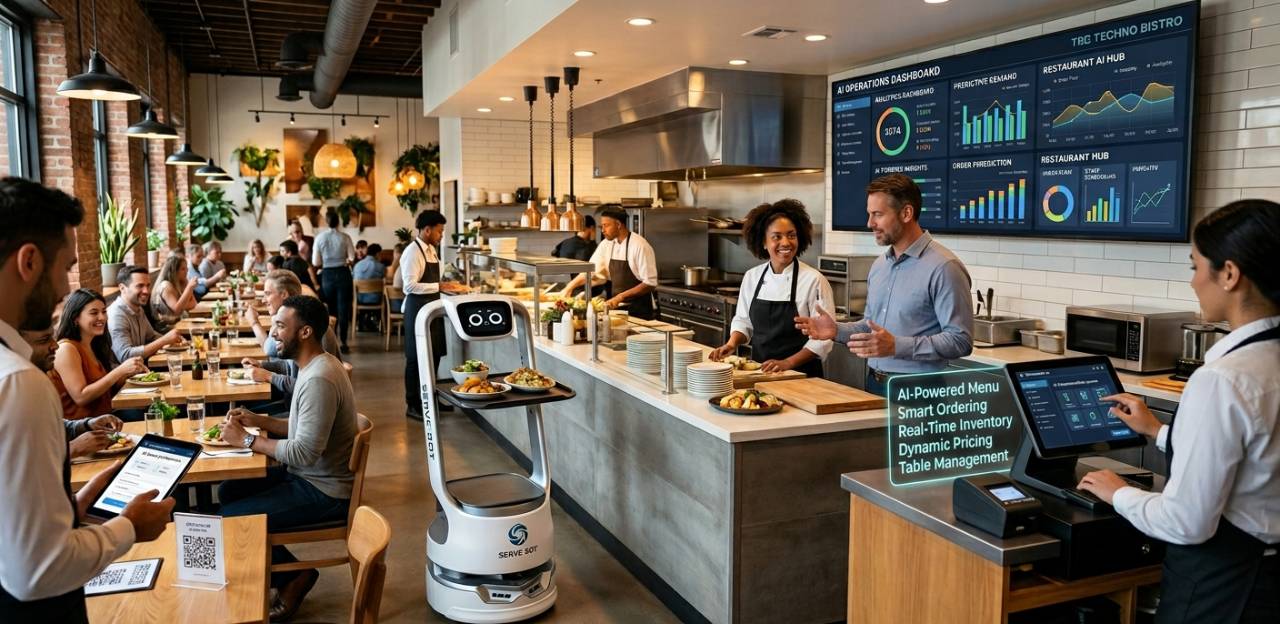
This AI playbook covers restaurant tools for voice ordering, staffing, compliance, menu pricing, inventory, marketing, ChatGPT prompts, and SEO.
May 15, 2026
Hardee’s giant Boddie-Noell inks 31-unit Scooter’s Coffee deal for NC and VA, leveraging drive-thru growth and local roots with rollout over 12–18 months.
May 15, 2026
Wingstop turns match weeks into a multi-sensory festival, aligning bold pop-ups with World Cup energy to build brand affinity and measurable momentum.
May 15, 2026
The parent company behind Dunkin', Buffalo Wild Wings, and Arby's has filed for an IPO a move that could reshape how Wall Street views the restaurant sector.
May 15, 2026
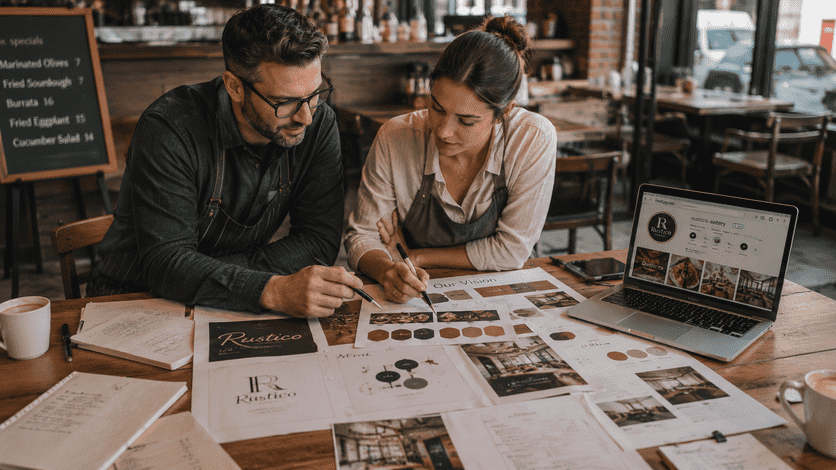
Learn how to develop a memorable restaurant brand identity that stands out in a crowded market, attracts loyal customers, and drives repeat business with actionable strategies and affordable tools.
May 15, 2026
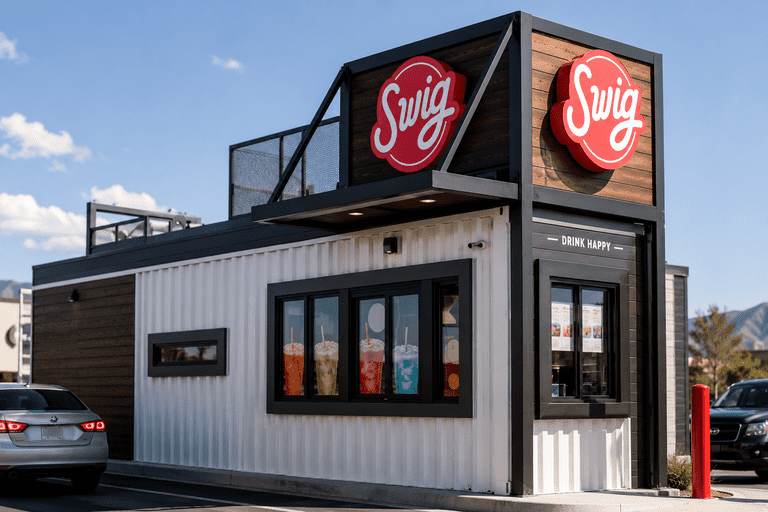
Dirty soda chain Swig is expanding into Colorado through a 10-unit franchise deal, riding a consumer beverage trend that's catching the attention of major QSR players nationwide.
May 15, 2026
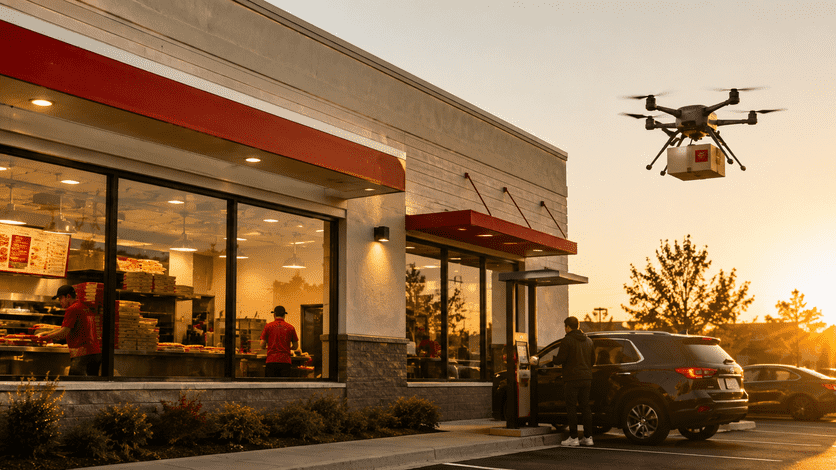
Papa Johns has teamed up with Alphabet's Wing for drone delivery of its new sandwich lineup in parts of Charlotte marking the first partnership of its kind between Wing and a national QSR brand.
May 15, 2026
A warm, expert-led look at McDonald’s Q1 results, menu makeover, and the refranchise question shaping its growth.
May 14, 2026
A reflective look at Habit Ranch, its immersive desert activation, and what it signals for brand loyalty and mindful, experiential dining.
May 14, 2026

Unlock Exclusive Access To Webinars, Events, And The Latest News For Free!
Grubhub rolls out cart upsells, real-time tracking, and autonomous refunds to streamline ordering and bolster partner value.
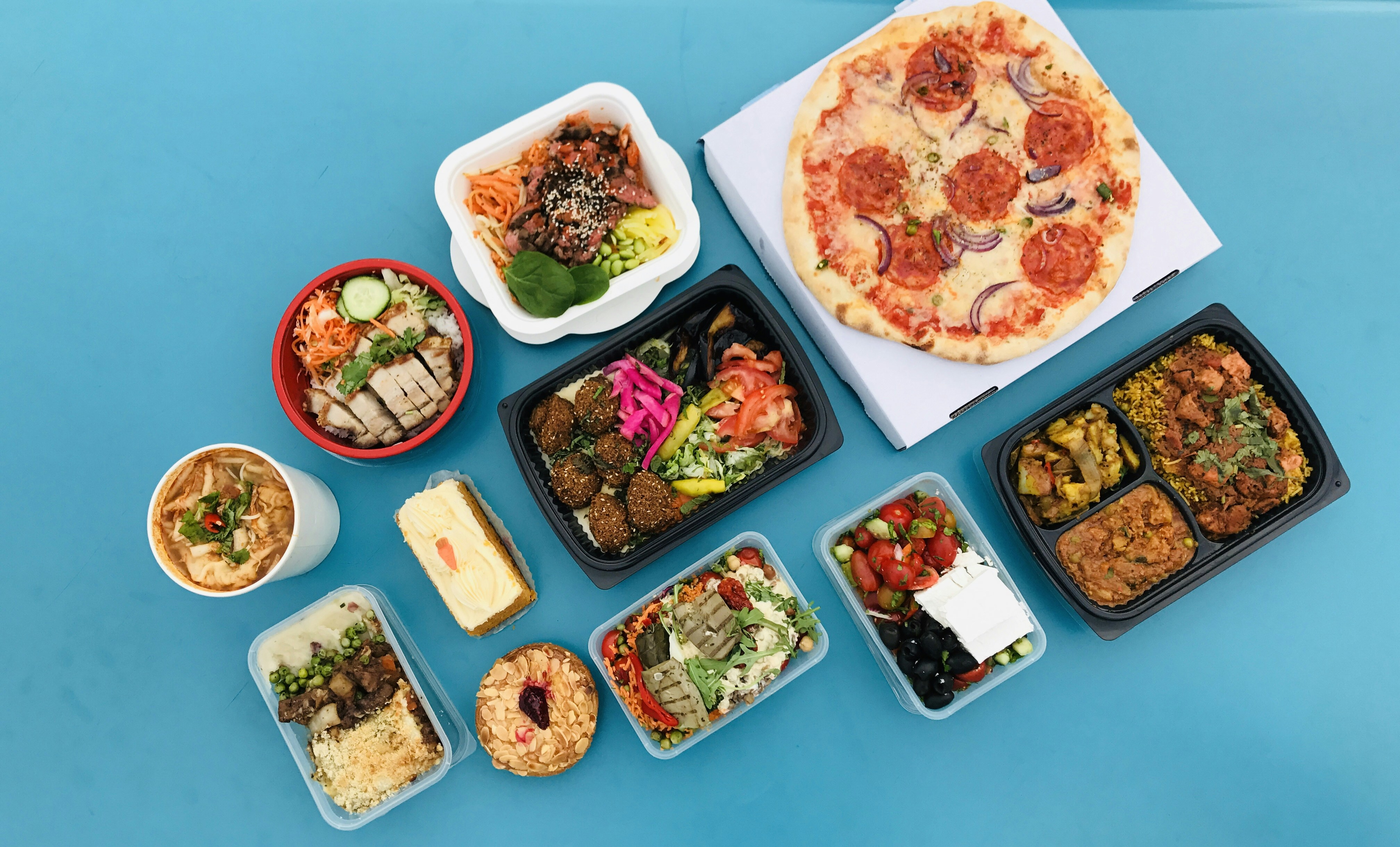
Photo by Cristiano Pinto
Grubhub is tightening the ordering journey with a three-pronged upgrade. The centerpiece is a checkout upsell that appears on the cart screen as you confirm your order details, designed to nudge you toward add-ons without breaking the flow. The prompt—often called the 'You might also like' cue—aims for a clean lift in average order value while keeping the merchant network humming with incremental revenue opportunities. It’s not noise. It’s a deliberate play to keep the checkout tight and profitable, especially in a crowded field.
The idea is blunt and practical: capture value at the moment you seal the deal, not after the fact. The look and feel stay purposeful, never pushy, with clear signals that make sense to diners and operators alike.
In parallel, the other two features map to the core moments of the journey. Live activity tracking lives inside the iOS app, letting diners watch progress in real time instead of waiting for a ping. And the Self-Service Order Not Received tool puts control in the hands of the diner, enabling a redelivery or a refund to be requested directly, bypassing live-agent toggles. Collectively, these changes streamline selection, fulfillment, and resolution, so the path from cart to table feels less fragmented and more trustworthy. “The new features reduce friction and reinforce trust in a busy delivery landscape,” as Grubhub emphasizes in its release.
Grubhub deploys this feature suite into a market leaning toward modernized interfaces and better self-service tooling. The broader backdrop is competitive: rivals chase the same goals of clarity, speed, and reliability. In late 2024, the announced sale of Grubhub to Wonder marked a major ownership pivot while the platform continues to operate in a crowded U.S. market. The ongoing Prime integration with Amazon strengthens cross-ecosystem reach, offering Grubhub+ benefits to Prime members and tying Grubhub deeper into a larger shopping experience. These threads—ownership shifts, partnerships, and feature-driven updates—shape how diners decide to order and how merchants move in a brisk marketplace.
What matters here isn’t a single feature; it’s a pattern. Incremental product improvements, strategic ties, and a changing ownership landscape converge to influence consumer behavior and merchant outcomes. The industry context—where platforms race to simplify, secure, and speed up the ordering experience—helps explain why Grubhub’s trio of updates lands with a purpose. The move isn’t simply cosmetic; it’s a structural bet on how diners and restaurants will interact in a highly competitive delivery ecosystem.
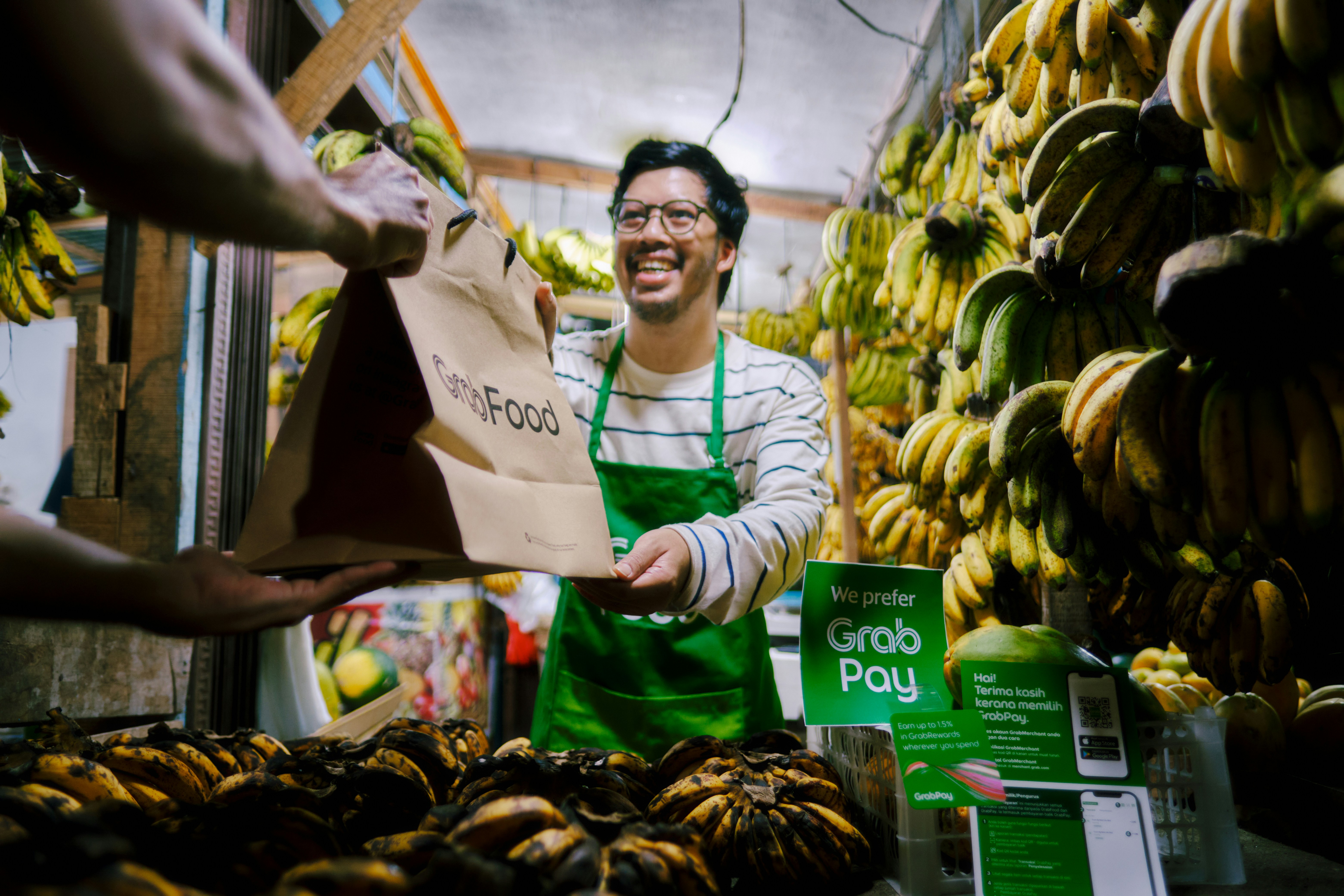
The three core features map to distinct moments in the ordering journey. The checkout recommendation engine surfaces add-ons right on the cart as customers confirm their order, using the 'You might also like' cue to lift incremental sales. Live activity tracking provides real-time status within the iOS app, reducing anxiety for diners who want to anticipate delivery without extra taps. The Self-Service Order Not Received tool gives diners autonomy to request either a redelivery or a refund without engaging a live agent. The integration is designed to streamline selection, fulfillment, and issue resolution so partners and diners experience less friction at each stage. This is not novelty; it’s a deliberate alignment with a broader industry shift toward more transparent, user-controlled order experiences.
What this signals to operators is a commitment to a smoother tempo—from checkout to delivery. The triad is designed to cut suporte frictions while preserving, and in some cases expanding, revenue opportunities. The company frames the approach as part of a larger trend toward transparent, user-controlled order experiences that help diners feel in control and merchants to operate with clearer expectations.
Industry observers see Grubhub’s investments as part of a broader pattern of platform refinements across the sector. In parallel, Uber Eats has pushed allergy disclosures and clearer merchant communications, signaling a heightened emphasis on safety and transparency. The Food Allergy Research & Education (FARE) praised Uber’s approach, noting it helps millions share allergy restrictions with restaurants. On safety, DoorDash introduced AI-assisted moderation—SafeChat+—to curb abusive language, while keeping traditional review processes intact. Taken together, these moves show competition advancing user well-being and support tooling alongside core ordering improvements.
“We know that verbal abuse or harassment represents the largest type of safety incident on our platform,” DoorDash states in its materials. The broader message is clear: platforms race to balance speed, safety, and reliability. Grubhub’s updates are part of that wider push toward better tools for diners and more trustworthy experiences for merchants, a trend that matters as competition intensifies across the delivery landscape.
Ownership changes shape the backdrop for these features. The Just Eat Takeaway and Wonder deal was announced in November 2024, with expectations for close in early 2025. Tech coverage highlighted the scale of write-downs and framed the deal as a pivotal pivot for Grubhub’s strategic direction under new ownership. Separately, the Prime–Grubhub+ relationship persists, tying Grubhub deeper into Amazon’s ecosystem. Practically, the feature set aims to reduce friction, lower support overload, and create more predictable revenue pathways for restaurant partners. The outcome hinges on how these tools translate into measurable value over the next year or two.
Why this matters now is simple: a more autonomous, user-centric approach reduces back-and-forth with support and keeps orders flowing. If the trio scales reliably, Grubhub can lower costs while lifting restaurant throughput and loyalty. The industry trend toward safety, clarity, and autonomy suggests platforms that marry frictionless ordering with responsive service will win longer-term. The question remains how quickly Grubhub can translate ownership changes and cross-channel promotions into durable gains over the next 12–24 months.