AI Playbook for Restaurant Owners
This AI playbook covers restaurant tools for voice ordering, staffing, compliance, menu pricing, inventory, marketing, ChatGPT prompts, and SEO.
tech
May 15, 2026
This AI playbook covers restaurant tools for voice ordering, staffing, compliance, menu pricing, inventory, marketing, ChatGPT prompts, and SEO.
May 15, 2026

Opening a coffee shop in 2026 requires careful cost planning across rent, equipment, labor, technology, menu strategy, marketing, and sustainability.
May 15, 2026

Hardee’s giant Boddie-Noell inks 31-unit Scooter’s Coffee deal for NC and VA, leveraging drive-thru growth and local roots with rollout over 12–18 months.
May 15, 2026

Wingstop turns match weeks into a multi-sensory festival, aligning bold pop-ups with World Cup energy to build brand affinity and measurable momentum.
May 15, 2026

Learn how to develop a memorable restaurant brand identity that stands out in a crowded market, attracts loyal customers, and drives repeat business with actionable strategies and affordable tools.
May 15, 2026

The parent company behind Dunkin', Buffalo Wild Wings, and Arby's has filed for an IPO a move that could reshape how Wall Street views the restaurant sector.
May 15, 2026

Papa Johns has teamed up with Alphabet's Wing for drone delivery of its new sandwich lineup in parts of Charlotte marking the first partnership of its kind between Wing and a national QSR brand.
May 15, 2026

Dirty soda chain Swig is expanding into Colorado through a 10-unit franchise deal, riding a consumer beverage trend that's catching the attention of major QSR players nationwide.
May 15, 2026

A warm, expert-led look at McDonald’s Q1 results, menu makeover, and the refranchise question shaping its growth.
May 14, 2026

A reflective look at Habit Ranch, its immersive desert activation, and what it signals for brand loyalty and mindful, experiential dining.
May 14, 2026

Unlock Exclusive Access To Webinars, Events, And The Latest News For Free!
Gotham Restaurant enters Chapter 11 after a payroll cyber incident collides with debts, testing decades of New York dining influence.
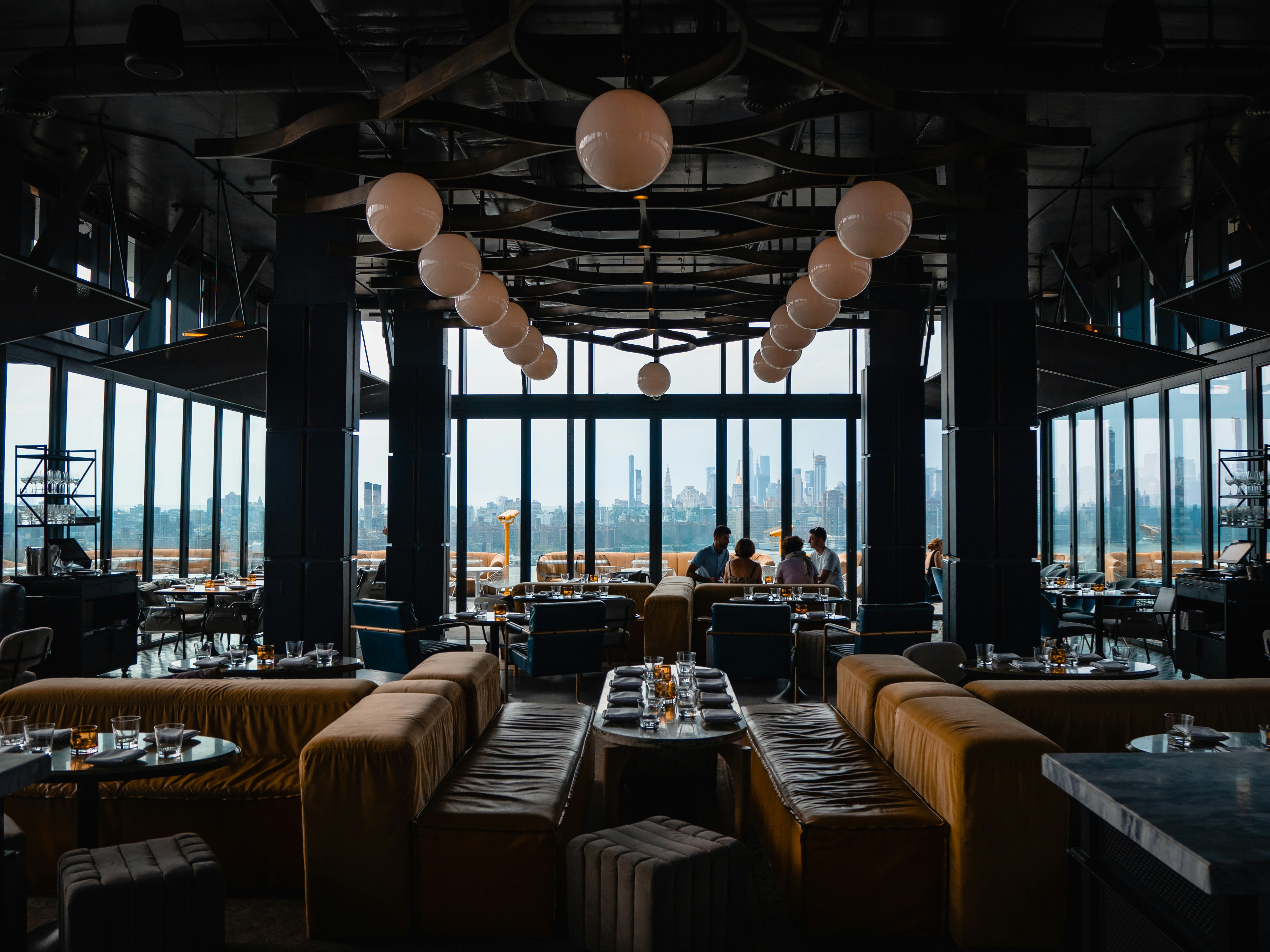
Photo by Paul Griffin
Gotham Bar & Grill opened in 1984 and quickly rose to prominence after Alfred Portale assumed executive chef and partner roles in 1985, bringing a bold concept that would become a touchstone of New York dining. The restaurant's tall-food presentations, dramatic plating, and fearless experiments made it a proving ground for young talents who would go on to reshape the city’s culinary map. Its gene pool included future stars like Wylie Dufresne, Tom Colicchio, and Bill Telepan, each adding a chapter to Gotham’s legend. Even as leadership shifted—Portale left in 2019, followed by Victoria Blamey stepping in—Gotham remained a pulse point for ambition. The pandemic paused the program, but the kitchen resurfaced in 2021 with Ron Paprocki taking the helm as executive chef. That arc—historic influence meeting ongoing reinvention—sets the stage for a crisis that tests legacy as much as cuisine:
From its opening, Gotham defined a certain New York bravado: a place where talent incubators became dining landmarks. The restaurant’s influence goes beyond its plates. It served as a launchpad for generations of chefs who later charted broad careers, while the restaurant’s own lineage demonstrates how a famed brand can endure, even when leadership wears many hats. The post-pandemic moment brought a reinvention, with COVID-19 shutterings, a reopened storefront in 2021, and a shift that kept Gotham in the conversation as a high-end laboratory. Yet the past decade also exposed vulnerabilities—labor dynamics, supply-chain quirks, and a business rhythm that could not be insulated from disruption. The current Chapter 11 moment is not just a debt problem; it’s a test of what Gotham will become when tradition collides with today’s risk economy.
History doesn’t just remember a menu; it measures what remains when the kitchen lights flip off. The answer, for now, is still being written, but the stakes are unmistakable: Gotham’s legacy is being tested in real time.
June brought a jolt that knocked the restaurant off its familiar footing: a payroll-security incident that cost the business roughly $45,000 and forced a temporary shutdown described by outlets as a payroll cyber scam tied to its operations. The disruption prompted a summer pause notice at the Greenwich Village site, with a plan to resume later in the year while owners evaluated the path forward. Then, on July 24, 2024, Gotham Restaurants LLC filed for Chapter 11 bankruptcy protection in the Southern District of New York. The timing underscored how a cyber breach can collide with the realities of cash flow in fine dining. Cassandra Csencsitz, co-owner, described the breach as the incident that pushed Gotham’s finances “over the edge,” precipitating a decision to discontinue service and seek additional capital to reopen with a new direction at the end of the summer.
Public records show the Chapter 11 filing and a creditor mix led by the New York State Department of Taxation and Finance Bankruptcy/Special Procedures Section, owed nearly $484,000. Other notable debts include Dairyland (about $97,000) and Baldor Specialty Foods (about $84,000), along with credit-card issuers, utilities, and service firms. The filing does not spell out a plan for ongoing operations; it notes assets estimated between $1 million and $10 million, with funds available to unsecured creditors. An outgoing Greenwich Village phone message announced the venue would be “closed for lunch and dinner service through August to make a few improvements.” The sum of cyber incident, tax obligations, and supplier liabilities paints a clear picture of a restaurant teetering on a financial edge.
That edge feels intentional, not incidental. It’s a moment that hints at a pivot—or perhaps a liquidation—depending on the carveouts creditors can negotiate and the capital the owners can marshal.
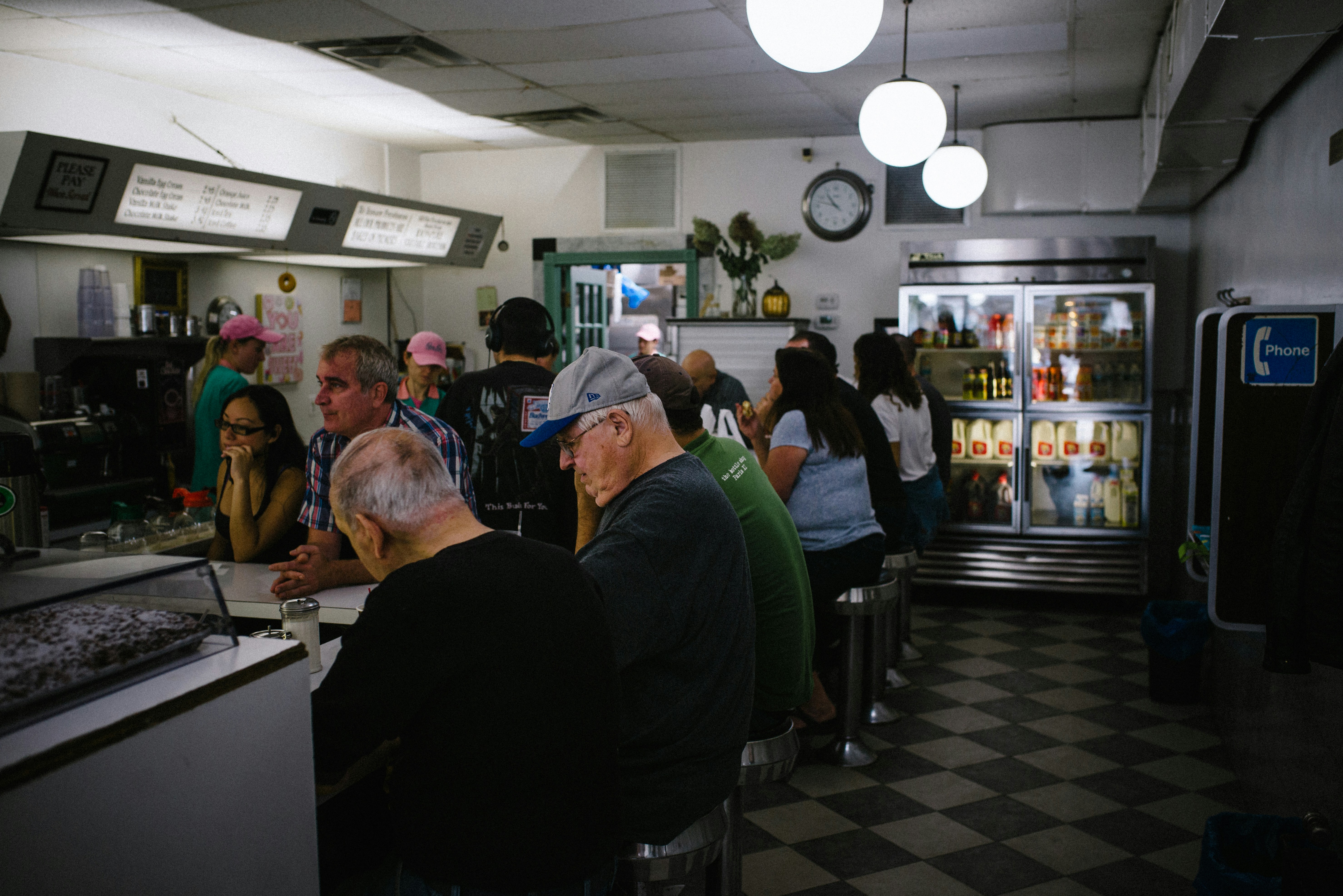
The bankruptcy filing lays out a damp but precise financial canvas. Gotham Restaurants LLC reports assets in a wide range, between $1 million and $10 million, and says funds would be available to unsecured creditors, yet it stops short of detailing a plan to keep the doors open. The representation is listed as Gabriel Del Virginia, a reminder that behind the numbers sits a legal process that will determine whether Gotham can stage a comeback, pivot to a new concept, or walk away. The document frames the moment as a crossroads born from a cocktail of pandemic-era headwinds, cyber risk, and long-running fiscal tensions. The question now is what comes next for the Gotham brand.
On the creditor front, the landscape is led by the New York State Department of Taxation and Finance with a substantial claim, followed by Dairyland and Baldor Specialty Foods, among others, including credit-card issuers, utilities, and service firms. The filing’s language leaves open whether Gotham will resume operations under the current branding, pivot to a new concept, or liquidate. Industry watchers note that real estate assets and brand equity—such as Gotham’s building and legacy—can become focal points for activity, including potential sales or a rebranding. Forbes has profiled Gotham’s era-defining status and leadership changes that accompanied its revival, reinforcing the restaurant’s lasting imprint on the city’s culinary landscape.
So, the future remains a blank page, waiting for what capital, creditors, and operators decide to write next.
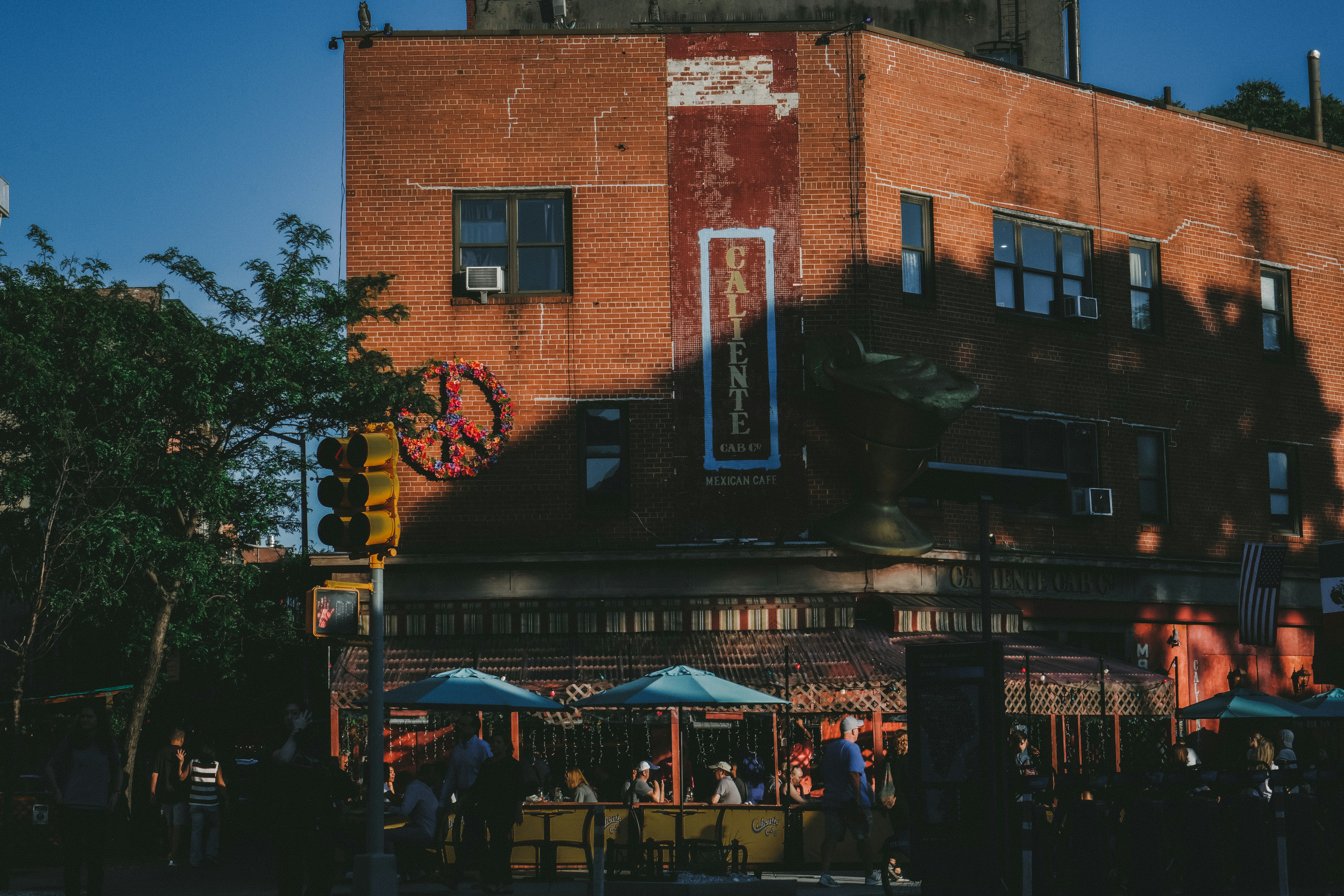
The arc of Gotham’s story sits squarely at the intersection of legacy and vulnerability in New York’s high-end dining scene. Gotham Bar & Grill helped establish the tall-food ethos that many chefs studied, and its alumni—Wylie Dufresne, Tom Colicchio, and Bill Telepan—went on to shape broader industry currents. The restaurant’s leadership shifts— leaving in 2019, Victoria Blamey stepping in, and the COVID-era reinvention—underline a recurring pattern: long-running institutions can be engines of both renewal and risk. The industry’s broader context shows that iconic venues must navigate debt, labor-market shifts, and security vulnerabilities in an increasingly digital supply chain. Even as Gotham’s brand endures, the real estate under its roof complicates the picture, with market chatter about options and potential sales. Forbes has highlighted Gotham’s era-defining status and the leadership changes that accompanied its revival, reinforcing the city’s culinary identity.
That context matters because real estate and brand equity can become the fulcrums of a restaurant’s next act. The pandemic accelerated resilience thinking, while cyber events remind operators that modern supply chains demand stronger cyber hygiene and liquidity buffers. Gotham’s evolution—through leadership shifts, a post-pandemic reemergence, and ongoing market scrutiny—illustrates how a legacy can endure in name while the operating model evolves to meet today’s risk landscape.
We’ll watch how these forces resolve: a brand that defined a chapter of the city’s flavor now negotiates the terms of its next chapter.
With uncertainty comes questions that matter for operators everywhere. The bankruptcy filing does not spell out whether Gotham Restaurant will resume in its current form, pivot to a new concept, or pursue liquidation. Public records suggest the possibility of ongoing asset sales and a potential change in ownership structure, with press coverage noting that the building and brand sit in a marketplace that could reshape the balance of control. Industry watchers will be watching how suppliers, lenders, and local staff navigate recoveries, settlements, and any restarted operation. The episode also shines a brighter light on crisis preparedness in hospitality: how seriously operators treat cybersecurity, liquidity management, and contingency planning when a storied venue faces multi-front disruption.
For suppliers and lenders, Gotham’s case is a reminder that proactive risk assessment and clear, timely engagement during restructuring can mean a smoother path toward recovery. The lesson extends to the broader city’s dining ecosystem: heritage brands must evolve without losing their soul, and they must coordinate with landlords, regulators, and the city’s talent pool to stabilize and adapt. In a moment when Forbes and other outlets are recounting Gotham’s legacy, the industry is left with a practical takeaway: resilience is not optional, and the best stories survive by balancing memory with a practical, defensible plan for the days ahead. As Gotham’s fate remains unresolved, all eyes will stay on whether the brand reemerges in any form.
Whatever happens, the Gotham chapter will keep teaching the city about resilience, accountability, and the hard work behind turning legacy into ongoing flavor.