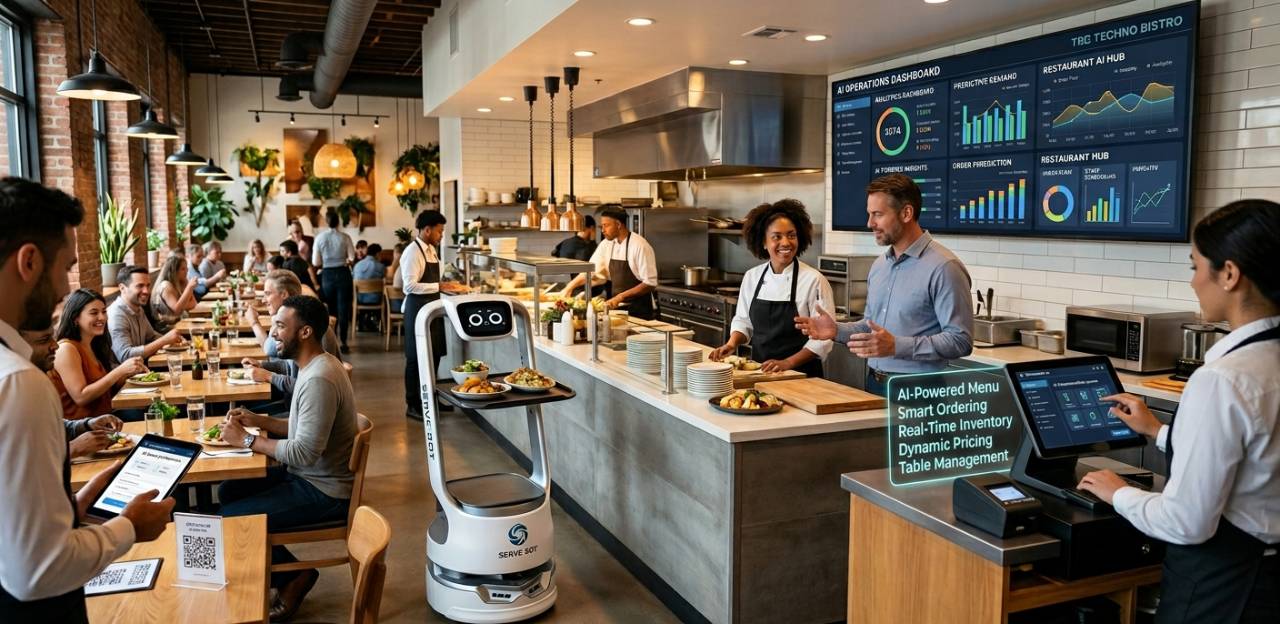
AI Playbook for Restaurant Owners
This AI playbook covers restaurant tools for voice ordering, staffing, compliance, menu pricing, inventory, marketing, ChatGPT prompts, and SEO.
tech
May 15, 2026
This AI playbook covers restaurant tools for voice ordering, staffing, compliance, menu pricing, inventory, marketing, ChatGPT prompts, and SEO.
May 15, 2026
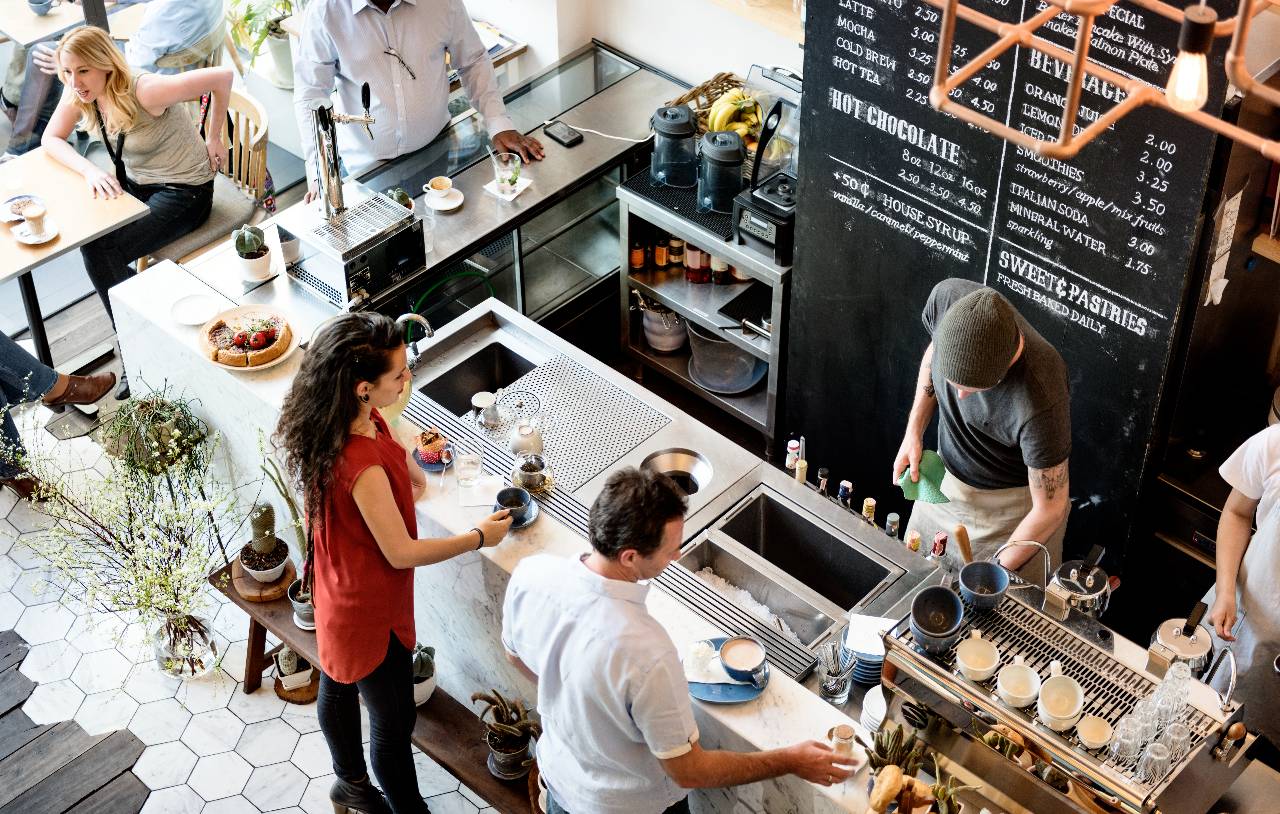
Opening a coffee shop in 2026 requires careful cost planning across rent, equipment, labor, technology, menu strategy, marketing, and sustainability.
May 15, 2026
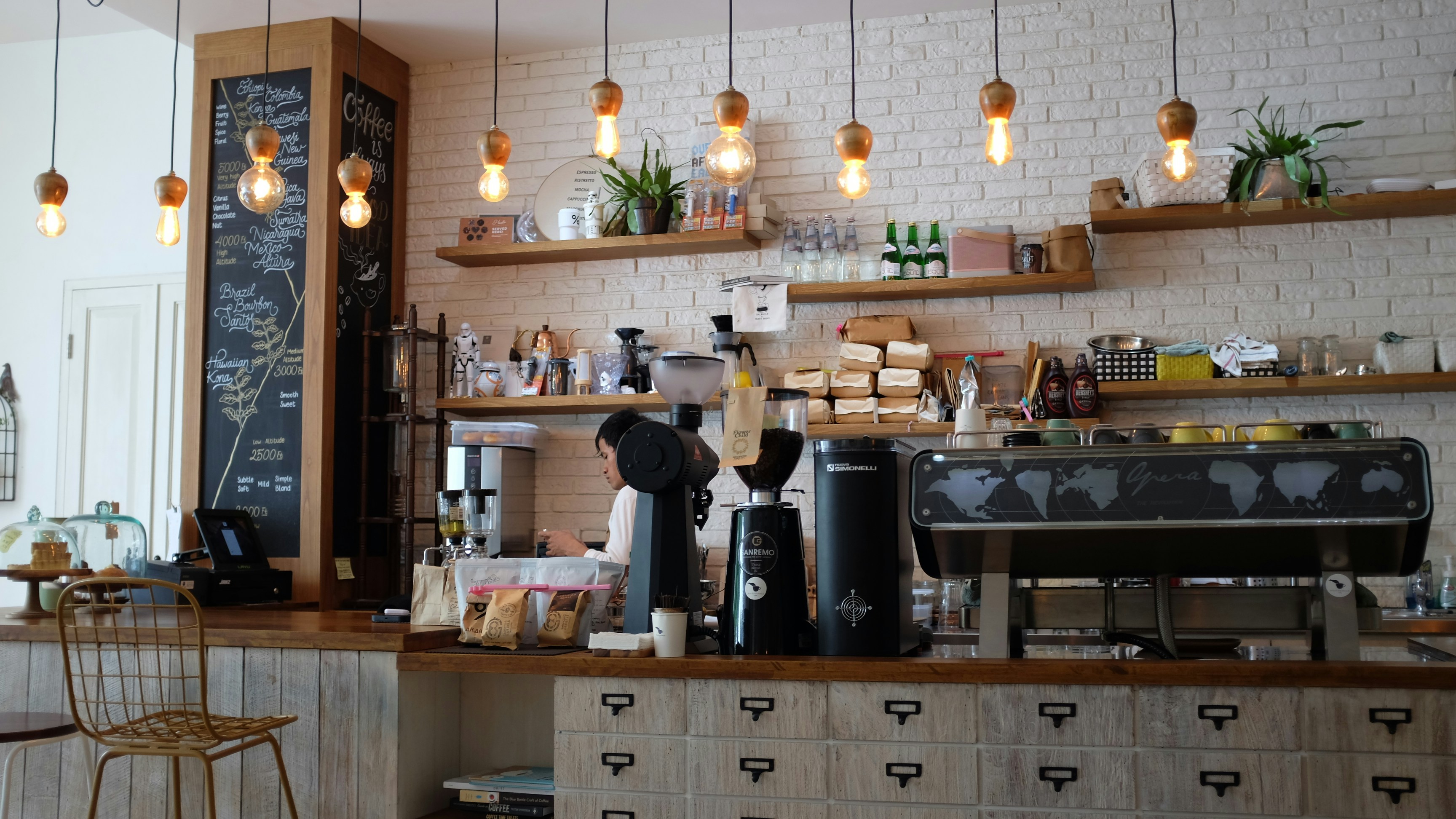
Hardee’s giant Boddie-Noell inks 31-unit Scooter’s Coffee deal for NC and VA, leveraging drive-thru growth and local roots with rollout over 12–18 months.
May 15, 2026
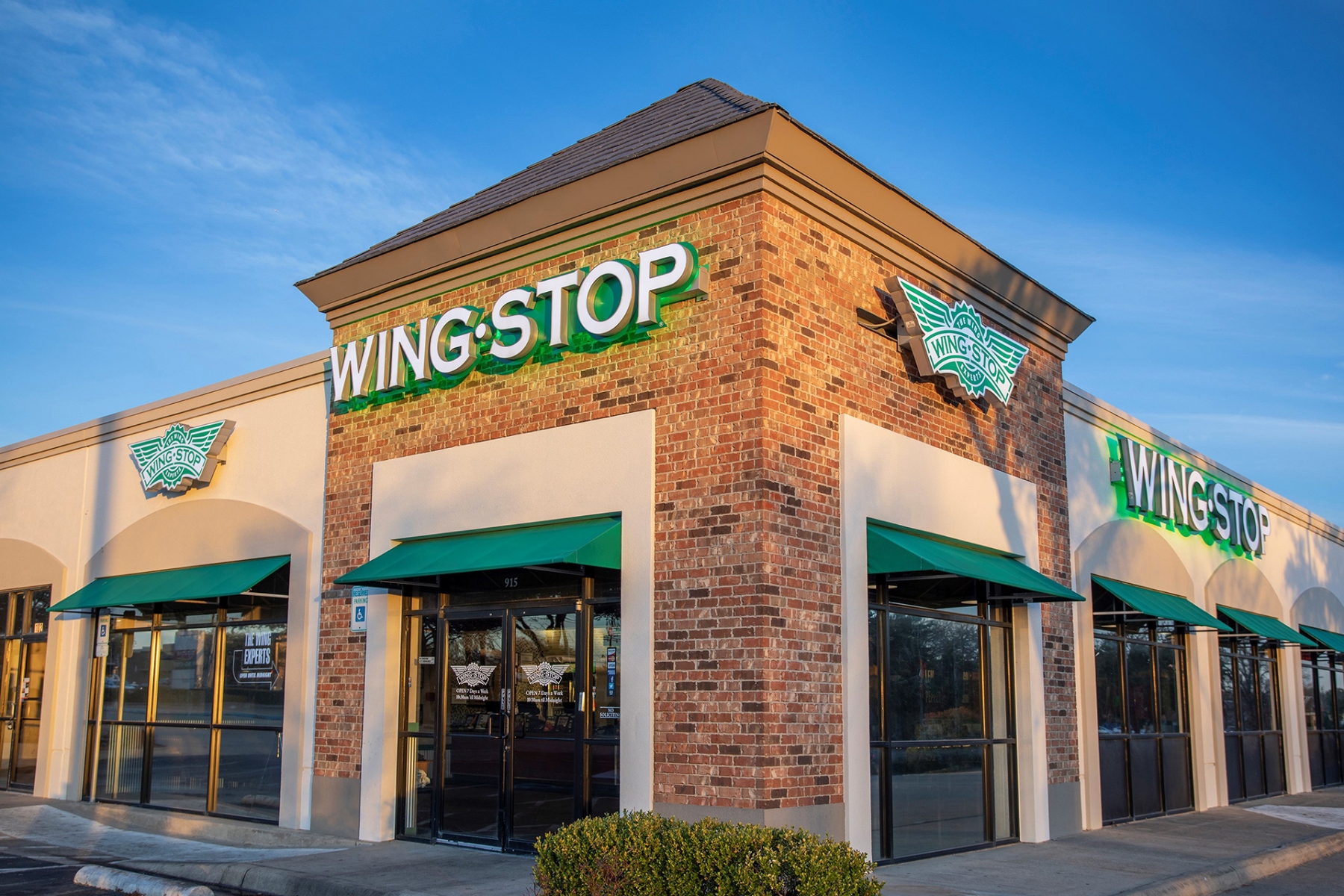
Wingstop turns match weeks into a multi-sensory festival, aligning bold pop-ups with World Cup energy to build brand affinity and measurable momentum.
May 15, 2026
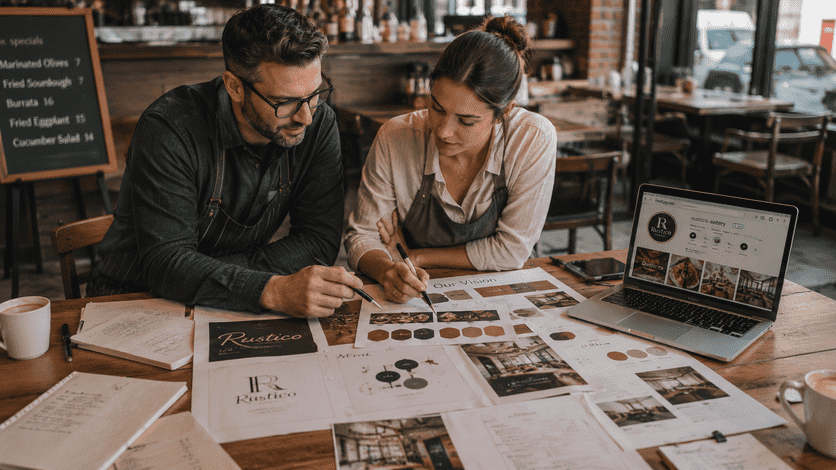
Learn how to develop a memorable restaurant brand identity that stands out in a crowded market, attracts loyal customers, and drives repeat business with actionable strategies and affordable tools.
May 15, 2026
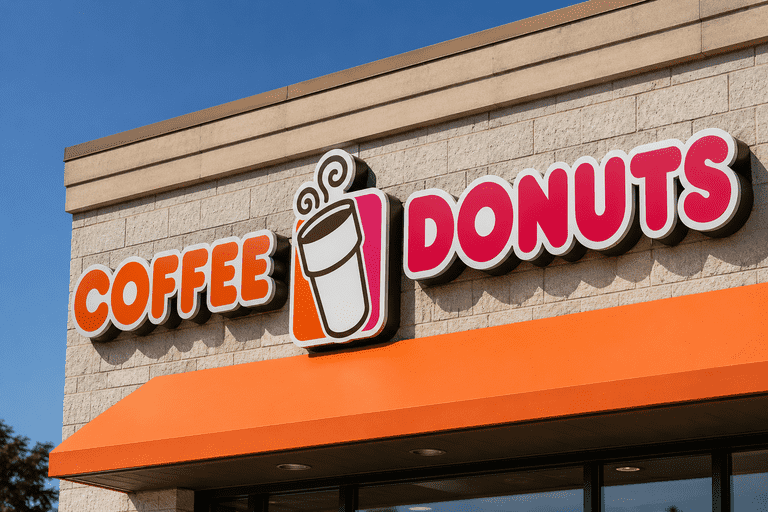
The parent company behind Dunkin', Buffalo Wild Wings, and Arby's has filed for an IPO a move that could reshape how Wall Street views the restaurant sector.
May 15, 2026
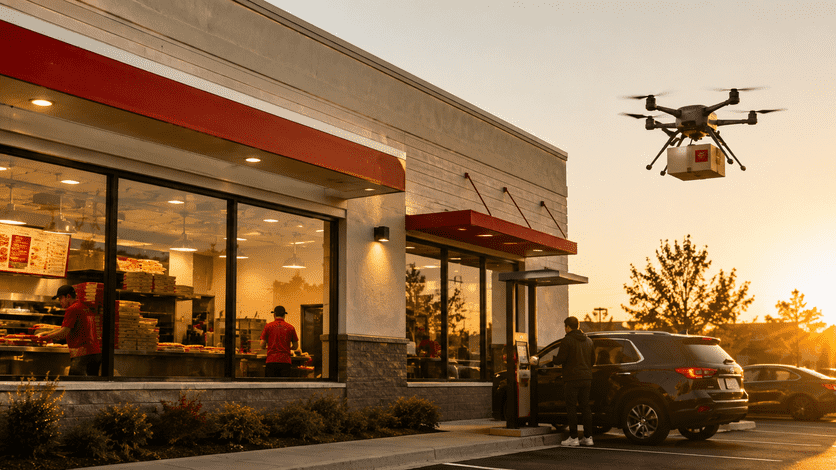
Papa Johns has teamed up with Alphabet's Wing for drone delivery of its new sandwich lineup in parts of Charlotte marking the first partnership of its kind between Wing and a national QSR brand.
May 15, 2026
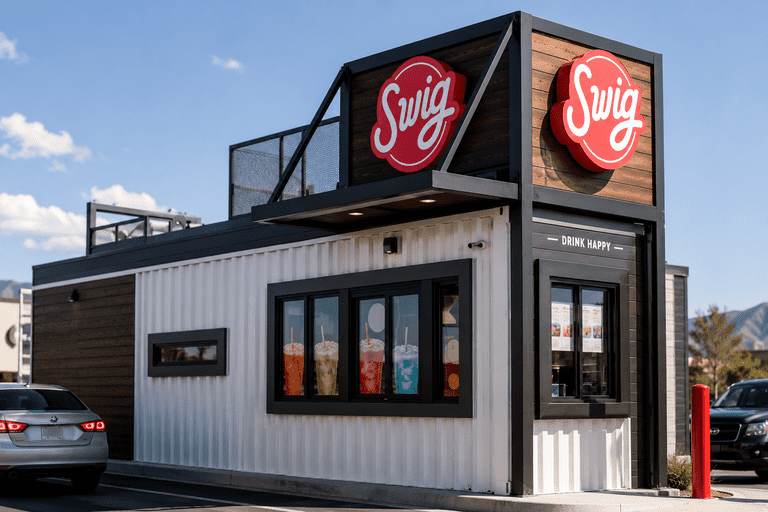
Dirty soda chain Swig is expanding into Colorado through a 10-unit franchise deal, riding a consumer beverage trend that's catching the attention of major QSR players nationwide.
May 15, 2026
A warm, expert-led look at McDonald’s Q1 results, menu makeover, and the refranchise question shaping its growth.
May 14, 2026
A reflective look at Habit Ranch, its immersive desert activation, and what it signals for brand loyalty and mindful, experiential dining.
May 14, 2026

Unlock Exclusive Access To Webinars, Events, And The Latest News For Free!
Ghost pepper-led promotions redefine autumn menus as chains blend heat, storytelling, and seasonal collaborations to drive foot traffic.
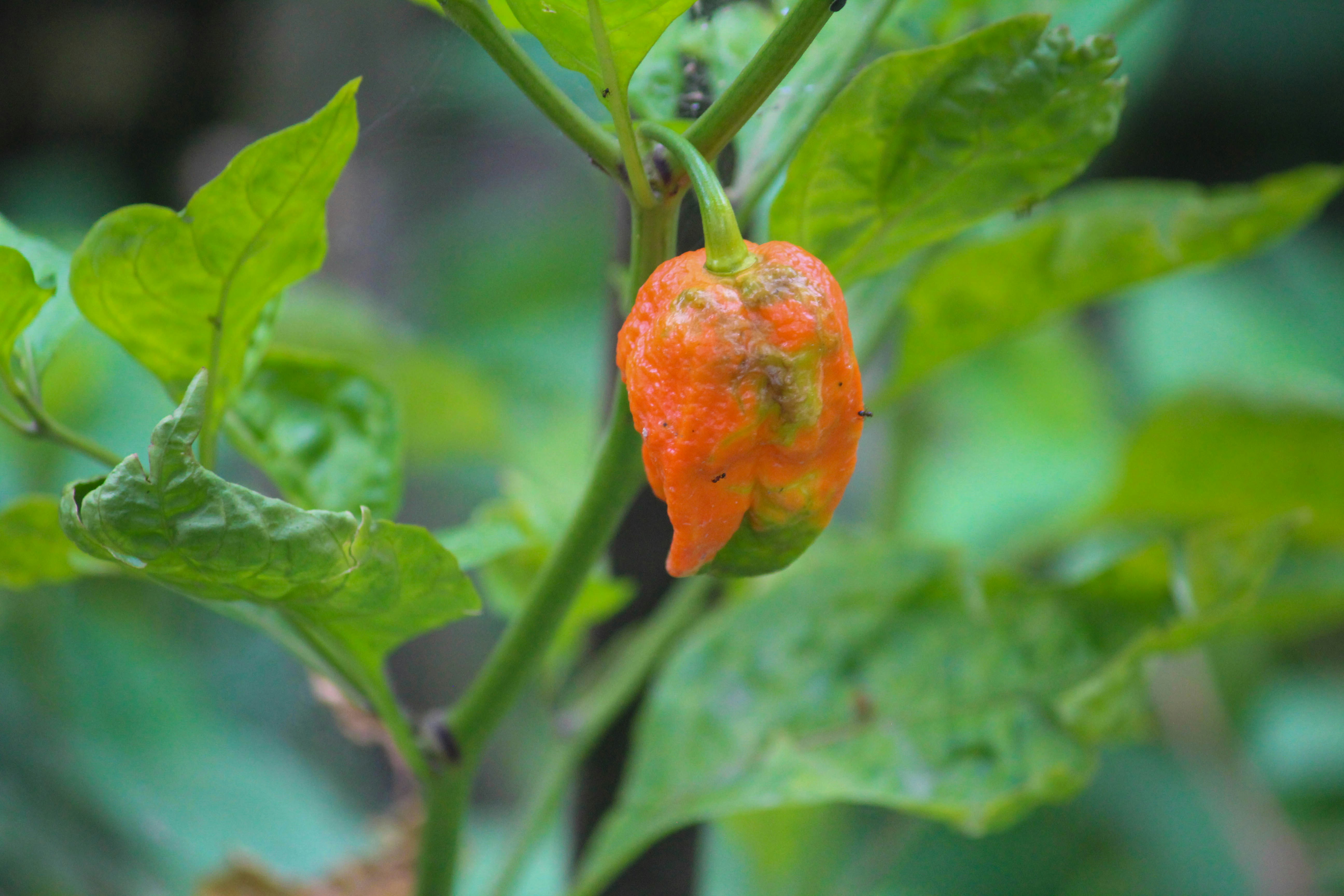
Photo by Moon Bhuyan
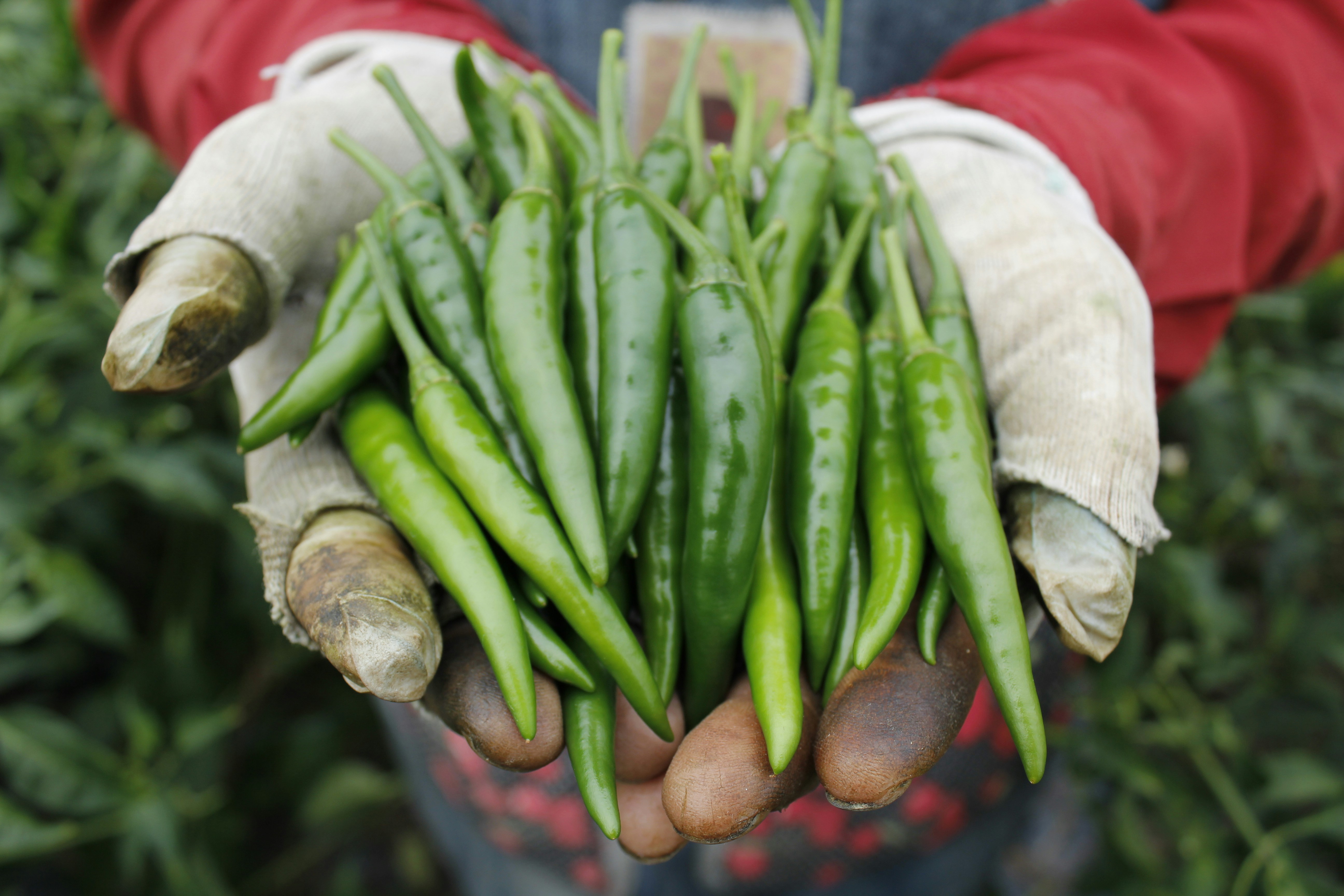
Autumn settles over the dining room like a velvet curtain, and with it arrives a quiet, almost spectral flame: ghost pepper. In kitchens across the country, chefs calibrate heat against restraint, coaxing warmth to pirouette rather than roar. The calendar itself becomes an accomplice, turning Halloween into a seasonal stage where limited-time items become shared experiences. The season’s mood—gothic shadows, candlelight, and a hint of mischief—lends spice a refined theater. In this atmosphere, heat is not merely a taste but a narrative thread that invites conversation, a reason to crowd the reservations and share photos of little red flames. Where does this story begin:
Subway's Ghost Pepper Bread, unveiled as an October 2024 limited-time offering, functions as a heat-enabler that can be layered into any 6-inch or footlong sandwich, expanding both the menu and the consumer’s heat tolerance expectations. The concept gains gravity in the nutrition filings, with a 6-inch Ghost Pepper Bread listed at 240 calories, signaling a substantial choice rather than garnish. In parallel, other brands have played in the same field: Penn Station East Coast Subs offered Ghost Pepper Cheese on select sandwiches during a limited-time window, emphasizing the heat-cheese pairing as a differentiator. Jimmy John’s followed with a Firecracker Wrap featuring ghost pepper cheese and crushed Firecracker Jimmy Chips, illustrating how heat can texture and tell a story across formats.
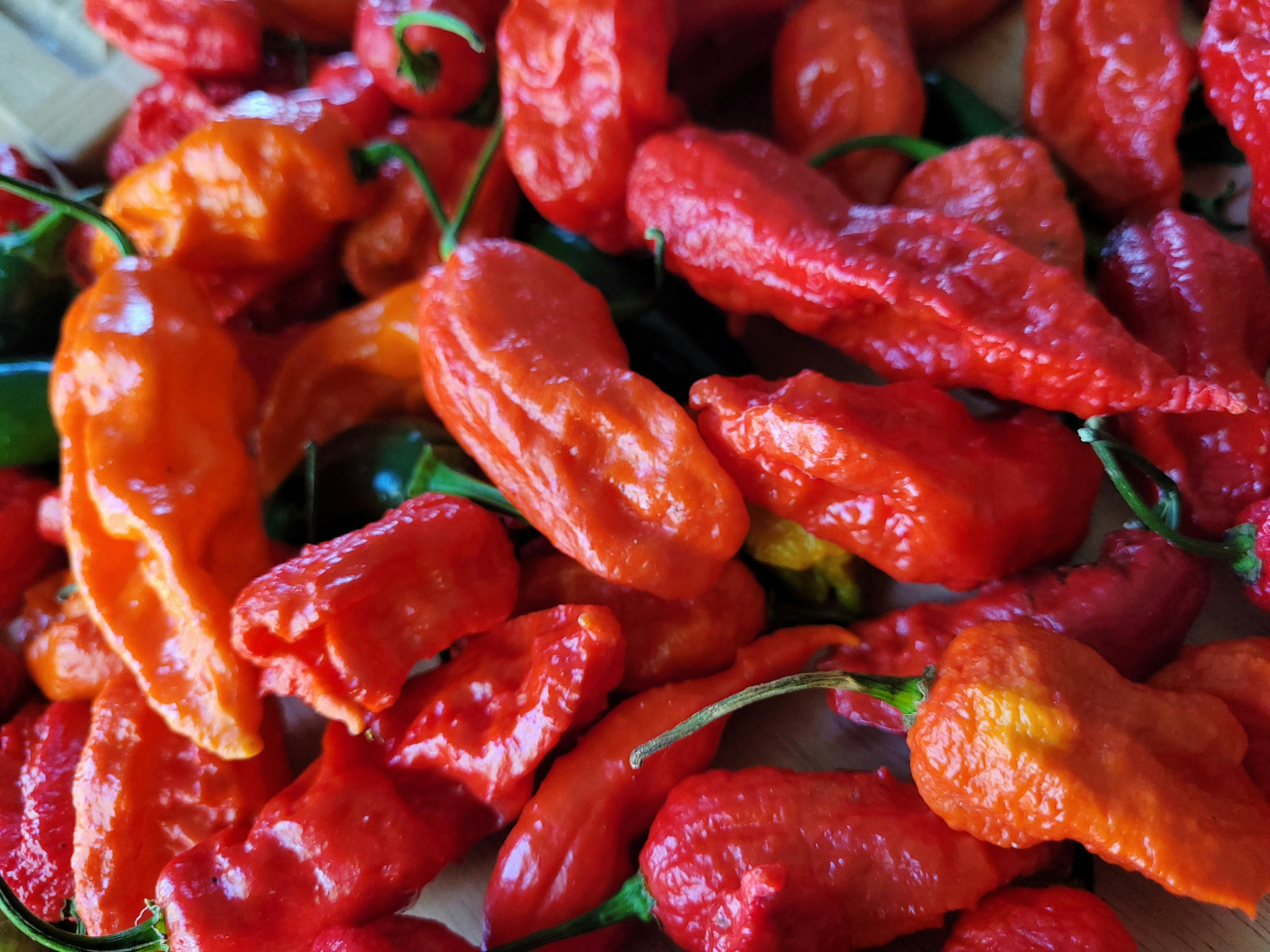
The fall promotional calendar has long been a catalyst for culinary experimentation, and the ghost pepper narrative amplifies that dynamic by pairing culinary risk with seasonal theater. Halloween-themed launches have become near-annual, with chains leaning into the mood to present limited-time items that feel timely and shareable. The lineage of spooky theatrics runs from earlier appearances of a Ghost Pepper Whopper at Burger King—reimagined autumn after autumn—as brands seek to maintain top-of-mind while testing how far heat and pop culture can extend a concept. The industry’s preoccupation is practical as much as playful: what balance of heat, storytelling, and reliability yields lasting impact.
That ambition has yielded a tapestry of cross-format experimentation. Jimmy John’s has shown how heat can travel from a Firecracker Wrap to chips and other textures, while the broader market watches whether spice can sustain attention without compromising quality. The strategic takeaway is simple: novelty must coexist with consistent flavor and dependable supply. When heat arrives with a familiar form, it is easier for guests to try, repeat, and tell a friend.
Mechanics of this season’s heat wave are straightforward in concept yet intricate in execution: limited-time offerings, cross-category integrations, and calendar-driven marketing pushes. Subway's Ghost Pepper Bread, launched as an LTO in October 2024, functions as a heat-enabler that can be layered into any 6-inch or footlong sandwich, expanding both the menu and the consumer’s heat tolerance expectations. Nutrition filings in 2025 confirm the bread’s presence in the chain’s documentation, with a 6-inch variant listed at 240 calories, underscoring its role as a substantial choice rather than garnish. In parallel, chains have experimented with heat-adjacent innovations: Penn Station East Coast Subs offered Ghost Pepper Cheese on select sandwiches, emphasizing the heat-cheese pairing as a differentiator. Other brands—Jimmy John’s introducing a Firecracker Wrap with ghost pepper cheese and crushed Firecracker Jimmy Chips—illustrate how heat can layer texture and narrative across formats.
Beyond sandwiches, the wave reaches quick-service fixtures: Velvet Taco features a recurring WTF Weekly Taco Feature and a related recipe contest—an engagement-led growth tactic that keeps menus lively and customers talking. And in the realm of cross-promotions, SpongeBob SquarePants anniversaries have spurred collaborations such as Brooklyn Dumpling Shop’s Krabby Patty Kollab, a playful tie-in that blends culinary drama with pop culture and social buzz.
Industry voices run warm with cautious enthusiasm. Friendly’s frames its fall push as a marriage of tradition and invention, arguing that seasonal additions and a refreshed breakfast lineup define the brand’s evolution. "As we continue to celebrate 90 sweet years, these seasonal menu additions and our refreshed breakfast lineup represent the tradition and innovation that have defined Friendly’s for generations." said Dawn Petite, president of Friendly’s. The mood among operators is to balance novelty with reliable delivery, ensuring that heat-forward items are not mere spectacles but sustainable parts of the menu. Across the sector, limited-time events and partnerships amplify the moment rather than overshadow it.
Other operators lean into cultural moments with activities that keep fans returning—Velvet Taco's Weekly Taco Feature and its ongoing WTF Recipe Contest are emblematic. The industry’s emphasis on engagement-led growth signals a shift: spice is as much about story as it is about heat. In an era of rapid menu testing, brands chase shareable moments that translate into repeat visits, social chatter, and a sense of belonging around a season’s theme.
The ghost pepper moment sits within a wider ecosystem of seasonal promotions that extend beyond the traditional fall lineup. It embodies a strategic blend of culinary risk-taking, narrative storytelling, and fan-driven engagement. The rapid spread of heat-forward items—from Subway's Ghost Pepper Bread to Penn Station East Coast Subs’s ghost-cheese and from Jimmy John’s Firecracker offerings to Eureka!’s Scary Hot Fries—suggests that spice is a durable differentiator rather than a fleeting gimmick. As the autumn season deepens and the holiday calendar approaches, these menu evolutions will shape competition, brand loyalty, and shoppers’ expectations of heat.
In short, ghost pepper-enabled innovation appears poised to remain a recurrent instrument in the restaurant playbook for the 2026 holiday season and beyond. The trend invites operators to rethink partnerships, suppliers, and recipe development, knowing that heat can carry a brand narrative as surely as a wine note carries a finish. The question is not whether spice will fade, but how deeply it can texture experiences, entice diners, and foster memorable moments when autumn leaves start to fall.