
AI Playbook for Restaurant Owners
This AI playbook covers restaurant tools for voice ordering, staffing, compliance, menu pricing, inventory, marketing, ChatGPT prompts, and SEO.
tech
May 15, 2026
This AI playbook covers restaurant tools for voice ordering, staffing, compliance, menu pricing, inventory, marketing, ChatGPT prompts, and SEO.
May 15, 2026

Opening a coffee shop in 2026 requires careful cost planning across rent, equipment, labor, technology, menu strategy, marketing, and sustainability.
May 15, 2026

Hardee’s giant Boddie-Noell inks 31-unit Scooter’s Coffee deal for NC and VA, leveraging drive-thru growth and local roots with rollout over 12–18 months.
May 15, 2026
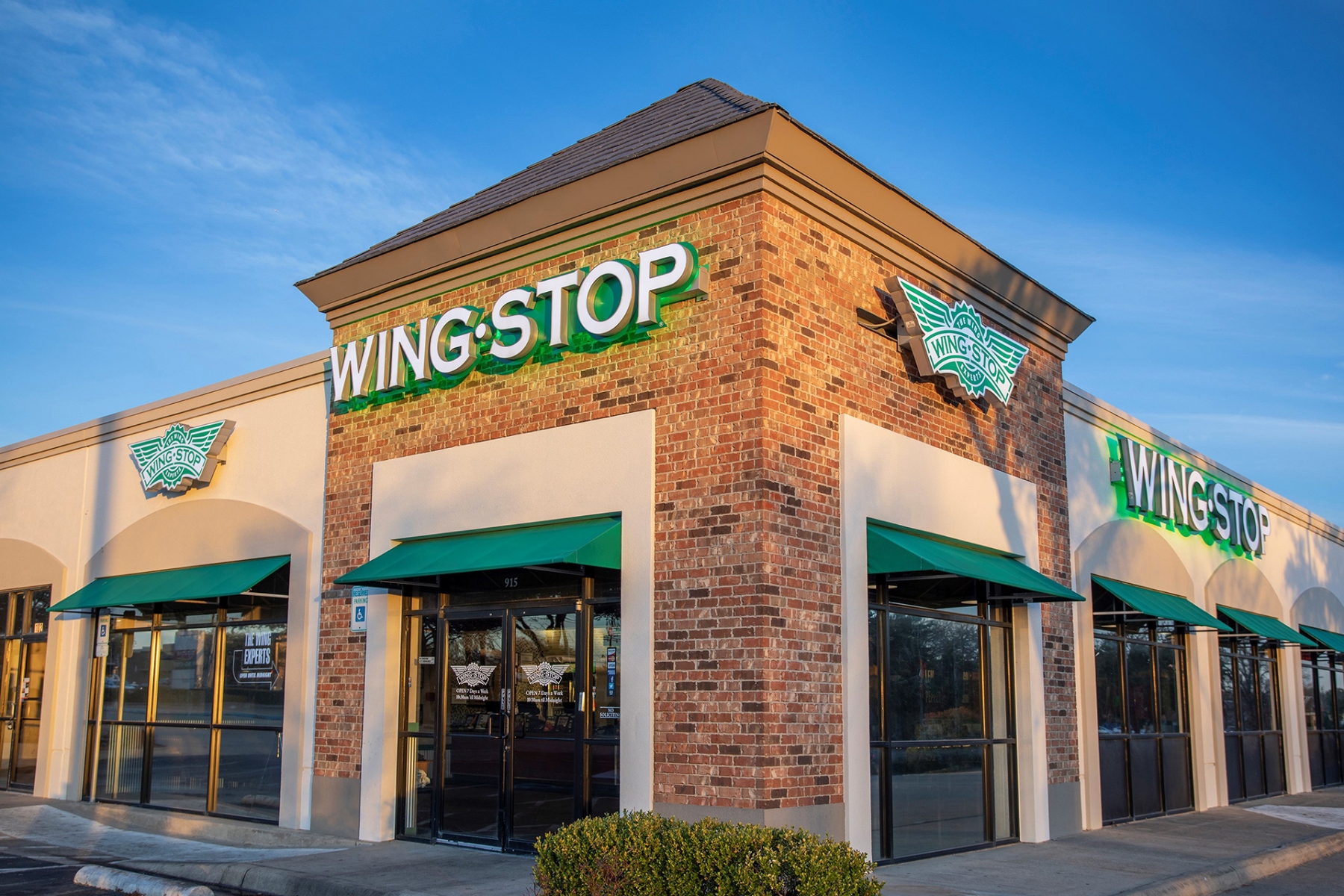
Wingstop turns match weeks into a multi-sensory festival, aligning bold pop-ups with World Cup energy to build brand affinity and measurable momentum.
May 15, 2026

Learn how to develop a memorable restaurant brand identity that stands out in a crowded market, attracts loyal customers, and drives repeat business with actionable strategies and affordable tools.
May 15, 2026
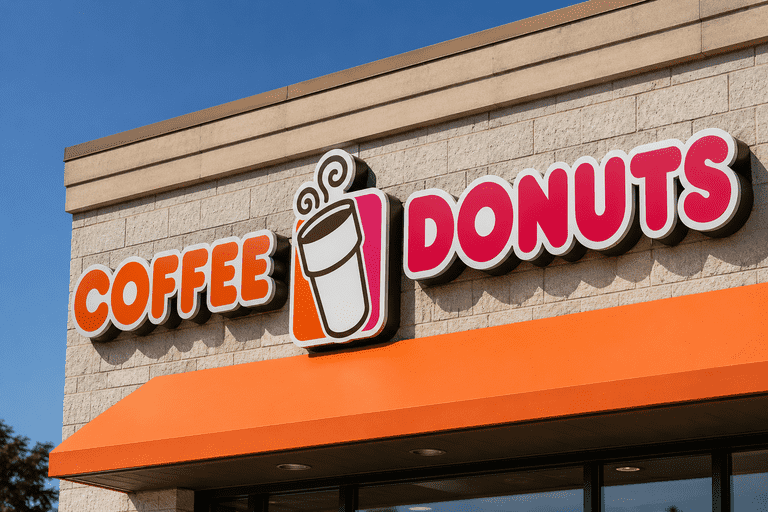
The parent company behind Dunkin', Buffalo Wild Wings, and Arby's has filed for an IPO a move that could reshape how Wall Street views the restaurant sector.
May 15, 2026
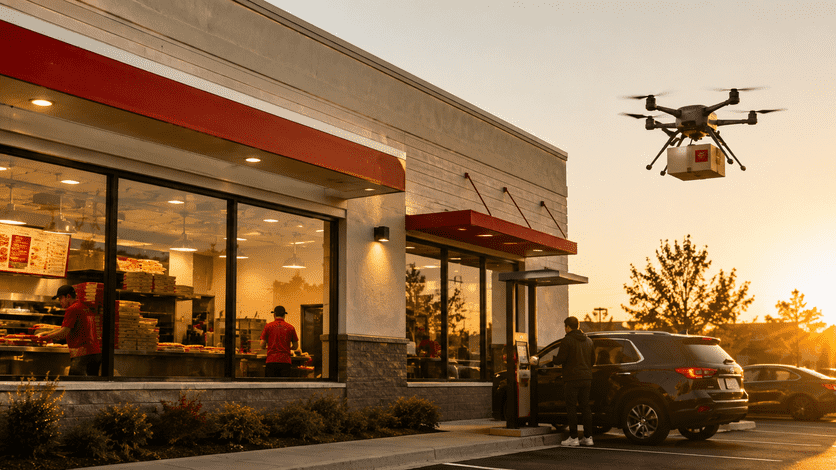
Papa Johns has teamed up with Alphabet's Wing for drone delivery of its new sandwich lineup in parts of Charlotte marking the first partnership of its kind between Wing and a national QSR brand.
May 15, 2026
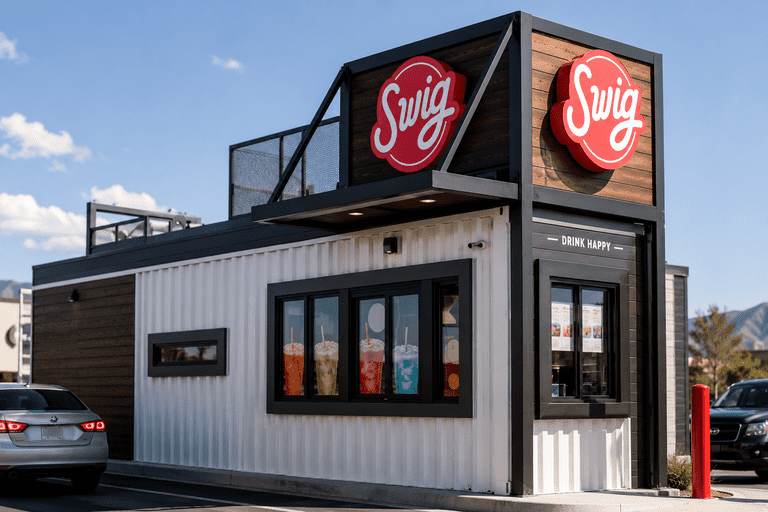
Dirty soda chain Swig is expanding into Colorado through a 10-unit franchise deal, riding a consumer beverage trend that's catching the attention of major QSR players nationwide.
May 15, 2026

A warm, expert-led look at McDonald’s Q1 results, menu makeover, and the refranchise question shaping its growth.
May 14, 2026

A reflective look at Habit Ranch, its immersive desert activation, and what it signals for brand loyalty and mindful, experiential dining.
May 14, 2026

Unlock Exclusive Access To Webinars, Events, And The Latest News For Free!
Explore the recent actions by the FTC to address unfair and deceptive practices in franchising, highlighting the impact on franchisees and the industry.

Photo by Campaign Creators

Photo by Campaign Creators
The Federal Trade Commission (FTC) recently unveiled a series of measures aimed at curbing unfair and deceptive practices within the franchising industry. One significant aspect of this initiative is the mandate that franchisors must disclose all fees upfront to franchisees to prevent the imposition of undisclosed charges. These undisclosed fees, often referred to as 'junk fees,' can significantly impact a franchisee’s profitability and operational efficiency.
Franchisees have long voiced concerns regarding surprise fees such as payment processing, technology fees, training expenses, and property improvement fees. The FTC's crackdown on these undisclosed costs aims to foster transparency and prevent practices that burden franchisees with unexpected financial burdens. Moreover, the FTC emphasized the illegality of contract clauses that inhibit franchisees from reporting potential legal violations, safeguarding their ability to seek recourse without fear of retribution.
The FTC's 'Franchise Issue Spotlight' highlighted several pressing issues raised by franchisees, shedding light on the challenges and vulnerabilities faced within the franchise business model. From unilateral changes to operating manuals to concerns over high fees, royalties, and vendor kickbacks, franchisees expressed a range of grievances that impact their operational viability and financial stability.

Photo by Campaign Creators
Industry experts, such as Keith Miller of Franchisee Advocacy Consulting, welcomed the FTC's actions as a crucial step towards promoting fair franchising practices. Miller underscored the detrimental impact of undisclosed fees on franchisee margins and overall business operations, emphasizing the importance of protecting the primary investors in franchising. Additionally, the International Franchise Association advocated for responsible franchising policies to enhance transparency and clarify obligations in franchise agreements.
While the FTC's crackdown has garnered support from advocates of franchisee rights, some industry leaders, like Matthew Haller of the International Franchise Association, have raised concerns about potential limitations on innovation and growth within the franchising sector. Haller stressed the need for balanced enforcement that supports both franchisees and franchisors, promoting transparency without stifling industry progress. The call for collaboration between regulatory bodies, industry stakeholders, and advocacy groups remains crucial in shaping the future of franchising practices.