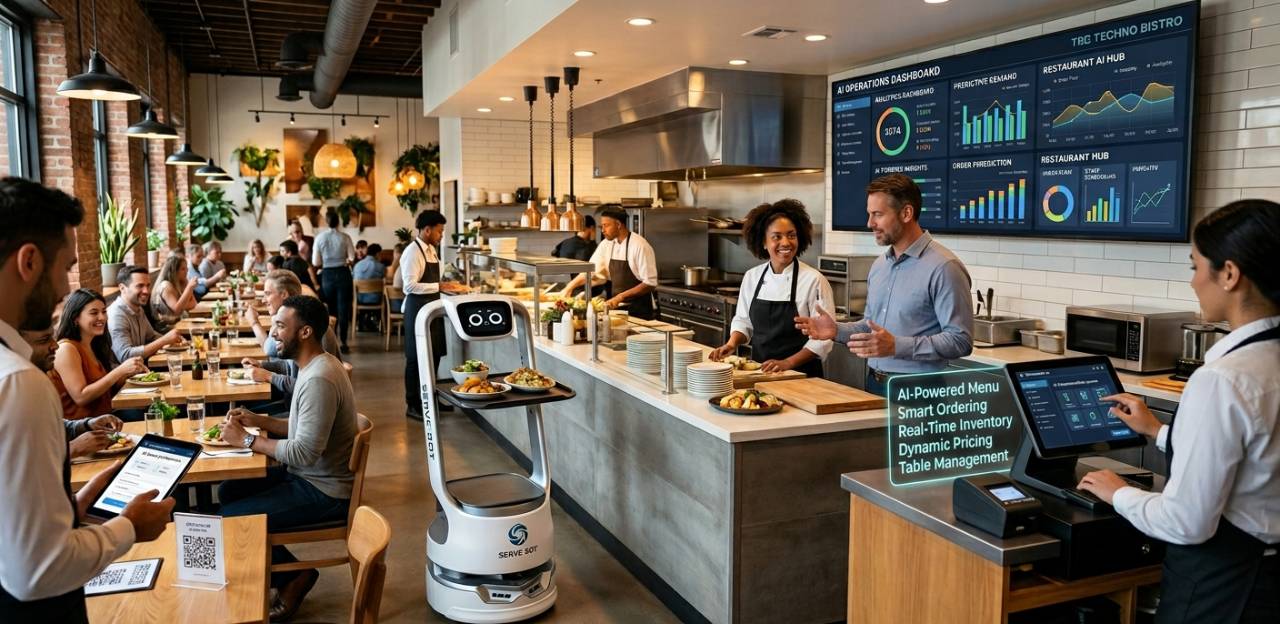
AI Playbook for Restaurant Owners
This AI playbook covers restaurant tools for voice ordering, staffing, compliance, menu pricing, inventory, marketing, ChatGPT prompts, and SEO.
tech
May 15, 2026
This AI playbook covers restaurant tools for voice ordering, staffing, compliance, menu pricing, inventory, marketing, ChatGPT prompts, and SEO.
May 15, 2026
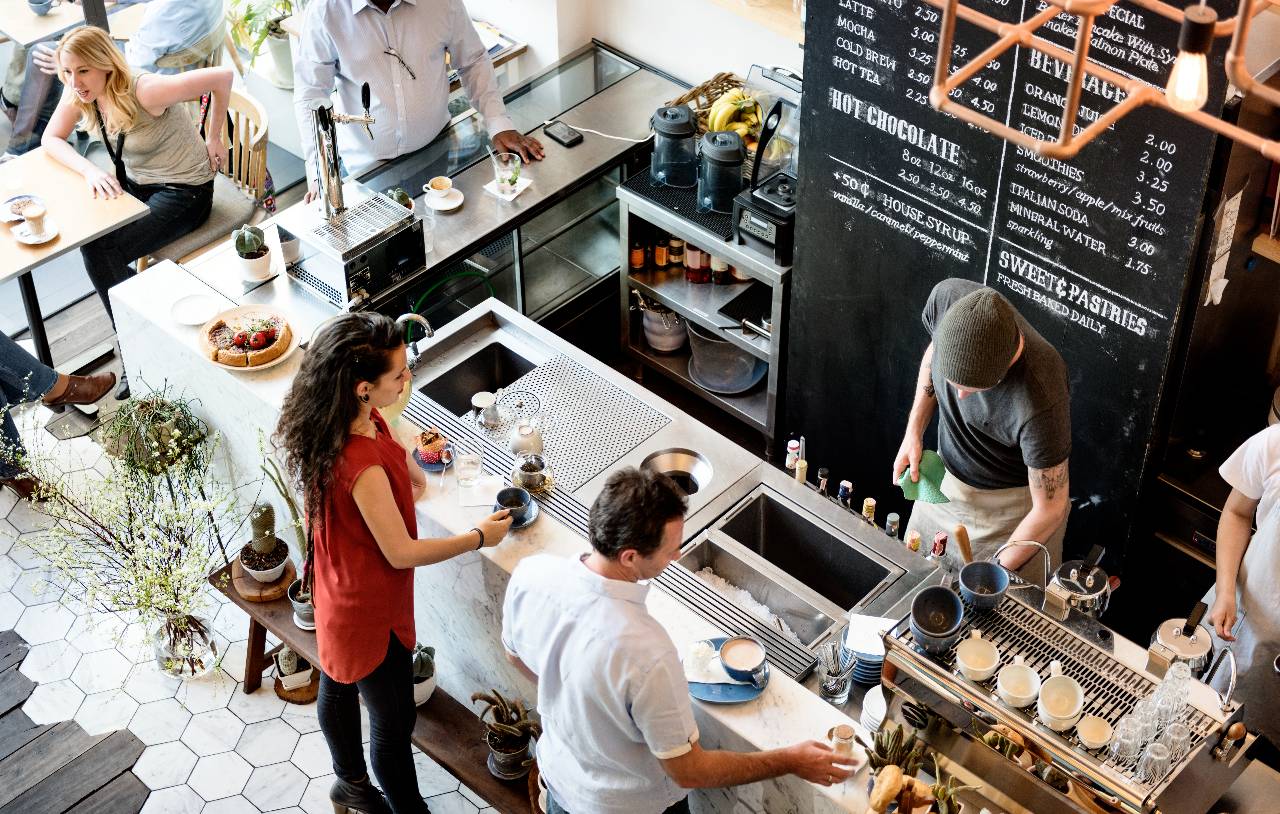
Opening a coffee shop in 2026 requires careful cost planning across rent, equipment, labor, technology, menu strategy, marketing, and sustainability.
May 15, 2026
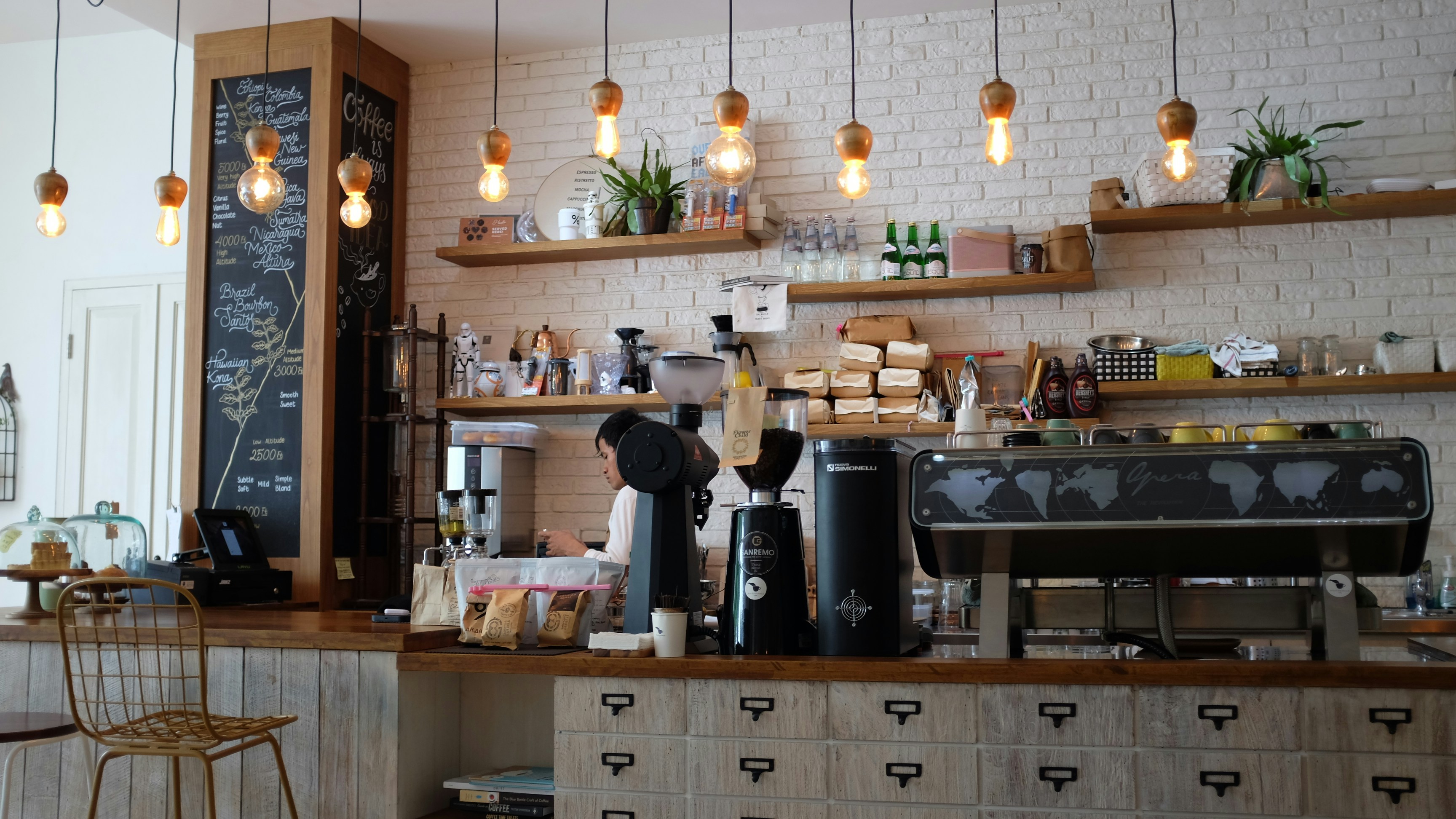
Hardee’s giant Boddie-Noell inks 31-unit Scooter’s Coffee deal for NC and VA, leveraging drive-thru growth and local roots with rollout over 12–18 months.
May 15, 2026
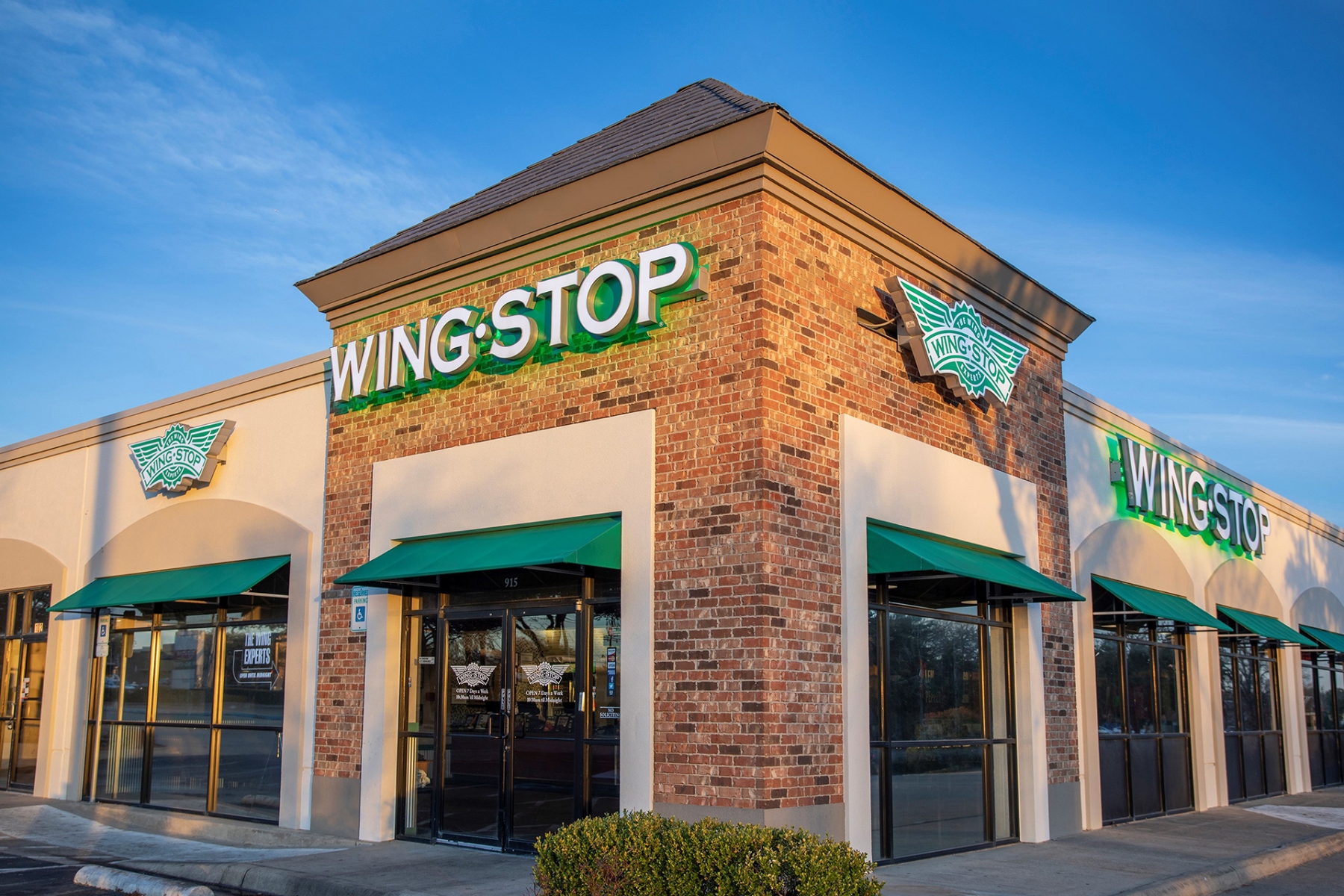
Wingstop turns match weeks into a multi-sensory festival, aligning bold pop-ups with World Cup energy to build brand affinity and measurable momentum.
May 15, 2026

Learn how to develop a memorable restaurant brand identity that stands out in a crowded market, attracts loyal customers, and drives repeat business with actionable strategies and affordable tools.
May 15, 2026
The parent company behind Dunkin', Buffalo Wild Wings, and Arby's has filed for an IPO a move that could reshape how Wall Street views the restaurant sector.
May 15, 2026
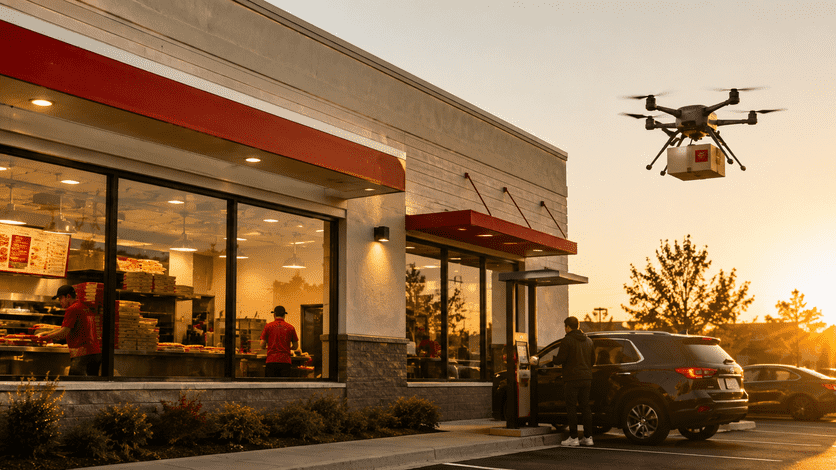
Papa Johns has teamed up with Alphabet's Wing for drone delivery of its new sandwich lineup in parts of Charlotte marking the first partnership of its kind between Wing and a national QSR brand.
May 15, 2026
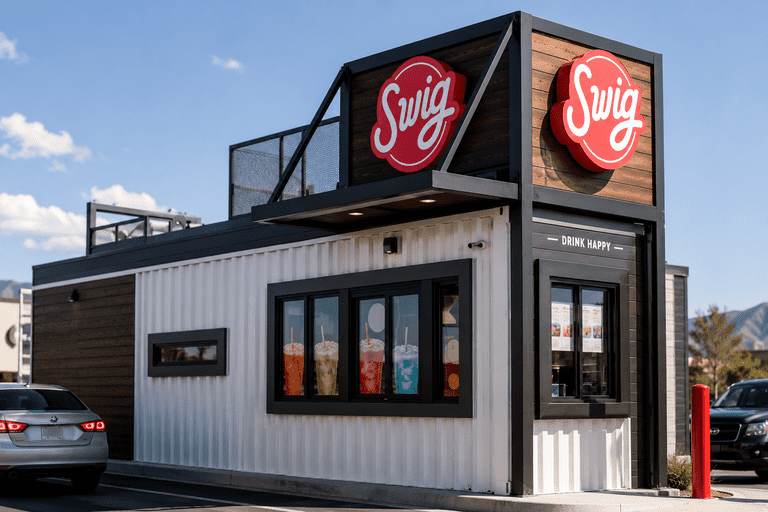
Dirty soda chain Swig is expanding into Colorado through a 10-unit franchise deal, riding a consumer beverage trend that's catching the attention of major QSR players nationwide.
May 15, 2026
A warm, expert-led look at McDonald’s Q1 results, menu makeover, and the refranchise question shaping its growth.
May 14, 2026
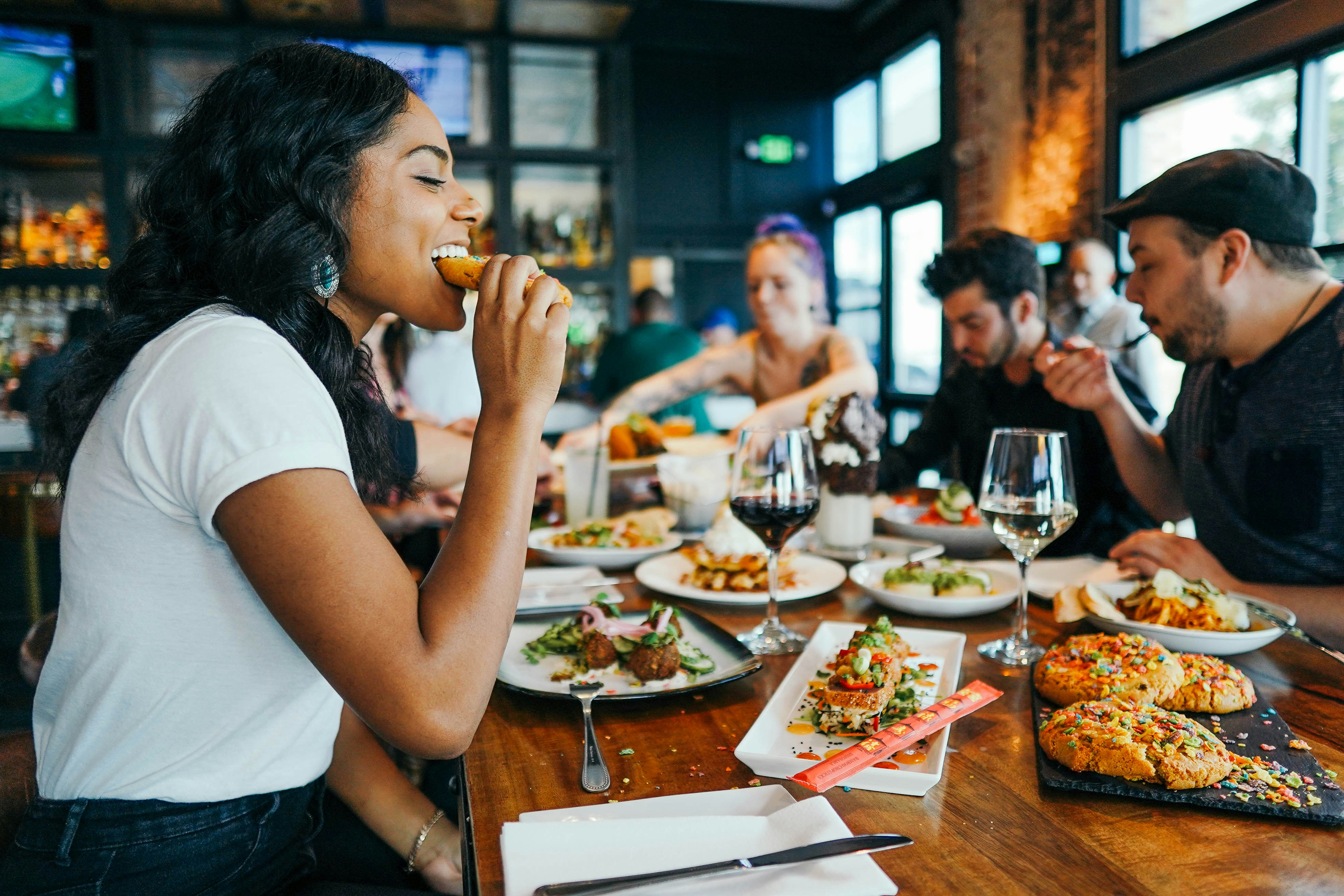
A reflective look at Habit Ranch, its immersive desert activation, and what it signals for brand loyalty and mindful, experiential dining.
May 14, 2026

Unlock Exclusive Access To Webinars, Events, And The Latest News For Free!
Fortress-led plan preserves hundreds of restaurants, trims the footprint, and bets on IT upgrades to guide Red Lobster back to profitability after Chapter 11.
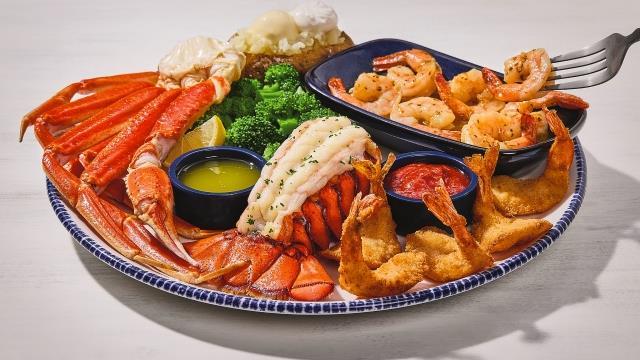
On the quiet edge of a bankruptcy courtroom, a familiar arc of a sign still kept company with diners who remember Sunday dinners and birthday celebrations. Red Lobster faced a pause rather than a collapse, as Fortress stepped in with a plan designed to preserve the brand's footprint: roughly 544 locations would stay open, and tens of thousands of employees would remain on the roster. The moment carried a soft promise of continuity—the leadership handoff would follow as the plan takes hold, with Damola Adamolekun slated to become CEO once the Chapter 11 plan is confirmed. It felt like a careful invitation to linger over what comes next.
That careful invitation gives way to a concrete blueprint.
Under Jonathan Tibus, the restructuring teams describe a three-pronged strategy designed to steady the ship while preserving what remains. First, a simplified menu and a leaner core aimed at operational efficiency and easier guest satisfaction. Second, a sweeping closure program that shuttered nearly 100 restaurants, a decisive move to cut fixed costs and rent exposure. Third, a push on technology—IT upgrades and standardized operating procedures across the remaining units—to turn past misallocations into an asset-light path toward sustainable EBITDA gains. It is a strategy built on footprint rationalization and a sharper brand focus.
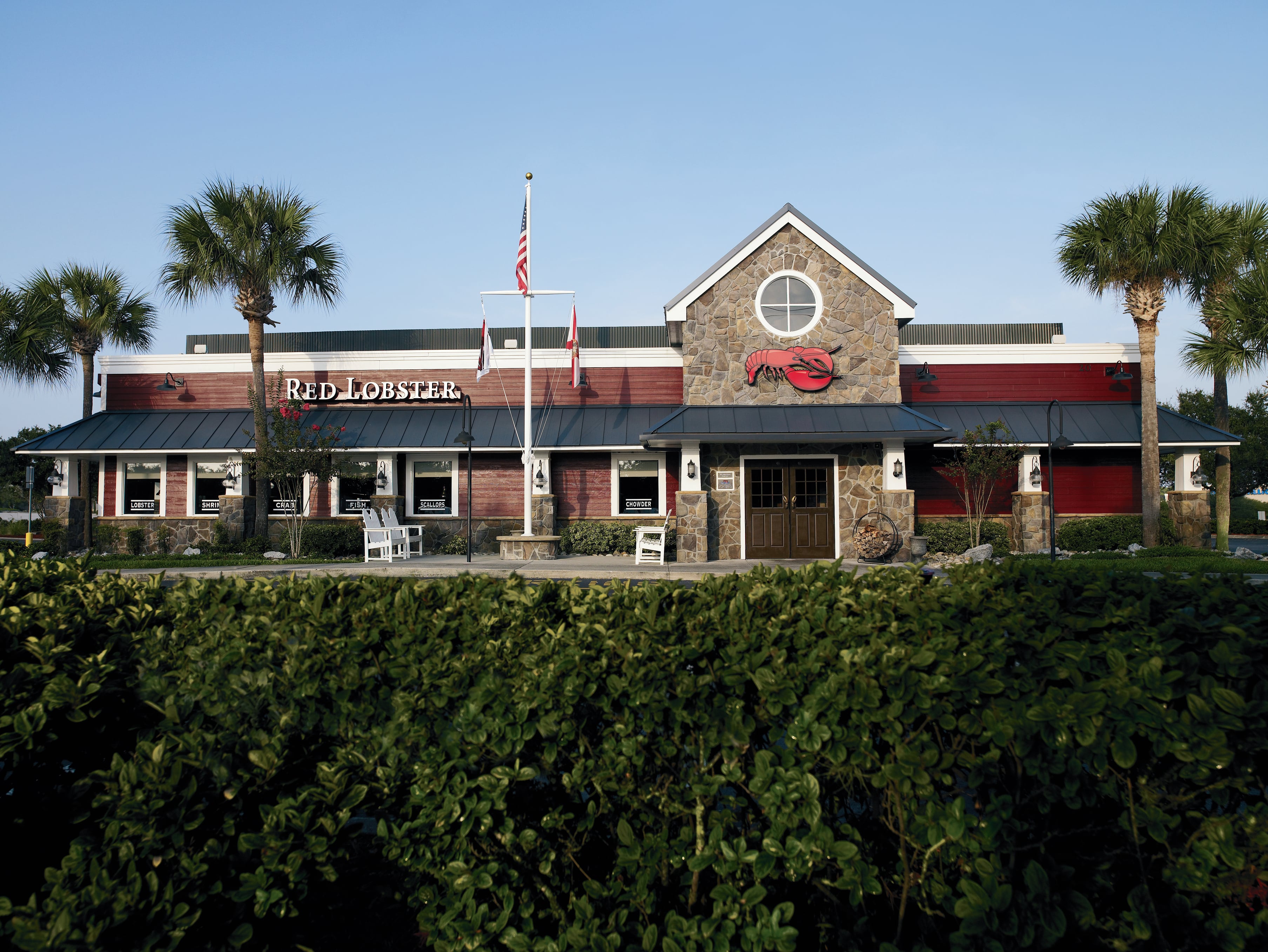
From the boardroom to the dining room, the moment carried a sense of continuity stitched into the plan. Fortress described a carefully choreographed handoff: Damola Adamolekun will become Red Lobster’s chief executive upon court approval, anchored by a group of backers with a history of successful restaurant investments. The announcement positioned the move as a shared mission to reinvigorate the brand, leveraging Fortress’s experience in reviving other U.S. restaurant franchises. Teams across the U.S. and Canada carry a cautious optimism, a mood thick with possibility: “This is a great day for Red Lobster,” Adamolekun declared, signaling a pledge to work with every unit toward a brighter horizon.
Fortress framed the appointment as continuity-forward, underscoring that the plan will be supported by backers with a history of successful restaurant investments. The leadership shift is described as a coordinated effort—an alignment of lender-backed ownership, new leadership, and disciplined operating discipline—that aims to steady the path out of bankruptcy while preserving the brand’s core hospitality promise. Across teams, the message carried a quiet, welcoming confidence: a long table is being set for the work ahead.
The timeline began in May 2024 with a bankruptcy filing that would set the stage for a Fortress-led exit. By September 2024, court approval of the Chapter 11 plan arrived, and the brand’s footprint—roughly 544–545 restaurants across the United States and Canada—was preserved. The post-emergence path is framed as a return to profitability, with the near-term focus on stabilizing operations and a leaner operating model. The story here is less about the numbers alone than about how the balance of legal, financial, and leadership moves converge to reframe a long-standing dining ritual around reliability and value.
Looking ahead, the plan projects a net loss of about $52 million for fiscal 2025, followed by a pro forma net income of about $2.1 million in fiscal 2026. Executives point to an adjusted EBITDA uplift of roughly 43% from 2025 to 2027, contingent on disciplined execution, store rationalization, and IT investments translating into margin gains. The path hinges on a leaner, brand-forward operating model that can translate a difficult past into sustainable growth. Footprint optimization and cost discipline remain central to the forecast.
Red Lobster’s chapter is a portrait of a wider strain in the casual‑dining segment, where inflation and higher occupancy costs pressed on margins. Media coverage underscored the impact of onerous leases and a promotional misstep, while closures and real‑estate considerations shaped the strategy going forward. The episode sits within a broader narrative of restaurant brands recalibrating portfolios, negotiating with lenders, and seeking disciplined, equity‑backed turnarounds to survive in a highly competitive market. In other words, a single case study in a larger reshaping of a restless category.
As with any pro‑forma outlook tied to a restructuring, some numbers remain contingent on execution and macro conditions. The 2025 net loss and 2026 net income hinge on stabilizing the post‑bankruptcy footprint, integrating IT upgrades, and maintaining guest appeal at a lower cost structure. If the plan delivers, Red Lobster could become a high‑water mark for legacy brands navigating private‑equity turnarounds—proof that disciplined footprint optimization, technology investments, and standardized operations can unlock profitability after distress. If not, the narrative becomes a cautionary tale about the fragility of even the best‑designed plans in a shifting dining landscape.