How Much Does It Cost to Open a Coffee Shop in 2026?
Opening a coffee shop in 2026 requires careful cost planning across rent, equipment, labor, technology, menu strategy, marketing, and sustainability.
operations
May 15, 2026
Opening a coffee shop in 2026 requires careful cost planning across rent, equipment, labor, technology, menu strategy, marketing, and sustainability.
May 15, 2026

This AI playbook covers restaurant tools for voice ordering, staffing, compliance, menu pricing, inventory, marketing, ChatGPT prompts, and SEO.
May 15, 2026

Hardee’s giant Boddie-Noell inks 31-unit Scooter’s Coffee deal for NC and VA, leveraging drive-thru growth and local roots with rollout over 12–18 months.
May 15, 2026

Wingstop turns match weeks into a multi-sensory festival, aligning bold pop-ups with World Cup energy to build brand affinity and measurable momentum.
May 15, 2026

The parent company behind Dunkin', Buffalo Wild Wings, and Arby's has filed for an IPO a move that could reshape how Wall Street views the restaurant sector.
May 15, 2026

Learn how to develop a memorable restaurant brand identity that stands out in a crowded market, attracts loyal customers, and drives repeat business with actionable strategies and affordable tools.
May 15, 2026

Dirty soda chain Swig is expanding into Colorado through a 10-unit franchise deal, riding a consumer beverage trend that's catching the attention of major QSR players nationwide.
May 15, 2026

Papa Johns has teamed up with Alphabet's Wing for drone delivery of its new sandwich lineup in parts of Charlotte marking the first partnership of its kind between Wing and a national QSR brand.
May 15, 2026

A warm, expert-led look at McDonald’s Q1 results, menu makeover, and the refranchise question shaping its growth.
May 14, 2026

A reflective look at Habit Ranch, its immersive desert activation, and what it signals for brand loyalty and mindful, experiential dining.
May 14, 2026

Unlock Exclusive Access To Webinars, Events, And The Latest News For Free!
Fortress-backed restructuring changes ownership dynamics, landlord negotiations, and footprint, as Red Lobster seeks a creditor-led exit from Chapter 11.
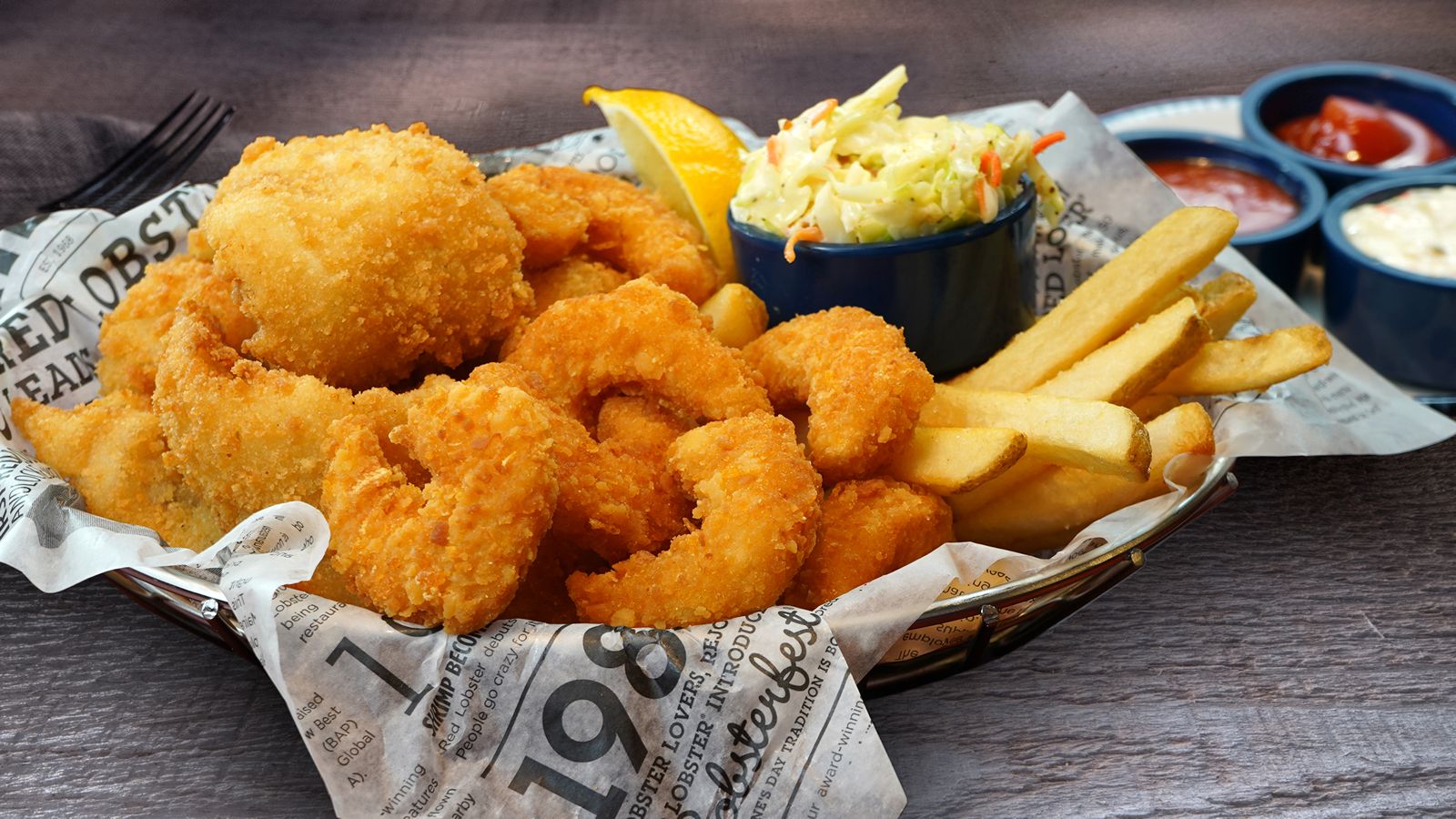
Red Lobster has begun a careful, balanced transition as it moves through Chapter 11. The story is not only about debt or assets, but about stewarding a beloved brand while acknowledging the pressures of a heavy real estate footprint. This restructuring reads like a thoughtful exercise in nourishment for the business, its employees, and the communities it serves. The goal is to convert financial obligations into a durable, purpose-led platform—keeping the Cheddar Bay spirit present even as plans recalibrate for a leaner future: can the company preserve its essence while retooling its footprint and governance?
The core move centers on the $376 million stalking horse bid, a credit bid that lets lenders apply the value of their claims to the acquisition price rather than injecting new cash. Fortress Investment Group sits at the center as the administrative agent and the chain’s largest creditor, shaping how ownership could pass to a Fortress-controlled unit—RL Purchaser LLC—through an equity transfer. In practical terms, prepetition and DIP debts would be settled by converting those obligations into equity, preserving value while reconstituting operations. This is a reminder that, in distressed restaurant assets, leverage and governance rights can be as decisive as cash offers.
The narrative here is not about a dramatic liquidation but about a deliberate, thoughtful realignment. Leverage is being used to preserve a platform that remains familiar to diners, while the architecture of the deal—credit bid, equity transfer, and targeted liability assumption—points toward a reconstituted operating model rather than a quick cash-out. As the process unfolds, the broader question becomes: how will landlords, lenders, and leadership harmonize to sustain a brand with a storied, sustainable footprint?
Media coverage at the outset framed the bid as a creditor-forward, equity-restoration path. The stalking horse bid positions Fortress and its co-lenders to take ownership through an equity transfer rather than a cash sale, prioritizing value preservation over immediate liquidity. This structure aligns with the chain’s goal to maintain its footprint, even if the path includes closures or a realigned portfolio. In practice, creditors would settle prepetition and DIP claims by converting them into ownership, a move that reshapes the balance of power in the restructuring while keeping stores operational under new stewardship.
The liability assumption and the exclusion of certain cash assets reflect a careful tailoring of the deal to creditor priorities. The bid is anchored in the reality that Fortress and its affiliates aim to manage and operate the business going forward, not merely collect repayments. This kind of arrangement—credible only when viewed through the lens of governance and leverage—foreshadows how post-bankruptcy leadership might unfold, with value traced to the stability of leases and the competence of operating leadership.
When industry observers describe a fortress-backed equity transition, they are noting a broader pattern in distressed hospitality assets: control can pivot on governance rights as much as on cash outcomes. The structure signals a pathway through which a real estate–heavy brand might emerge leaner, more disciplined, and ready to adapt to post-pandemic demand with a clarified strategy and a committed ownership base.
Landlords quickly asserted a principal role in the restructuring’s tempo. The proceedings show that a successful exit depends on robust assurances about the future owner’s ability to fund ongoing obligations. In particular, Shorenstein Properties objected to a proposed zero-dollar payment for a property in Tigard, citing more than $20,000 owed and signaling that lease terms must be tightened before any transition. The tension mirrors a larger pattern in distressed restructurings: lenders want credible guarantees and, frequently, rent relief or alternative terms rather than a pure equity swap. Meanwhile, Red Lobster had already shuttered 95 locations and warned that up to 120 more could close if the lease framework could not be improved.
This landlord pushback is not a sideshow but a core determinant of timing. If lease terms can be renegotiated to deliver a stable, predictable cost base, the plan can proceed with a controlled footprint rather than a broad retrenchment. The courtroom drama becomes a real-world test of whether a brand can re-enter with confidence and a lease portfolio that reflects current demand.
The practical lesson is simple: renewal hinges on mutual assurances. Without landlord cooperation and transparent guarantees, the path to an orderly exit could stall, store-by-store. Yet with constructive leases and a disciplined cost base, the brand could weather the chapter with its diners and employees intact, ready for a reentry that aligns with mindful, steady growth.
Industry context places Red Lobster within a broader pattern of distressed asset playbooks. Fortress Investment Group’s involvement mirrors its leadership with SPB Hospitality affiliates and other restaurant restructurings, where creditors convert debt to equity to salvage value when cash buyers are scarce. The May 2024 filing to the late-2024 Fortress-led exit traces a clear arc: leverage and governance rights can shape outcomes almost as much as any auction price. The result is a leaner footprint and a reorganized balance sheet that aims to re-enter the market with a sustainable stance.
The case sits within a broader industry trajectory—from creditors orchestrating equity transitions to real estate–first considerations that determine the pace of store closures and reopenings. In this frame, Fortress’s involvement is less about a single sale and more about a governance-led exit that aligns with a disciplined, value-preserving approach to reviving a brand within a challenging market.
The public reporting underscores a pattern: creditor-led restructurings can recalibrate how brands scale, renegotiate leases, and re-enter the casual-dining landscape with a more sustainable cost base. The takeaway for practitioners and diners alike is a reminder that stewardship—of food, people, and places—begins well before a plate arrives, and it hinges on thoughtful governance and a balanced, nourishing strategy.
Implications for casual dining reach beyond a single brand. If Fortress and its co-investors complete the exit, the company could retain a substantial U.S. and Canadian footprint and pursue growth under new leadership. The public record, including Bloomberg coverage, describes a post-restructure entity that leaves Chapter 11 behind with hundreds of restaurants and tens of thousands of employees. The lesson for the industry is that creditor-led restructurings can redefine norms—real estate optimization, lease renegotiation, and a measured pace of re-entry become the levers of durable value.
From a mindful dining perspective, the outcome is not merely a balance sheet exercise. A blueprint that preserves scale while refining costs sets the stage for stable employment, consistent sourcing, and a revitalized guest experience. The narrative also nods to sustainability: a leaner footprint can align with thoughtful procurement and longer-term resilience, ensuring that communities continue to enjoy a brand that feels balanced, nourishing, and responsible.
The path ahead remains contingent on careful execution, landlord cooperation, and the ability to translate debt-for-equity into lasting value for employees and guests. In this moment, the industry watches not just for a closing price but for a model—one that demonstrates that a beloved, real estate–intense concept can reemerge with intention, balance, and a renewed sense of nourishment.