AI Playbook for Restaurant Owners
This AI playbook covers restaurant tools for voice ordering, staffing, compliance, menu pricing, inventory, marketing, ChatGPT prompts, and SEO.
tech
May 15, 2026
This AI playbook covers restaurant tools for voice ordering, staffing, compliance, menu pricing, inventory, marketing, ChatGPT prompts, and SEO.
May 15, 2026

Opening a coffee shop in 2026 requires careful cost planning across rent, equipment, labor, technology, menu strategy, marketing, and sustainability.
May 15, 2026

Hardee’s giant Boddie-Noell inks 31-unit Scooter’s Coffee deal for NC and VA, leveraging drive-thru growth and local roots with rollout over 12–18 months.
May 15, 2026

Wingstop turns match weeks into a multi-sensory festival, aligning bold pop-ups with World Cup energy to build brand affinity and measurable momentum.
May 15, 2026

Learn how to develop a memorable restaurant brand identity that stands out in a crowded market, attracts loyal customers, and drives repeat business with actionable strategies and affordable tools.
May 15, 2026

The parent company behind Dunkin', Buffalo Wild Wings, and Arby's has filed for an IPO a move that could reshape how Wall Street views the restaurant sector.
May 15, 2026

Papa Johns has teamed up with Alphabet's Wing for drone delivery of its new sandwich lineup in parts of Charlotte marking the first partnership of its kind between Wing and a national QSR brand.
May 15, 2026

Dirty soda chain Swig is expanding into Colorado through a 10-unit franchise deal, riding a consumer beverage trend that's catching the attention of major QSR players nationwide.
May 15, 2026

A warm, expert-led look at McDonald’s Q1 results, menu makeover, and the refranchise question shaping its growth.
May 14, 2026

A reflective look at Habit Ranch, its immersive desert activation, and what it signals for brand loyalty and mindful, experiential dining.
May 14, 2026

Unlock Exclusive Access To Webinars, Events, And The Latest News For Free!
A creditor-led restructuring reshapes Red Lobster under Fortress, shrinking the footprint and retooling operations for sustainable growth.
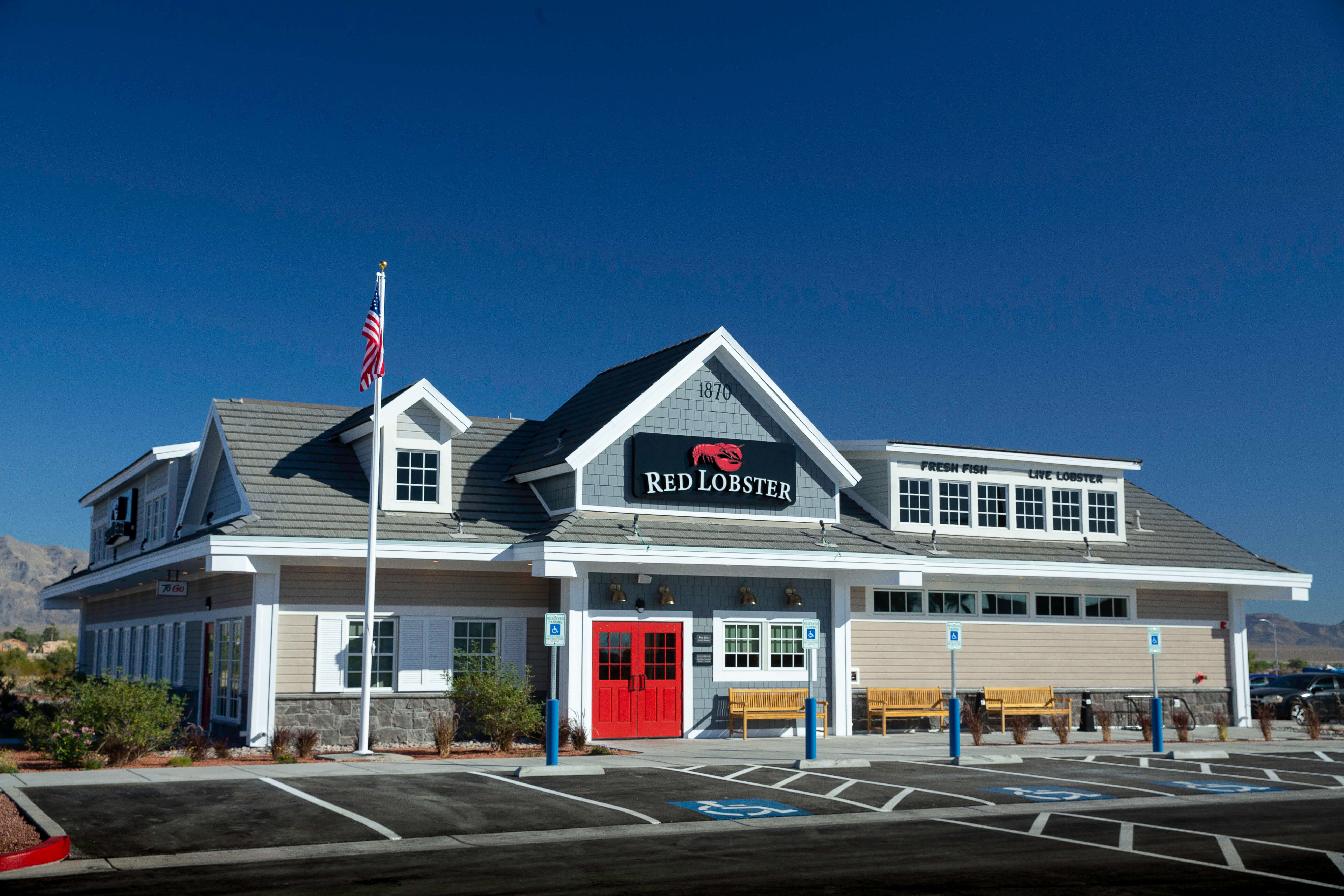
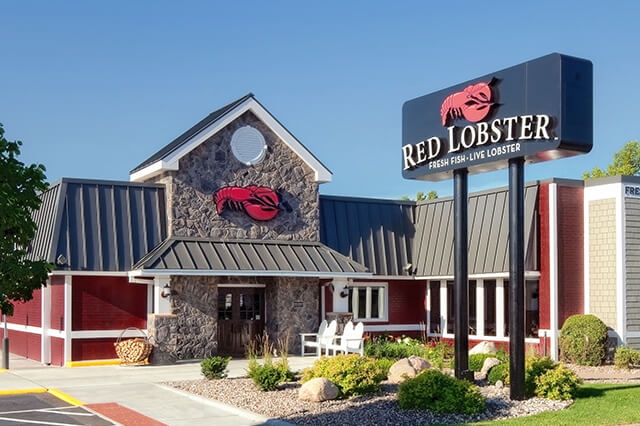
Red Lobster's decline culminated in a May 2024 Chapter 11 filing that thrust a once-iconic casual-dining brand into creditor-driven restructuring. The Orlando-based chain faced years of slipping sales, rising costs, and a string of operational missteps that threatened to erode market position. A focal point was the 'Ultimate Endless Shrimp' promotion, a marketing gambit that backfired and reportedly cost the company millions, underscoring how promotional missteps can amplify fragile economics. At the outset, the chain operated roughly 600 restaurants, and the restructuring aimed to shrink the footprint, stabilize operations, preserve jobs, and rebuild guest appeal. The plan signaled a departure from traditional private-equity-led turnarounds toward lender-driven control.
Path to Lender Control The filing described a shift away from a private-equity mindset toward a debt-for-control dynamic steered by its lenders. A stalking-horse sale was contemplated, with RL Purchaser LLC emerging as the sole qualified bidder by the July deadline, effectively narrowing the auction to a creditor-led path. The proposed consideration was described as around $375 million, representing debt exchanged for ownership. The exit would operate under Fortress Investment Group's umbrella, with RL Purchaser formed by Fortress and its affiliates. The arrangement linked Red Lobster to SPB Hospitality, Fortress’s multi-brand platform, signaling a portfolio-wide approach rather than a standalone reboot. The operational aim: stabilize solvency while re-establishing guest trust and a tighter unit-economics playbook.
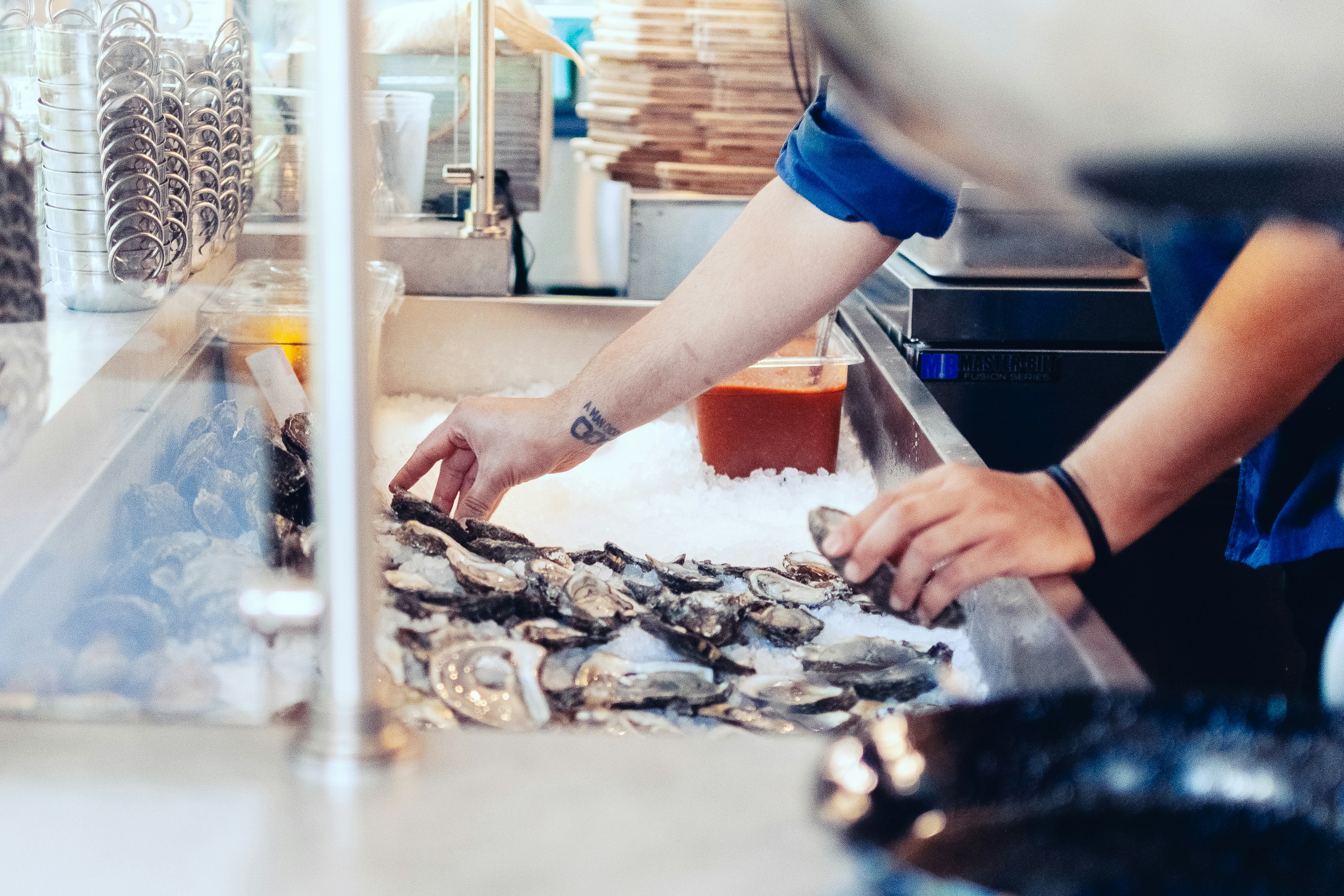
Two decades of headwinds left Red Lobster exposed to a changing restaurant landscape: rising rents, higher labor costs, and intensifying competition from faster, lower-cost formats. In 2016, Thai Union Group became a stakeholder in Red Lobster, elevating the role of a major seafood supplier in the chain’s fortunes and tying parts of the supply chain to that relationship. A 2014 private-equity transaction preceded a revolving door of top leadership, a dynamic that commentators say can hamper long-range execution. In the months leading to the filing, the company closed underperforming stores and reassessed lease costs amid softer demand. The mix of a costly misstep and supply-chain frictions created a backdrop for a center-staged reset.
Converging Pressures Promotional missteps, like the Endless Shrimp miscalculation, collided with a slow path to modernization. Supply-chain frictions with Thai Union and a broader push to trim the footprint magnified losses as demand softened. Store closures intensified the real-estate review, forcing a tighter footprint while attempting to preserve core markets. The era reads as strategic drift where growth outpaced execution, culminating in a Chapter 11 filing that sought to reset with a disciplined, cash-conscious playbook that prioritizes guest experience and reliable unit economics.
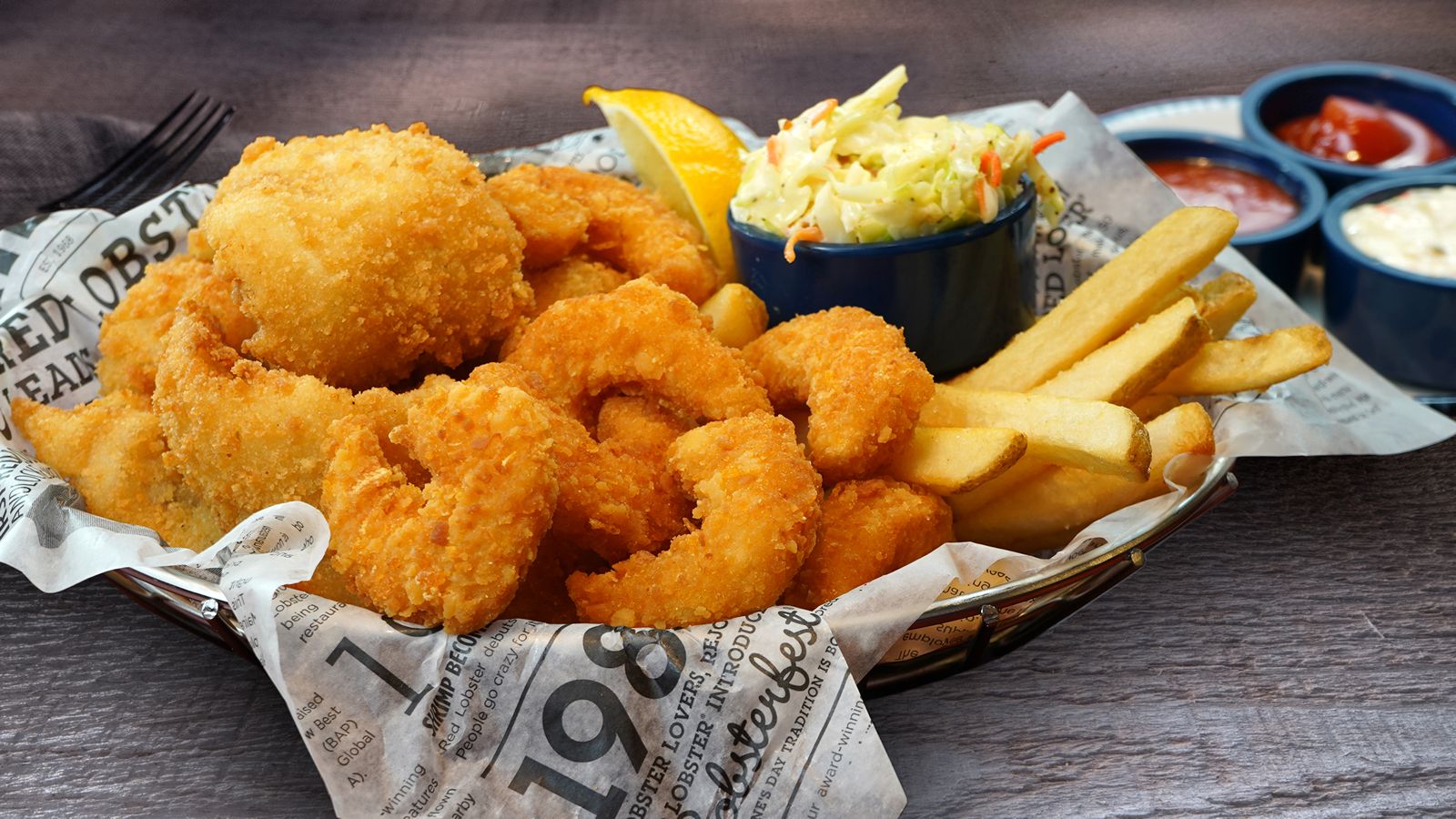
The mechanics of Red Lobster’s Chapter 11 revolved around a stalking-horse sale and a debt-for-equity outcome that would place ownership in creditors’ hands. RL Purchaser LLC emerged as the sole qualified bidder by the July deadline, prompting the cancellation of a broader auction and signaling that the sale would proceed through a creditor-led plan rather than a competitive process. The proposed consideration was described as around $375 million, a valuation that reflected debt being exchanged for control. The plan secured a path to emerge from bankruptcy under Fortress's umbrella, with RL Purchaser formed and controlled by Fortress and its affiliates. The linkage to SPB Hospitality demonstrated Fortress’s appetite for operating platforms beyond Red Lobster.
A Portfolio Savvy Exit In practice, the deal ties Red Lobster’s fate to Fortress’s broader platform: SPB Hospitality operates multiple brands, providing both resources and constraint. The plan framed lenders as not just creditors but stewards of the next phase, shaping governance and strategic direction for the reorganized brand. Fortress’s central role suggests a cross-brand calibration approach rather than a standalone carve-out. The outcome aimed to preserve core value, optimize the footprint, and lay groundwork for a disciplined growth engine grounded in cash flow discipline and clear cost control.
Then-CEO Jonathan Tibus framed the restructuring as a necessary step to stabilize the business and preserve value for employees and guests. In the filing and public statements, Tibus described the plan as a mechanism to address both the immediate financial imbalances and the longer-term operational gaps that had accumulated over years of strategic drift. The leadership transition—bringing in restructuring expertise to steer through Chapter 11—was presented as essential to achieving a return to growth with a clearer focus on guest experience and unit economics. Fortress moved to place leadership in position to guide Red Lobster through the exit, signaling a disciplined, cost-aware growth trajectory.
Leadership Transformation Fortress appointed Damola Adamolekun as CEO of RL Investor Holdings LLC, with expectations he would assume the top role at Red Lobster after court approval. The move aligned operational leadership with the creditors’ plan, ensuring a disciplined, cost-conscious path forward. In practice, the transition aimed to stabilize kitchen operations, strengthen the supply chain, and accelerate execution on a restart designed to improve guest experience and unit economics across the franchise network.
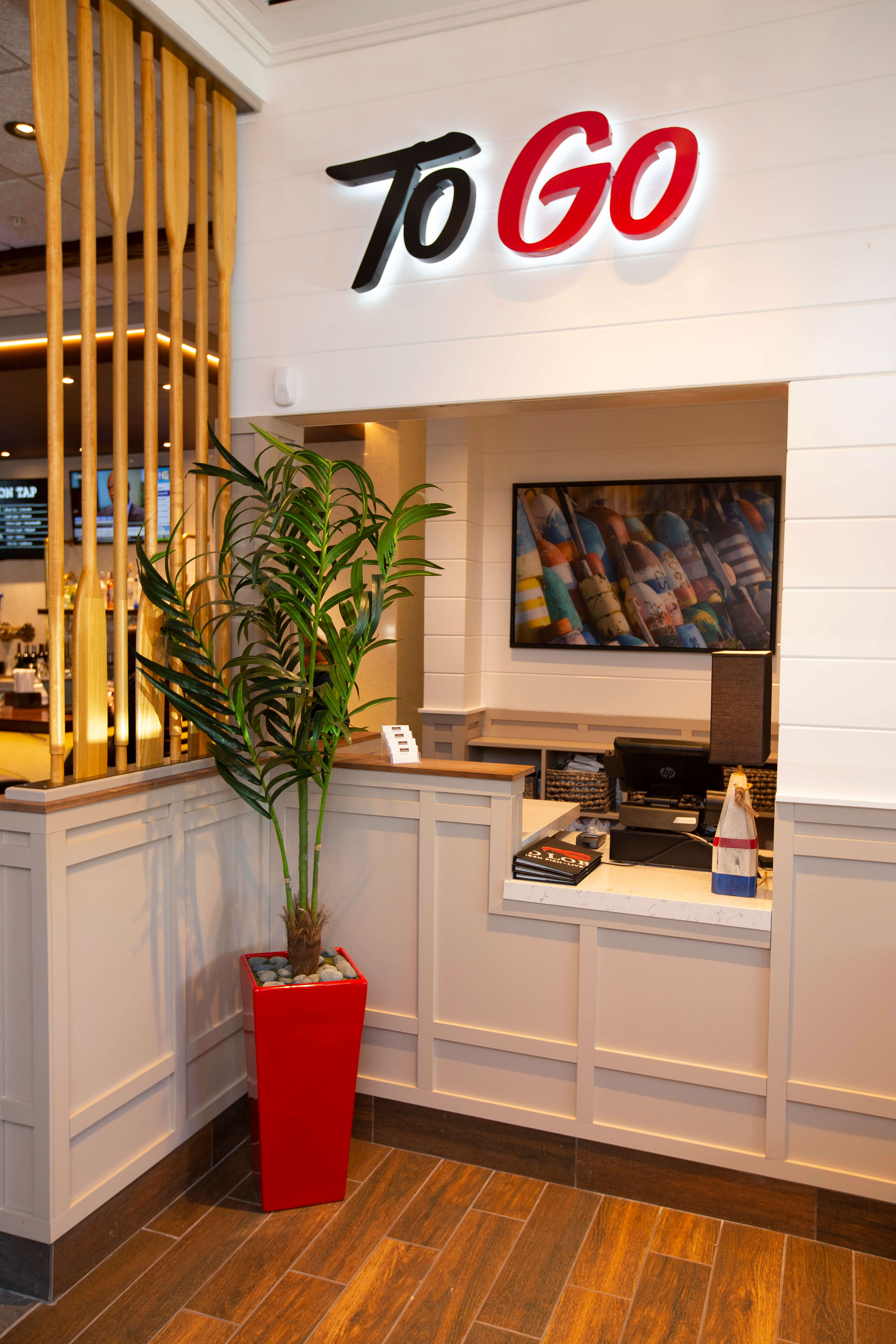
The court process culminated in Fall 2024, when Red Lobster’s Chapter 11 plan received court approval and the company moved toward exiting bankruptcy under Fortress-led ownership. The plan anticipated a transition to RL Investor Holdings LLC taking operational control of the brand, backed by Fortress’s lending affiliates. The exit path recognized the lender-led restructuring as the mechanism to stabilize solvency and enable a more deliberate growth strategy. News coverage noted the approval cleared the path for a near-term exit, positioning Fortress to implement a more consistent strategic framework, refine the footprint, and restore investor and guest confidence as the brand pursued a steadier course.
Industry Timing and Implications The exit underscored the growing influence of creditor groups in reshaping casual-dining dynamics. Fortress’s portfolio approach via SPB Hospitality offers a template for multi-brand coordination, while the cost of closures—over 100 locations in 2024—highlights the need for a lean footprint. As the sector watches Red Lobster’s post-bankruptcy performance, observers will judge how to balance guest incentives with cost discipline, and how to maintain trust with franchisees, suppliers, and guests in a shifting capital environment.
Red Lobster’s Chapter 11 sits within a broader wave of financial stress in the casual-dining segment, a trend that has drawn attention from investors, lenders, and operators. The period saw a string of restructurings and debt-fueled reorganizations, with chains like Hooters pursuing bankruptcy protection in 2025 and others facing pressure from rising input costs and shifting consumer preferences. Observers note the Red Lobster case reflects the growing role of private-equity and lender-led solutions in reshaping brand portfolios, including Fortress via its SPB Hospitality platform. The 2024 closures underscore the cost of misaligned growth and the need for a durable plan to re-enter markets with a lean footprint.
Lessons for the Field The industry will weigh how to balance guest incentives with prudent cost management, how to leverage portfolio strengths in a competitive market, and how to maintain trust with franchisees, suppliers, and guests as market dynamics continue to evolve. The Red Lobster chapter offers a practical template—creditor-led governance, disciplined footprint management, and a measured restart.