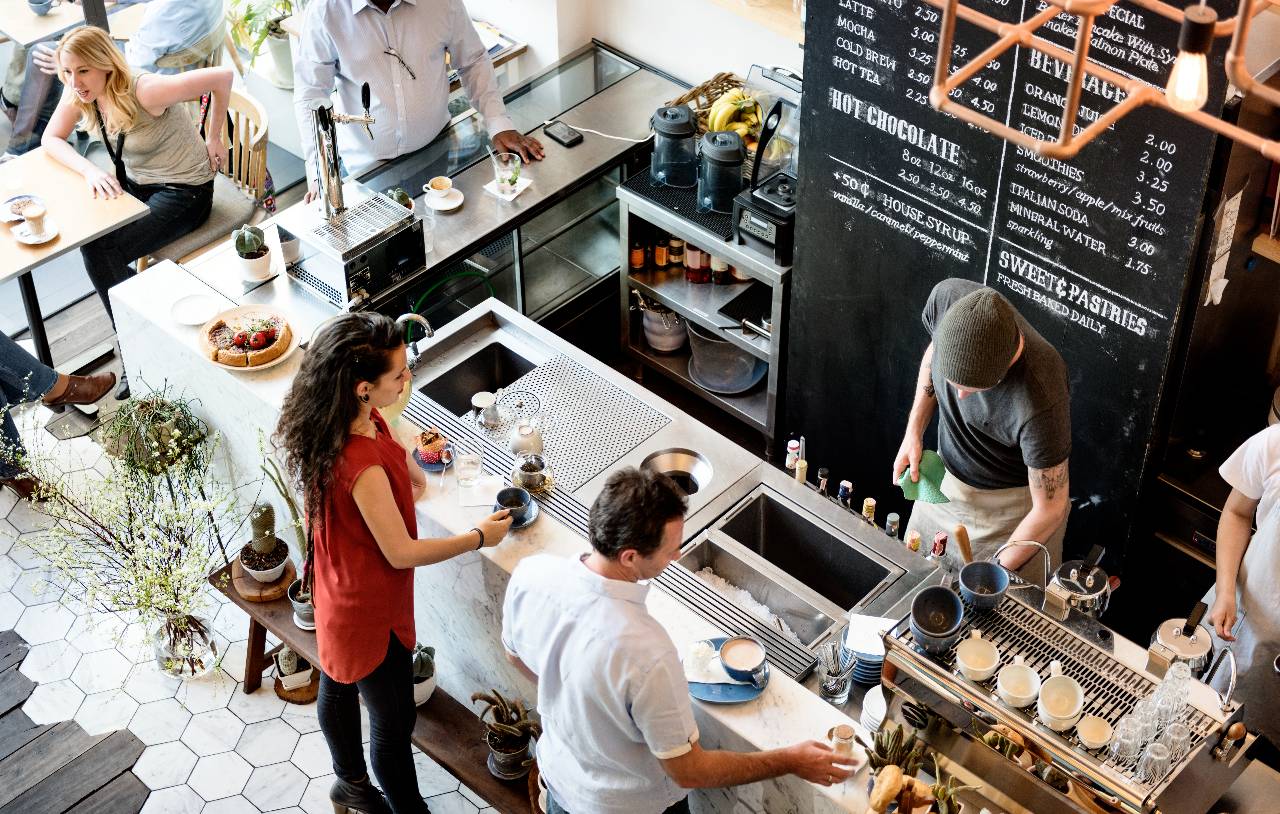
How Much Does It Cost to Open a Coffee Shop in 2026?
Opening a coffee shop in 2026 requires careful cost planning across rent, equipment, labor, technology, menu strategy, marketing, and sustainability.
operations
May 15, 2026
Opening a coffee shop in 2026 requires careful cost planning across rent, equipment, labor, technology, menu strategy, marketing, and sustainability.
May 15, 2026
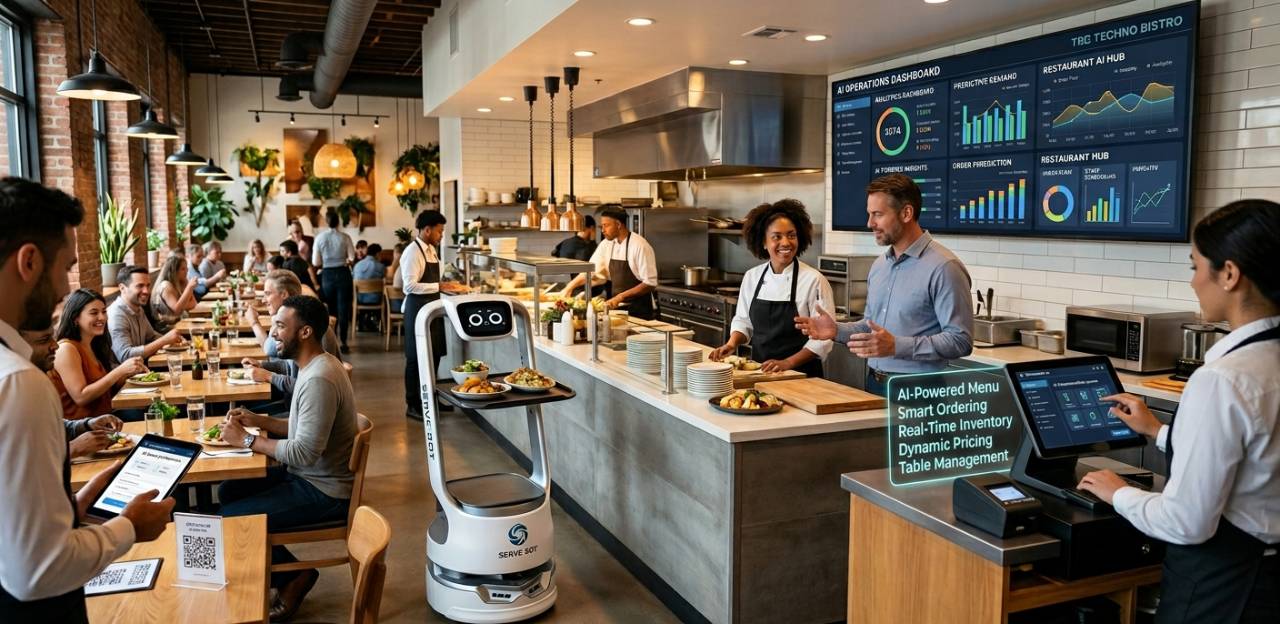
This AI playbook covers restaurant tools for voice ordering, staffing, compliance, menu pricing, inventory, marketing, ChatGPT prompts, and SEO.
May 15, 2026
Hardee’s giant Boddie-Noell inks 31-unit Scooter’s Coffee deal for NC and VA, leveraging drive-thru growth and local roots with rollout over 12–18 months.
May 15, 2026
Wingstop turns match weeks into a multi-sensory festival, aligning bold pop-ups with World Cup energy to build brand affinity and measurable momentum.
May 15, 2026
The parent company behind Dunkin', Buffalo Wild Wings, and Arby's has filed for an IPO a move that could reshape how Wall Street views the restaurant sector.
May 15, 2026
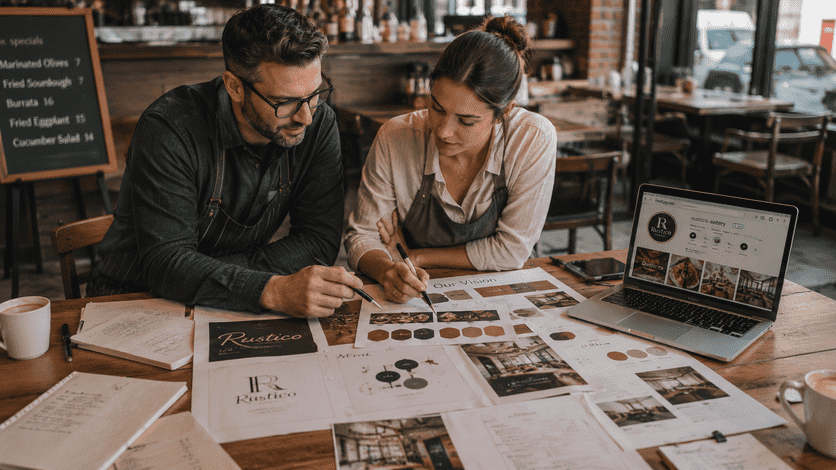
Learn how to develop a memorable restaurant brand identity that stands out in a crowded market, attracts loyal customers, and drives repeat business with actionable strategies and affordable tools.
May 15, 2026
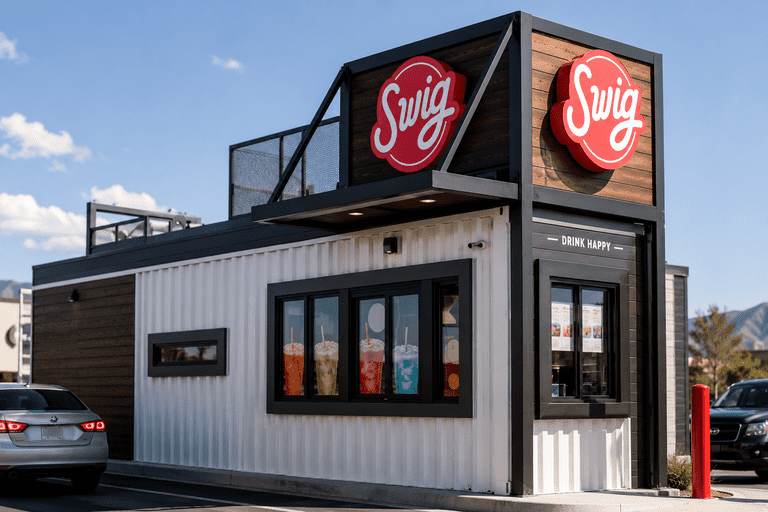
Dirty soda chain Swig is expanding into Colorado through a 10-unit franchise deal, riding a consumer beverage trend that's catching the attention of major QSR players nationwide.
May 15, 2026
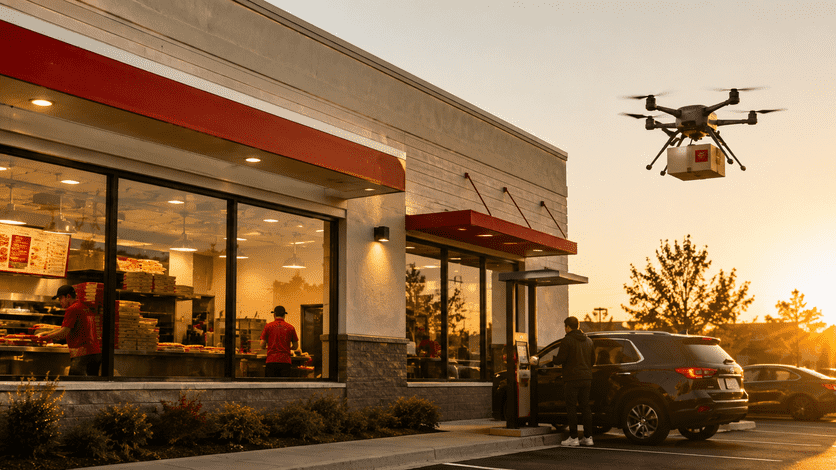
Papa Johns has teamed up with Alphabet's Wing for drone delivery of its new sandwich lineup in parts of Charlotte marking the first partnership of its kind between Wing and a national QSR brand.
May 15, 2026
A warm, expert-led look at McDonald’s Q1 results, menu makeover, and the refranchise question shaping its growth.
May 14, 2026
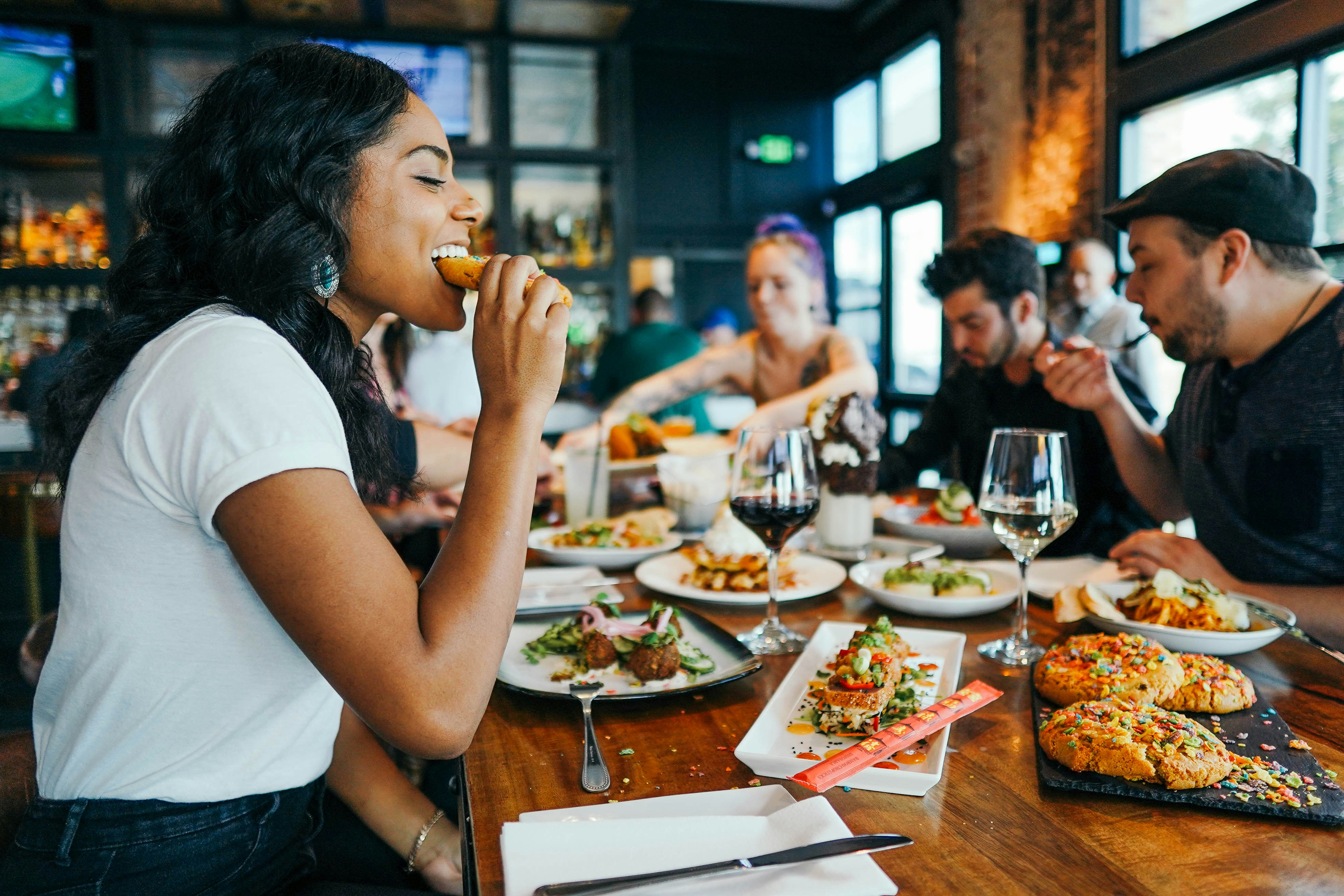
A reflective look at Habit Ranch, its immersive desert activation, and what it signals for brand loyalty and mindful, experiential dining.
May 14, 2026

Unlock Exclusive Access To Webinars, Events, And The Latest News For Free!
Exploring how the federal move to eliminate single-use plastics reshapes kitchens, suppliers, and mindful dining across the hospitality ecosystem.
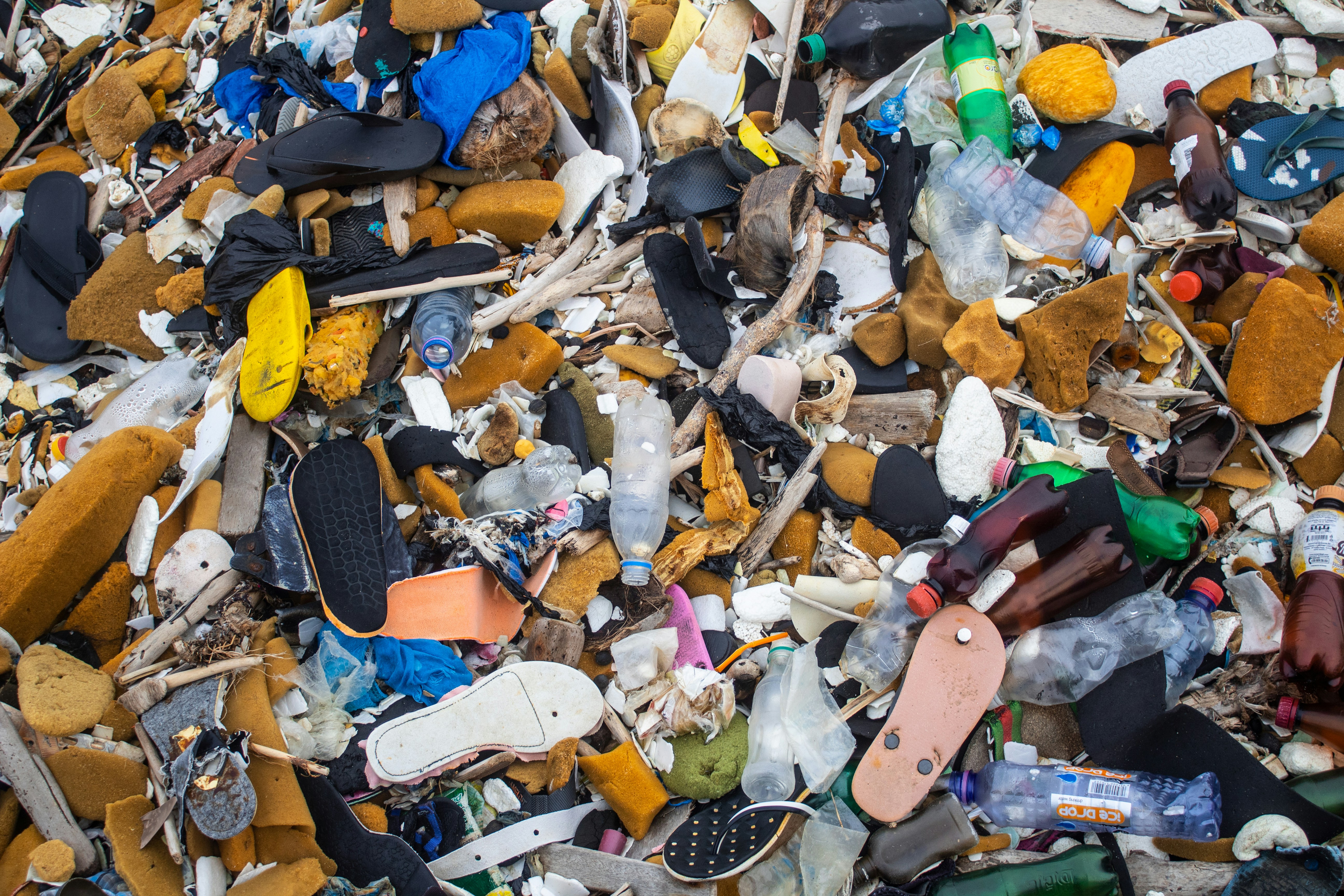
Photo by Asante Micheal
Policy momentum is not a distant headline; it is guiding real decisions in kitchens, schools, and federal offices. With the White House plan to remove single-use plastics from the federal sector by 2027 and across all federal operations by 2035, the conversation shifts from intent to implementation. The aim is to preserve service levels while reducing waste through smarter procurement, design, and lifecycle thinking. This is not punitive; it's a thoughtful invitation to choose packaging that is safer for health, more just for communities, and kinder to the planet. The practical question becomes: how do these timelines translate into everyday dining?:
What the plan entails – Key milestones set the tempo: a federal-phase-out by 2027, extended coverage by 2035, and in two decades a near-term goal to replace 90% of fossil-fuel plastics with biodegradable materials or recycled-content options. These targets drive more than policy; they encourage R&D, supplier commitments, and consumer education. Pilots are already reshaping packaging for beverages and ready-to-eat meals, testing how items travel from kitchen to customer in a way that sustains speed and safety while reducing waste. The NextGen Consortium’s multi-brand collaboration signals a practical, scalable path toward reuse that foodservice can adopt widely.
Policy momentum sits alongside a surge of local action. More than 500 ordinances aim to curb plastic use, reflecting a cross-cutting trend from city halls to school campuses. The OECD notes packaging is a dominant source of plastic waste—roughly 40%—which focuses attention on foodservice and hospitality. Private actors are piloting reusable models and return programs that keep service intact while cutting waste. It’s a systems shift that links environmental justice to everyday dining, turning high-level momentum into tangible improvements in how plates are served, wrappers disposed of, and recyclables sorted.
Industry voices describe a moment where policy momentum nudges markets toward redesign and reuse. Major coffee and quick-service brands frame these pilots as both responsible and commercially prudent. Starbucks announces progress toward recyclable to-go cups, developed with How2Recycle and the NextGen Consortium, signaling a broader circular packaging approach. The NextGen Cup program emphasizes replicable standards and scalable reuse models that can travel across brands, supporting a system where sustainability informs everyday operations in busy stores.
Costs and trials are at the heart of early adoption. As mandates tighten, operators weigh substitutes against price, availability, and performance. A Connecticut example—Hot Haven Chicken—describes an 18-month search for viable packaging alternatives. The learning curve is real: substitutes must protect food integrity, fit existing lines, and stay within budget. Automated cup-sealing devices show up as practical tools that preserve speed while trimming disposables. In this climate, independents and regional chains push for scalable, economically sensible solutions that can travel across supply chains.
Private-sector pilots illuminate a path to circularity. Firms such as DeliverZero and Dispatch Goods illustrate how reuse can be embedded in logistics, reducing disposables and creating predictable waste footprints. The federal momentum thus reinforces a regional transition, turning trial programs into shared solutions that strengthen resilience across markets and build confidence among operators, suppliers, and guests.
Broader industry context positions packaging at the center of a coordinated effort. The OECD’s Global Plastics Outlook offers a global frame for the challenge, while NextGen Consortium projects in the United States demonstrate a push toward closed-loop systems in foodservice. Stakeholders argue that policy incentives, regulatory alignment, and scalable supply-chain changes could flip sustainable packaging from exception to baseline in many markets. The narrative is one of momentum, but it rests on careful execution and ongoing evaluation.
Gaps and uncertainties linger. Regional variation, cost trajectories, and questions about the long-term footprint of alternatives persist. A ten-year horizon outlines the ambition, but local realities and consumer behavior will determine how quickly and how thoroughly the changes take hold. An evidence-based approach—transparent reporting, ongoing pilots, and credible evaluation—will help everyone measure progress as technology and markets evolve.

Implications for Restaurants and Policy point to a future where reusable packaging, return systems, and materials with lower life-cycle impacts become the norm. As federal momentum reinforces these shifts, operators are urged to monitor pilot results, invest in scalable solutions, and collaborate with suppliers who can deliver compliant, cost-effective options at scale. The takeaway is not inhibition but opportunity: a chance to align mindful dining with evolving expectations from customers, investors, and communities. The hospitality landscape could shift from incremental substitutions to a broader, system-wide transition that strengthens resilience and trust in the long run.
Mindful dining, in this view, becomes a balance of flavor and responsibility. When menus and sourcing emphasize packaging that is recyclable, reusable, or biodegradable where appropriate, restaurants offer nourishment that extends beyond the plate. The shift requires transparency, collaboration, and patient progress as economies of scale catch up with ideals. With momentum growing, hospitality brands can lead by example—showcasing procurement clarity, measurable impact, and the environmental justice gains that accompany a well-considered, compassionate dining culture.