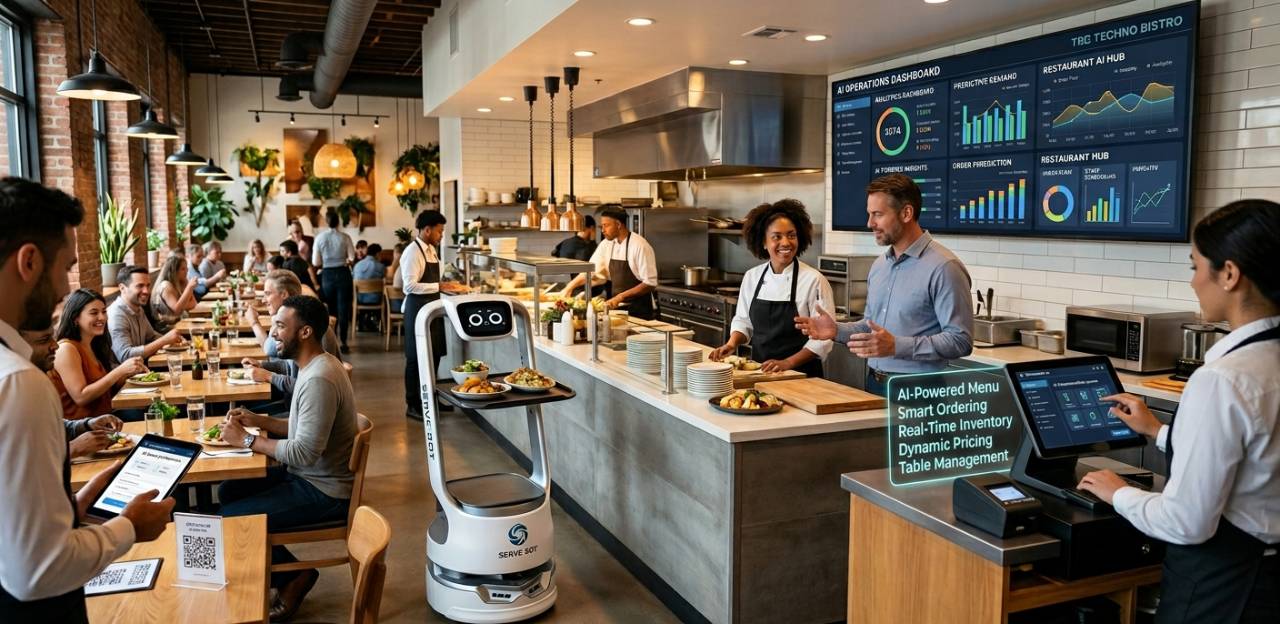
AI Playbook for Restaurant Owners
This AI playbook covers restaurant tools for voice ordering, staffing, compliance, menu pricing, inventory, marketing, ChatGPT prompts, and SEO.
tech
May 15, 2026
This AI playbook covers restaurant tools for voice ordering, staffing, compliance, menu pricing, inventory, marketing, ChatGPT prompts, and SEO.
May 15, 2026
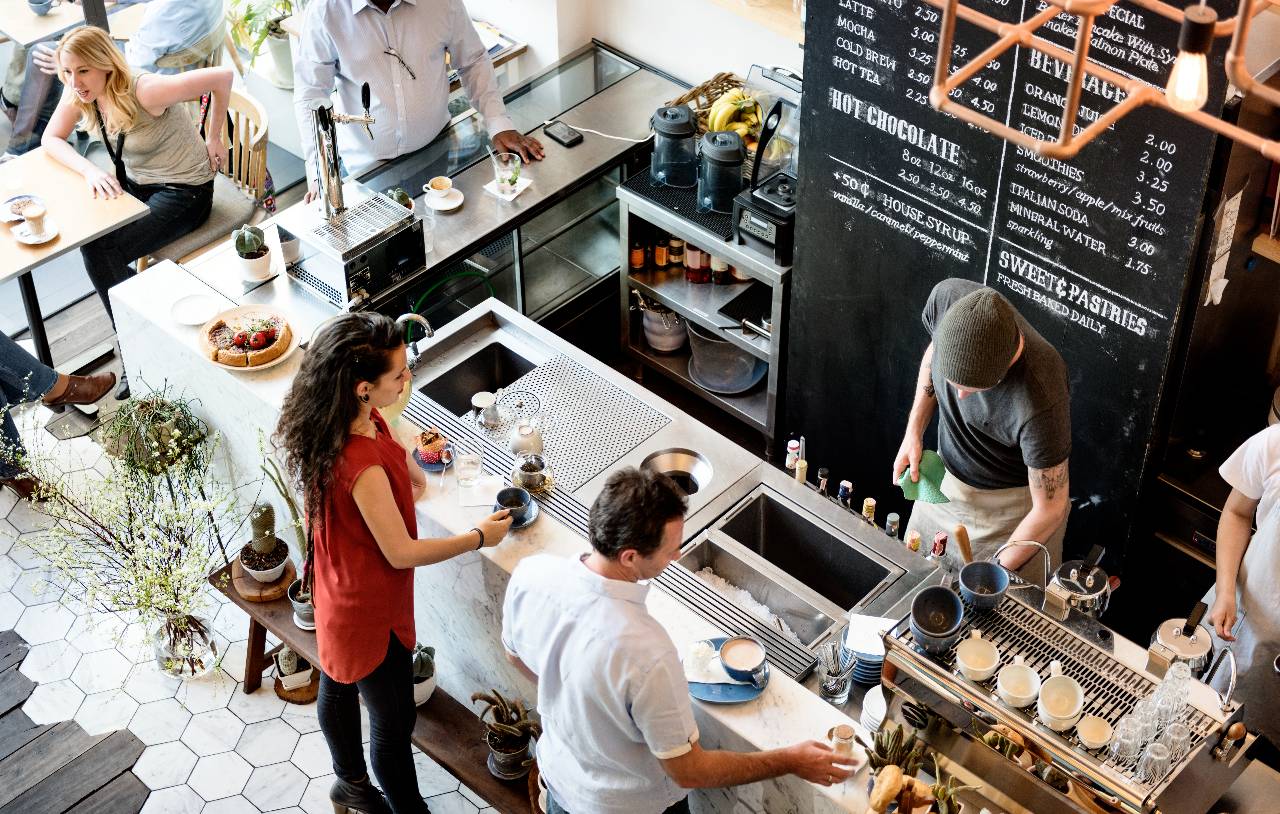
Opening a coffee shop in 2026 requires careful cost planning across rent, equipment, labor, technology, menu strategy, marketing, and sustainability.
May 15, 2026
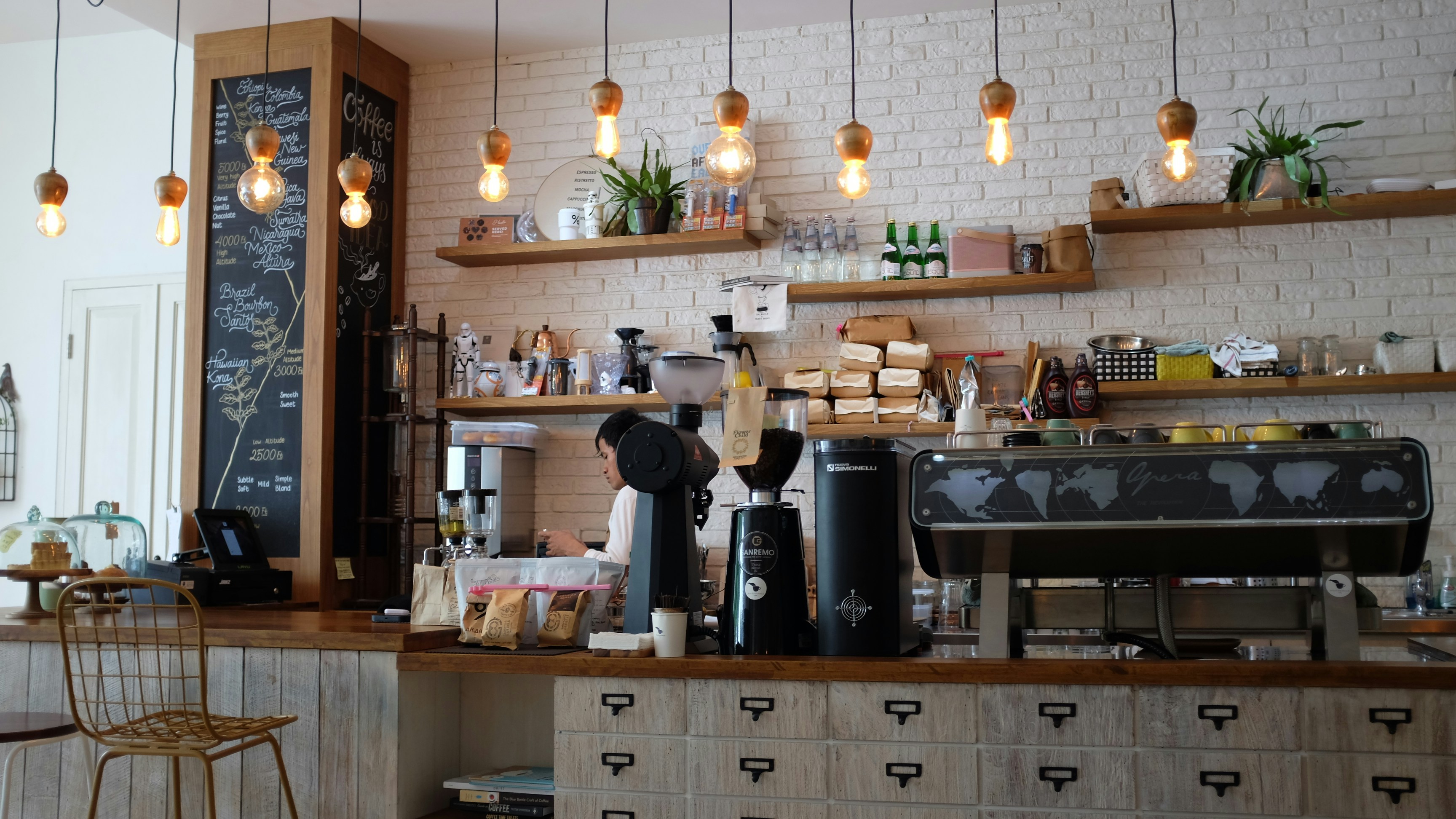
Hardee’s giant Boddie-Noell inks 31-unit Scooter’s Coffee deal for NC and VA, leveraging drive-thru growth and local roots with rollout over 12–18 months.
May 15, 2026
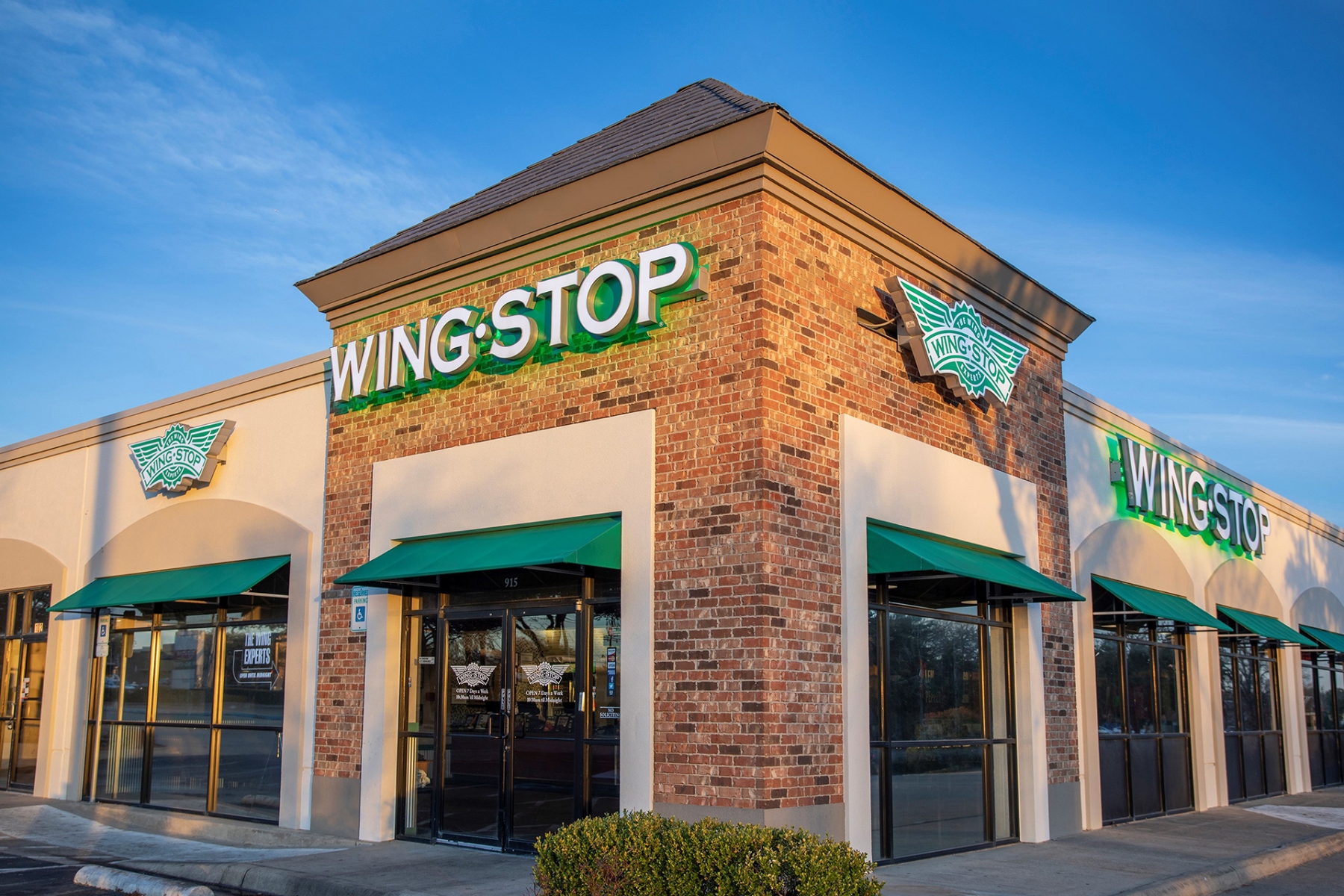
Wingstop turns match weeks into a multi-sensory festival, aligning bold pop-ups with World Cup energy to build brand affinity and measurable momentum.
May 15, 2026

Learn how to develop a memorable restaurant brand identity that stands out in a crowded market, attracts loyal customers, and drives repeat business with actionable strategies and affordable tools.
May 15, 2026
The parent company behind Dunkin', Buffalo Wild Wings, and Arby's has filed for an IPO a move that could reshape how Wall Street views the restaurant sector.
May 15, 2026
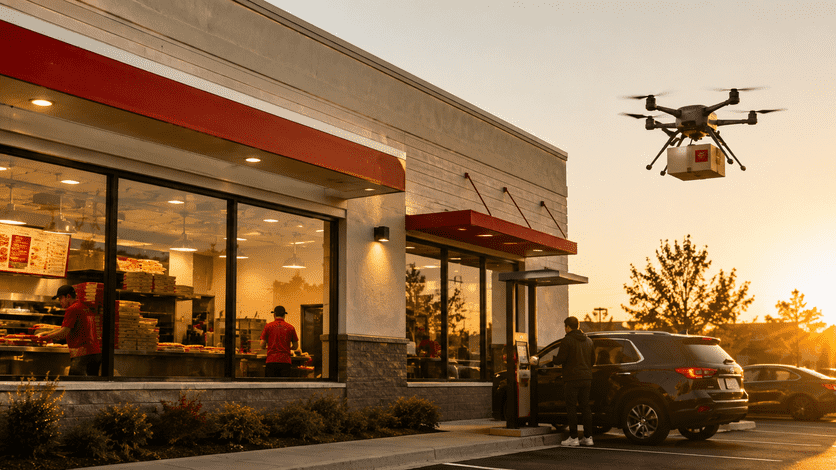
Papa Johns has teamed up with Alphabet's Wing for drone delivery of its new sandwich lineup in parts of Charlotte marking the first partnership of its kind between Wing and a national QSR brand.
May 15, 2026
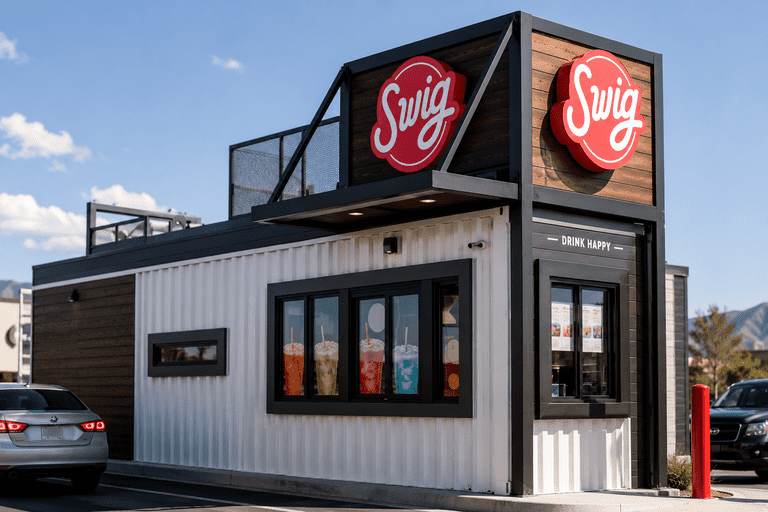
Dirty soda chain Swig is expanding into Colorado through a 10-unit franchise deal, riding a consumer beverage trend that's catching the attention of major QSR players nationwide.
May 15, 2026
A warm, expert-led look at McDonald’s Q1 results, menu makeover, and the refranchise question shaping its growth.
May 14, 2026
A reflective look at Habit Ranch, its immersive desert activation, and what it signals for brand loyalty and mindful, experiential dining.
May 14, 2026

Unlock Exclusive Access To Webinars, Events, And The Latest News For Free!
FAT Brands' quick bankruptcy sale sparks heated landlord objections. Unpack the high-stakes timeline, financial pressure, and what’s at risk.

Photo by Thiago Cardoso
Let me set the table. FAT Brands, known for chains like Twin Peaks, Johnny Rockets, and Round Table Pizza, finds itself up against the wall. Bankruptcy isn’t rare in the restaurant industry, but the pace here? It’s enough to give you whiplash.
The company, carrying roughly $1.5 billion in debt, filed for Chapter 11 bankruptcy and quickly mapped out a sale of nearly all its assets. The deadlines read like a speed run: bids by April 24, auction April 28, court hearing as early as May 1, and (if all goes according to plan) sale closing the first half of May. It’s not just fast—it’s blink-and-you-miss-it fast.
So, why the pedal to the metal? What’s behind the urgency—and who’s getting left in the dust?
With an auction gunning for the finish line, all eyes are on how quickly FAT Brands can pull off this financial flip without burning bridges. The pressure’s on, and so is the resistance from key players—namely, landlords who feel the heat most.
Bankruptcy moves fast—sometimes too fast for comfort. Simon Property Group and other landlords aren’t taking this timeline lying down. Their argument: “You’re giving us two weeks to review huge cure amounts, gather our records, lawyer up, and object if needed? That’s not just unfair, it’s impossible.”
It’s not just about red tape. For landlords, rushing the process means they risk missed rent, sloppy record reconciliation, or accepting unfavorable terms—all because the clock is ticking. Some are pushing for at least one more week after the auction just to catch their breath and properly vet the new proposals.
This isn’t just legal posturing—it’s about real money. Every day spent on uncertainty means lost revenue for property owners. A too-fast deal might keep restaurants open, but it also risks leaving landlords with contracts they never got to scrutinize. That tension—that’s the spark behind these heated objections.
Debt has a way of shortening your attention span—and right now, FAT Brands only has eyes for the finish line. The company landed a $76.9 million DIP financing package up front, but the total DIP obligations climb to around $307.6 million after rolling up previous debts. These funds come with a tight leash: deadlines are baked into every dollar.
The deal is simple. Approve procedures by April 3, get bids by April 24, auction April 28, and finish everything by early May—or risk losing financing support. Stretch those dates, and the whole machine starts to seize up: lenders could yank funds, and the company risks running dry. That’s why every day in bankruptcy is an expensive gamble. It’s also why the operators want this sale over before you can say “DIP maturity.”
Meanwhile, creditors, landlords, and even employees are left waiting as the window for review and negotiation squeezes down to single-digit days. Add up the operating costs, interest payments, and risk of running out of cash, and this timeline starts looking a little less like efficiency—and a little more like desperation.
Quick bankruptcy sales aren’t new playbooks—especially in food service, where rumors spread faster than a fryer basket drops. Lots of struggling restaurant brands have gone the fast-track route, emerging with new owners sometimes mere weeks after filing. The reasoning: the faster you sell, the less cash you burn, and the more likely you keep something—anything—alive.
FAT Brands is following this by-the-numbers approach. Lock in financing, get assets to market, clear the balance sheet, and move on. Industry insiders know all too well: creditor patience is thin, liquidity burns hot, and every extra day risks a nosedive into deeper insolvency.
But here’s the kicker—balancing lightning-fast timelines with protections for stakeholders isn’t easy. Push too hard and you lose the people who prop up your operations: the landlords, suppliers, and contract partners. The industry’s watching to see who gets the last word: the bean counters, or the gatekeepers on Main Street.

Not everything’s locked in yet. Dates bounce around between May 1 and May 8 for crucial hearings, while landlords lobby for a breather that might never materialize. Any shift—one extra week here, a delayed auction there—could spell a different outcome for hundreds of contracts and jobs.
What’s crystal clear? FAT Brands’ crisis is bigger than one company. This case pulls back the curtain on the high-wire act that defines modern restaurant finance: keep the funding flowing or risk the whole show collapsing. At the end of the day, this battle isn’t just about deadlines—it’s about who gets to shape the next act when the dust settles.
Whether the courts throw landlords a lifeline, or push this process through at full speed, one thing’s for sure: everyone in the industry is watching, wondering what their own lease—or loan—might look like if their turn ever comes. This is more than legal drama. It’s a full-throttle lesson in what it takes to survive when the margin for error vanishes.