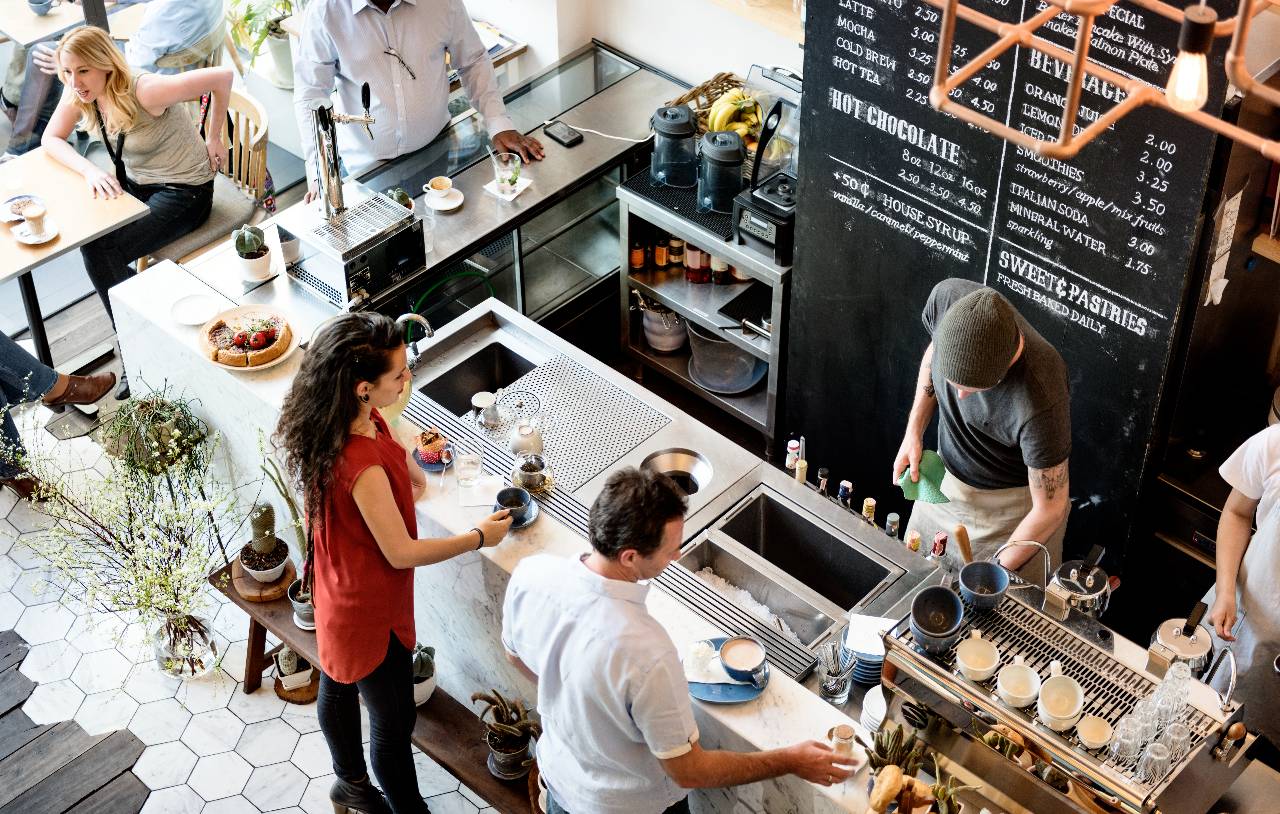
How Much Does It Cost to Open a Coffee Shop in 2026?
Opening a coffee shop in 2026 requires careful cost planning across rent, equipment, labor, technology, menu strategy, marketing, and sustainability.
operations
May 15, 2026
Opening a coffee shop in 2026 requires careful cost planning across rent, equipment, labor, technology, menu strategy, marketing, and sustainability.
May 15, 2026
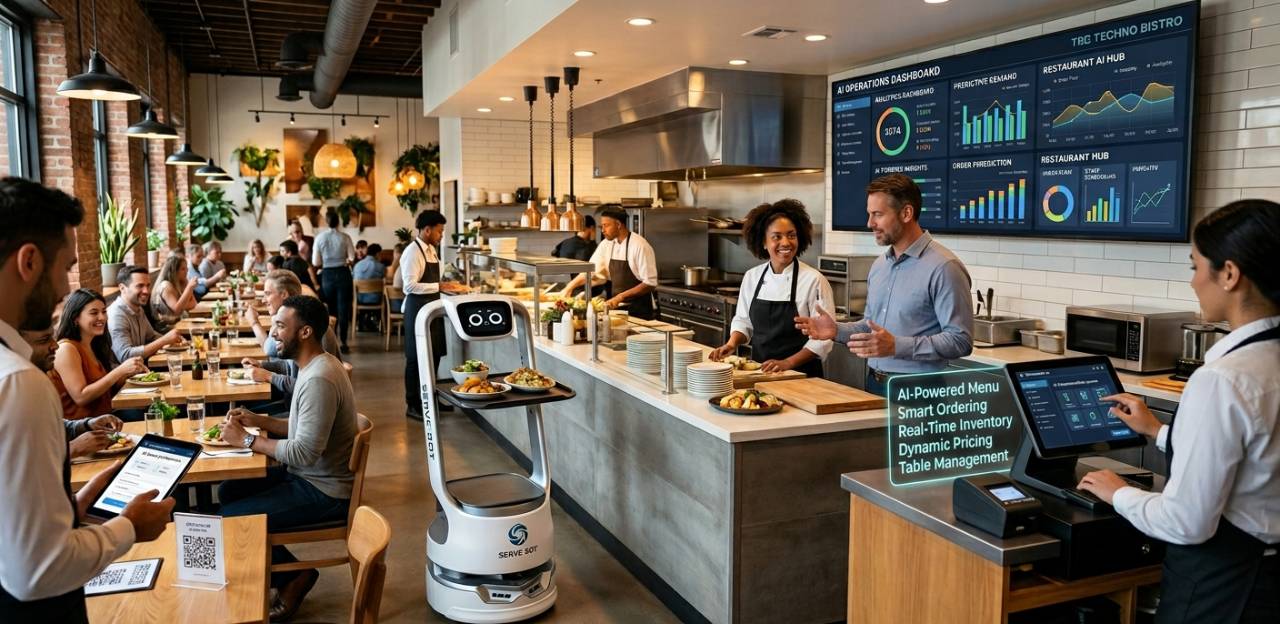
This AI playbook covers restaurant tools for voice ordering, staffing, compliance, menu pricing, inventory, marketing, ChatGPT prompts, and SEO.
May 15, 2026

Hardee’s giant Boddie-Noell inks 31-unit Scooter’s Coffee deal for NC and VA, leveraging drive-thru growth and local roots with rollout over 12–18 months.
May 15, 2026
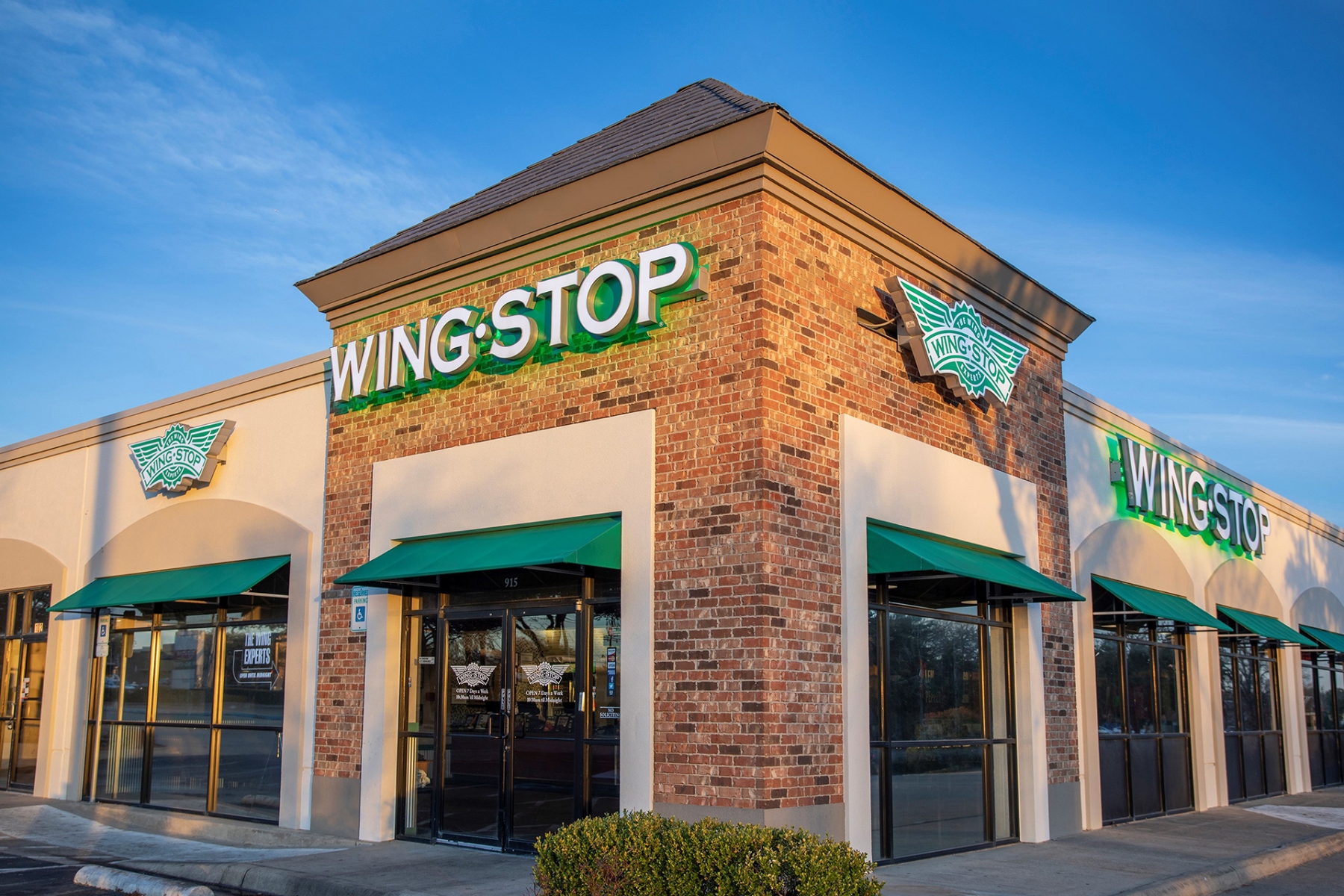
Wingstop turns match weeks into a multi-sensory festival, aligning bold pop-ups with World Cup energy to build brand affinity and measurable momentum.
May 15, 2026
The parent company behind Dunkin', Buffalo Wild Wings, and Arby's has filed for an IPO a move that could reshape how Wall Street views the restaurant sector.
May 15, 2026

Learn how to develop a memorable restaurant brand identity that stands out in a crowded market, attracts loyal customers, and drives repeat business with actionable strategies and affordable tools.
May 15, 2026
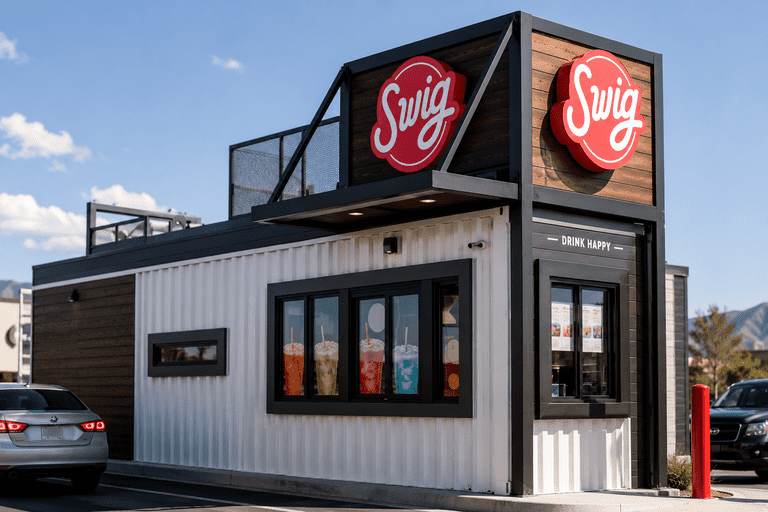
Dirty soda chain Swig is expanding into Colorado through a 10-unit franchise deal, riding a consumer beverage trend that's catching the attention of major QSR players nationwide.
May 15, 2026
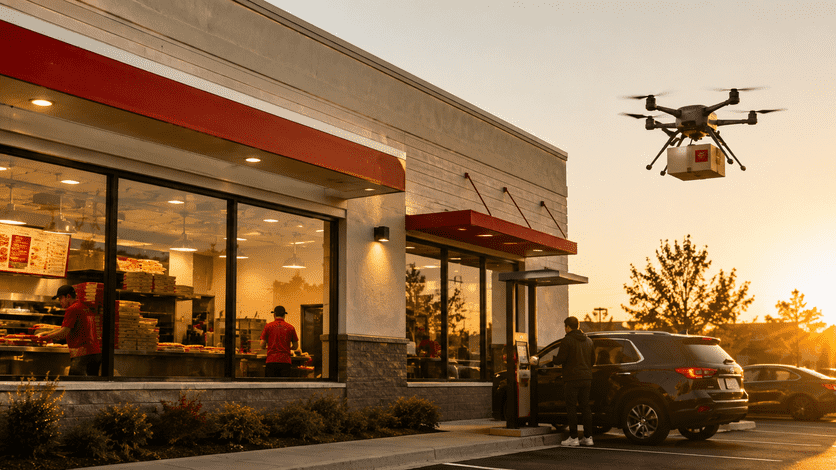
Papa Johns has teamed up with Alphabet's Wing for drone delivery of its new sandwich lineup in parts of Charlotte marking the first partnership of its kind between Wing and a national QSR brand.
May 15, 2026
A warm, expert-led look at McDonald’s Q1 results, menu makeover, and the refranchise question shaping its growth.
May 14, 2026
A reflective look at Habit Ranch, its immersive desert activation, and what it signals for brand loyalty and mindful, experiential dining.
May 14, 2026

Unlock Exclusive Access To Webinars, Events, And The Latest News For Free!
Discover how purchasing consideration metrics affect consumer appeal and brand awareness in the restaurant industry. Learn from top restaurant brands' success stories.

In the realm of brand management, tracking various metrics is crucial to gauge the effectiveness of marketing strategies and overall brand health. While sales and profitability are key indicators, purchasing consideration stands out as a metric that delves deeper into consumer sentiment. Assessing purchasing consideration allows businesses to understand how likely consumers are to buy from a brand, providing insights into brand appeal and market awareness. When consumers consider purchasing from a brand, it reflects positive brand perception and interest.
Morning Consult's rankings of the fastest-growing brands based on purchasing consideration offer valuable insights into consumer behavior. By tracking the shift in the share of consumers considering purchasing from a brand over time, Morning Consult provides a dynamic view of brand performance. This method considers consumer perceptions and preferences, offering a holistic view of brand growth. For instance, the rise in purchasing consideration for certain restaurant brands signifies successful marketing initiatives and enhanced brand appeal.
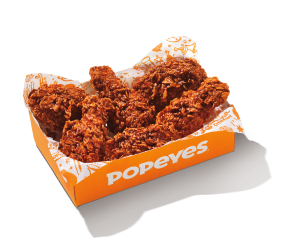
Examining specific restaurant brands that experienced significant growth in purchasing consideration sheds light on the strategies that drove their success. Brands like Ben & Jerry’s, Pizza Hut, Wendy’s, Haagen-Dazs, and Popeyes demonstrate how unique marketing campaigns, product innovations, and leadership changes can impact consumer perception and purchasing intent. From impactful ad campaigns to menu innovations, these brands showcase the importance of staying relevant and engaging in the competitive restaurant industry.
Morning Consult's breakdown of purchasing consideration across different demographics unveils interesting trends in consumer behavior. Variations in brand appeal among gender and age groups highlight the diverse preferences within the market. For instance, the preferences of Gen Z consumers differ from those of Baby Boomers, indicating the need for targeted marketing strategies. Understanding demographic nuances in purchasing consideration is vital for brands looking to tailor their offerings to specific consumer segments.