How Much Does It Cost to Open a Coffee Shop in 2026?
Opening a coffee shop in 2026 requires careful cost planning across rent, equipment, labor, technology, menu strategy, marketing, and sustainability.
operations
May 15, 2026
Opening a coffee shop in 2026 requires careful cost planning across rent, equipment, labor, technology, menu strategy, marketing, and sustainability.
May 15, 2026

This AI playbook covers restaurant tools for voice ordering, staffing, compliance, menu pricing, inventory, marketing, ChatGPT prompts, and SEO.
May 15, 2026

Hardee’s giant Boddie-Noell inks 31-unit Scooter’s Coffee deal for NC and VA, leveraging drive-thru growth and local roots with rollout over 12–18 months.
May 15, 2026

Wingstop turns match weeks into a multi-sensory festival, aligning bold pop-ups with World Cup energy to build brand affinity and measurable momentum.
May 15, 2026

The parent company behind Dunkin', Buffalo Wild Wings, and Arby's has filed for an IPO a move that could reshape how Wall Street views the restaurant sector.
May 15, 2026

Learn how to develop a memorable restaurant brand identity that stands out in a crowded market, attracts loyal customers, and drives repeat business with actionable strategies and affordable tools.
May 15, 2026

Dirty soda chain Swig is expanding into Colorado through a 10-unit franchise deal, riding a consumer beverage trend that's catching the attention of major QSR players nationwide.
May 15, 2026

Papa Johns has teamed up with Alphabet's Wing for drone delivery of its new sandwich lineup in parts of Charlotte marking the first partnership of its kind between Wing and a national QSR brand.
May 15, 2026

A warm, expert-led look at McDonald’s Q1 results, menu makeover, and the refranchise question shaping its growth.
May 14, 2026

A reflective look at Habit Ranch, its immersive desert activation, and what it signals for brand loyalty and mindful, experiential dining.
May 14, 2026

Unlock Exclusive Access To Webinars, Events, And The Latest News For Free!
Discover how Taco Bell's menu innovation and digital channels drive success while KFC faces challenges. Explore loyalty programs, marketing tactics, and menu developments.
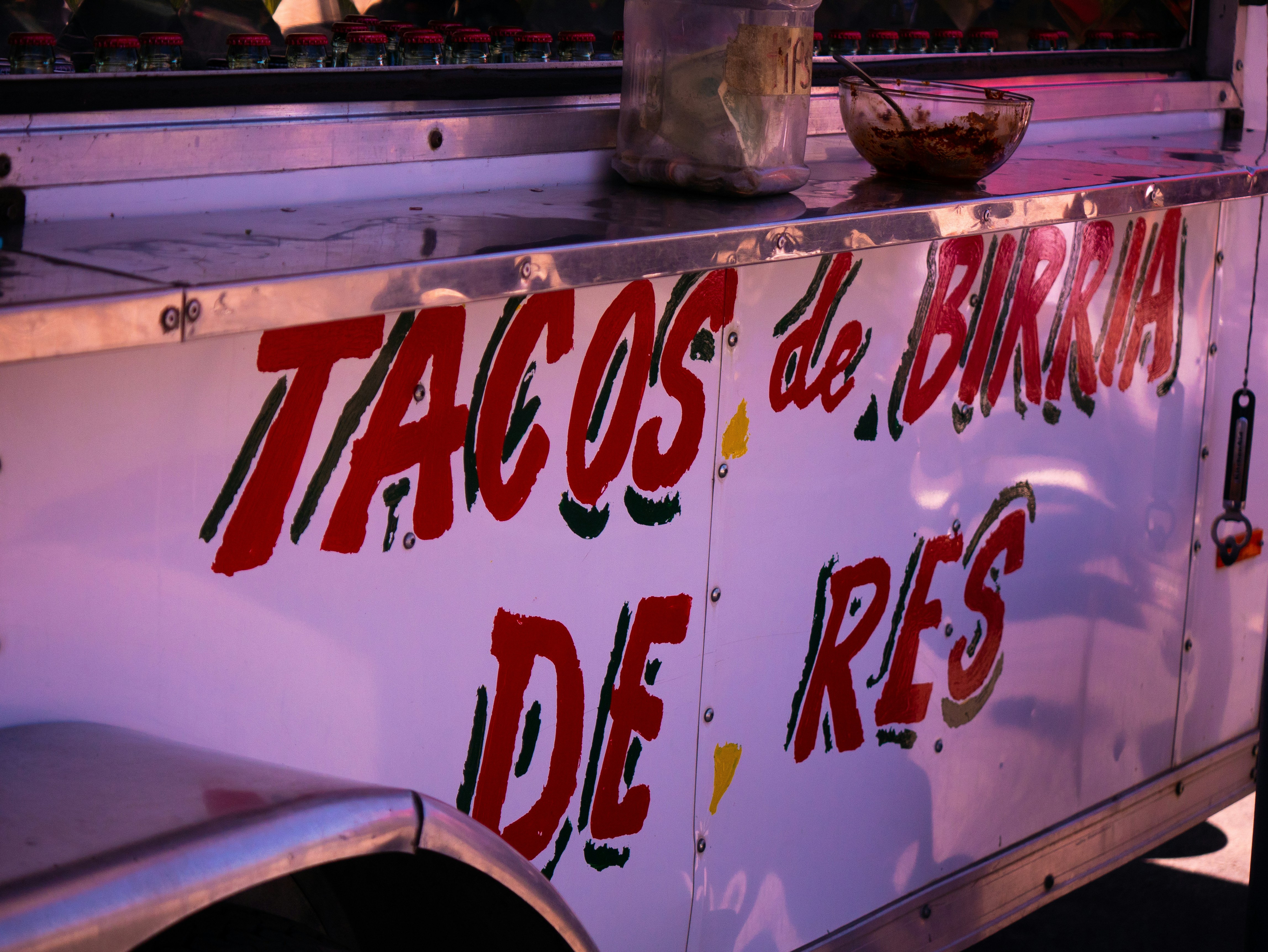
Photo by Trevor Turner
Taco Bell's remarkable success can be attributed to its strategic menu innovations and effective utilization of digital ordering channels. With over 41% of U.S. orders coming through digital platforms, Taco Bell has set a new standard in the industry. The brand's loyalty program has experienced significant growth, with a 45% increase year over year. This growth is fueled by unique digital initiatives tied to new menu offerings. One such example is the Mike’s Hot Honey jacket drop, where Taco Bell partnered loyalty members with the launch of the Hot Honey Diablo sauce to offer exclusive merchandise, demonstrating the brand's creativity and customer-centric approach.

Photo by Trevor Turner
Despite challenges in the fast-casual segment, Taco Bell is witnessing a trend where consumers are opting for its offerings, showcasing growth across all income brackets. This shift contrasts with other Quick Service Restaurant (QSR) giants struggling to resonate with low-income demographics. Taco Bell's ability to capture a broad audience, coupled with innovative menu items and digital engagement, has positioned it as a frontrunner in the competitive market.
In contrast, KFC has faced hurdles in the U.S. and parts of Europe due to perceived gaps in value, inconsistent consumer experiences, and a lack of resonating innovations. This setback has made the legacy brand vulnerable to emerging competitors like Raising Cane’s and Wingstop. To address these challenges, Yum Brands made strategic moves by appointing Scott Mezvinsky from Taco Bell to KFC, leveraging his expertise to revamp the brand's image and enhance consumer engagement on a global scale.
Yum Brands' recent focus on Taco Bell's menu enhancements has led to a series of successful launches, including chicken nugget promotions, Crispy Chicken tacos, and a new refreshers beverage category. The brand's blend of value-driven offerings and premium items like the Cantina Chicken menu caters to diverse consumer preferences. Taco Bell's ongoing test phase for changes in the value menu highlights its commitment to staying ahead of evolving customer demands.
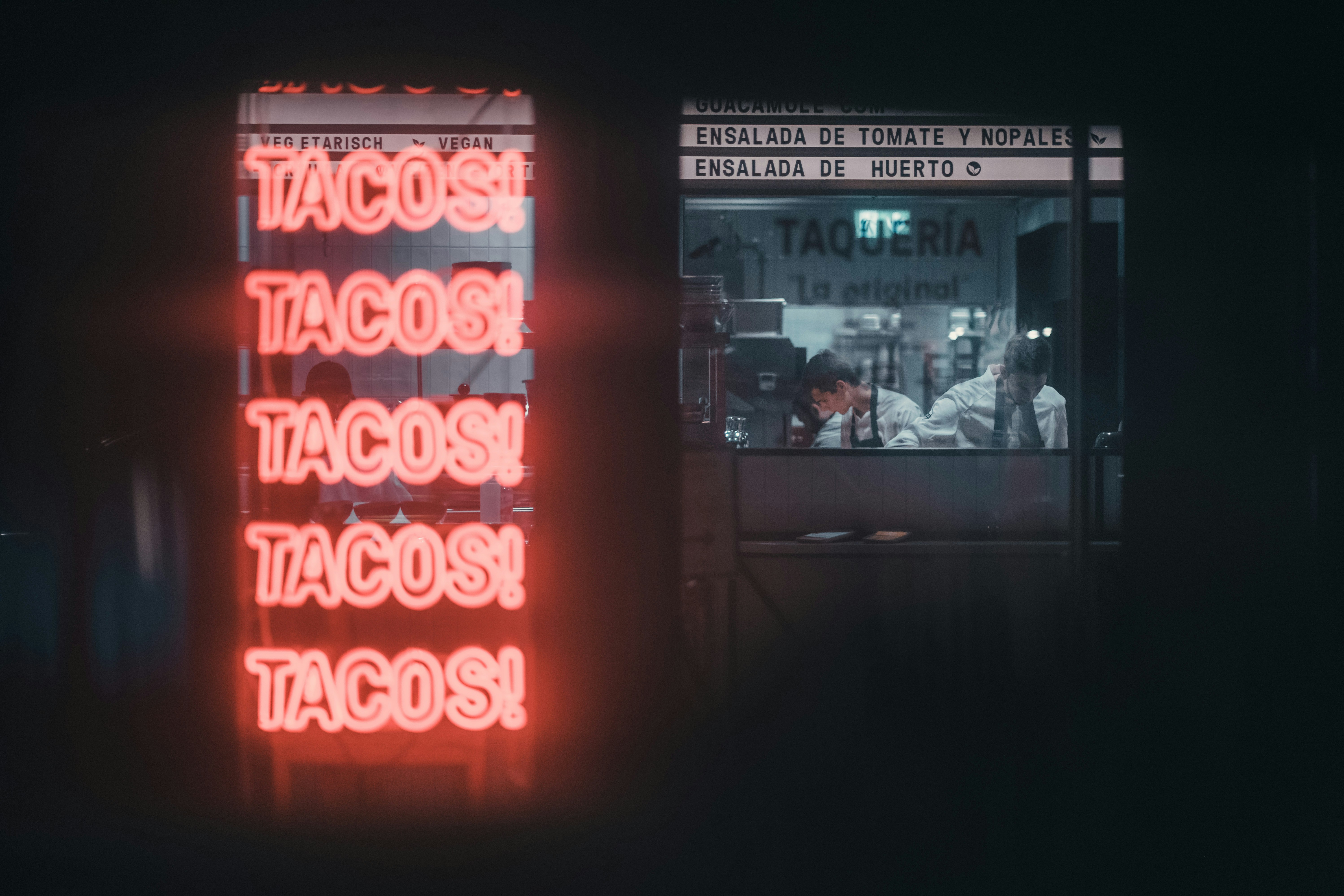
Photo by Trevor Turner
As KFC seeks to boost agility in marketing and menu innovations, the introduction of specialized concepts like Saucy and Kwench could mirror Taco Bell's Cantina strategy. By developing sub-brands and niche products, Yum Brands aims to tap into new market segments and elevate the overall dining experience for customers. These moves signify a shift towards a more dynamic and consumer-focused approach within the fast-food industry.