How Much Does It Cost to Open a Coffee Shop in 2026?
Opening a coffee shop in 2026 requires careful cost planning across rent, equipment, labor, technology, menu strategy, marketing, and sustainability.
operations
May 15, 2026
Opening a coffee shop in 2026 requires careful cost planning across rent, equipment, labor, technology, menu strategy, marketing, and sustainability.
May 15, 2026

This AI playbook covers restaurant tools for voice ordering, staffing, compliance, menu pricing, inventory, marketing, ChatGPT prompts, and SEO.
May 15, 2026

Hardee’s giant Boddie-Noell inks 31-unit Scooter’s Coffee deal for NC and VA, leveraging drive-thru growth and local roots with rollout over 12–18 months.
May 15, 2026

Wingstop turns match weeks into a multi-sensory festival, aligning bold pop-ups with World Cup energy to build brand affinity and measurable momentum.
May 15, 2026

The parent company behind Dunkin', Buffalo Wild Wings, and Arby's has filed for an IPO a move that could reshape how Wall Street views the restaurant sector.
May 15, 2026

Learn how to develop a memorable restaurant brand identity that stands out in a crowded market, attracts loyal customers, and drives repeat business with actionable strategies and affordable tools.
May 15, 2026

Dirty soda chain Swig is expanding into Colorado through a 10-unit franchise deal, riding a consumer beverage trend that's catching the attention of major QSR players nationwide.
May 15, 2026

Papa Johns has teamed up with Alphabet's Wing for drone delivery of its new sandwich lineup in parts of Charlotte marking the first partnership of its kind between Wing and a national QSR brand.
May 15, 2026

A warm, expert-led look at McDonald’s Q1 results, menu makeover, and the refranchise question shaping its growth.
May 14, 2026

A reflective look at Habit Ranch, its immersive desert activation, and what it signals for brand loyalty and mindful, experiential dining.
May 14, 2026

Unlock Exclusive Access To Webinars, Events, And The Latest News For Free!
Discover how Starbucks is revitalizing its brand through strategic initiatives like Green Apron Service and store-level enhancements to enhance customer experience and drive operational efficiency.
.jpg)
Starbucks, a renowned coffee giant, faced a challenging trend of declining same-store sales in recent quarters. To combat this, CEO Brian Niccol introduced the Back to Starbucks turnaround plan, which he believes is starting to yield positive results, surpassing internal expectations. One key strategy in this revival plan is the acceleration of a new operations model called Green Apron Service, emphasizing consistent customer interactions and scalable standards.
Green Apron Service represents a significant shift in Starbucks' operational approach. With an investment of $500 million in labor allocation, this model aims to enhance customer connections by focusing on five key moments. Cathy Smith, Starbucks' CFO, highlighted the importance of repeatable and consistent standards in this deployment. The emphasis on connection points with customers showcases a strategic move to elevate the overall customer experience.
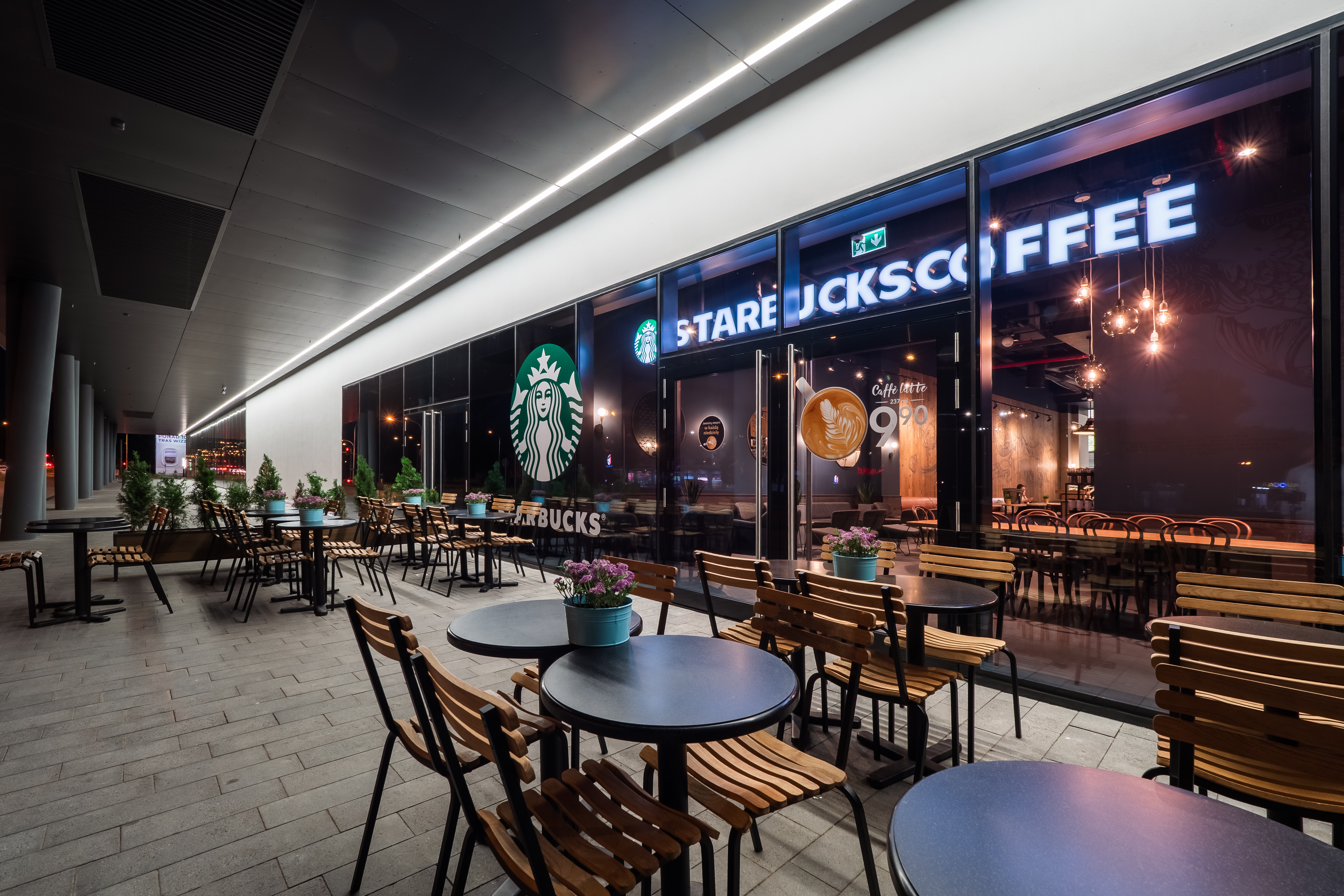
Apart from operational adjustments, Starbucks is also focusing on store-level enhancements to improve customer engagement. The company plans to invest in store design changes costing $150,000 per location to introduce more warmth and texture. Additionally, the development of new prototypes with lower build costs and innovative customer-focused designs signifies Starbucks' commitment to enhancing its physical locations.
Niccol emphasized Starbucks' intent to evaluate its North American portfolio by the end of the fiscal year to optimize profitability and ensure the alignment of coffeehouses with customer needs. The introduction of new standalone prototypes and smaller format stores indicates a strategic move towards unlocking growth opportunities in diverse markets. These changes aim to offer an exceptional customer experience while improving operational efficiency.
Positive indicators from operational metrics, such as reduced barista turnover and improved transaction rates, show the early success of Starbucks' strategic shifts. In response to the significant investment in labor and renovations, the company is exploring ways to adjust its cost structure effectively. This includes executive compensation realignments and cost-cutting measures to navigate the current challenges in the restaurant industry.
Starbucks' recent initiatives and changes, coupled with challenges faced by other industry players like Chipotle, reflect the broader landscape of the restaurant sector. While the decline in same-store sales is a concern, the strategic adjustments and focus on customer experience provide a strong foundation for Starbucks' future growth. The brand's emphasis on innovation and operational excellence sets a promising trajectory for sustainable success.