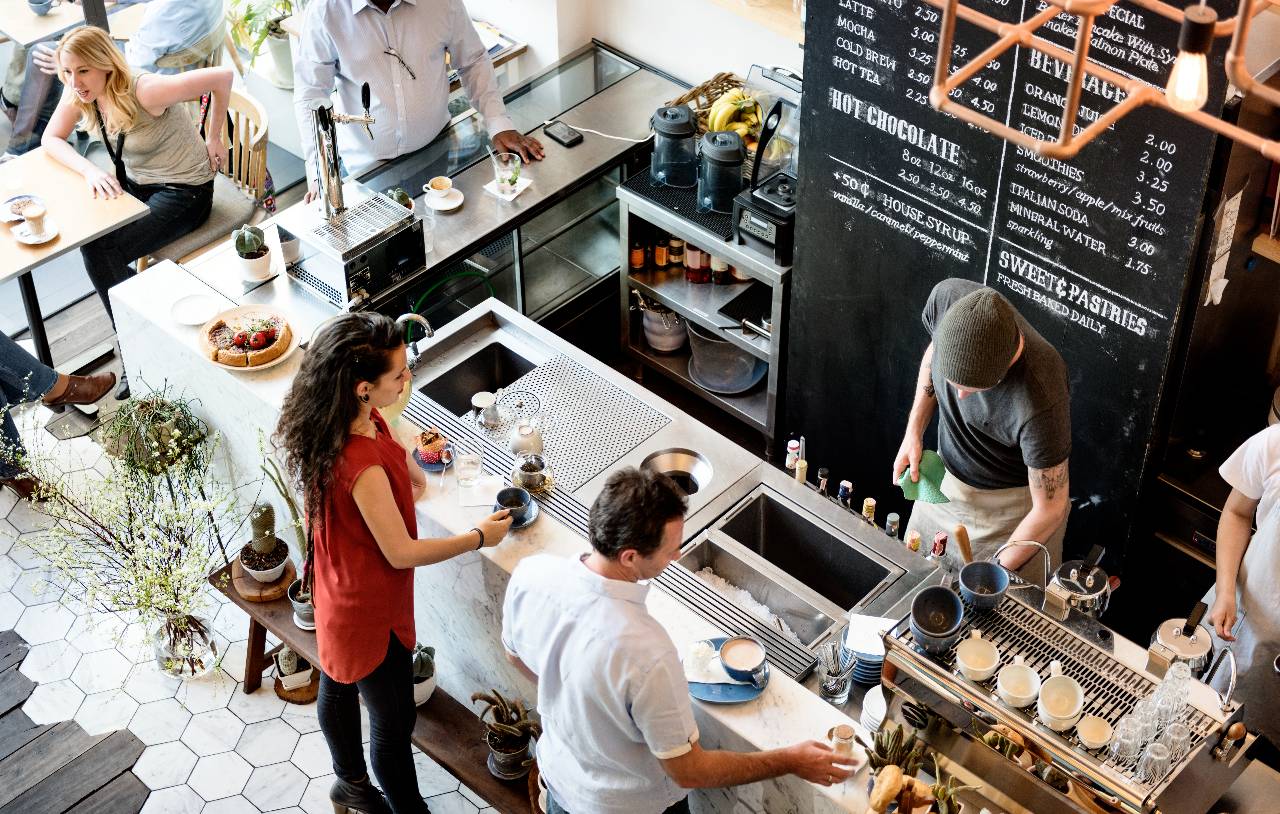
How Much Does It Cost to Open a Coffee Shop in 2026?
Opening a coffee shop in 2026 requires careful cost planning across rent, equipment, labor, technology, menu strategy, marketing, and sustainability.
operations
May 15, 2026
Opening a coffee shop in 2026 requires careful cost planning across rent, equipment, labor, technology, menu strategy, marketing, and sustainability.
May 15, 2026
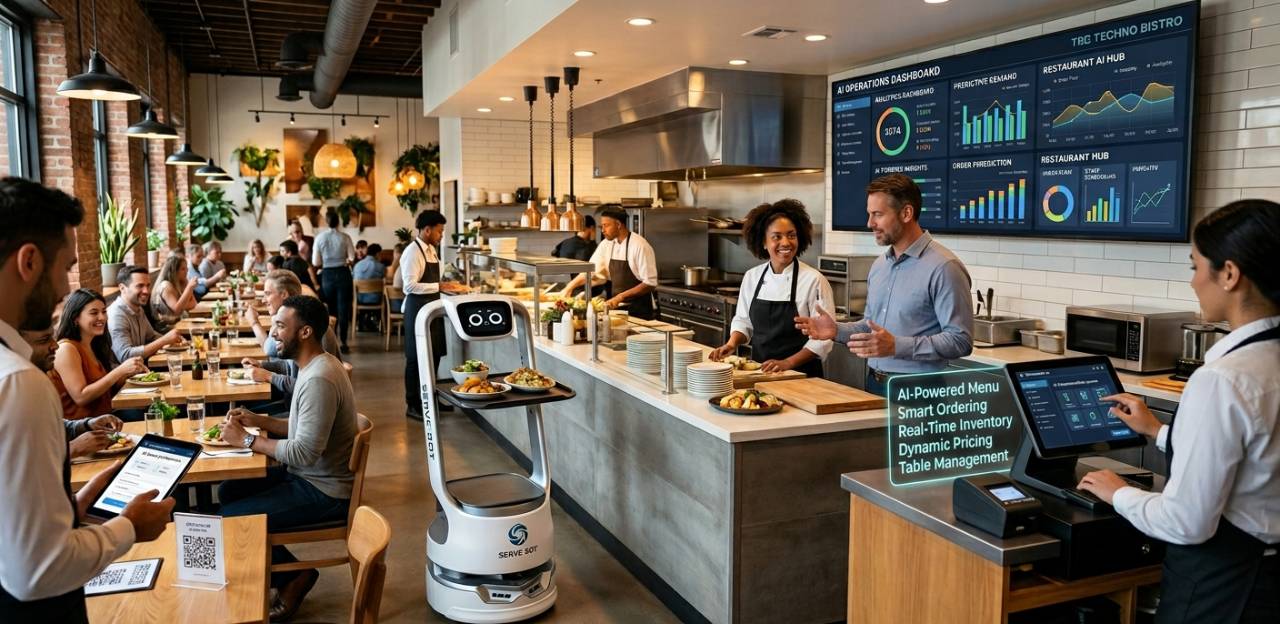
This AI playbook covers restaurant tools for voice ordering, staffing, compliance, menu pricing, inventory, marketing, ChatGPT prompts, and SEO.
May 15, 2026
Hardee’s giant Boddie-Noell inks 31-unit Scooter’s Coffee deal for NC and VA, leveraging drive-thru growth and local roots with rollout over 12–18 months.
May 15, 2026
Wingstop turns match weeks into a multi-sensory festival, aligning bold pop-ups with World Cup energy to build brand affinity and measurable momentum.
May 15, 2026

The parent company behind Dunkin', Buffalo Wild Wings, and Arby's has filed for an IPO a move that could reshape how Wall Street views the restaurant sector.
May 15, 2026

Learn how to develop a memorable restaurant brand identity that stands out in a crowded market, attracts loyal customers, and drives repeat business with actionable strategies and affordable tools.
May 15, 2026
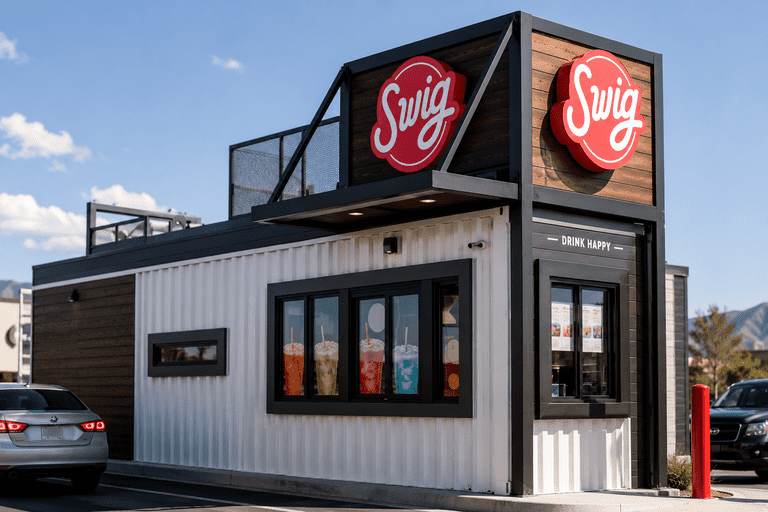
Dirty soda chain Swig is expanding into Colorado through a 10-unit franchise deal, riding a consumer beverage trend that's catching the attention of major QSR players nationwide.
May 15, 2026
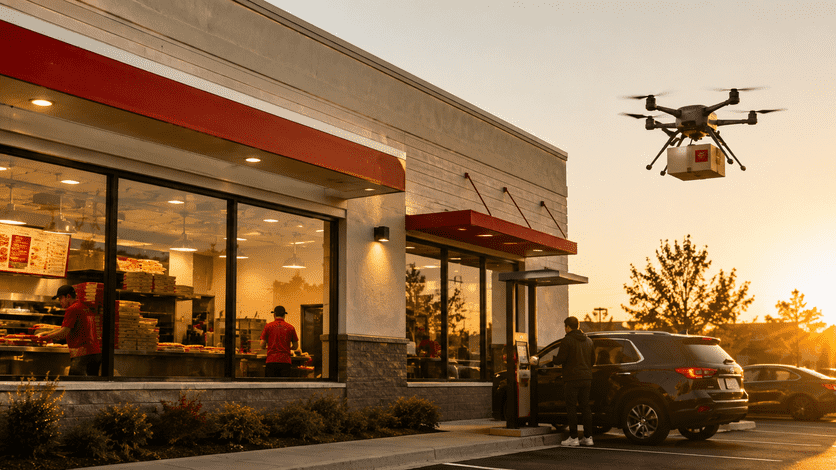
Papa Johns has teamed up with Alphabet's Wing for drone delivery of its new sandwich lineup in parts of Charlotte marking the first partnership of its kind between Wing and a national QSR brand.
May 15, 2026

A warm, expert-led look at McDonald’s Q1 results, menu makeover, and the refranchise question shaping its growth.
May 14, 2026
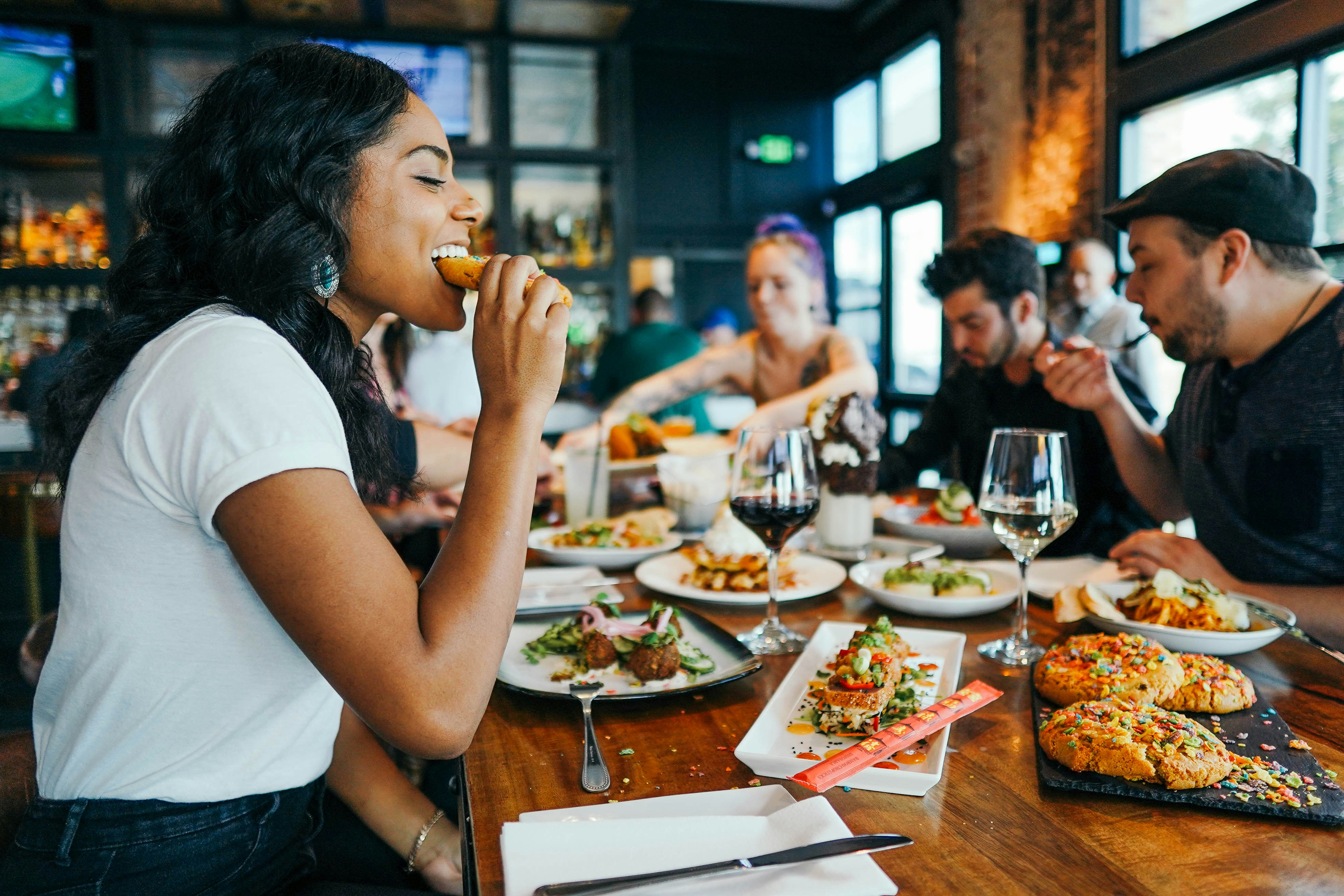
A reflective look at Habit Ranch, its immersive desert activation, and what it signals for brand loyalty and mindful, experiential dining.
May 14, 2026

Unlock Exclusive Access To Webinars, Events, And The Latest News For Free!
A refined look at how the brigade system persists in today’s kitchens, balancing tradition and technology.

Photo by Nico Smit
In the theatre of a bustling restaurant, the rhythm of service rests on a quiet, precise hierarchy. The brigade system was born in the late nineteenth century through the designs of Georges Auguste Escoffier, who gave kitchens a formal ladder of responsibility and a shared language for swift, coordinated action. It was, in essence, an orchestration of dozens of hands and senses, each tuned to a separate function yet moving as one. That blueprint, though stretched and softened, remains a lodestar in modern dining: a framework that nourishes clarity even as it invites adaptation.
At the helm sits the chef-owner, a virtuoso who blends culinary voice with business stewardship, shaping menus and hiring strategy. The executive chef (also called chef de cuisine) translates a culinary dream into practice: recipe development, meal standards, and day‑to‑day momentum. The sous chef acts as deputy, ensuring shifts run with discipline; the chefs de partie—the senior masters of their domains—maintain quality across windows of service. Together with prep cooks who stock and prepare, these leaders keep the brigade moving. Across kitchens, even the titles shift with culture, yet the logic remains: specialty stations anchored to shared aims.
To understand why this system endures, we trace its birth in late 19th‑century kitchens built for volume. Escoffier's reform is described by Britannica as a formal, highly organized approach that created clear lines of responsibility and streamlined communication. The settings of the Savoy in London—where the brigade was first refined—served as a proving ground before the method traveled to grand hotels and city kitchens across the globe. In today's coverage, analysts say many operators now reinterpret the brigade as lighter and more collaborative, preserving the core logic while welcoming cross‑training and shared appetites for teamwork.
Contemporary narratives echo that sentiment: kitchens often adopt a more flexible interpretation of the brigade, preserving role clarity while elevating cross‑discipline collaboration. The arc is traced by industry observers, from Austin Chronicle historical overviews to formal analyses that frame Escoffier’s framework as a durable scaffold rather than a rigid decree. The message is straightforward: honor the lineage that cultivates efficiency, while embracing the learning that comes from shared tasks and cross‑cultural exchange—an evolution that keeps the kitchen both disciplined and alive.
At the heart of the brigade's logic are the intertwined roles of leadership and line work. The chef-owner, often the group chef, stitches culinary imagination to business acumen, guiding concept, menus, and staffing with a refined hand. The executive chef, or chef de cuisine, renders that vision into practical schedules, recipe systems, and performance standards. The sous chef stands as the head chef’s right hand, directing crews and shepherding training. The chefs de partie assume responsibility for individual stations, ensuring the menu’s integrity across service windows. And prep cooks stock, organize, and ready ingredients so the line can sing when service clocks tick.
Beyond leadership, specialized stations deepen the repertoire. The pantry chef, or garde manger, choreographs cold offerings and storage, orchestrating canapés, pâtés, and terrines with an eye for display as much as texture. The term, French in origin, embodies both cold‑prep mastery and inventory control, a discipline that shapes the table’s opening moment. In many kitchens the role persists under the shorthand garmo, a wink at tradition. The effect is sensory: a visual invitation paired with careful temperature management that primes the guest for what follows.
Cold craft sits at the cradle of a menu’s first narrative. The pantry chef, or garde manger, choreographs cold offerings and storage, orchestrating canapés, pâtés, and terrines with an eye for display as much as texture. The term, French in origin, embodies both cold‑prep mastery and inventory control, a discipline that shapes the table’s opening moment. In many kitchens the role is still rendered softly as garmo, a nod to tradition. The effect is sensory: a poised first impression built from temperature care and visual storytelling.
Beyond cold, three hot disciplines define texture and tempo: the grill chef, who translates heat into caramelization and crust; the sauce chef, who braids reductions and pan sauces into the dish’s savory backbone; and the fry chef, who choreographs batter, batters, and fryer cadence to deliver crisp, dependable crunch. Each role demands precise timing, taste memory, and a calm pace under pressure. The pastry chef completes the arc, ensuring the menu closes with balance and elegance, while the rest of the brigade keeps the kitchen singing in unison.
Today the brigade does not exist in isolation; it unfolds within a dynamic labor market and a landscape increasingly shaped by technology. The National Restaurant Association projects employment nearing 15.9 million by year‑end 2025, with sales around $1.5 trillion. Yet labor shortages and turnover remain persistent concerns, nudging operators toward gig labor and tech‑enabled workflows to sustain service levels. As analysts observe, the sector’s resilience hinges on strategic workforce practices and a measured embrace of automation where it enhances human skill rather than replacing it.
For operators, the enduring brigade offers clarity and adaptability: defined ownership of stations, repeatable workflows, and the possibility of cross‑training to cover peak periods. For aspiring professionals, scholarships and training programs—such as the WebstaurantStore scholarship initiative—can ease access to formal study and credentials. The broader context underscores that continual learning, specialization, and leadership development remain vital. As the field evolves, those who blend traditional discipline with modern adaptability—whether through pastry innovation, grill mastery, sauce virtuosity, or efficient pantry management—will shape guest experiences and sustain resilient kitchens.