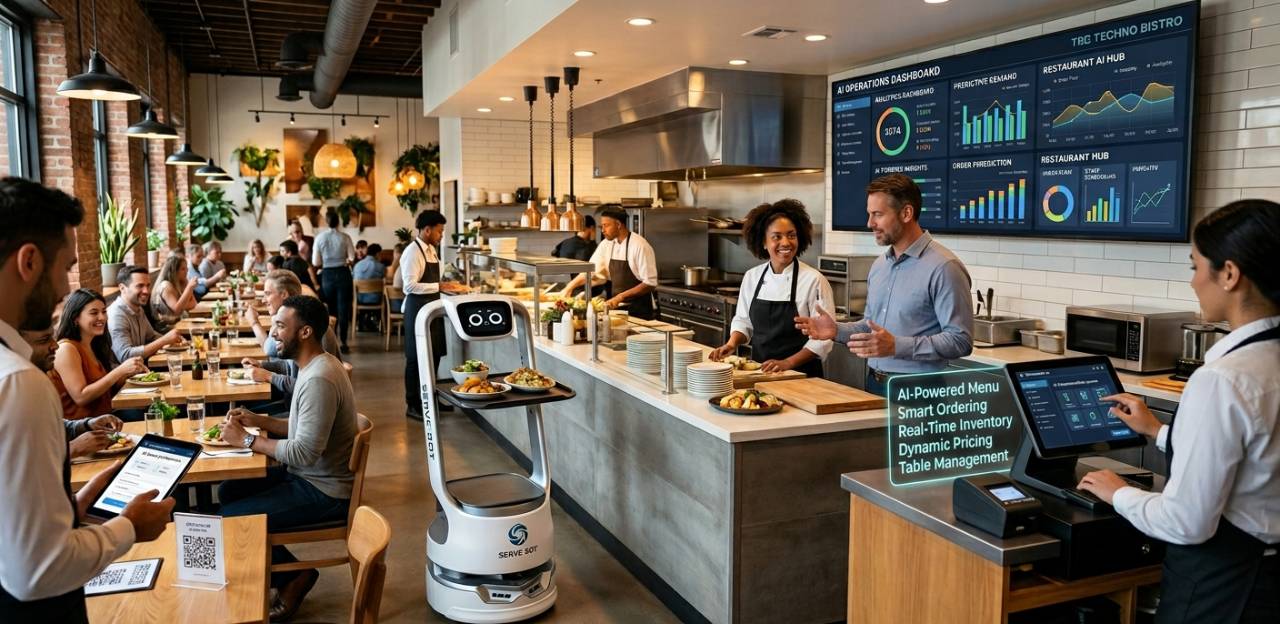
AI Playbook for Restaurant Owners
This AI playbook covers restaurant tools for voice ordering, staffing, compliance, menu pricing, inventory, marketing, ChatGPT prompts, and SEO.
tech
May 15, 2026
This AI playbook covers restaurant tools for voice ordering, staffing, compliance, menu pricing, inventory, marketing, ChatGPT prompts, and SEO.
May 15, 2026
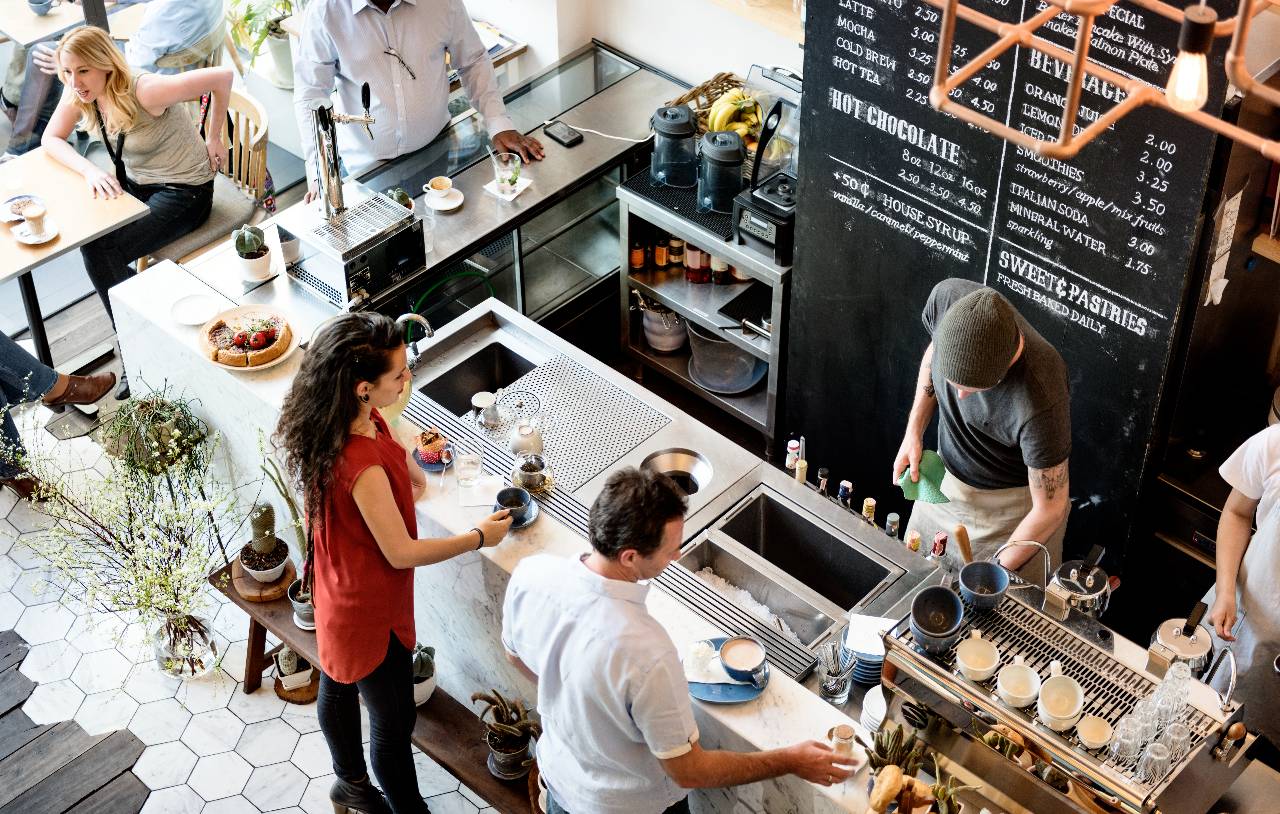
Opening a coffee shop in 2026 requires careful cost planning across rent, equipment, labor, technology, menu strategy, marketing, and sustainability.
May 15, 2026

Hardee’s giant Boddie-Noell inks 31-unit Scooter’s Coffee deal for NC and VA, leveraging drive-thru growth and local roots with rollout over 12–18 months.
May 15, 2026
Wingstop turns match weeks into a multi-sensory festival, aligning bold pop-ups with World Cup energy to build brand affinity and measurable momentum.
May 15, 2026

Learn how to develop a memorable restaurant brand identity that stands out in a crowded market, attracts loyal customers, and drives repeat business with actionable strategies and affordable tools.
May 15, 2026
The parent company behind Dunkin', Buffalo Wild Wings, and Arby's has filed for an IPO a move that could reshape how Wall Street views the restaurant sector.
May 15, 2026
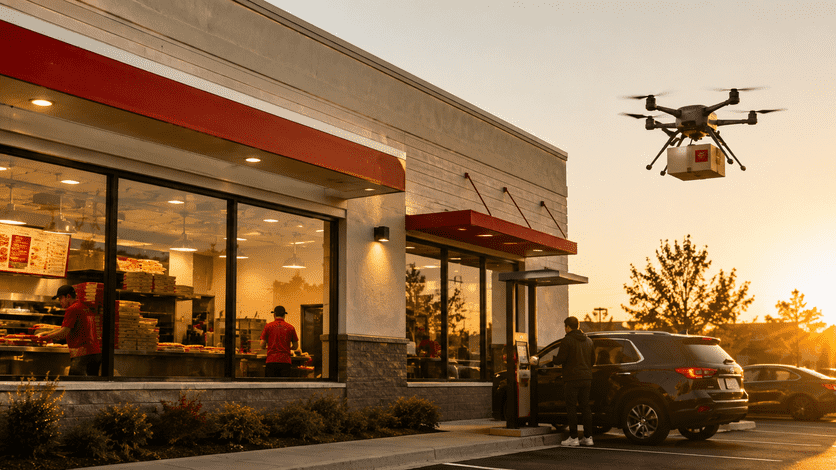
Papa Johns has teamed up with Alphabet's Wing for drone delivery of its new sandwich lineup in parts of Charlotte marking the first partnership of its kind between Wing and a national QSR brand.
May 15, 2026
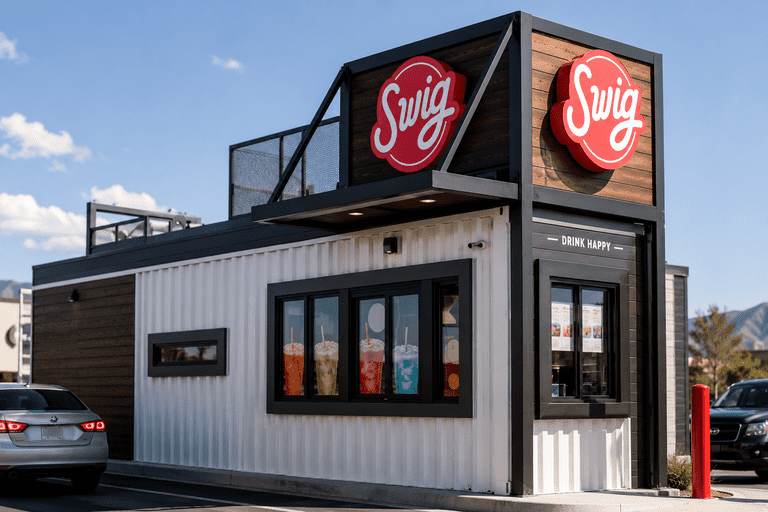
Dirty soda chain Swig is expanding into Colorado through a 10-unit franchise deal, riding a consumer beverage trend that's catching the attention of major QSR players nationwide.
May 15, 2026
A warm, expert-led look at McDonald’s Q1 results, menu makeover, and the refranchise question shaping its growth.
May 14, 2026
A reflective look at Habit Ranch, its immersive desert activation, and what it signals for brand loyalty and mindful, experiential dining.
May 14, 2026

Unlock Exclusive Access To Webinars, Events, And The Latest News For Free!
Learn about the implications of OSHA's proposed heat safety rule and how it aims to protect workers from heat-related illnesses and injuries.

Photo by allPhoto Bangkok

Photo by allPhoto Bangkok
OSHA's National Emphasis Program on heat safety has been in place since April 2022. However, the newly proposed rule introduces enforceable guidelines to enhance worker protection from heat-related issues. Unlike general suggestions like 'water, rest, shade,' the rule specifies actions that employers must take to safeguard workers. The OSHA Advisory Committee on Construction Safety and Health's unanimous recommendation in April 2022 marked a significant step towards implementing this rule.
The Heat Injury and Illness Plan mandated by the proposed rule focuses on monitoring the work environment effectively. Employers must assess high heat risks using measures such as heat index or wet bulb globe temperature. When temperatures reach hazardous levels, employers are obligated to provide necessary protections. This includes ensuring access to adequate cool drinking water (at least one quart per employee per hour) and designated break areas with shade or air conditioning. Specific guidelines for personal protective equipment, break times, and acclimatization strategies for workers are also outlined in the rule.
California recently finalized a rule similar to OSHA's proposal, emphasizing indoor worker safety. The unique aspect of California's rule is its consideration of radiant heat, which can be emitted by hot surfaces like cooktops. This demonstrates a proactive approach to address heat exposure that may not be solely temperature-dependent. The aim of these rules is to prevent heat-related illnesses, fatalities, and ensure worker well-being across different working environments.
Photo by allPhoto Bangkok
Various experts and safety advocates have voiced support for OSHA's proposed rule. Douglas Parker, assistant secretary for occupational safety and health, highlighted the urgency to protect workers from heat-related risks. Parker stressed the importance of crafting a comprehensive rule that balances worker safety with practicality for employers. Leaders from the National Council for Occupational Safety and Health commended the proposed rule as a crucial step in safeguarding workers amidst increasing heat stress due to climate change. Marcy Goldstein-Gelb, co-executive director of National COSH, emphasized the rule's role in fostering a culture of safety and responsibility in workplaces.