How Much Does It Cost to Open a Coffee Shop in 2026?
Opening a coffee shop in 2026 requires careful cost planning across rent, equipment, labor, technology, menu strategy, marketing, and sustainability.
operations
May 15, 2026
Opening a coffee shop in 2026 requires careful cost planning across rent, equipment, labor, technology, menu strategy, marketing, and sustainability.
May 15, 2026

This AI playbook covers restaurant tools for voice ordering, staffing, compliance, menu pricing, inventory, marketing, ChatGPT prompts, and SEO.
May 15, 2026

Hardee’s giant Boddie-Noell inks 31-unit Scooter’s Coffee deal for NC and VA, leveraging drive-thru growth and local roots with rollout over 12–18 months.
May 15, 2026

Wingstop turns match weeks into a multi-sensory festival, aligning bold pop-ups with World Cup energy to build brand affinity and measurable momentum.
May 15, 2026

The parent company behind Dunkin', Buffalo Wild Wings, and Arby's has filed for an IPO a move that could reshape how Wall Street views the restaurant sector.
May 15, 2026

Learn how to develop a memorable restaurant brand identity that stands out in a crowded market, attracts loyal customers, and drives repeat business with actionable strategies and affordable tools.
May 15, 2026

Dirty soda chain Swig is expanding into Colorado through a 10-unit franchise deal, riding a consumer beverage trend that's catching the attention of major QSR players nationwide.
May 15, 2026

Papa Johns has teamed up with Alphabet's Wing for drone delivery of its new sandwich lineup in parts of Charlotte marking the first partnership of its kind between Wing and a national QSR brand.
May 15, 2026

A warm, expert-led look at McDonald’s Q1 results, menu makeover, and the refranchise question shaping its growth.
May 14, 2026

A reflective look at Habit Ranch, its immersive desert activation, and what it signals for brand loyalty and mindful, experiential dining.
May 14, 2026

Unlock Exclusive Access To Webinars, Events, And The Latest News For Free!
Discover how Starbucks is revolutionizing store operations with assistant managers to enhance the customer experience and staff productivity.

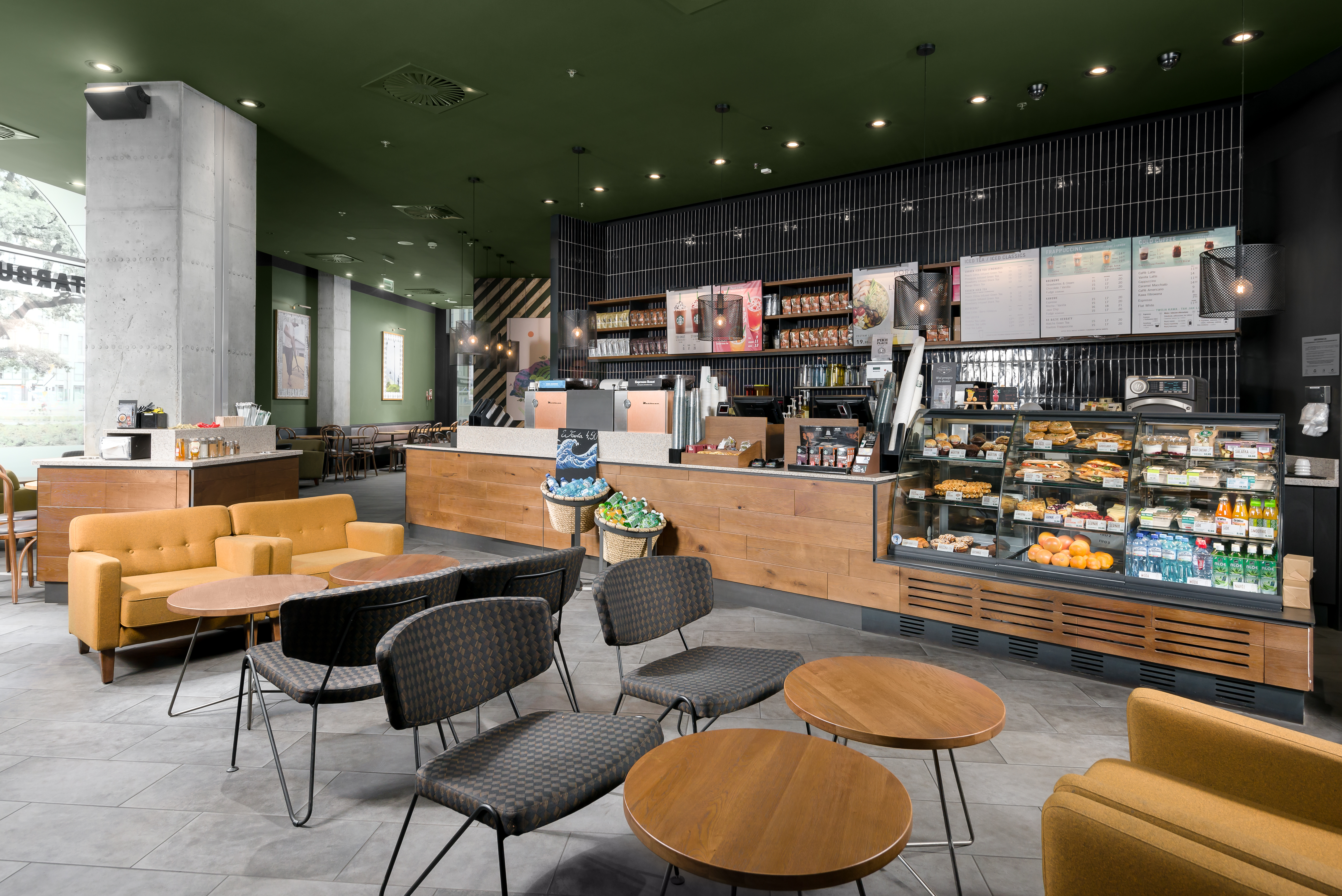
Starbucks, under the leadership of CEO Brian Niccol, has unveiled a strategic plan to enhance the overall coffeehouse experience for both customers and employees. Central to this initiative is the introduction of assistant managers across its stores. This move aims to address the need for adequate staffing levels to optimize operations and ensure a high level of service.
The initial phase of the assistant manager plan is set to debut in six U.S. company-operated districts in September, with the intention of gathering insights and feedback before expanding this role to the majority of Starbucks stores by 2026. In Canada, the assistant manager expansion is scheduled to commence in the summer of 2026. This phased approach allows Starbucks to refine the assistant manager model and tailor it to different markets for maximum impact.
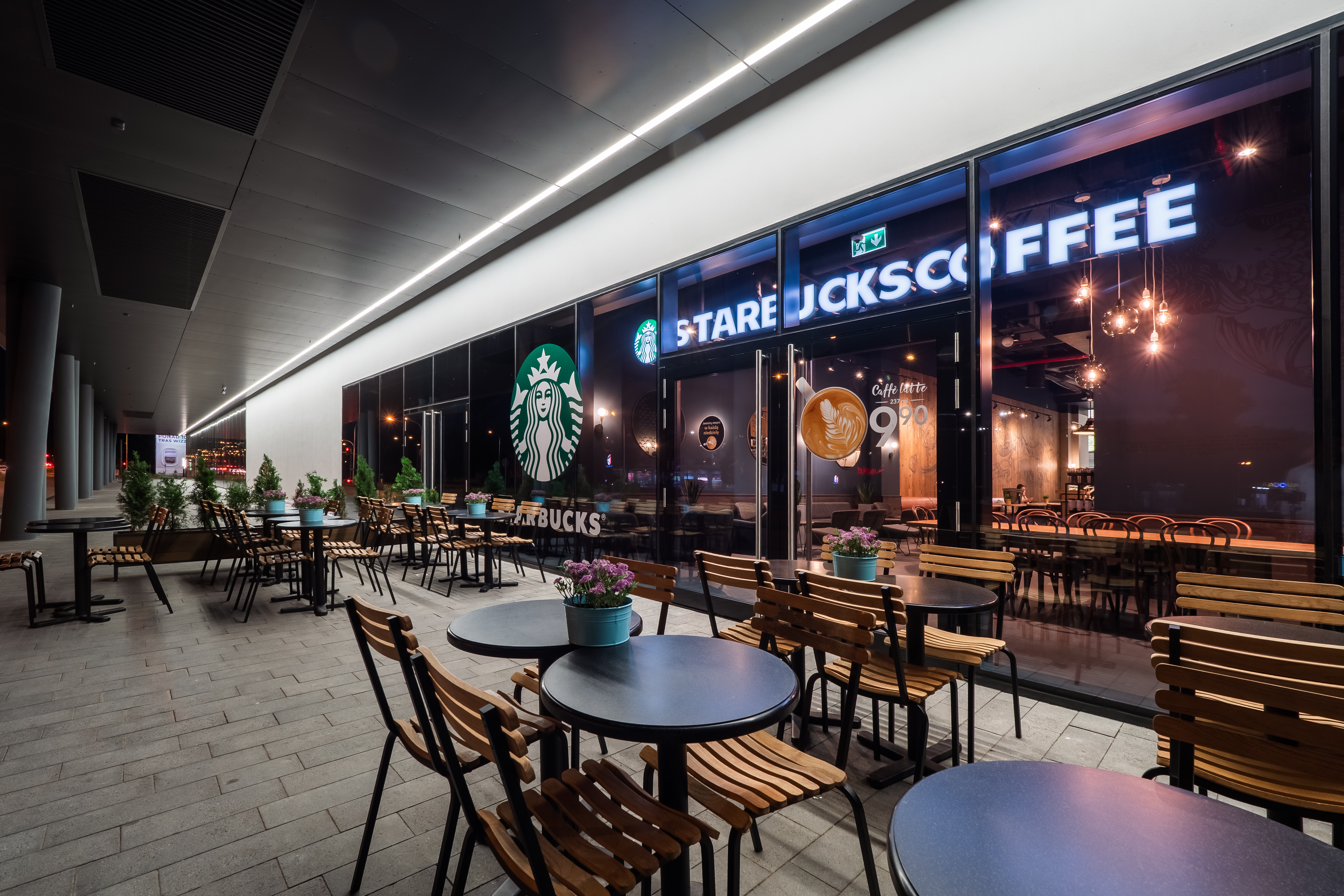
Assistant managers play a vital role in nurturing leadership within the coffeehouse environment. They provide a pathway for internal career growth, fostering talent from within the organization. Kelly, a Starbucks spokesperson, emphasized how the introduction of assistant managers is a pivotal step towards developing a robust retail leadership pipeline, with a goal to fill 90% of leadership roles internally. This move not only boosts employee morale but also enhances the customer experience through dedicated and skilled management.
The assistant manager initiative aligns with Starbucks' Green Apron Service model, a comprehensive approach to enhance service standards, partner deployment, and order efficiency. By integrating assistant managers into this model, Starbucks can streamline operations, improve peak hour throughput, and ultimately elevate the overall customer experience. This strategic alignment ensures that every aspect of the coffeehouse operation is geared towards efficiency and excellence.
CEO Brian Niccol highlighted that the new service model not only enhances operational flexibility but also aids in capturing demand, increasing transactions, and fostering stronger connections with customers. By pausing the rollout of certain systems and equipment, Starbucks can concentrate on optimizing its service model to achieve higher operational efficiency without incurring additional capital expenditures. This strategic focus underscores Starbucks' commitment to sustainable growth and operational excellence.
As part of its drive towards operational excellence, Starbucks has introduced virtual assistant technology in select stores. This innovative tool assists staff in accessing recipes, troubleshooting equipment, and managing last-minute adjustments efficiently. By leveraging technology to support daily operations, Starbucks aims to boost staff productivity and enhance the overall guest experience. This integration of digital solutions showcases Starbucks' commitment to blending traditional hospitality with cutting-edge technology.