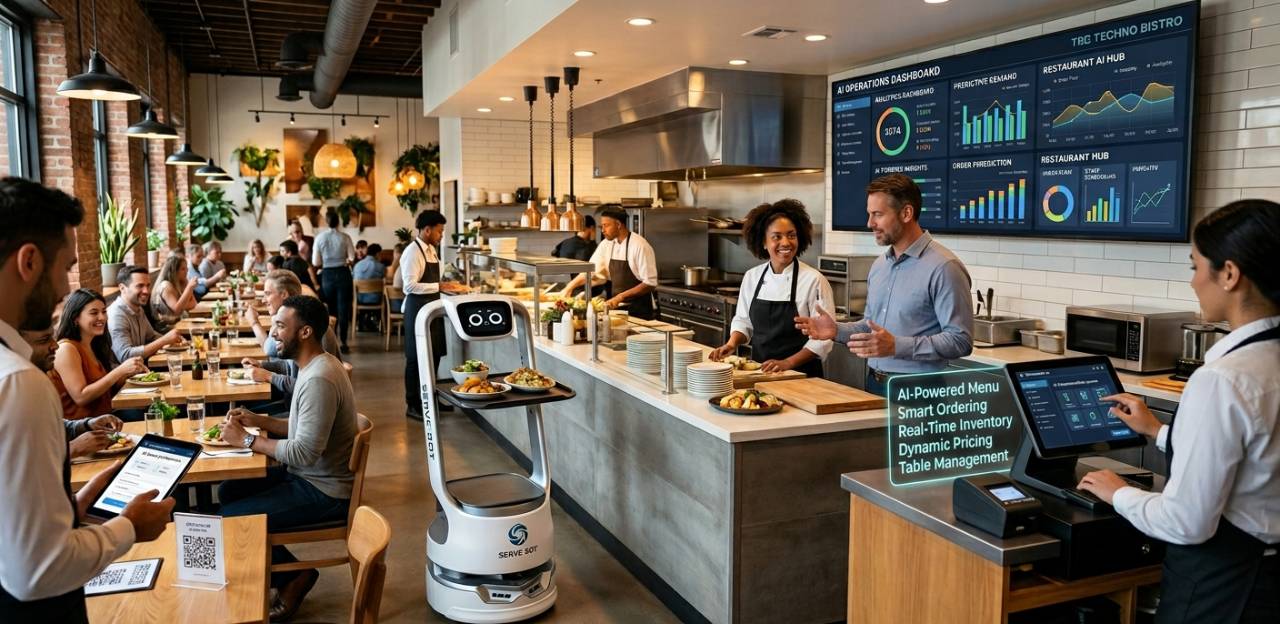
AI Playbook for Restaurant Owners
This AI playbook covers restaurant tools for voice ordering, staffing, compliance, menu pricing, inventory, marketing, ChatGPT prompts, and SEO.
tech
May 15, 2026
This AI playbook covers restaurant tools for voice ordering, staffing, compliance, menu pricing, inventory, marketing, ChatGPT prompts, and SEO.
May 15, 2026
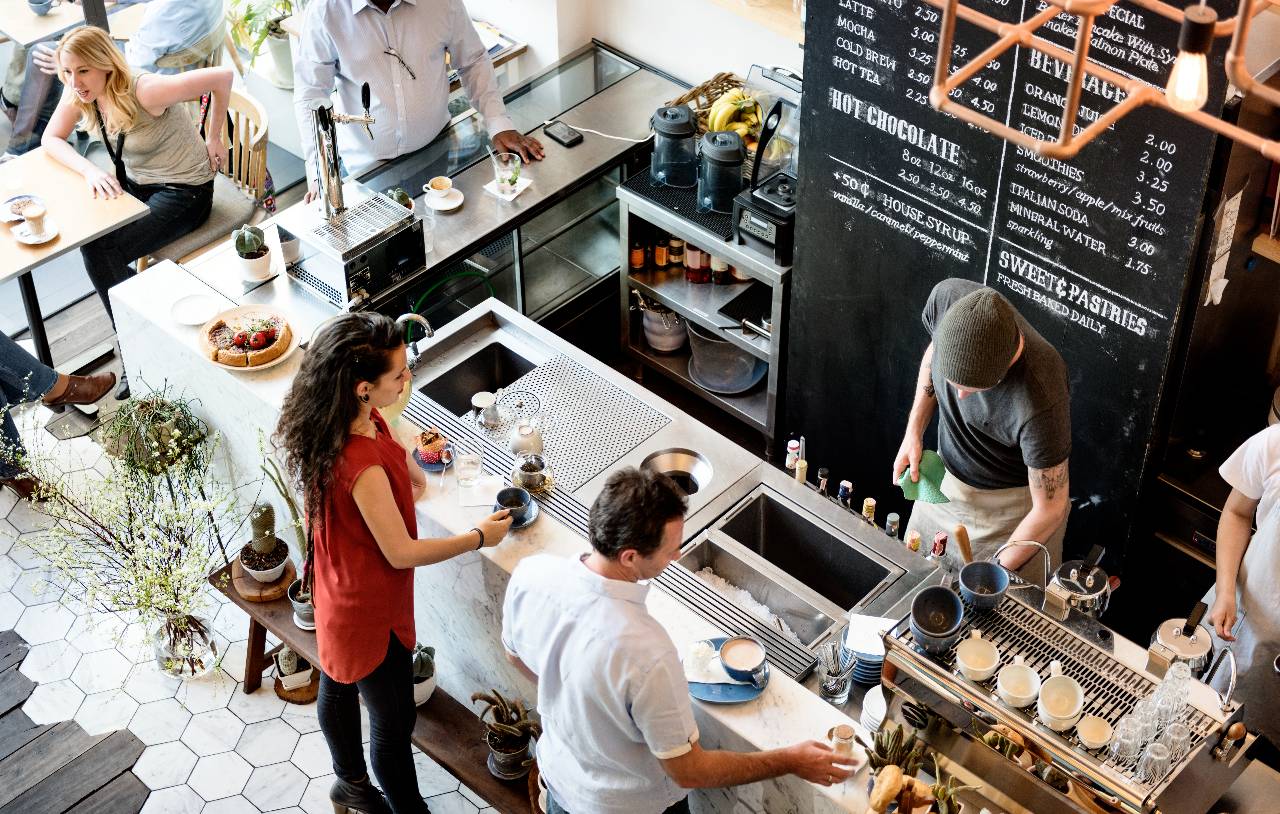
Opening a coffee shop in 2026 requires careful cost planning across rent, equipment, labor, technology, menu strategy, marketing, and sustainability.
May 15, 2026
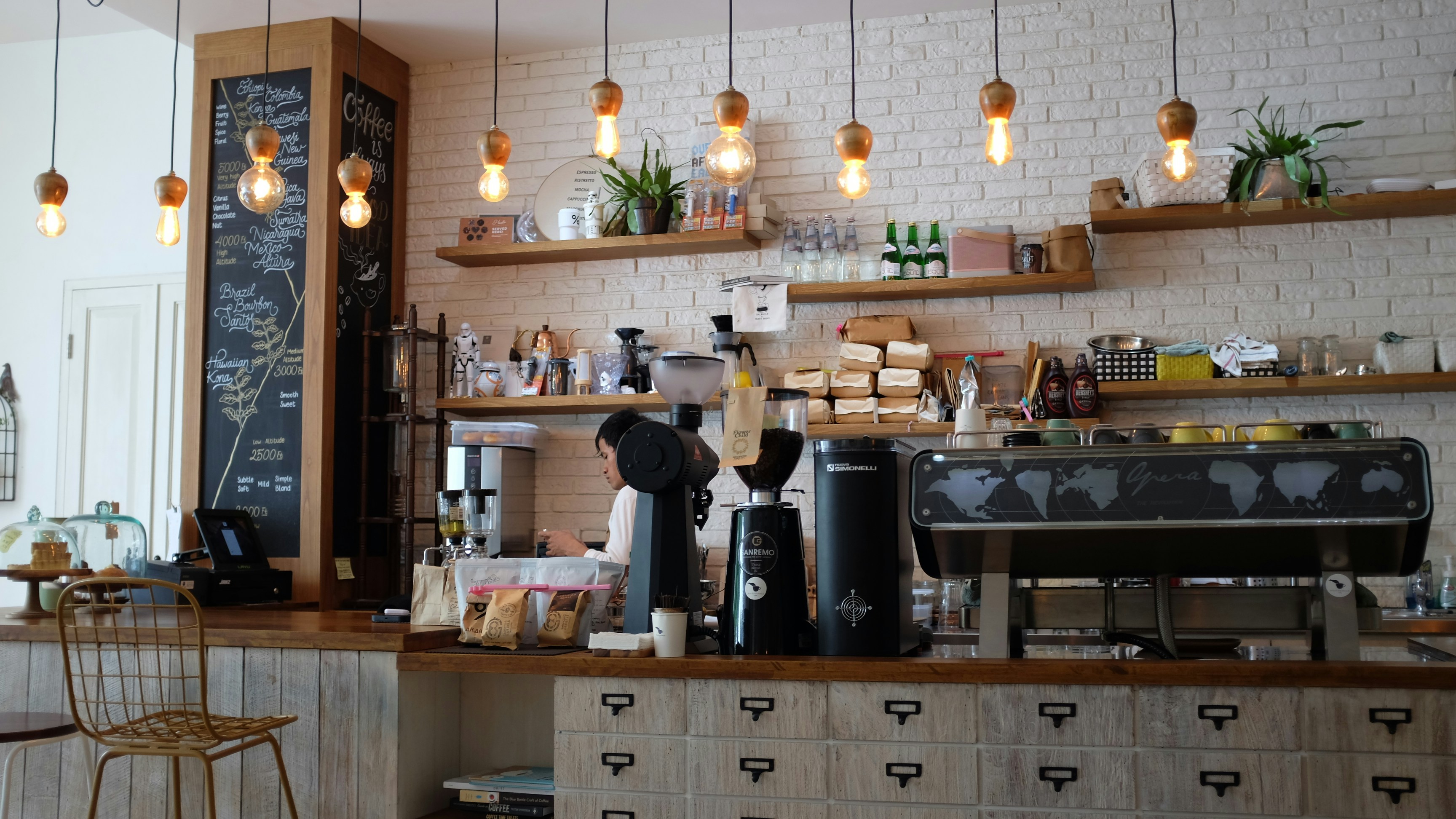
Hardee’s giant Boddie-Noell inks 31-unit Scooter’s Coffee deal for NC and VA, leveraging drive-thru growth and local roots with rollout over 12–18 months.
May 15, 2026
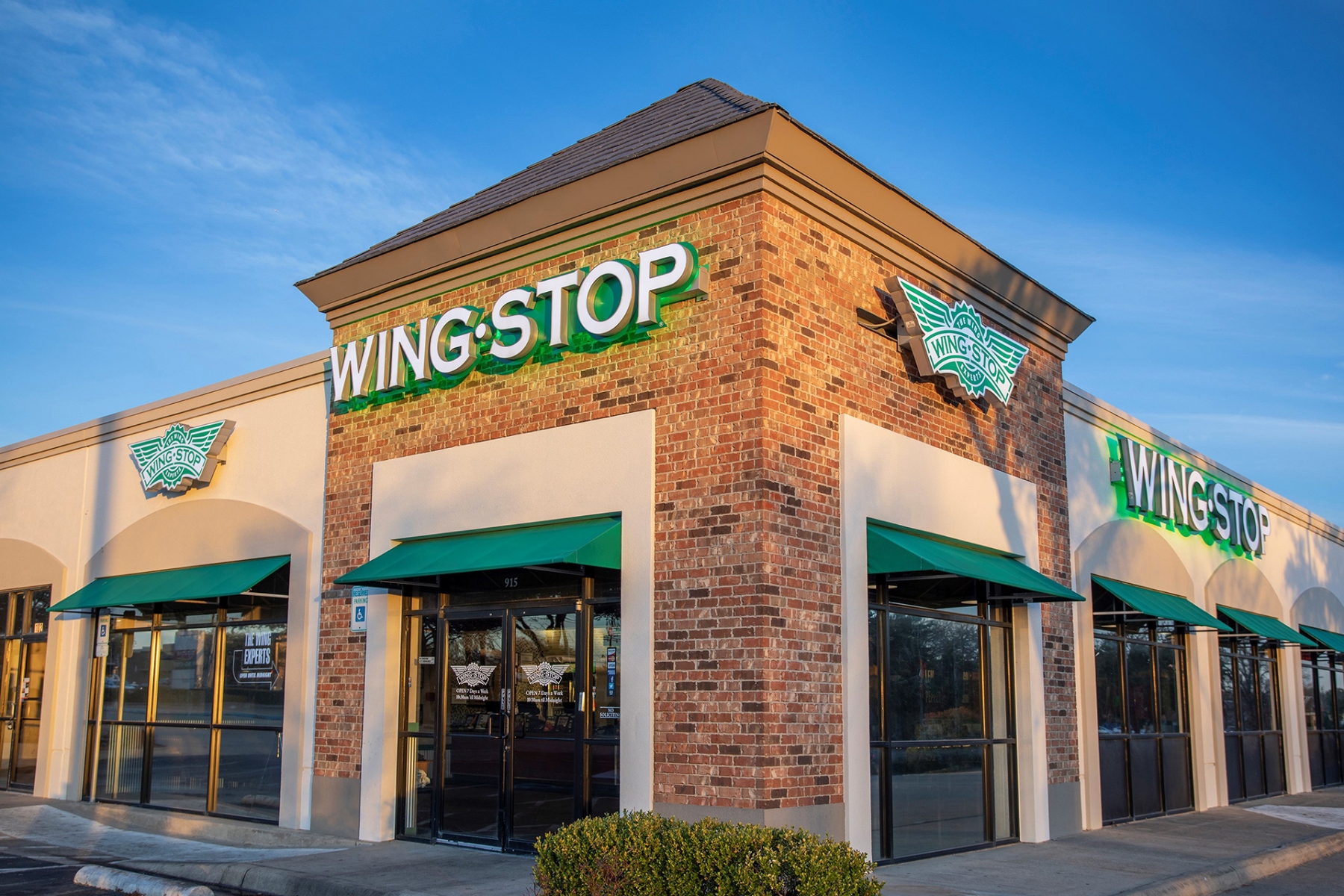
Wingstop turns match weeks into a multi-sensory festival, aligning bold pop-ups with World Cup energy to build brand affinity and measurable momentum.
May 15, 2026
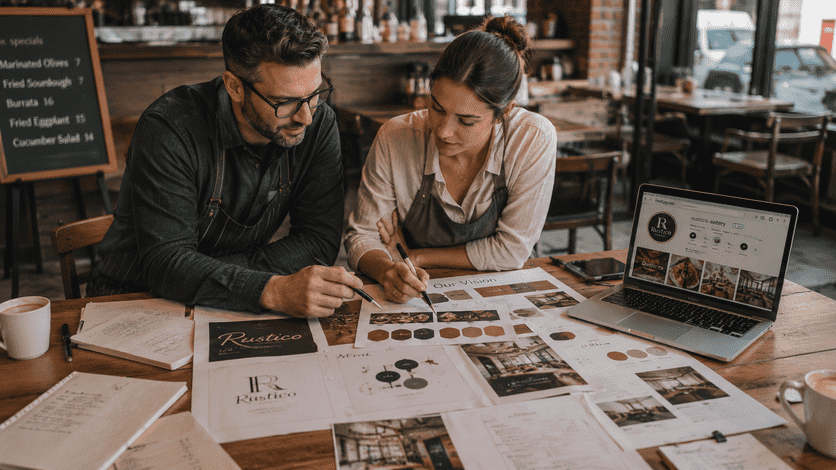
Learn how to develop a memorable restaurant brand identity that stands out in a crowded market, attracts loyal customers, and drives repeat business with actionable strategies and affordable tools.
May 15, 2026
The parent company behind Dunkin', Buffalo Wild Wings, and Arby's has filed for an IPO a move that could reshape how Wall Street views the restaurant sector.
May 15, 2026
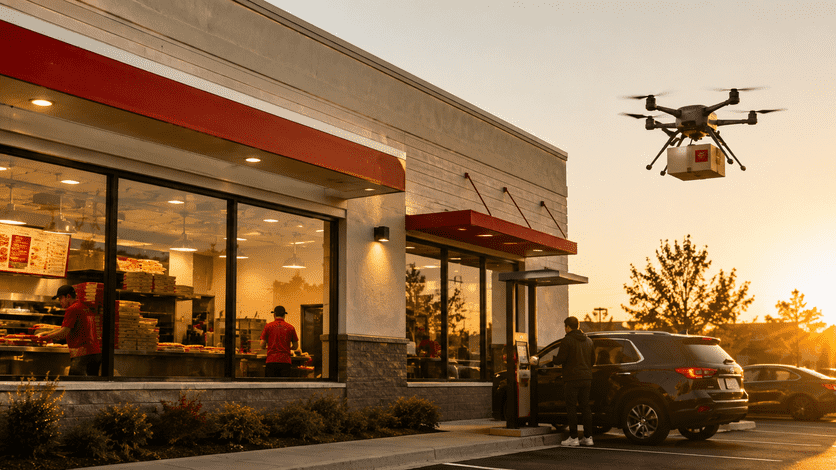
Papa Johns has teamed up with Alphabet's Wing for drone delivery of its new sandwich lineup in parts of Charlotte marking the first partnership of its kind between Wing and a national QSR brand.
May 15, 2026
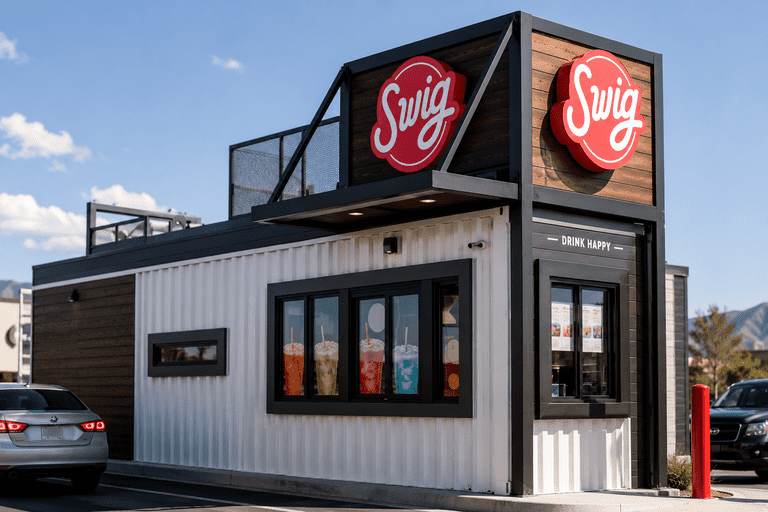
Dirty soda chain Swig is expanding into Colorado through a 10-unit franchise deal, riding a consumer beverage trend that's catching the attention of major QSR players nationwide.
May 15, 2026
A warm, expert-led look at McDonald’s Q1 results, menu makeover, and the refranchise question shaping its growth.
May 14, 2026
A reflective look at Habit Ranch, its immersive desert activation, and what it signals for brand loyalty and mindful, experiential dining.
May 14, 2026

Unlock Exclusive Access To Webinars, Events, And The Latest News For Free!
How incorporating delivery services can boost sales, reach more customers, and enhance the overall operational efficiency of your restaurant.
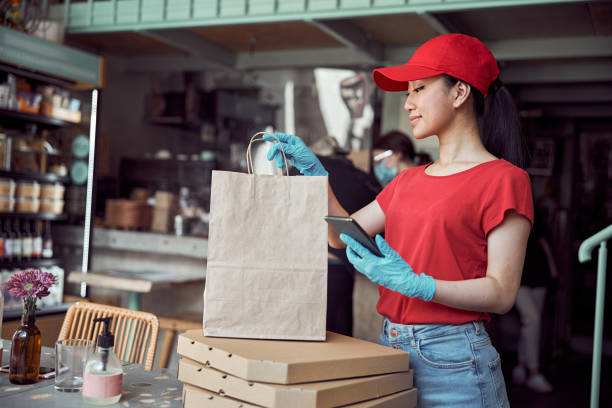
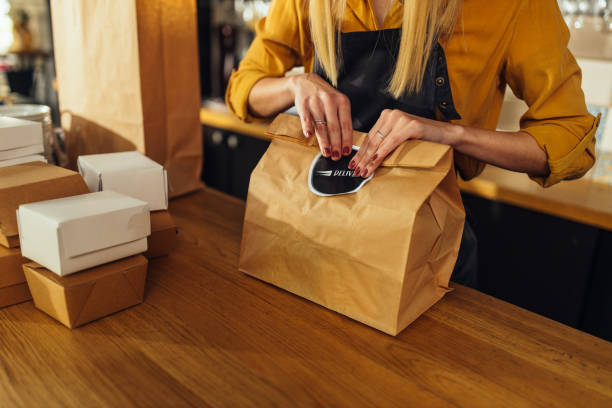
The strategic decision of incorporating delivery services, as exemplified by Olive Garden's successful pilot program, showcases a significant shift in restaurant operations. By expanding their reach and catering to the evolving needs of customers, restaurants like Olive Garden experience notable sales growth and heightened customer engagement.
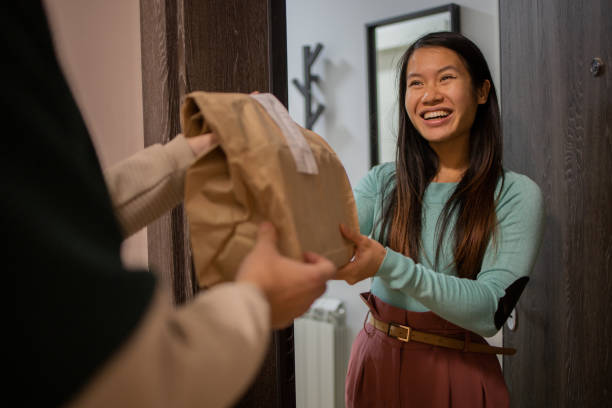
The introduction of delivery services not only boosts sales by tapping into a new revenue stream but also extends the reach of restaurants to a broader customer base. This increased accessibility attracts customers who may prefer dining at home, thereby increasing sales volume and revenue.
Integrating delivery services enhances operational efficiency by streamlining order fulfillment processes. Restaurants like Cheddar's, with food that travels well and a track record of accurate to-go orders, demonstrate how operational adaptability and efficiency are crucial for successful delivery implementation.
Delivery services not only serve as a sales driver but also as a tool for engaging customers. Initiatives like communicating delivery options to eClub members and utilizing digital marketing campaigns demonstrate how increasing customer awareness leads to improved responses and accelerated delivery growth.
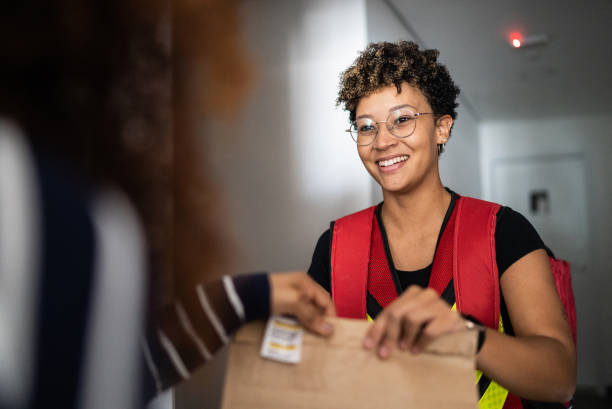
By analyzing the demographics of delivery customers compared to dine-in guests, restaurants can tailor offerings to different segments effectively. With minimal overlap between the two customer groups, delivery services introduce incremental sales opportunities, attracting a younger and higher-income clientele.
The seamless integration of delivery services into existing operations, resembling an extension of curbside to-go services, illustrates the operational synergy within the restaurant industry. Such integration, coupled with the collaboration with delivery partners like Uber, ensures a smooth and efficient process for both the restaurant and the customers.