How Much Does It Cost to Open a Coffee Shop in 2026?
Opening a coffee shop in 2026 requires careful cost planning across rent, equipment, labor, technology, menu strategy, marketing, and sustainability.
operations
May 15, 2026
Opening a coffee shop in 2026 requires careful cost planning across rent, equipment, labor, technology, menu strategy, marketing, and sustainability.
May 15, 2026

This AI playbook covers restaurant tools for voice ordering, staffing, compliance, menu pricing, inventory, marketing, ChatGPT prompts, and SEO.
May 15, 2026

Hardee’s giant Boddie-Noell inks 31-unit Scooter’s Coffee deal for NC and VA, leveraging drive-thru growth and local roots with rollout over 12–18 months.
May 15, 2026

Wingstop turns match weeks into a multi-sensory festival, aligning bold pop-ups with World Cup energy to build brand affinity and measurable momentum.
May 15, 2026

The parent company behind Dunkin', Buffalo Wild Wings, and Arby's has filed for an IPO a move that could reshape how Wall Street views the restaurant sector.
May 15, 2026

Learn how to develop a memorable restaurant brand identity that stands out in a crowded market, attracts loyal customers, and drives repeat business with actionable strategies and affordable tools.
May 15, 2026

Dirty soda chain Swig is expanding into Colorado through a 10-unit franchise deal, riding a consumer beverage trend that's catching the attention of major QSR players nationwide.
May 15, 2026

Papa Johns has teamed up with Alphabet's Wing for drone delivery of its new sandwich lineup in parts of Charlotte marking the first partnership of its kind between Wing and a national QSR brand.
May 15, 2026

A warm, expert-led look at McDonald’s Q1 results, menu makeover, and the refranchise question shaping its growth.
May 14, 2026

A reflective look at Habit Ranch, its immersive desert activation, and what it signals for brand loyalty and mindful, experiential dining.
May 14, 2026

Unlock Exclusive Access To Webinars, Events, And The Latest News For Free!
Explore the strategic equipment changes at Popeyes as part of the Easy to Run initiative and its effect on franchisee profits and operational efficiency.
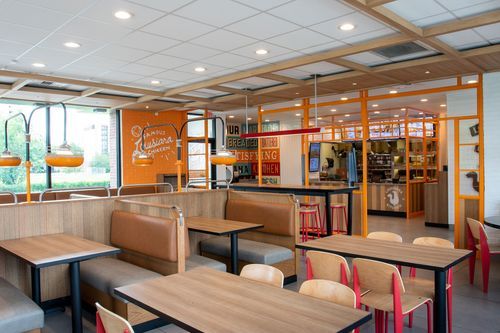
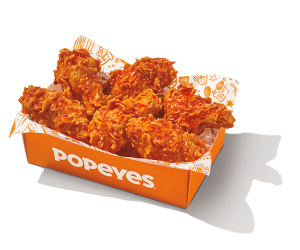
The Easy to Run initiative at Popeyes is centered around standardizing processes, upgrading technology, and introducing new kitchen equipment as well as a redesigned production line. This strategic move aims to streamline operations, improve efficiency, and ultimately drive profitability for franchisees.
Popeyes' overhaul initiative shares strategic similarities with Burger King's 'Reclaim the Flame' initiative, both focusing on modernizing the brands to boost franchisee profits. The success of 'Reclaim the Flame' in enhancing sales at renovated Burger King stores underscores the potential positive impact of such initiatives on brand performance.
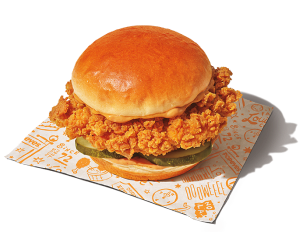
RBI rigorously tested equipment changes at 200 Popeyes locations over 18 months before planning a nationwide implementation. Within 22 months, all Popeyes in the U.S. are expected to have advanced technological upgrades including cloud-based point of sale systems, digital drop charts, and kiosks.
.png)
The introduction of new equipment and processes is anticipated to reduce wait times, enhance order accuracy, and improve the overall employee experience. Hub markets such as Houston and Orlando, Florida, where the Easy to Run initiative is well-advanced, have already demonstrated significant performance gains.
Patrick Doyle, the executive chairman at RBI, emphasizes the importance of franchisee profitability in driving growth targets, aiming for Popeyes to achieve $300,000 in four-wall franchisee profits. This focus on franchisee well-being aligns with RBI's long-term strategy and highlights the crucial role of operational efficiency in sustaining brand growth.
To counter weak sales growth, RBI plans to boost ad spend by increasing the national advertising rate. Incrementally raising the rate from 4.5% to 5% and potentially to 5.5% through franchise agreements amendments is expected to drive sales. Unit economics will benefit from a $4,000-per-restaurant credit to offset initial marketing investments.