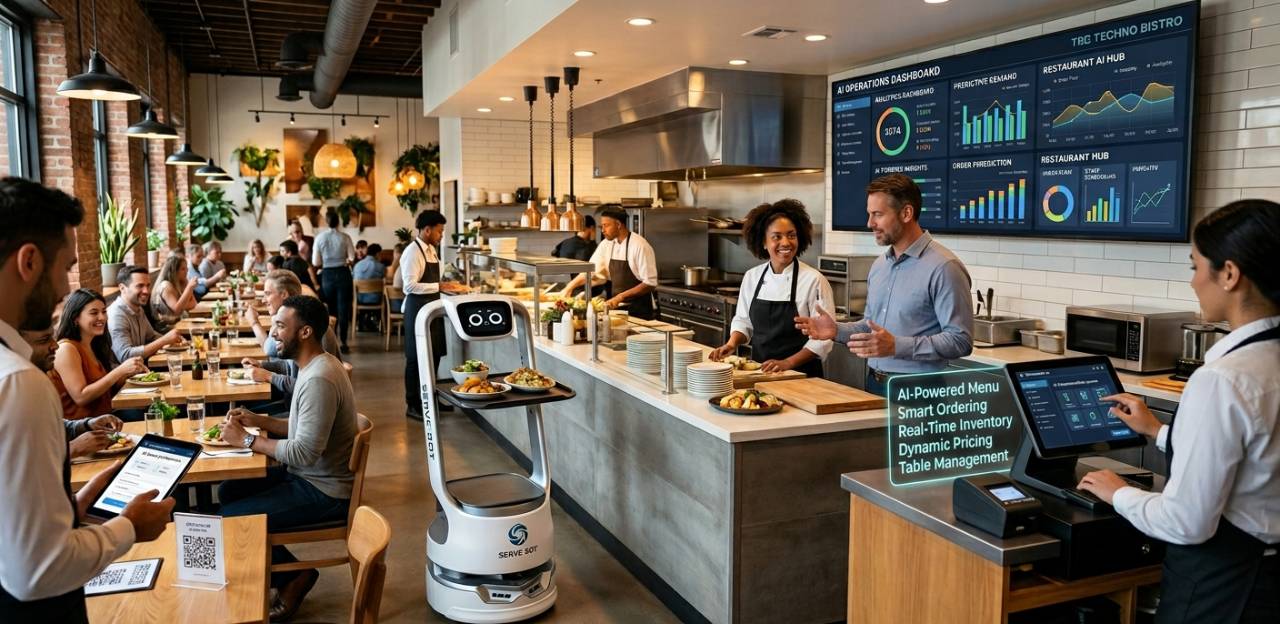
AI Playbook for Restaurant Owners
This AI playbook covers restaurant tools for voice ordering, staffing, compliance, menu pricing, inventory, marketing, ChatGPT prompts, and SEO.
tech
May 15, 2026
This AI playbook covers restaurant tools for voice ordering, staffing, compliance, menu pricing, inventory, marketing, ChatGPT prompts, and SEO.
May 15, 2026
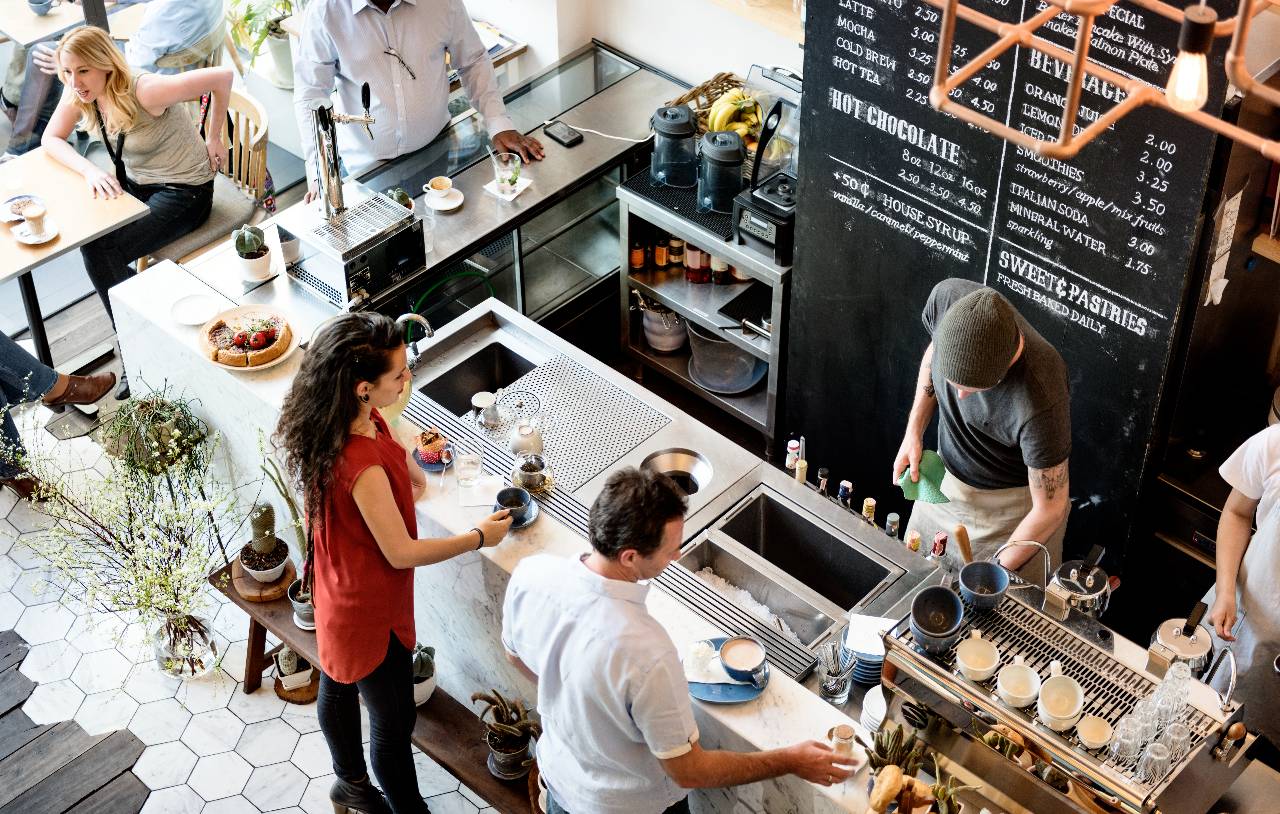
Opening a coffee shop in 2026 requires careful cost planning across rent, equipment, labor, technology, menu strategy, marketing, and sustainability.
May 15, 2026
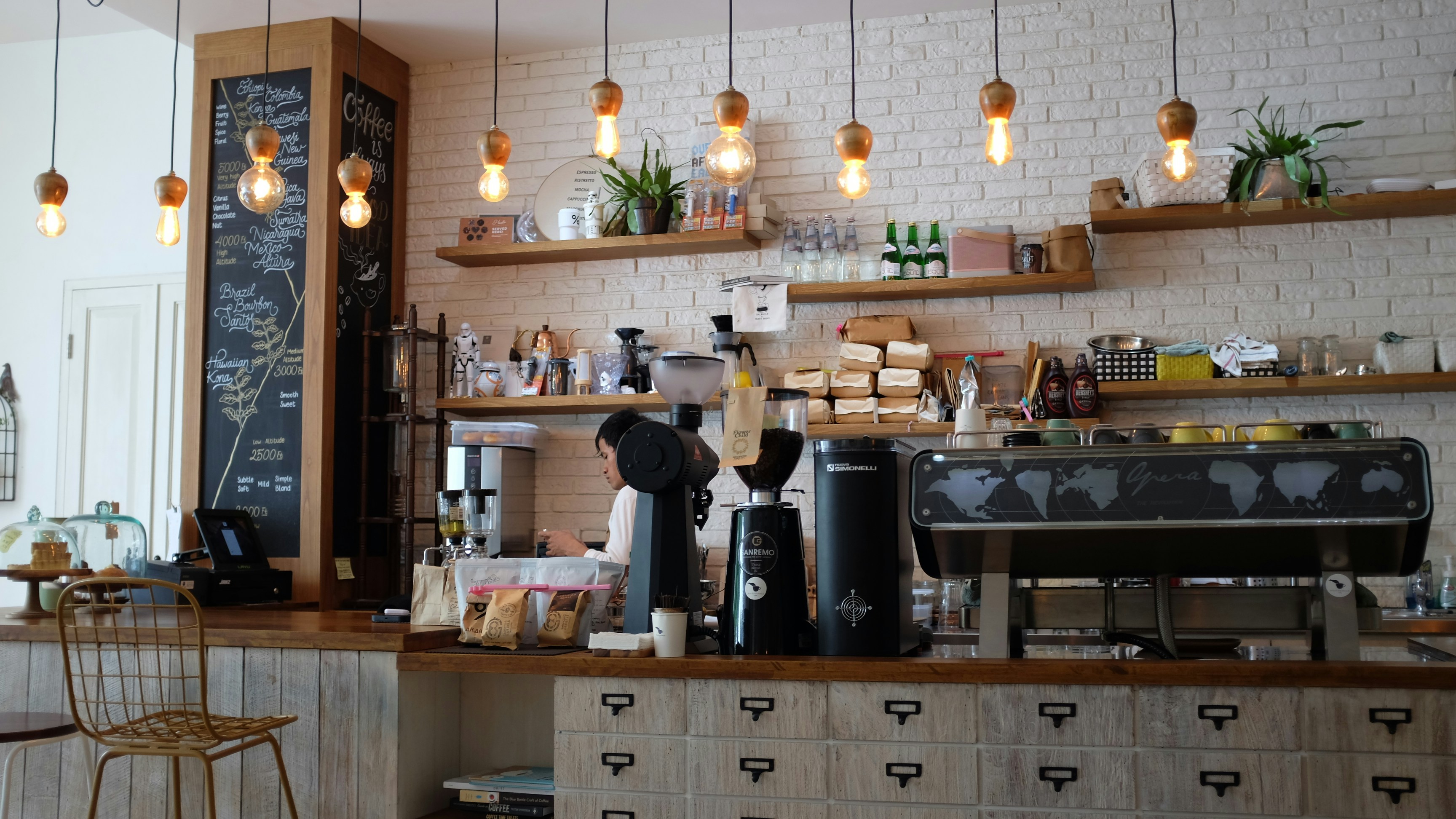
Hardee’s giant Boddie-Noell inks 31-unit Scooter’s Coffee deal for NC and VA, leveraging drive-thru growth and local roots with rollout over 12–18 months.
May 15, 2026
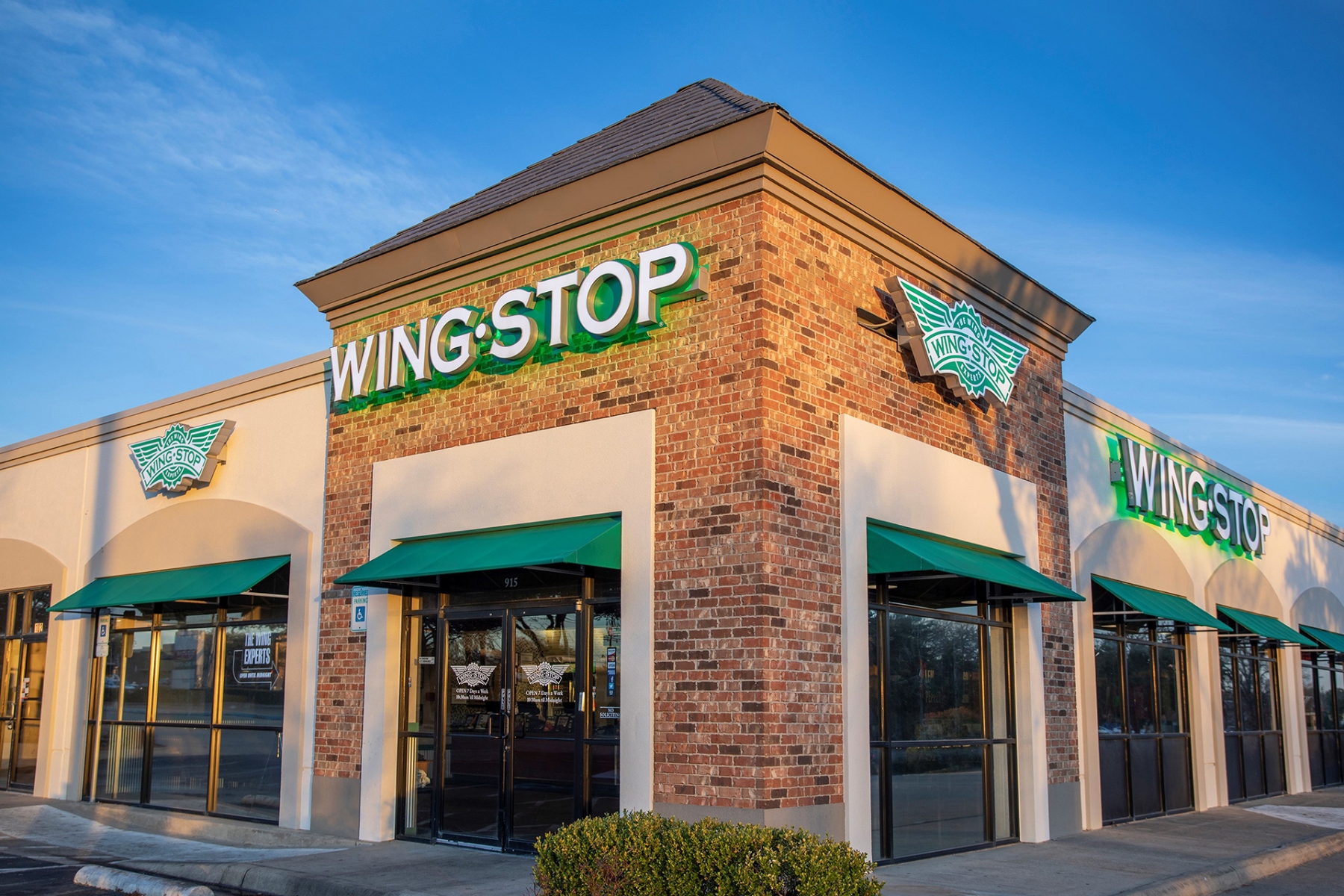
Wingstop turns match weeks into a multi-sensory festival, aligning bold pop-ups with World Cup energy to build brand affinity and measurable momentum.
May 15, 2026

Learn how to develop a memorable restaurant brand identity that stands out in a crowded market, attracts loyal customers, and drives repeat business with actionable strategies and affordable tools.
May 15, 2026
The parent company behind Dunkin', Buffalo Wild Wings, and Arby's has filed for an IPO a move that could reshape how Wall Street views the restaurant sector.
May 15, 2026
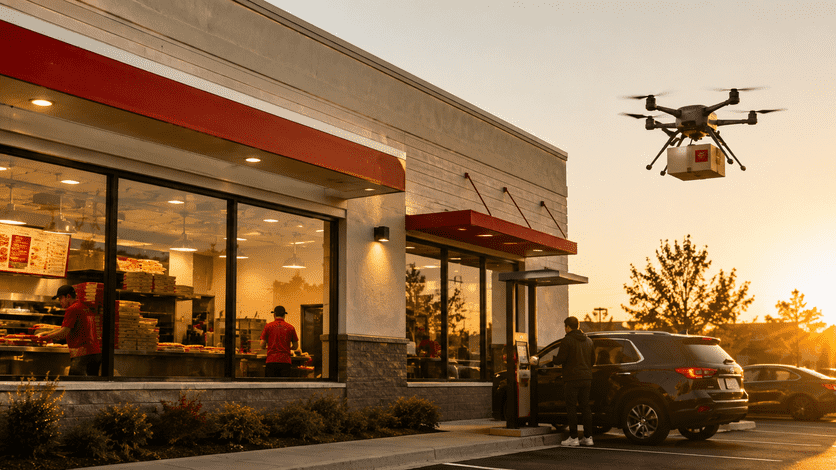
Papa Johns has teamed up with Alphabet's Wing for drone delivery of its new sandwich lineup in parts of Charlotte marking the first partnership of its kind between Wing and a national QSR brand.
May 15, 2026
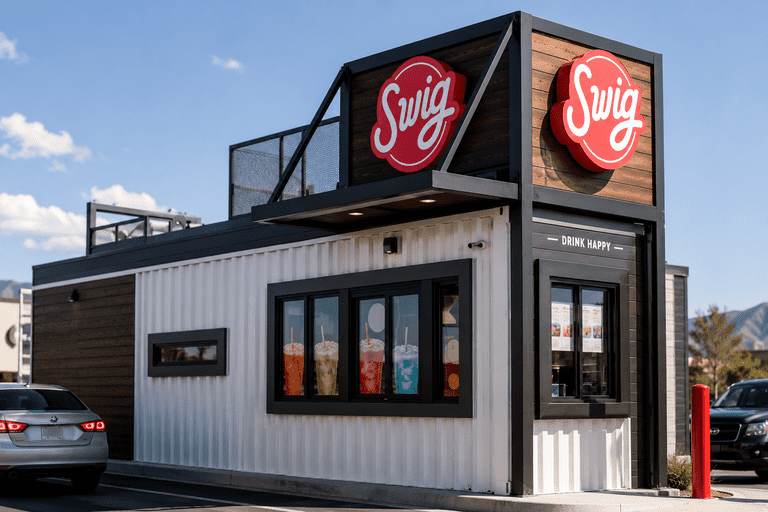
Dirty soda chain Swig is expanding into Colorado through a 10-unit franchise deal, riding a consumer beverage trend that's catching the attention of major QSR players nationwide.
May 15, 2026
A warm, expert-led look at McDonald’s Q1 results, menu makeover, and the refranchise question shaping its growth.
May 14, 2026
A reflective look at Habit Ranch, its immersive desert activation, and what it signals for brand loyalty and mindful, experiential dining.
May 14, 2026

Unlock Exclusive Access To Webinars, Events, And The Latest News For Free!
Explore how leading restaurants like Shake Shack focus on maintaining high levels of guest service while improving operational efficiency to drive better experiences and customer satisfaction.
In the competitive landscape of the restaurant industry, maintaining high levels of guest service while improving operational efficiency is a critical focus for success. Shake Shack's commitment to prioritizing guest satisfaction, as highlighted by their CEO, underscores the importance of delivering exceptional experiences to customers. By emphasizing productivity alongside increased guest satisfaction, restaurants can build a loyal customer base and stay ahead of the competition.
One of the ongoing challenges faced by restaurants like Shake Shack is throughput, especially in reducing order wait times. By addressing this challenge and continuously working on minimizing wait times, restaurants can enhance customer experience and drive loyalty. Strategies like optimizing kitchen processes, implementing technology solutions, and streamlined workflows can significantly impact throughput efficiency.
Drive-thru service plays a crucial role in improving speed and convenience for customers. Shake Shack's introduction of drive-thru combos not only aims to bridge the speed gap with competitors but also enhances the overall value proposition for customers. By offering bundled meal options and efficient drive-thru service, restaurants can cater to customer preferences and boost operational efficiency.
Despite facing challenges like fluctuating traffic due to external factors such as bad weather, successful restaurants adapt by innovating their formats, layouts, and operational processes. Shake Shack's strategy of introducing smaller formats and exploring new ordering channels demonstrates a proactive approach to meeting changing consumer demands and market trends. Adapting to industry pressures ensures that restaurants can remain competitive and continue to deliver exceptional guest experiences.
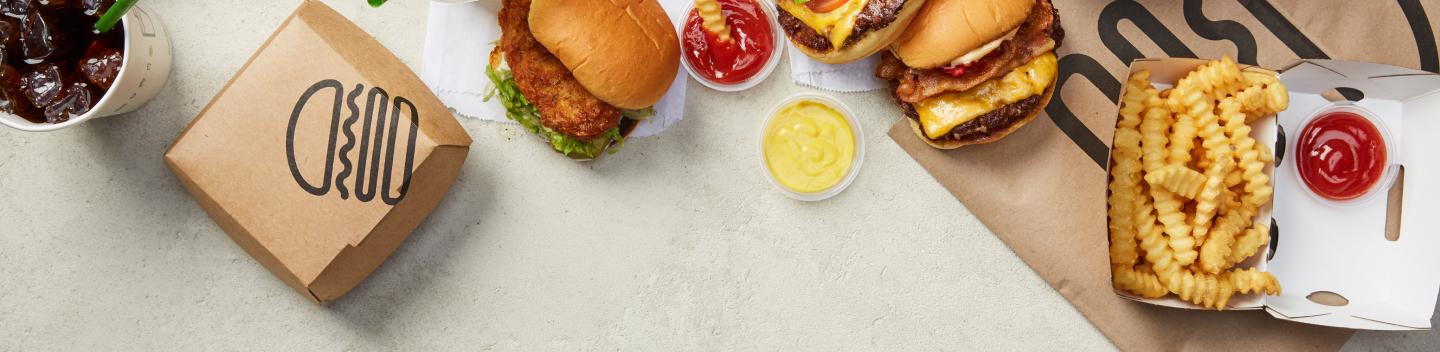
Continuous improvement in guest experience, culinary offerings, and operational efficiency is fundamental to the long-term success of restaurants. By leveraging data-driven insights, feedback mechanisms, and innovative solutions, restaurants can outperform customer expectations, reduce operating costs, and enhance overall profitability. The focus on pushing culinary boundaries while maintaining cost efficiency reflects a balanced approach to driving growth and innovation.