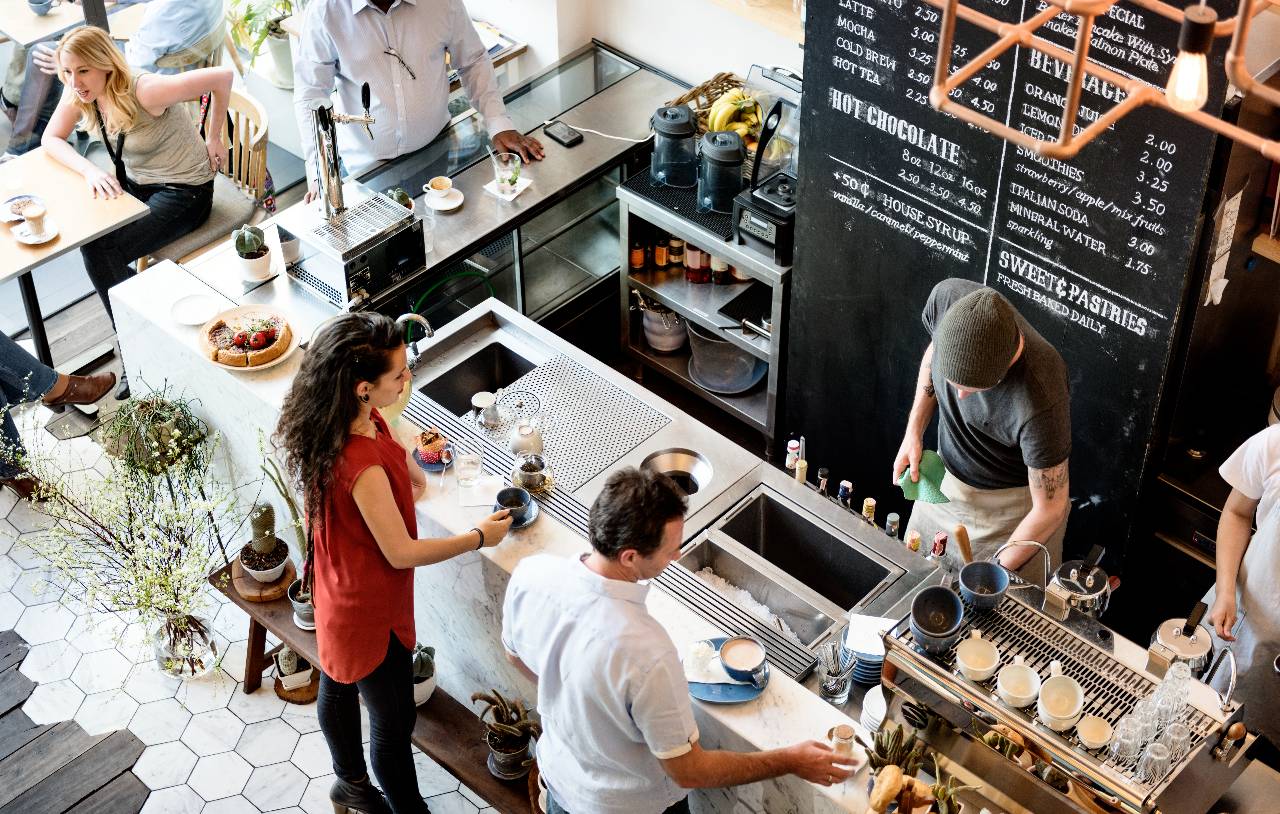
How Much Does It Cost to Open a Coffee Shop in 2026?
Opening a coffee shop in 2026 requires careful cost planning across rent, equipment, labor, technology, menu strategy, marketing, and sustainability.
operations
May 15, 2026
Opening a coffee shop in 2026 requires careful cost planning across rent, equipment, labor, technology, menu strategy, marketing, and sustainability.
May 15, 2026
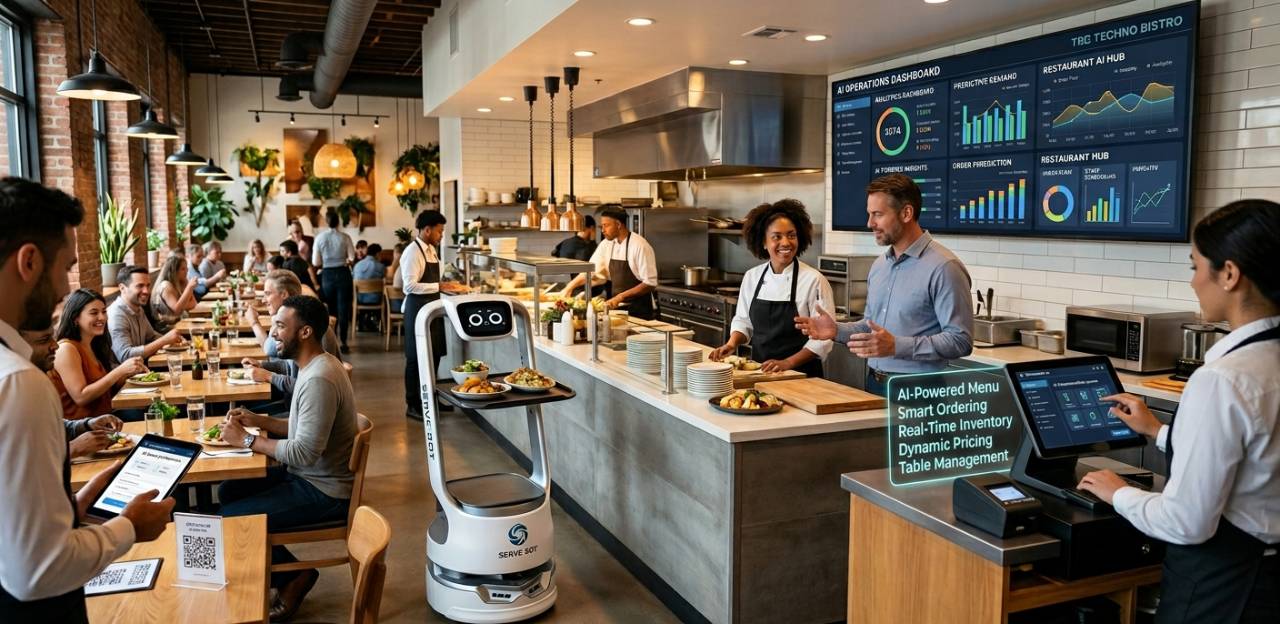
This AI playbook covers restaurant tools for voice ordering, staffing, compliance, menu pricing, inventory, marketing, ChatGPT prompts, and SEO.
May 15, 2026
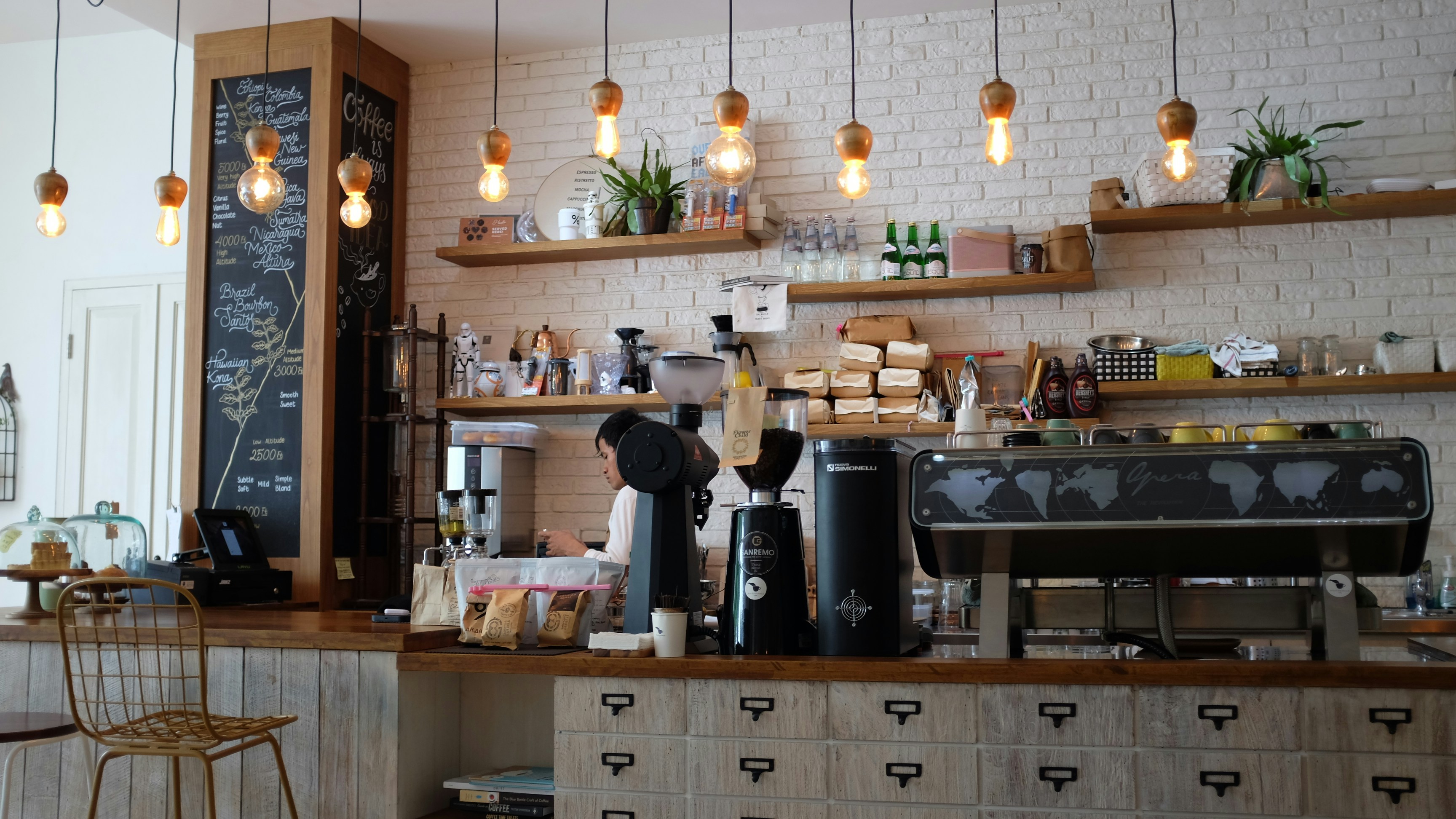
Hardee’s giant Boddie-Noell inks 31-unit Scooter’s Coffee deal for NC and VA, leveraging drive-thru growth and local roots with rollout over 12–18 months.
May 15, 2026
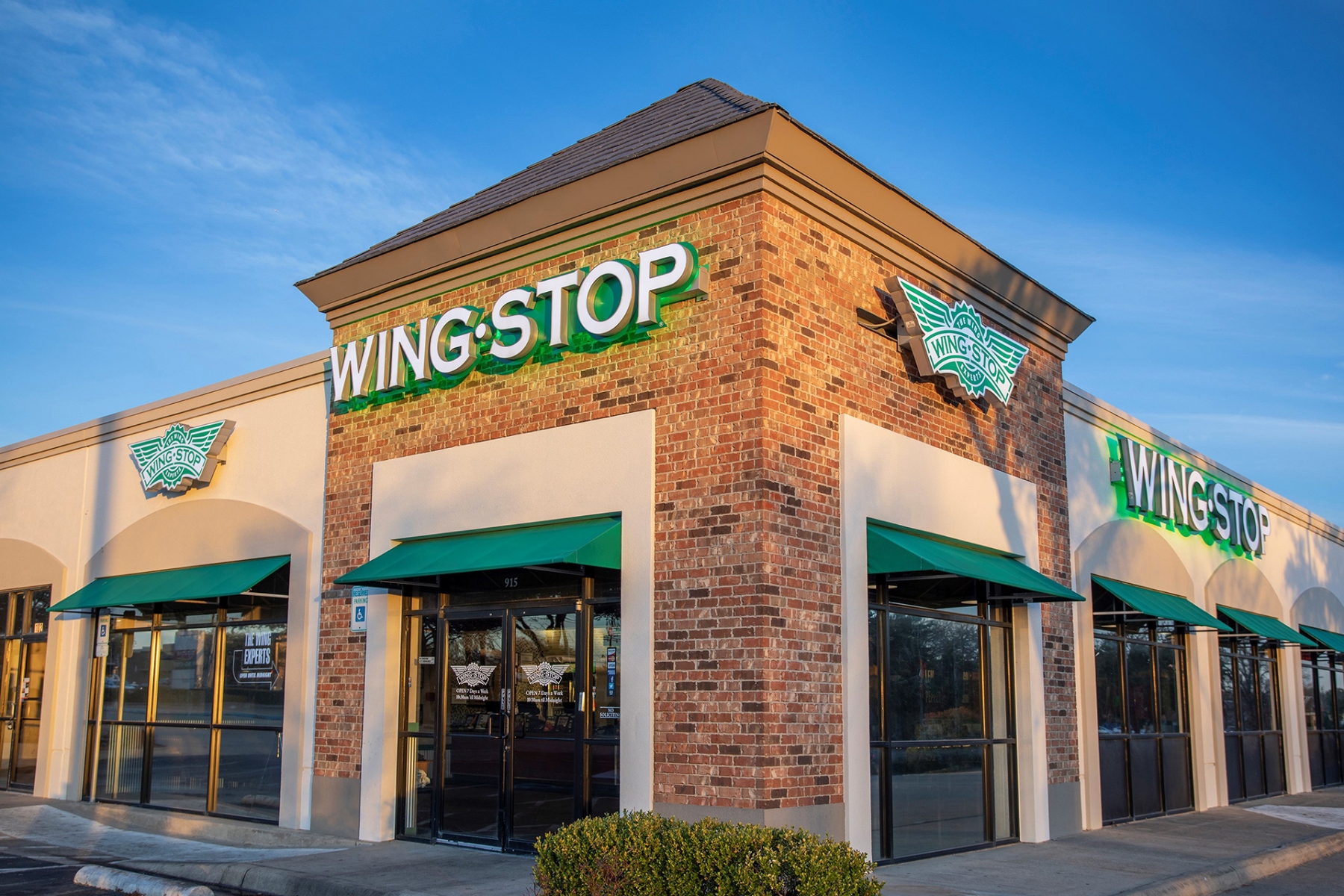
Wingstop turns match weeks into a multi-sensory festival, aligning bold pop-ups with World Cup energy to build brand affinity and measurable momentum.
May 15, 2026
The parent company behind Dunkin', Buffalo Wild Wings, and Arby's has filed for an IPO a move that could reshape how Wall Street views the restaurant sector.
May 15, 2026

Learn how to develop a memorable restaurant brand identity that stands out in a crowded market, attracts loyal customers, and drives repeat business with actionable strategies and affordable tools.
May 15, 2026
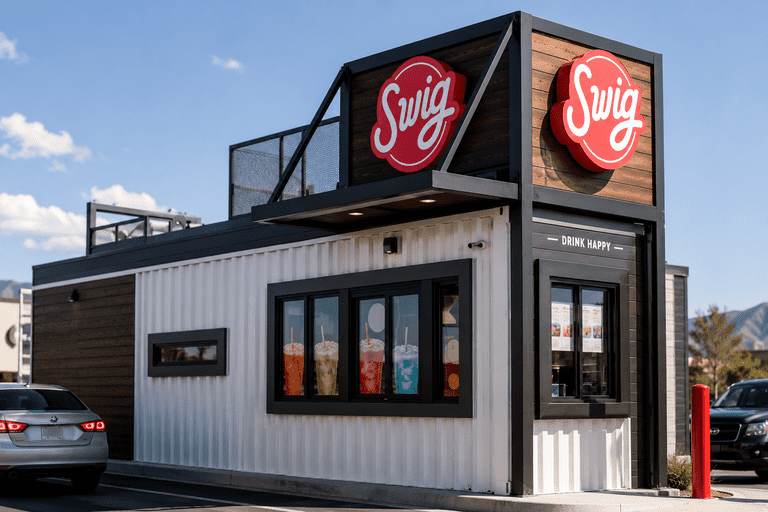
Dirty soda chain Swig is expanding into Colorado through a 10-unit franchise deal, riding a consumer beverage trend that's catching the attention of major QSR players nationwide.
May 15, 2026
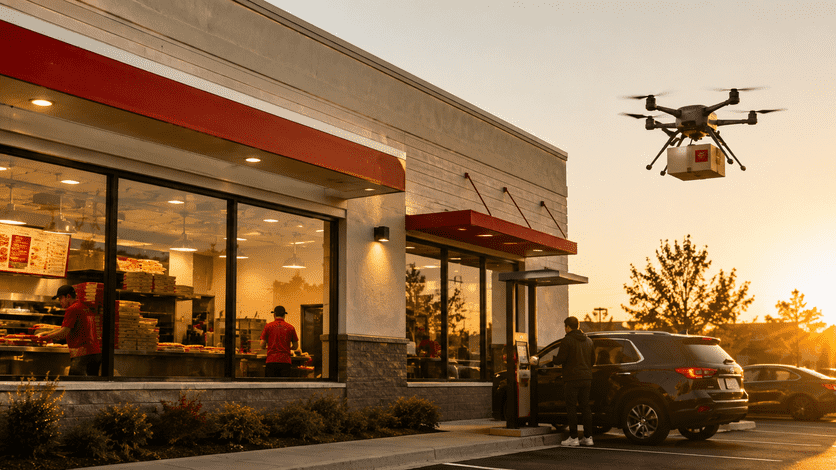
Papa Johns has teamed up with Alphabet's Wing for drone delivery of its new sandwich lineup in parts of Charlotte marking the first partnership of its kind between Wing and a national QSR brand.
May 15, 2026
A warm, expert-led look at McDonald’s Q1 results, menu makeover, and the refranchise question shaping its growth.
May 14, 2026
A reflective look at Habit Ranch, its immersive desert activation, and what it signals for brand loyalty and mindful, experiential dining.
May 14, 2026

Unlock Exclusive Access To Webinars, Events, And The Latest News For Free!
How restaurant operators are leveraging technology for efficient employer hiring and implementing innovative strategies for employee retention.
Photo by Jason Leung
Employers in the restaurant industry are adapting to a changing landscape by exercising greater discretion in hiring processes. The National Restaurant Association (NRA) highlighted a shift towards saving time for managers by streamlining the recruitment, interviewing, and onboarding processes. This shift is driven by the recognition that time spent on administrative tasks could be better utilized in core operational activities.
Photo by Jason Leung
A significant trend identified by the NRA is the increasing investment in automated labor management, recruitment, and scheduling systems by restaurant operators. Southern Rock Restaurants, a prominent McAlister’s Deli franchisee, exemplifies this technological adoption. By leveraging technology, the company has reduced its hiring time significantly, hiring workers in as little as 24 hours compared to the traditional 14-day average using manual methods.
The NRA report also underlines the growing reliance on employee referral programs in recruitment strategies. Southern Rock Restaurants' use of QR codes and text-to-apply options has facilitated convenient application submissions via mobile devices. Moreover, employee referral programs offer bonuses for successful referrals, merging technology's speed with the credibility of employee endorsements. This approach is echoed in the NRA's finding that operators consider their employees to be the best advocates for attracting new talent.
Despite the benefits of technology, some employers remain anchored to traditional hiring practices, citing managerial preferences. The NRA noted instances where family-owned dining groups continue with manual processes, emphasizing the importance of managerial comfort. However, the success of such establishments in filling shifts showcases that a blend of approaches can be effective in recruitment.
The emphasis on employee retention in the restaurant industry is gaining momentum. Data from Paradox revealed concerning statistics where a significant percentage of candidates dropped off before their start dates, highlighting the retention challenge. To address this, operators are investing in enhanced management communication and proactive support for new hires, aiming to improve employee retention rates.
Standardized training programs, like the '20-day promise' implemented by a multi-brand restaurant company, offer a structured approach to onboarding. By setting clear expectations and shift-by-shift training benchmarks, such programs help employees transition smoothly into their roles, enhancing their overall onboarding experience. Transparency and consistent communication play crucial roles in easing new employees into the organization.