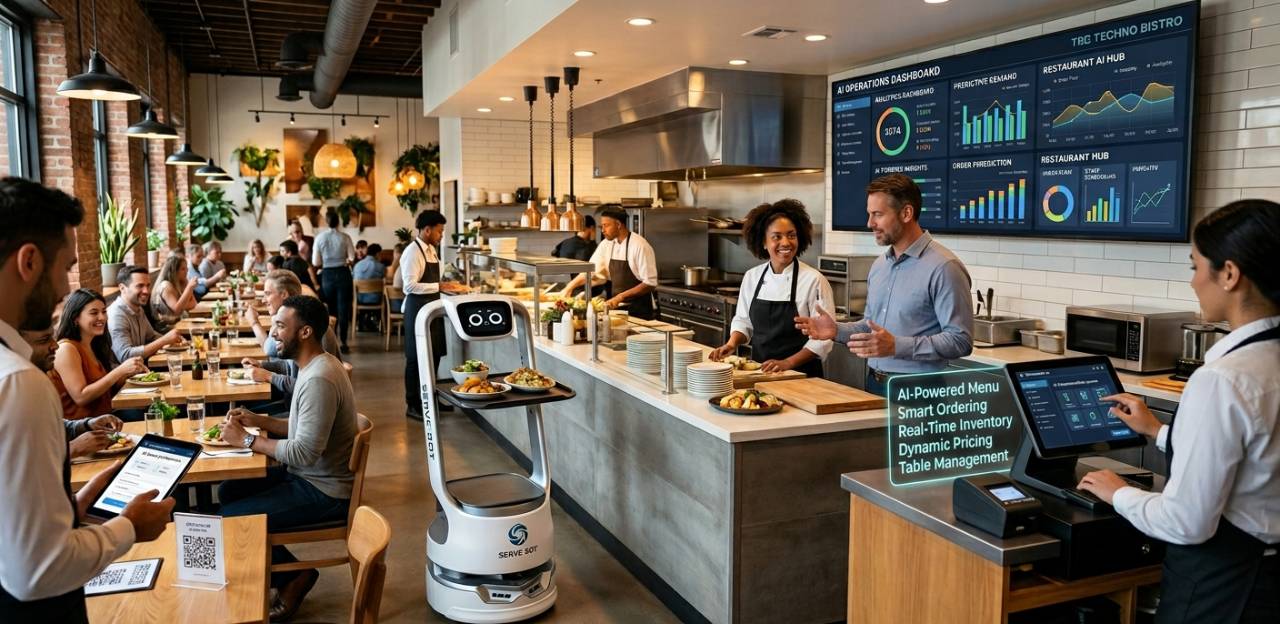
AI Playbook for Restaurant Owners
This AI playbook covers restaurant tools for voice ordering, staffing, compliance, menu pricing, inventory, marketing, ChatGPT prompts, and SEO.
tech
May 15, 2026
This AI playbook covers restaurant tools for voice ordering, staffing, compliance, menu pricing, inventory, marketing, ChatGPT prompts, and SEO.
May 15, 2026
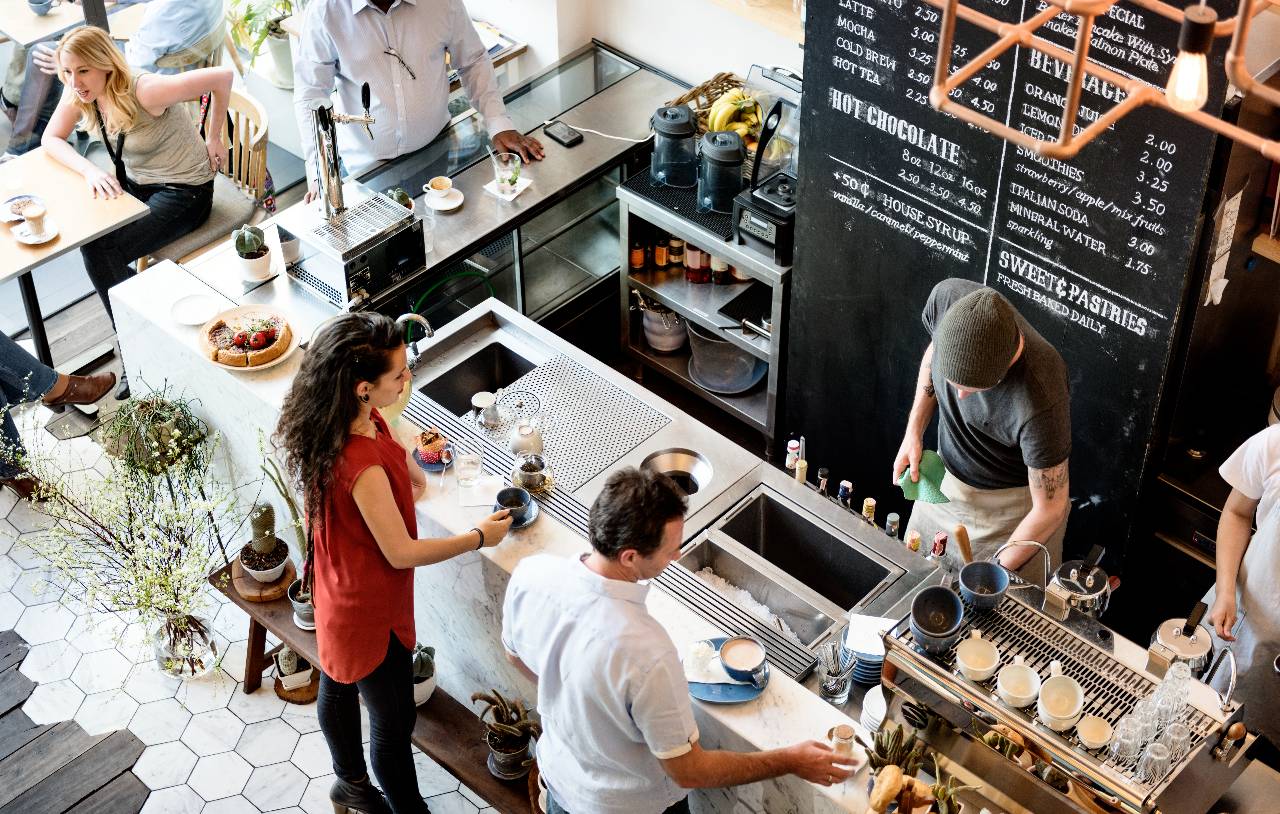
Opening a coffee shop in 2026 requires careful cost planning across rent, equipment, labor, technology, menu strategy, marketing, and sustainability.
May 15, 2026
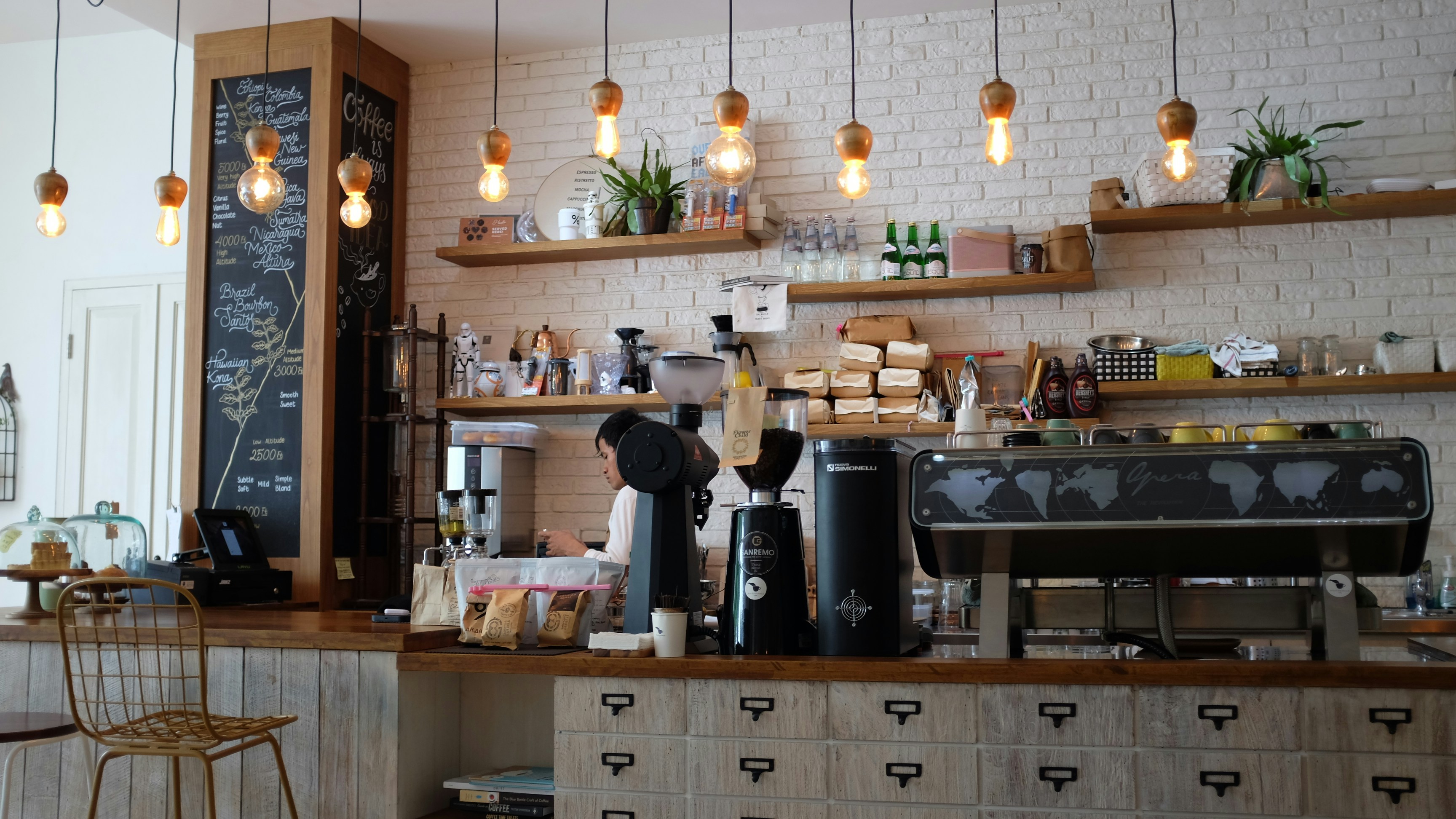
Hardee’s giant Boddie-Noell inks 31-unit Scooter’s Coffee deal for NC and VA, leveraging drive-thru growth and local roots with rollout over 12–18 months.
May 15, 2026
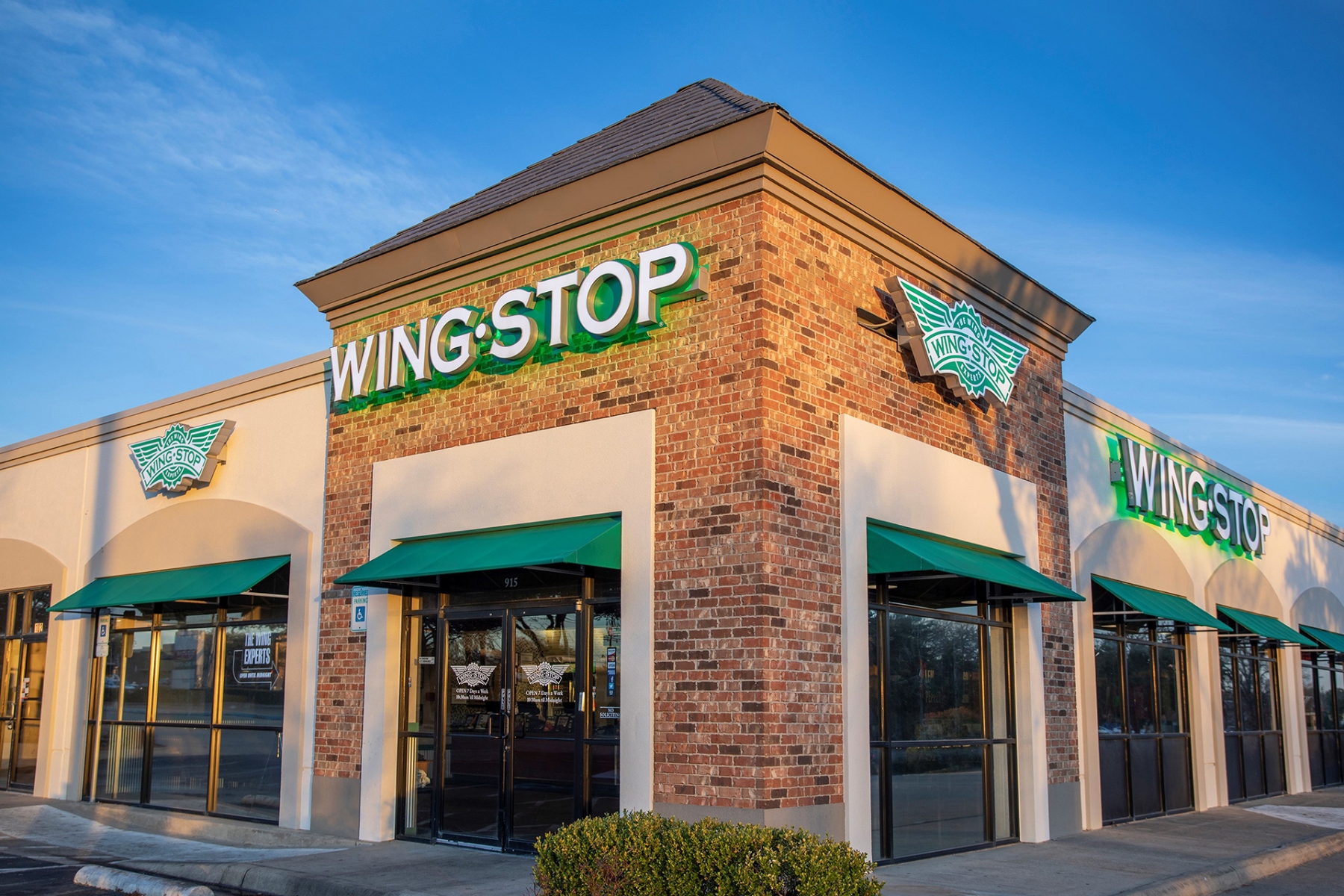
Wingstop turns match weeks into a multi-sensory festival, aligning bold pop-ups with World Cup energy to build brand affinity and measurable momentum.
May 15, 2026
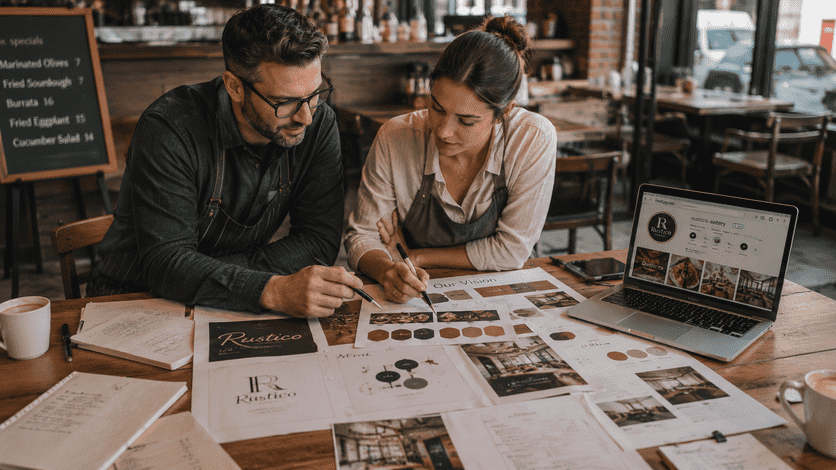
Learn how to develop a memorable restaurant brand identity that stands out in a crowded market, attracts loyal customers, and drives repeat business with actionable strategies and affordable tools.
May 15, 2026
The parent company behind Dunkin', Buffalo Wild Wings, and Arby's has filed for an IPO a move that could reshape how Wall Street views the restaurant sector.
May 15, 2026
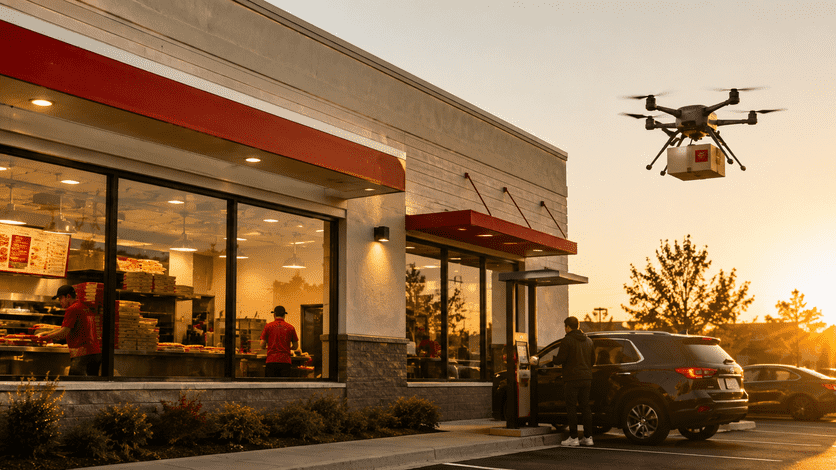
Papa Johns has teamed up with Alphabet's Wing for drone delivery of its new sandwich lineup in parts of Charlotte marking the first partnership of its kind between Wing and a national QSR brand.
May 15, 2026
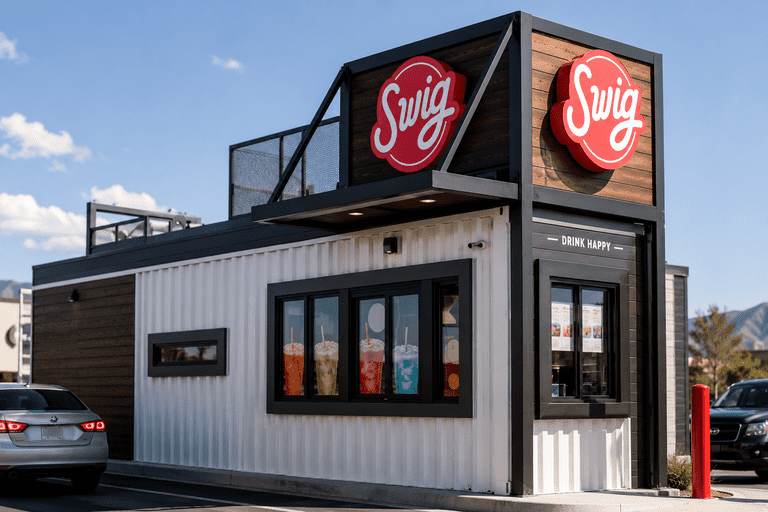
Dirty soda chain Swig is expanding into Colorado through a 10-unit franchise deal, riding a consumer beverage trend that's catching the attention of major QSR players nationwide.
May 15, 2026
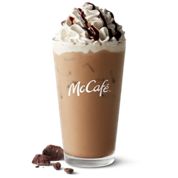
A warm, expert-led look at McDonald’s Q1 results, menu makeover, and the refranchise question shaping its growth.
May 14, 2026
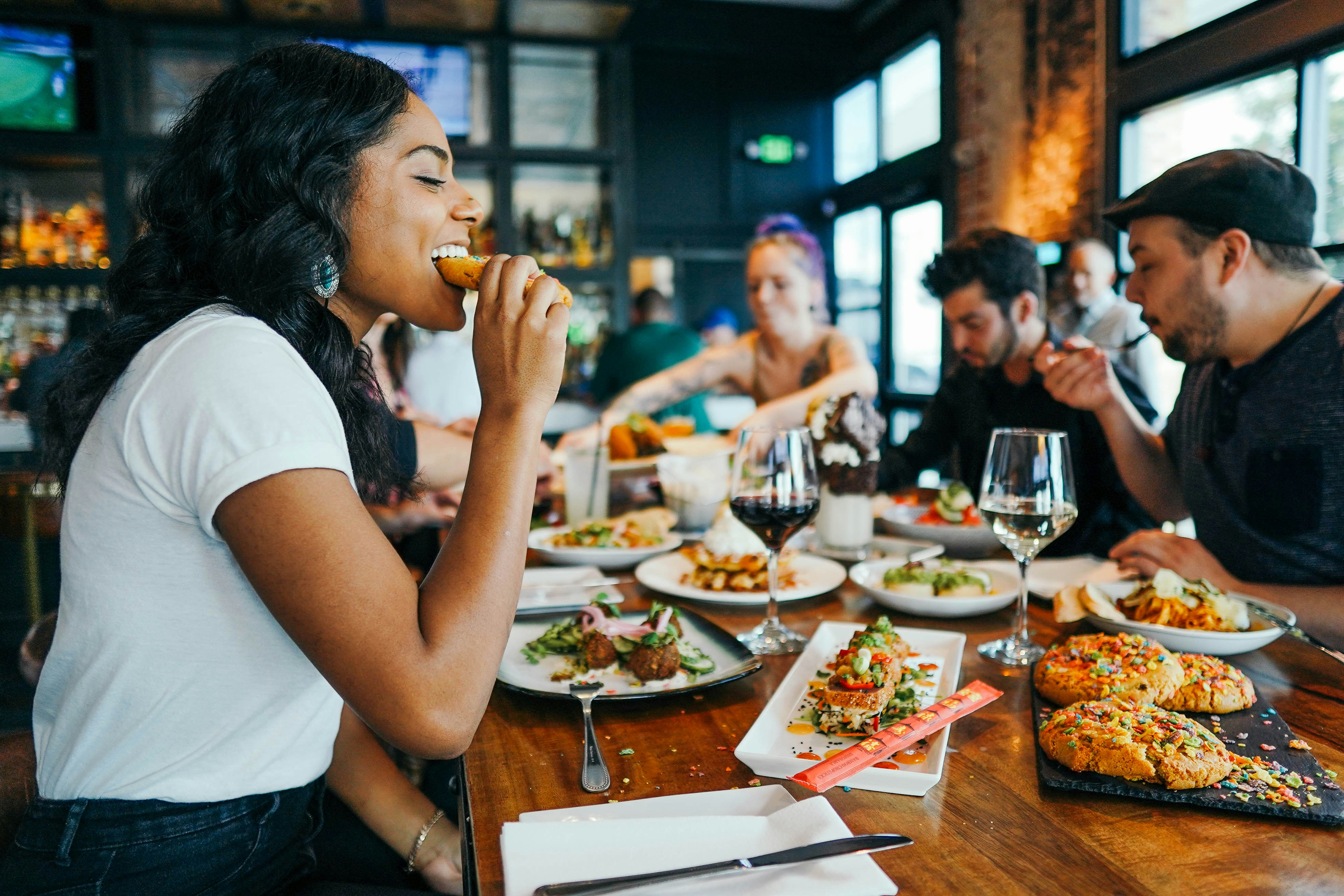
A reflective look at Habit Ranch, its immersive desert activation, and what it signals for brand loyalty and mindful, experiential dining.
May 14, 2026

Unlock Exclusive Access To Webinars, Events, And The Latest News For Free!
Explore how Starbucks is leveraging its employees to drive a successful turnaround, focusing on customer experience and operational improvements.
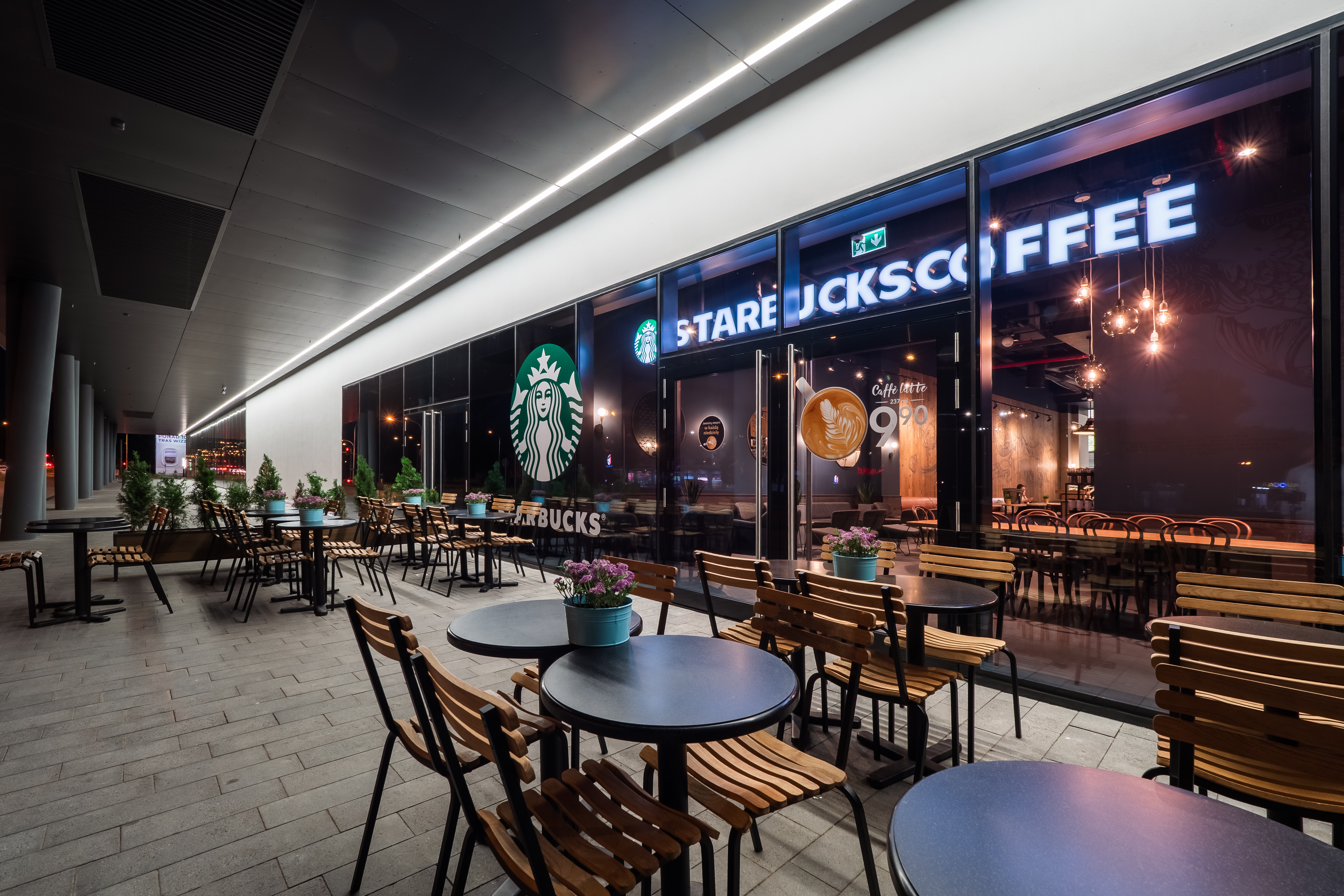
Starbucks' commitment to its turnaround effort revolves around the essential role of its employees in delivering the exceptional customer experience required for the company to regain growth momentum. By focusing on empowering its workforce, Starbucks aims to not only rebuild its business but create a stronger and more customer-centric brand.
Global comparable store sales have seen a 1% year-over-year decline in the second quarter of 2025, showcasing an improvement from the previous 4% decline reported in the first quarter. As Starbucks continues its operational enhancements and customer-focused strategies, the positive shift in sales performance indicates that the company's efforts are bearing fruit.
One of the key strategies Starbucks is implementing is investing in labor to better support its employees, especially during peak hours. By filling 500,000 more shifts in the second quarter of 2025 compared to the previous year, Starbucks is aiming to improve customer interactions, increase transaction efficiency, and elevate the overall experience for both customers and partners.
Through the introduction of a new staffing and deployment pilot, Starbucks has successfully improved service speed and customer connections. By testing an order sequencing algorithm, Starbucks reduced in-store and drive-thru service times, resulting in an average two-minute decrease in cafe wait times. This operational optimization is crucial in delivering a seamless and efficient service experience to customers.
While the increased investment in labor has impacted Starbucks' operating margin, which fell by 4.5% year over year, the company believes that this strategic move will lead to capturing additional demand, driving more transactions, and ultimately accelerating growth. CFO Cathy Smith's perspective on balancing labor costs with financial results highlights Starbucks' dedication to achieving long-term sustainability through operational effectiveness.
Although Starbucks has focused on enhancing its labor force, the issue of wages, particularly raised by the Starbucks Workers United union, remains under discussion. The demand for a $20 minimum wage for baristas and a $25.40 minimum wage for shift supervisors indicates ongoing labor challenges within the company. Balancing the need for competitive compensation while ensuring operational efficiency will be a key balancing act for Starbucks moving forward.