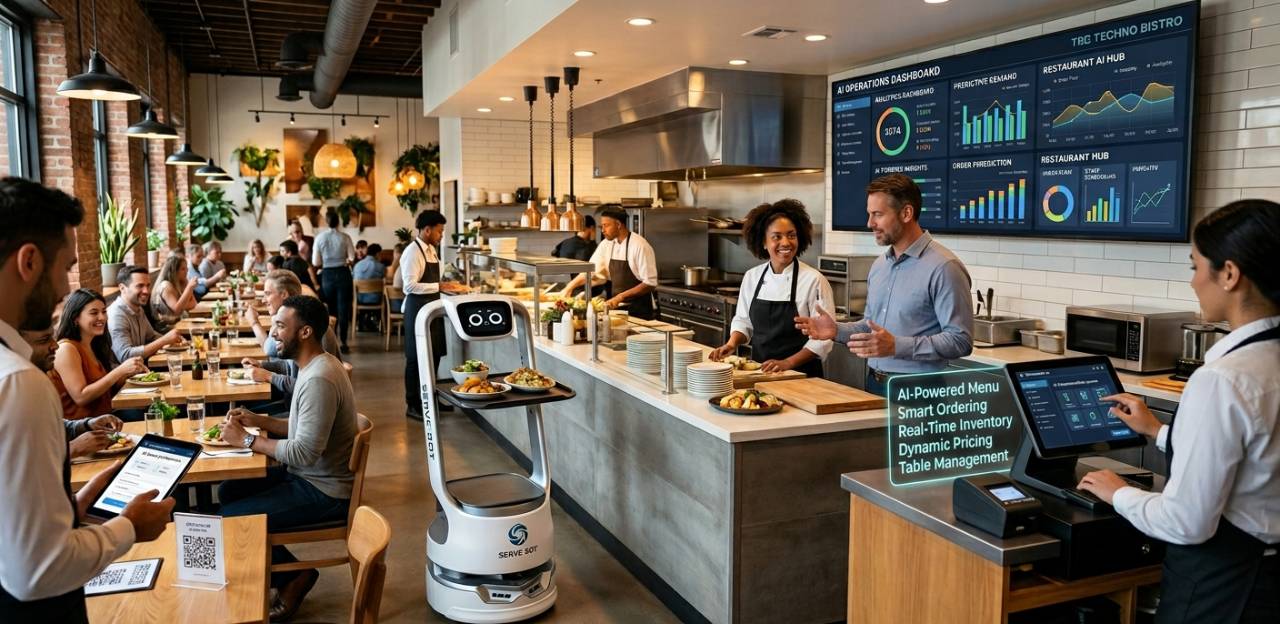
AI Playbook for Restaurant Owners
This AI playbook covers restaurant tools for voice ordering, staffing, compliance, menu pricing, inventory, marketing, ChatGPT prompts, and SEO.
tech
May 15, 2026
This AI playbook covers restaurant tools for voice ordering, staffing, compliance, menu pricing, inventory, marketing, ChatGPT prompts, and SEO.
May 15, 2026
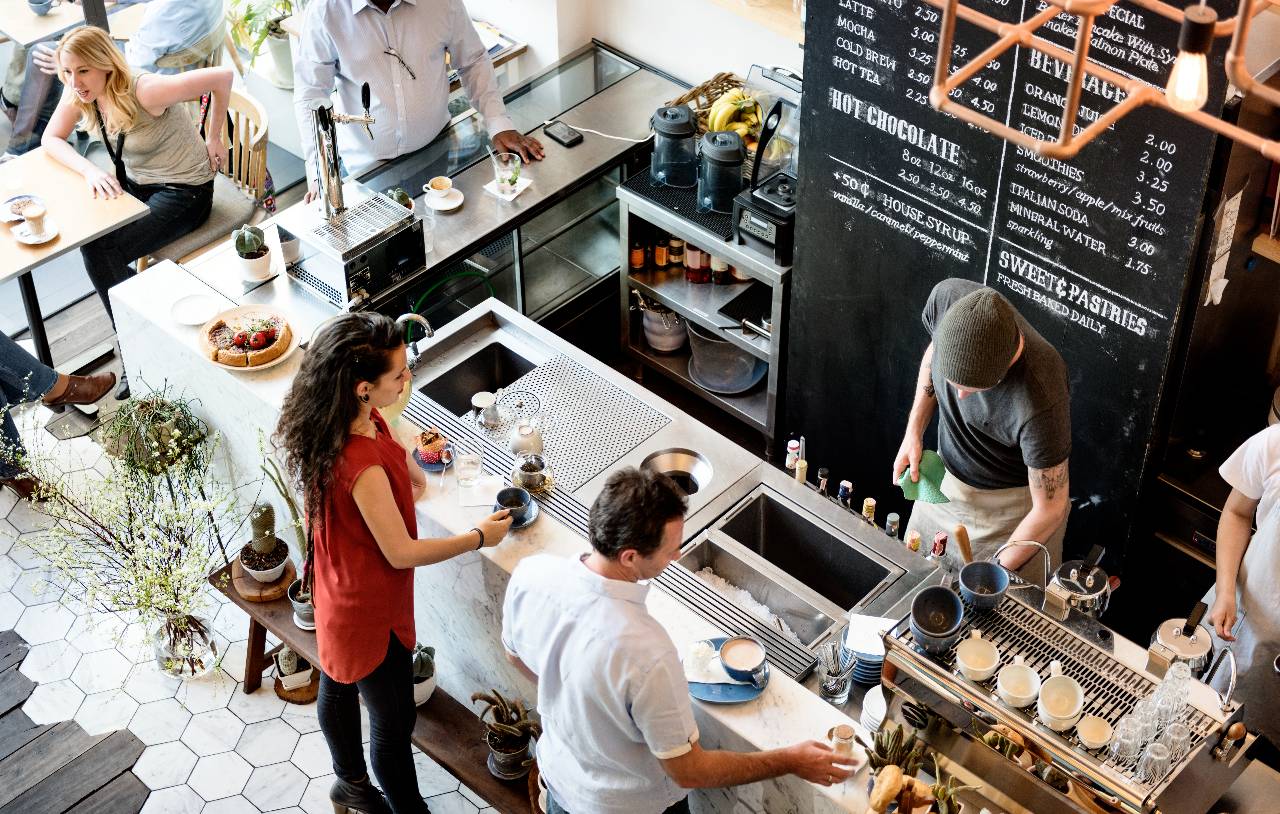
Opening a coffee shop in 2026 requires careful cost planning across rent, equipment, labor, technology, menu strategy, marketing, and sustainability.
May 15, 2026
Hardee’s giant Boddie-Noell inks 31-unit Scooter’s Coffee deal for NC and VA, leveraging drive-thru growth and local roots with rollout over 12–18 months.
May 15, 2026
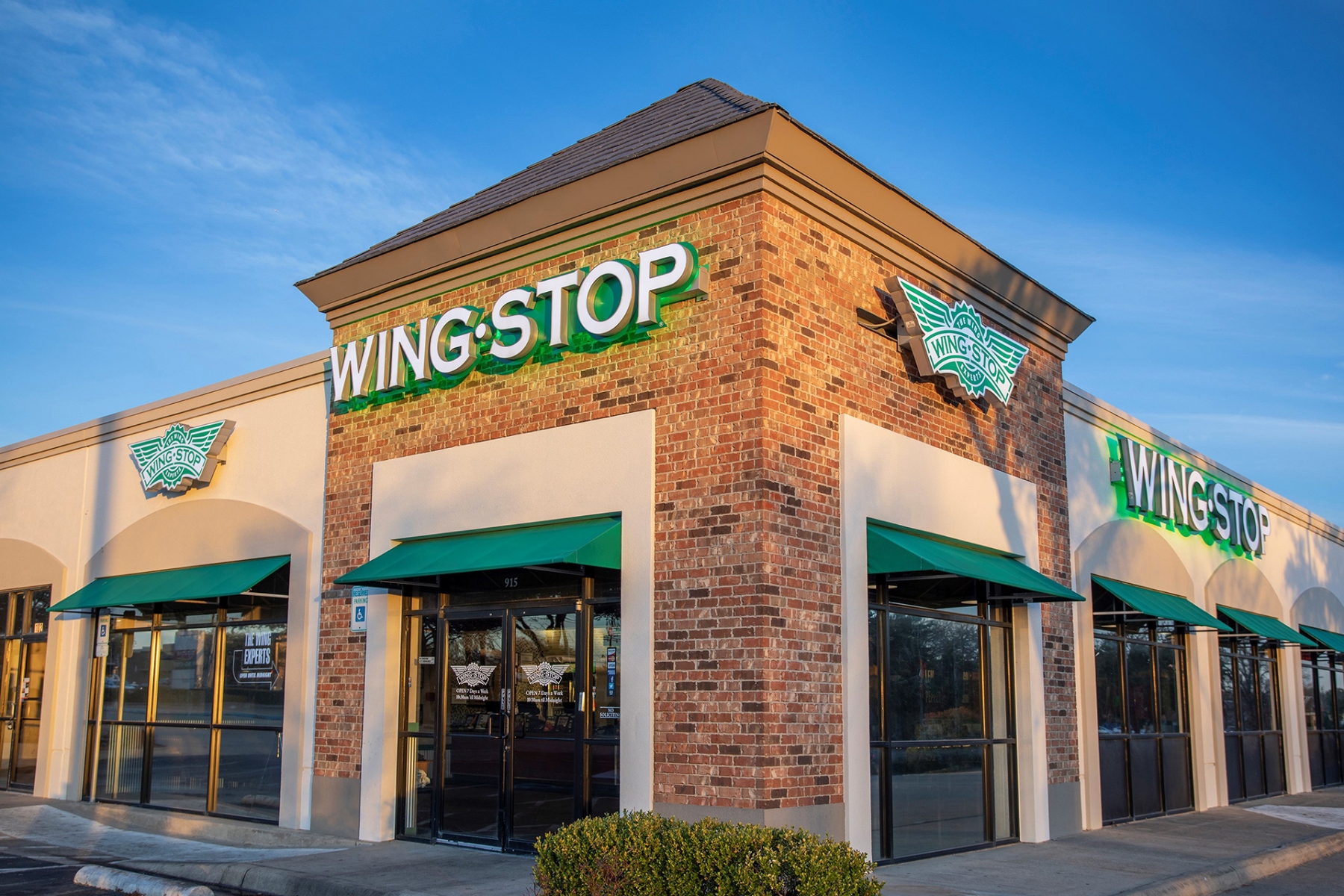
Wingstop turns match weeks into a multi-sensory festival, aligning bold pop-ups with World Cup energy to build brand affinity and measurable momentum.
May 15, 2026

Learn how to develop a memorable restaurant brand identity that stands out in a crowded market, attracts loyal customers, and drives repeat business with actionable strategies and affordable tools.
May 15, 2026
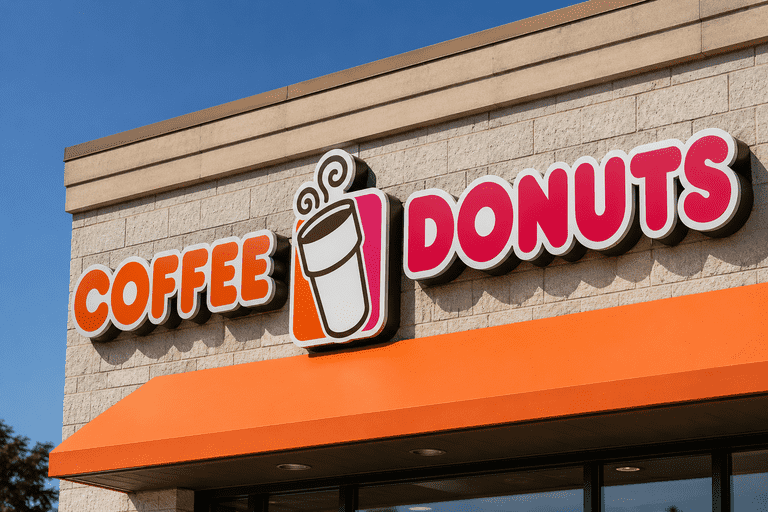
The parent company behind Dunkin', Buffalo Wild Wings, and Arby's has filed for an IPO a move that could reshape how Wall Street views the restaurant sector.
May 15, 2026
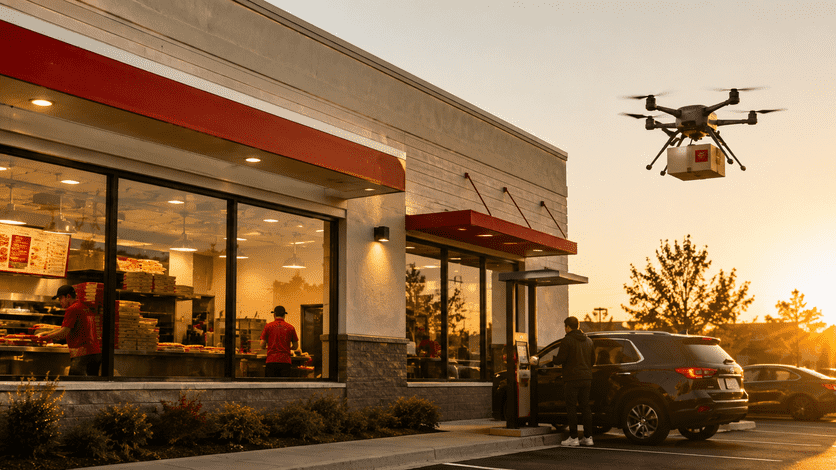
Papa Johns has teamed up with Alphabet's Wing for drone delivery of its new sandwich lineup in parts of Charlotte marking the first partnership of its kind between Wing and a national QSR brand.
May 15, 2026
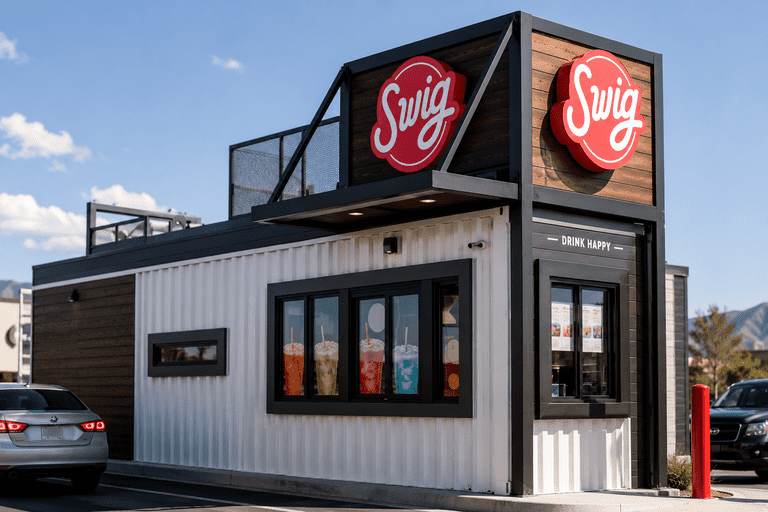
Dirty soda chain Swig is expanding into Colorado through a 10-unit franchise deal, riding a consumer beverage trend that's catching the attention of major QSR players nationwide.
May 15, 2026
A warm, expert-led look at McDonald’s Q1 results, menu makeover, and the refranchise question shaping its growth.
May 14, 2026
A reflective look at Habit Ranch, its immersive desert activation, and what it signals for brand loyalty and mindful, experiential dining.
May 14, 2026

Unlock Exclusive Access To Webinars, Events, And The Latest News For Free!
An activist investor's stake in Starbucks hints at governance shifts and capital-allocation changes, with board discussions and store-floor modernization on the table.

Photo by Jonas Jacobsson
Activist investor Elliott Investment Management has built a sizable stake in Starbucks and begun private discussions with management about options to lift the share price. The situation is fluid, with signals of private agreements in the works and no specifics disclosed about Elliott's demands or the stake size. The move lands at a moment when Starbucks faces a choppy operating backdrop and investor appetite for transformational actions is high. Elliott brings a blunt, governance-forward playbook: pressure on leadership structure, capital allocation, and strategic priorities to accelerate shareholder returns. In short, this is a high-stakes nudge toward a strategic reset. What does that mean for the path ahead:
Public signals reinforce the moment: the Wall Street Journal described the situation as fluid, with private talks continuing and specifics not disclosed. Elliott manages about $65.5 billion in assets as of late 2023, a scale that matters for a company of Starbucks’ size. The narrative around Starbucks is already shifting toward governance and capital decisions, and the stock’s Friday uptick suggests investors are weighing a potential strategic inflection. This opening act is less about a coup and more about a recalibration—peed pressure that could alter how Starbucks funds growth, returns capital, and selects leadership.
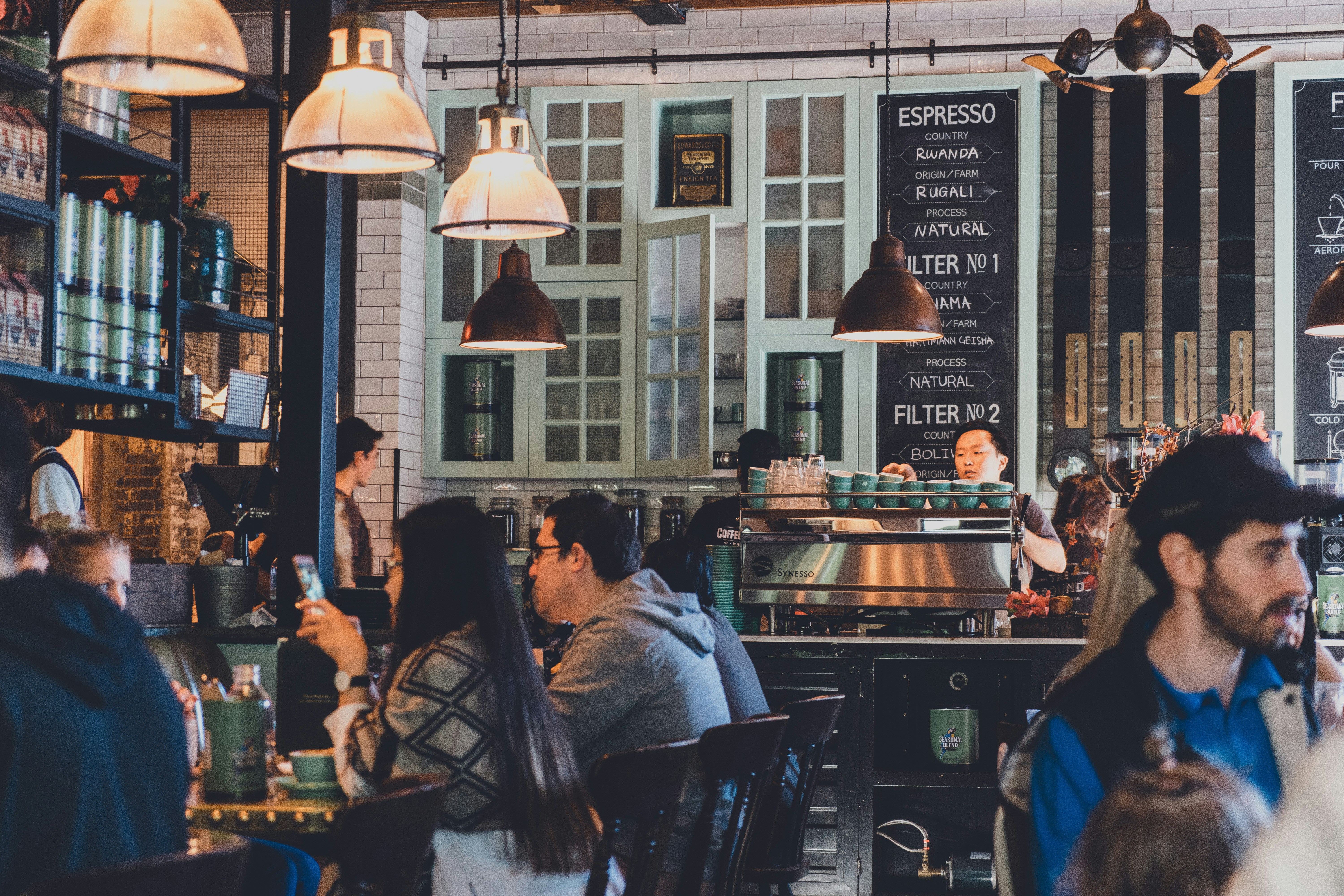
Elliott’s value approach centers on governance shifts, management changes, and capital-allocation tactics aimed at accelerating returns for shareholders. In the Starbucks context, market chatter describes Elliott weighing options that could include board representation, governance enhancements, or strategic realignments designed to recalibrate growth and returns. Coverage notes the engagement could culminate in governance changes as part of a broader push to improve execution and value. The public record isn’t silent on precedent: Elliott earned a board seat at Etsy in 2024 and has pressed for strategic actions at other large-cap names. For Starbucks, the playbook is about shifting where growth is funded, how leadership is rewarded, and how capital is returned.
Observers warn that the engagement could bring governance changes, including potential board seats, as part of a broader push to improve execution. Elliott’s campaigns have touched other brands—Cabela’s sale, Barnes & Noble’s trajectory, Costa Coffee’s divestiture work, and Etsy governance—creating a recognizable blueprint for what could come at Starbucks. The message is consistent: recalibrate growth investments, adjust capital returns, and sharpen geographic focus where performance lags. The practical impact hinges on private talks with Starbucks and the board’s willingness to entertain structural shifts.