How Much Does It Cost to Open a Coffee Shop in 2026?
Opening a coffee shop in 2026 requires careful cost planning across rent, equipment, labor, technology, menu strategy, marketing, and sustainability.
operations
May 15, 2026
Opening a coffee shop in 2026 requires careful cost planning across rent, equipment, labor, technology, menu strategy, marketing, and sustainability.
May 15, 2026

This AI playbook covers restaurant tools for voice ordering, staffing, compliance, menu pricing, inventory, marketing, ChatGPT prompts, and SEO.
May 15, 2026

Hardee’s giant Boddie-Noell inks 31-unit Scooter’s Coffee deal for NC and VA, leveraging drive-thru growth and local roots with rollout over 12–18 months.
May 15, 2026

Wingstop turns match weeks into a multi-sensory festival, aligning bold pop-ups with World Cup energy to build brand affinity and measurable momentum.
May 15, 2026

The parent company behind Dunkin', Buffalo Wild Wings, and Arby's has filed for an IPO a move that could reshape how Wall Street views the restaurant sector.
May 15, 2026

Learn how to develop a memorable restaurant brand identity that stands out in a crowded market, attracts loyal customers, and drives repeat business with actionable strategies and affordable tools.
May 15, 2026

Dirty soda chain Swig is expanding into Colorado through a 10-unit franchise deal, riding a consumer beverage trend that's catching the attention of major QSR players nationwide.
May 15, 2026

Papa Johns has teamed up with Alphabet's Wing for drone delivery of its new sandwich lineup in parts of Charlotte marking the first partnership of its kind between Wing and a national QSR brand.
May 15, 2026

A warm, expert-led look at McDonald’s Q1 results, menu makeover, and the refranchise question shaping its growth.
May 14, 2026

A reflective look at Habit Ranch, its immersive desert activation, and what it signals for brand loyalty and mindful, experiential dining.
May 14, 2026

Unlock Exclusive Access To Webinars, Events, And The Latest News For Free!
El Pollo Loco uses value, speed, and a redesigned prototype to lift margins and accelerate growth amid headwinds.
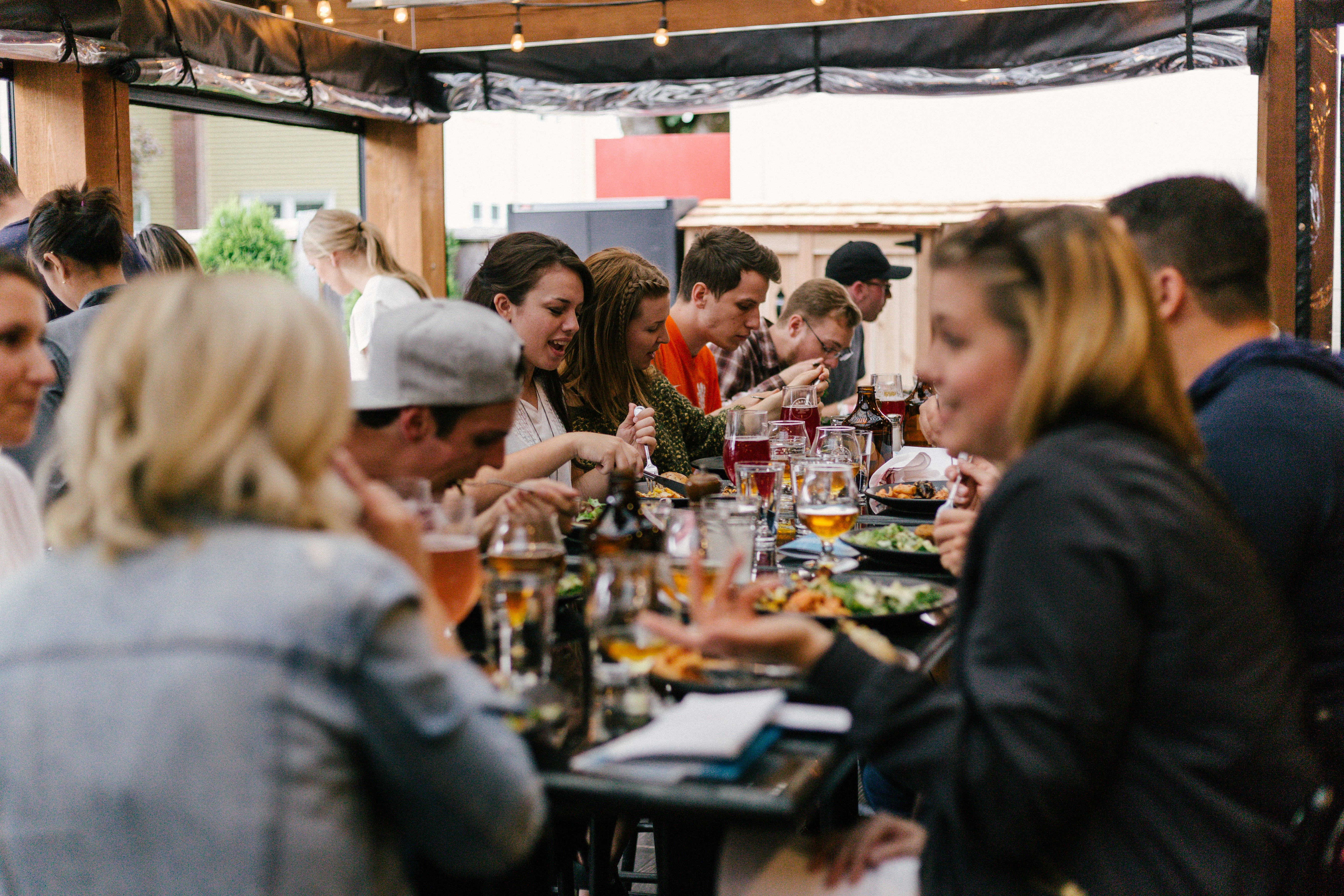
Photo by Priscilla Du Preez 🇨🇦
El Pollo Loco parked the quarter on value, not volatility. In the second quarter, the chain delivered a 4.5% rise in system-wide comparable restaurant sales and pushed restaurant-level margins to 18.6%, a leap of 170 basis points versus a year ago. The numbers aren’t a one-off fluke; they line up with a deliberate stance: value, quality, and speed can travel together when the engine is well oiled. "It has been a challenging macroeconomic environment for the restaurant industry and consumers as a whole in the recent months. While some may see this as an obstacle, we see this as an opportunity to showcase to our guests that El Pollo Loco is one of the unique restaurants that can offer portable, craveable, fresh food, all for good value and with the convenience of fast service." said Liz Williams. This is the hinge of what follows: a company leaning into a brave, value-forward playbook.
The results sit at the intersection of a multi-year pivot and strict operating discipline. Williams anchors gains to five strategic pillars: flavorful, affordable, better-for-you chicken; a hospitality mindset; a digital-first enterprise; robust unit economics; and national expansion. The burrito relaunch, now with guacamole across all options, is priced at $9.99 or, for Loco Rewards members, an exclusive $8.99. The price architecture is designed to protect margins while staying attractive to value seekers.
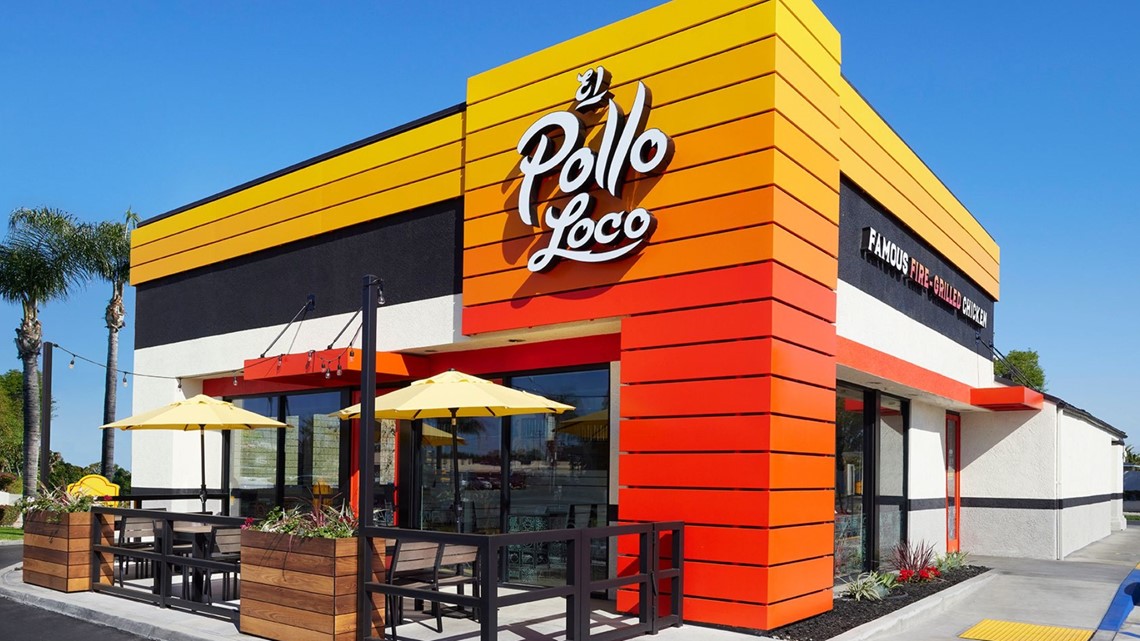
Beyond menu simplifications, the value strategy extends to menu engineering and channel investments that support profitability. Williams laid out a concrete itinerary for cost discipline, showing how the burrito relaunch and affordable bundles sit within a broader framework of value-driven à la carte and combo deals priced between $3 and $7. On the digital front, El Pollo Loco has paused rapid self-service kiosk rollout to sharpen the guest experience, with a plan to complete deployment by year-end. The pause accompanies work to strengthen back-end systems, including gift card and discount integrations, to drive both traffic and order efficiency. Labor dynamics also feature prominently: California’s AB 1228 pushed the hourly minimum wage to $20 on April 1, and CFO Ira Fils described the near-term impact as marginal, with traffic differences largely tied to pricing actions.
This isn’t a hedge funded by a cosmetic reset. It’s a discipline-led program where the menu, digital tools, and store economics reinforce each other. The pause on rollout is a calculated move to avoid squandered investments while back-end systems catch up. The result aims to keep traffic growth and check sizes moving in tandem, even as wage and commodity pressures remain a factor in the broader market.
Strategic signals from leadership reinforce a disciplined turnaround. Williams keeps the operating model anchored on quality, affordability, and efficiency as the brand’s defining differentiators in a climate of rising competition. Industry observers note the margin trajectory as a bright spot, with the Q2 margin at 18.6% a meaningful step up from the prior year. The team believes ongoing efficiency work, led by new supply chain and culinary leadership, can push margins toward an 18%–20% range over time.
Timeline and leadership tie directly to execution. The redesigned prototype restaurant and a leaner development program are central to the plan. The goal is unit-cost reductions that bring build costs down to approximately $1.8 million per unit, enabling faster, more scalable growth without sacrificing margin. New development chief Tim Welsh is charged with accelerating growth while ensuring cost discipline across remodeling and openings. Near term, 2024 remodels are expected to include 10–12 company remodels, 35–45 franchise remodels, plus two company-owned openings and four–five new franchises. A practical, design-forward path is taking shape.
Industry context places El Pollo Loco within a broader trend toward everyday value. Quick-service brands are balancing pricing, menu simplification, and guest experience to navigate inflation and shifting consumer preferences. The move toward value-driven pricing and streamlined operations is seen across the sector, with coverage from outlets like QSR Magazine reinforcing that same-store strength and margin expansion are pathways to long-term profitability. The El Pollo Loco approach sits squarely in this ecosystem: price, format, and service aligned for efficiency.
Gaps and uncertainties remain. The company must navigate commodity costs—especially chicken—and wage dynamics beyond California, plus ongoing macro shifts that could influence traffic and ticket size. California’s wage landscape, including AB 1228, remains a focal point for investors even as management reports modest near-term impact. The pace of franchise expansion, the nationwide rollout of the new prototype, and the durability of delivery and digital initiatives will ultimately determine whether margins stay in the mid-to-high teens as the story unfolds in the years ahead.

Conclusion and strategic outlook converge on a simple truth: El Pollo Loco is leaning into a value-for-performance proposition while modernizing its growth engine. The five pillars—paired with Welsh’s development leadership—frame a path toward sustained margins in the 18%–20% range as it scales. If the external environment stays favorable and prototype-driven cost reductions translate to faster unit economics, the chain could extend its footprint without surrendering the quality and service the brand promises. It’s a story of disciplined execution, incremental innovation, and capital efficiency.
Bottom line: this isn’t a sprint. It’s a capital-light, value-forward program designed to grow with margins intact. If the model holds, the restaurant chain can expand with less risk and more confidence, delivering what it promised: craveable, affordable, quick-service that doesn’t abandon quality. The next chapters will test the pace of remodeling, the speed of prototype rollout, and the durability of the digital backbone—three levers that will decide how far this turn can carry the brand.