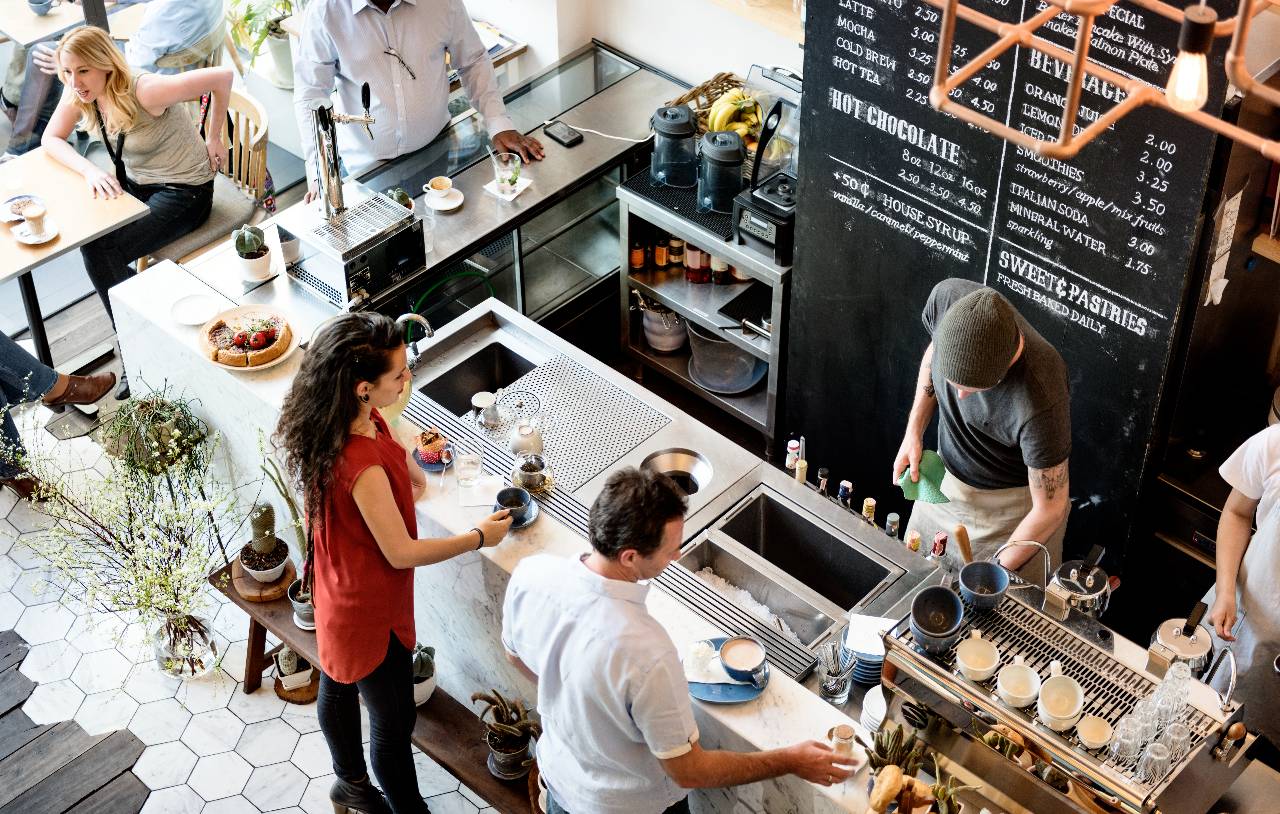
How Much Does It Cost to Open a Coffee Shop in 2026?
Opening a coffee shop in 2026 requires careful cost planning across rent, equipment, labor, technology, menu strategy, marketing, and sustainability.
operations
May 15, 2026
Opening a coffee shop in 2026 requires careful cost planning across rent, equipment, labor, technology, menu strategy, marketing, and sustainability.
May 15, 2026
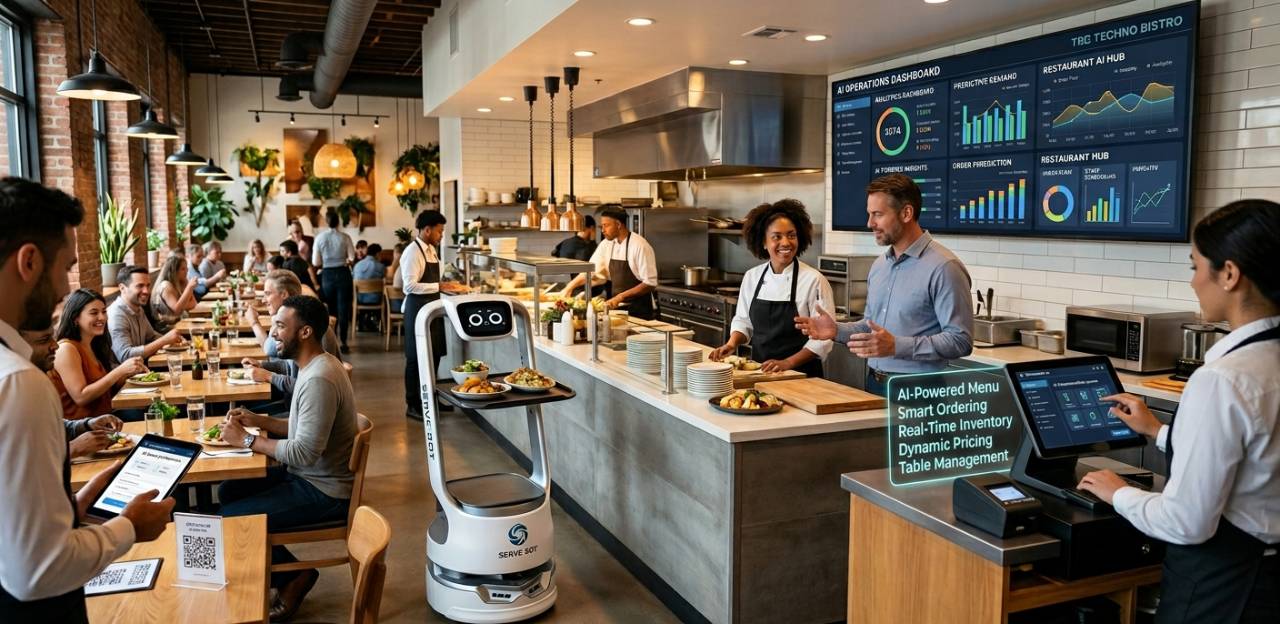
This AI playbook covers restaurant tools for voice ordering, staffing, compliance, menu pricing, inventory, marketing, ChatGPT prompts, and SEO.
May 15, 2026
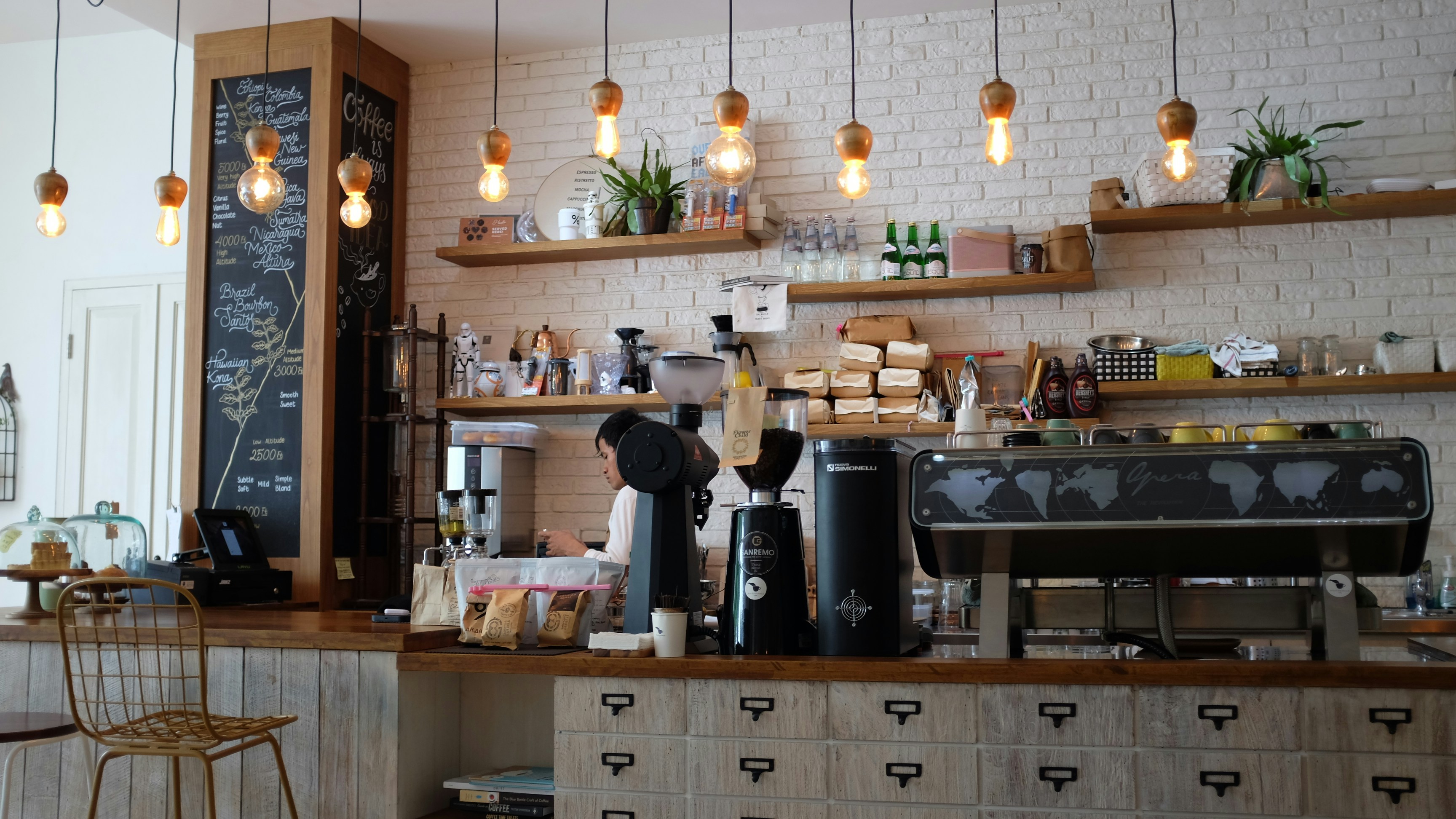
Hardee’s giant Boddie-Noell inks 31-unit Scooter’s Coffee deal for NC and VA, leveraging drive-thru growth and local roots with rollout over 12–18 months.
May 15, 2026
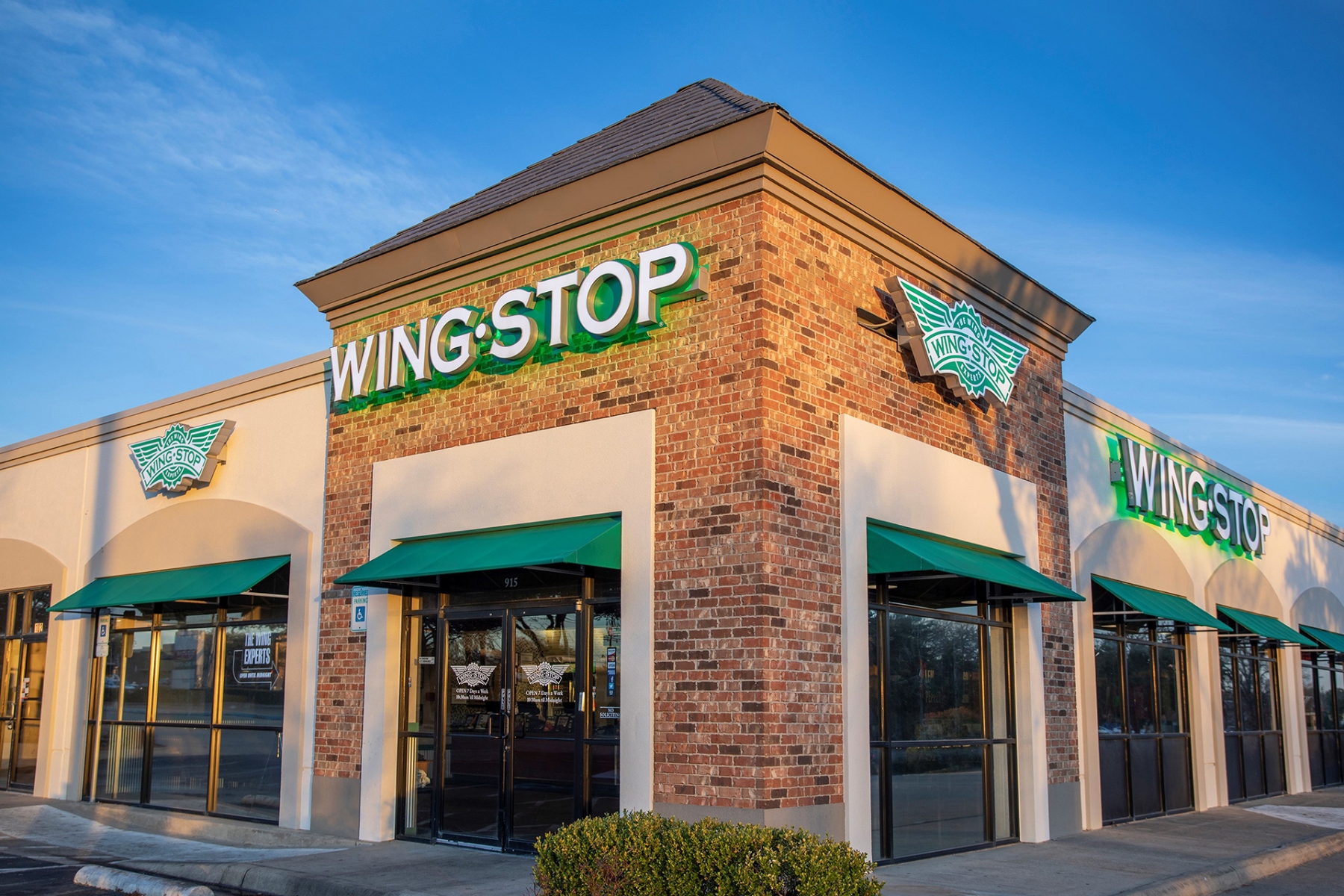
Wingstop turns match weeks into a multi-sensory festival, aligning bold pop-ups with World Cup energy to build brand affinity and measurable momentum.
May 15, 2026
The parent company behind Dunkin', Buffalo Wild Wings, and Arby's has filed for an IPO a move that could reshape how Wall Street views the restaurant sector.
May 15, 2026
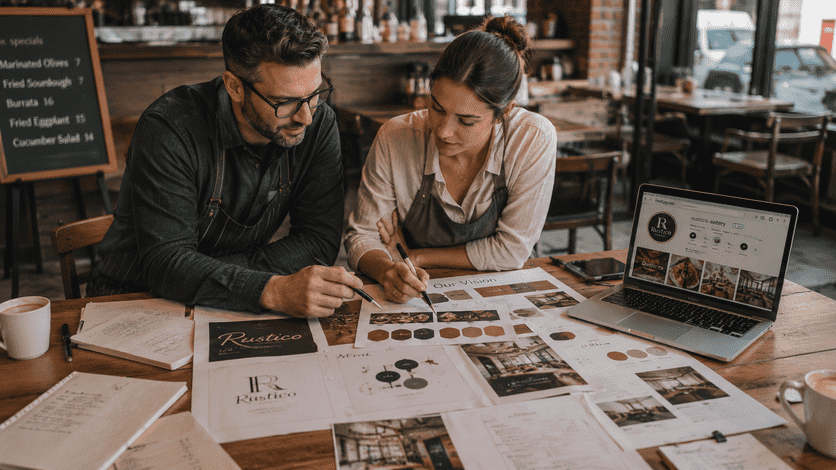
Learn how to develop a memorable restaurant brand identity that stands out in a crowded market, attracts loyal customers, and drives repeat business with actionable strategies and affordable tools.
May 15, 2026
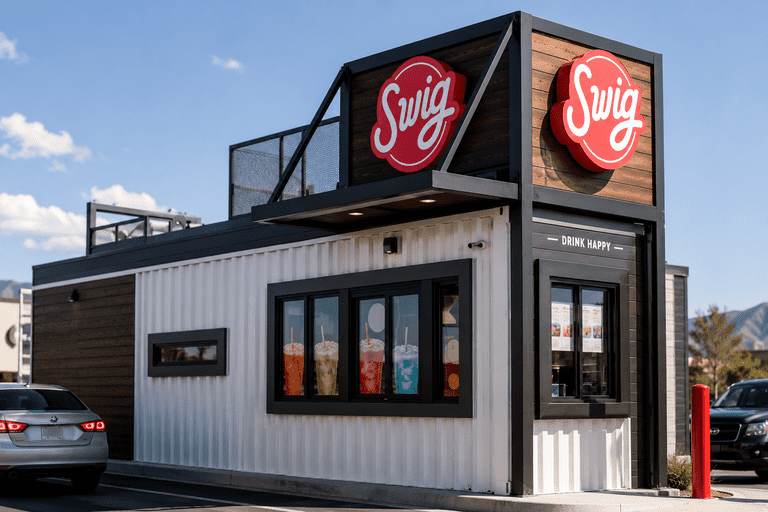
Dirty soda chain Swig is expanding into Colorado through a 10-unit franchise deal, riding a consumer beverage trend that's catching the attention of major QSR players nationwide.
May 15, 2026
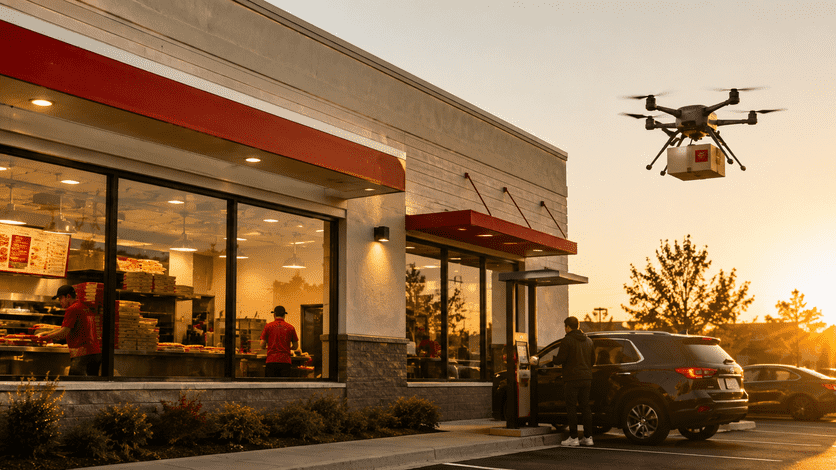
Papa Johns has teamed up with Alphabet's Wing for drone delivery of its new sandwich lineup in parts of Charlotte marking the first partnership of its kind between Wing and a national QSR brand.
May 15, 2026
A warm, expert-led look at McDonald’s Q1 results, menu makeover, and the refranchise question shaping its growth.
May 14, 2026
A reflective look at Habit Ranch, its immersive desert activation, and what it signals for brand loyalty and mindful, experiential dining.
May 14, 2026

Unlock Exclusive Access To Webinars, Events, And The Latest News For Free!
Explore how major fast-food chains like McDonald's, Burger King, Taco Bell, Pizza Hut, and KFC are responding to the recent E. coli outbreak and onion recall, impacting their menu items and food safety measures.

Photo by Jonas Kakaroto

Photo by Jonas Kakaroto
The recent E. coli outbreak resulting in 49 illnesses and one fatality has sent shockwaves through the fast-food industry. McDonald’s, one of the largest fast-food chains globally, was forced to remove its signature Quarter Pounder from menus in twelve states due to the outbreak. The source of the contamination was traced back to onions supplied by Taylor Farms' Colorado facility, prompting a swift response from various restaurant chains.
Following Taylor Farms' onion recall, McDonald’s took immediate action to address the situation. The company removed onions from affected locations to prioritize customer safety. A spokesperson emphasized the proactive measures taken by McDonald’s to maintain the quality and safety of their food items amid the outbreak, showcasing a commitment to upholding food safety standards.
Burger King, although not as extensively impacted as McDonald’s, acknowledged the potential risk associated with the contaminated onions. Despite no reported cases or directives from health authorities, Burger King proactively disposed of onions received from the affected facility in 5% of its domestic restaurants. The chain highlighted its standard practice of using whole, fresh onions and preparing them in-house daily to ensure food safety.
Yum Brands, the parent company of Taco Bell, Pizza Hut, and KFC, also promptly responded to the onion recall by removing the affected onions from select locations. The company's spokesperson reiterated a commitment to following regulatory guidance to uphold food safety standards across its brands. This swift action reflects the industry's collective efforts to address food safety concerns with transparency and caution.

Photo by Jonas Kakaroto
The E. coli outbreak and subsequent onion recall have raised industry-wide safety concerns, prompting collaboration among major fast-food chains to mitigate risks and ensure consumer well-being. By sharing information and best practices, restaurants can collectively enhance food safety protocols to prevent similar incidents in the future. It underscores the importance of proactive measures and continuous monitoring to uphold the integrity of the food supply chain.