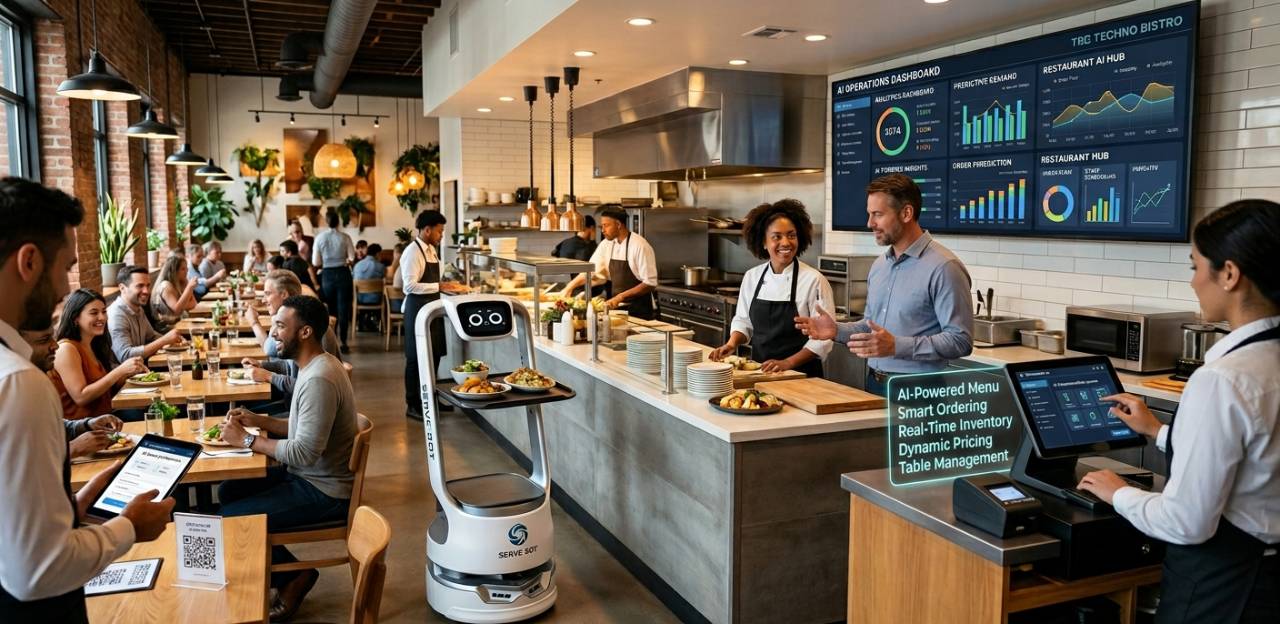
AI Playbook for Restaurant Owners
This AI playbook covers restaurant tools for voice ordering, staffing, compliance, menu pricing, inventory, marketing, ChatGPT prompts, and SEO.
tech
May 15, 2026
This AI playbook covers restaurant tools for voice ordering, staffing, compliance, menu pricing, inventory, marketing, ChatGPT prompts, and SEO.
May 15, 2026
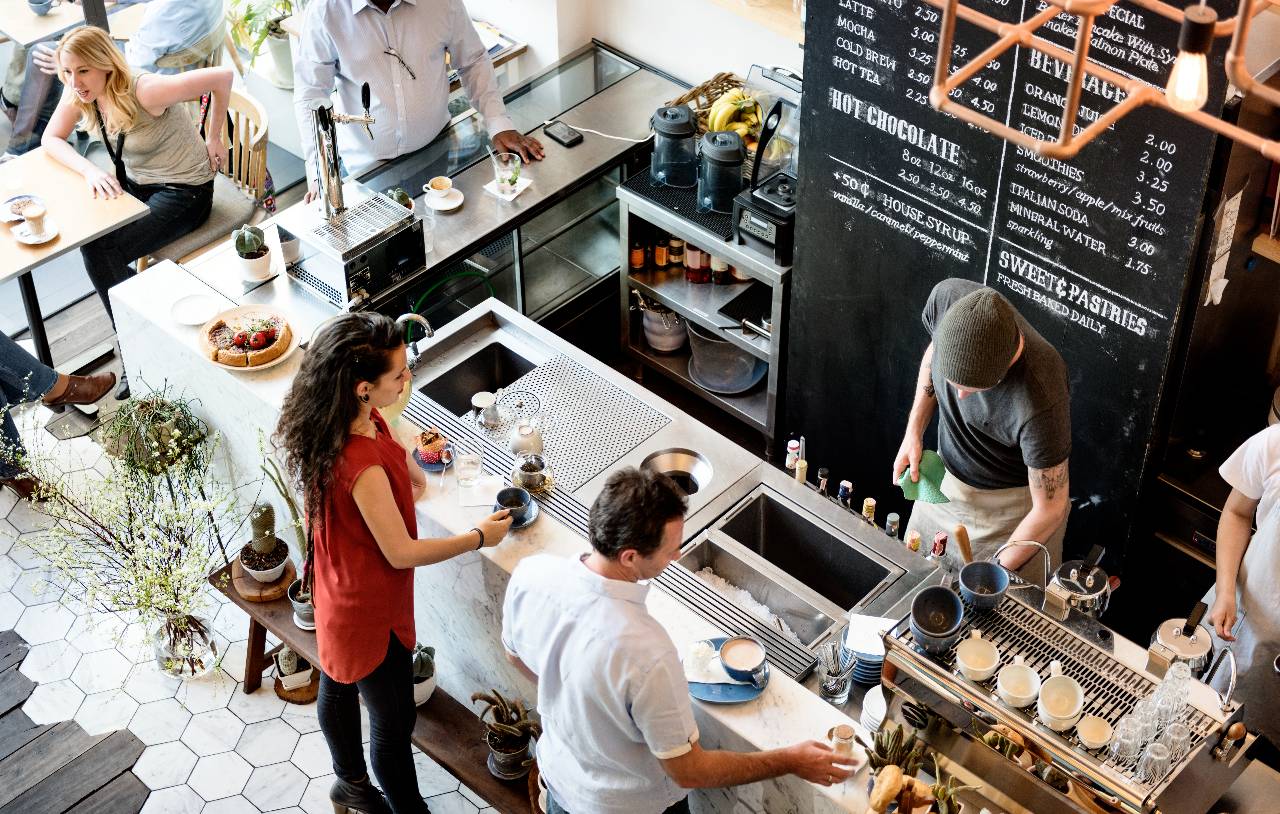
Opening a coffee shop in 2026 requires careful cost planning across rent, equipment, labor, technology, menu strategy, marketing, and sustainability.
May 15, 2026
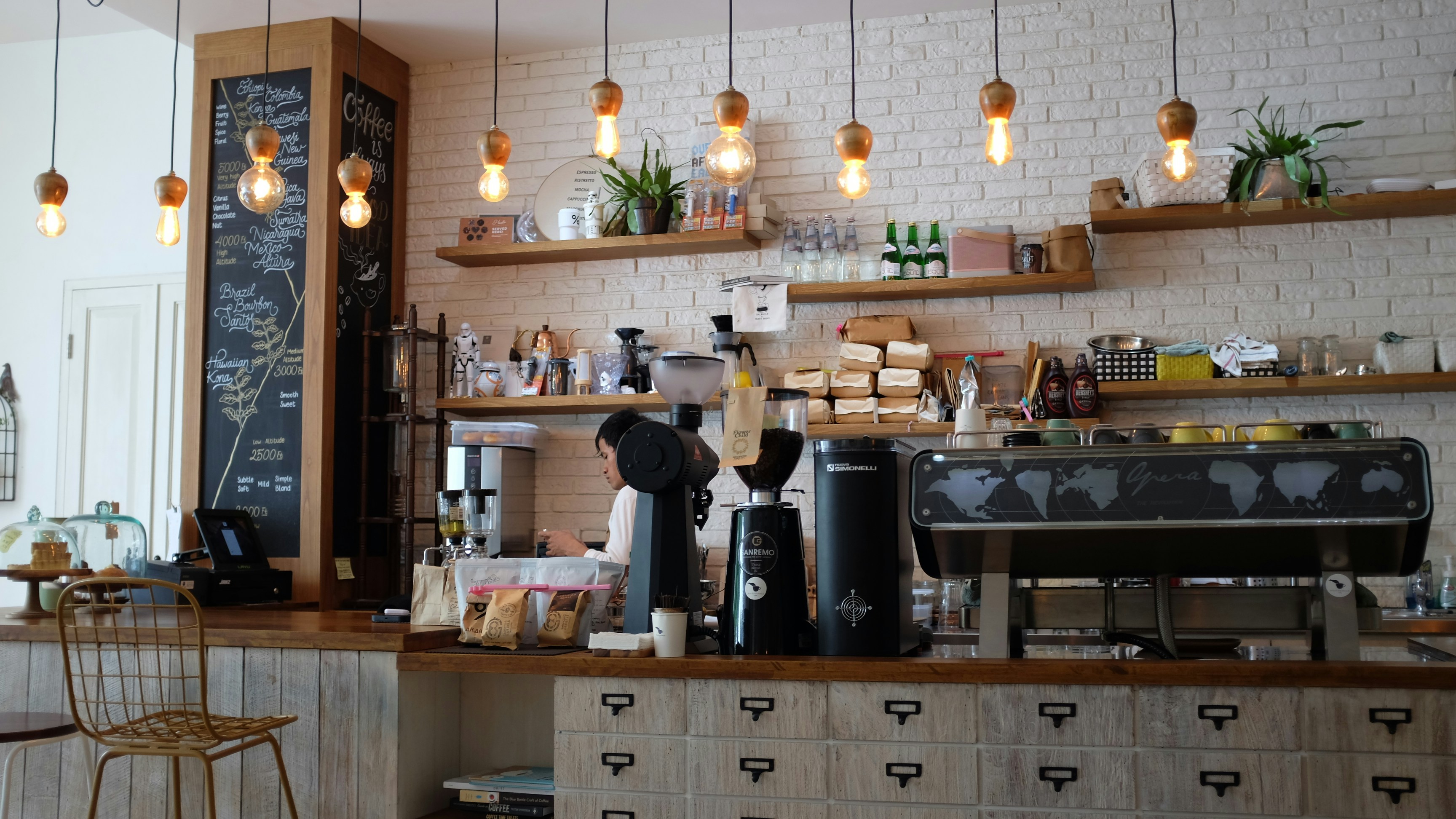
Hardee’s giant Boddie-Noell inks 31-unit Scooter’s Coffee deal for NC and VA, leveraging drive-thru growth and local roots with rollout over 12–18 months.
May 15, 2026
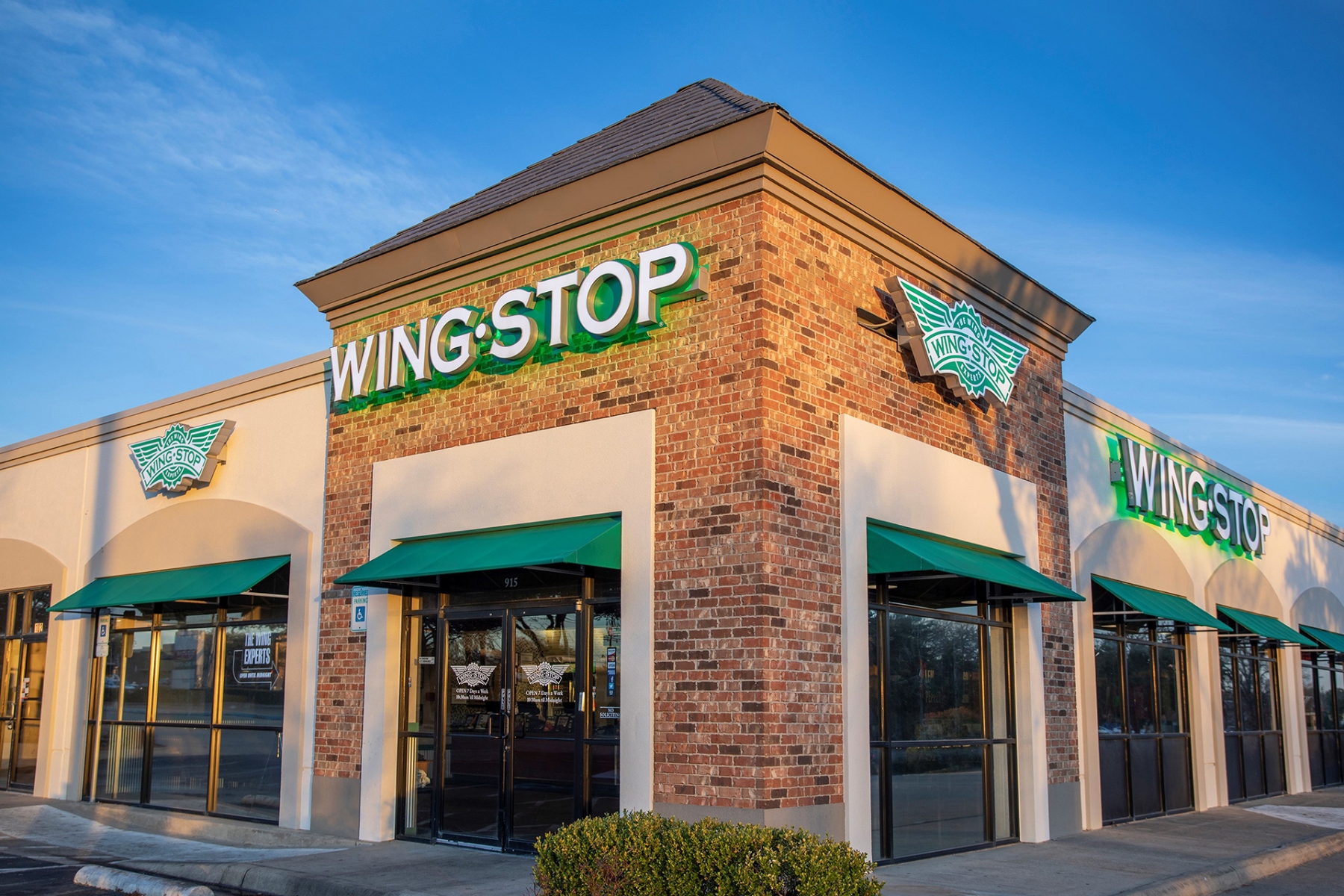
Wingstop turns match weeks into a multi-sensory festival, aligning bold pop-ups with World Cup energy to build brand affinity and measurable momentum.
May 15, 2026
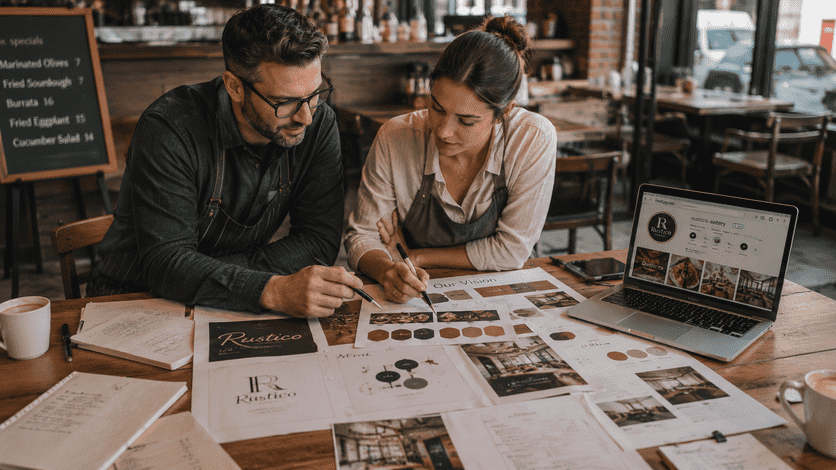
Learn how to develop a memorable restaurant brand identity that stands out in a crowded market, attracts loyal customers, and drives repeat business with actionable strategies and affordable tools.
May 15, 2026
The parent company behind Dunkin', Buffalo Wild Wings, and Arby's has filed for an IPO a move that could reshape how Wall Street views the restaurant sector.
May 15, 2026
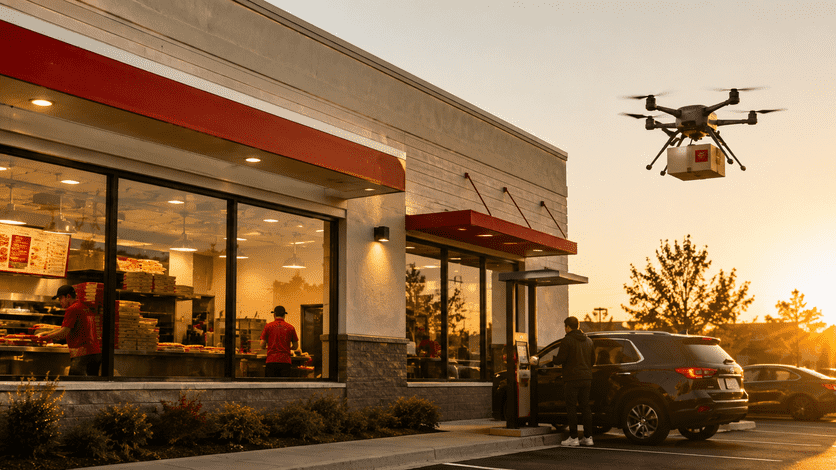
Papa Johns has teamed up with Alphabet's Wing for drone delivery of its new sandwich lineup in parts of Charlotte marking the first partnership of its kind between Wing and a national QSR brand.
May 15, 2026
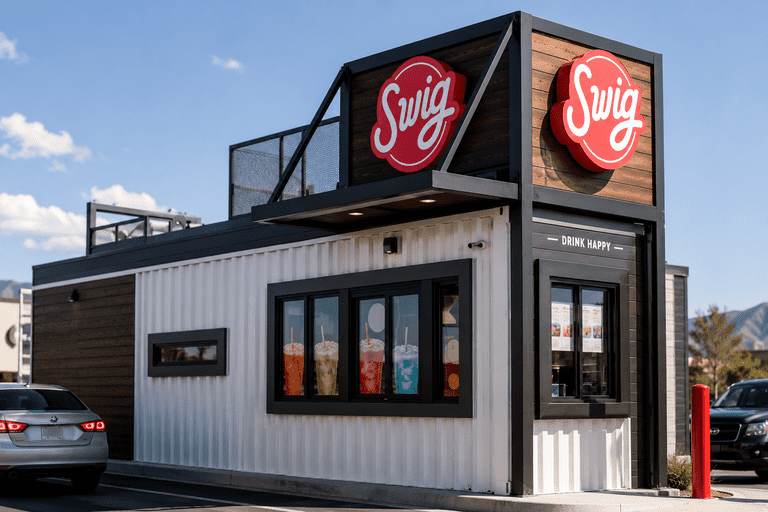
Dirty soda chain Swig is expanding into Colorado through a 10-unit franchise deal, riding a consumer beverage trend that's catching the attention of major QSR players nationwide.
May 15, 2026
A warm, expert-led look at McDonald’s Q1 results, menu makeover, and the refranchise question shaping its growth.
May 14, 2026
A reflective look at Habit Ranch, its immersive desert activation, and what it signals for brand loyalty and mindful, experiential dining.
May 14, 2026

Unlock Exclusive Access To Webinars, Events, And The Latest News For Free!
Diversified Restaurant Group pilots digital menus, voice AI, and ghost kitchens to accelerate Taco Bell’s service, reduce friction, and shape the fast-food future.
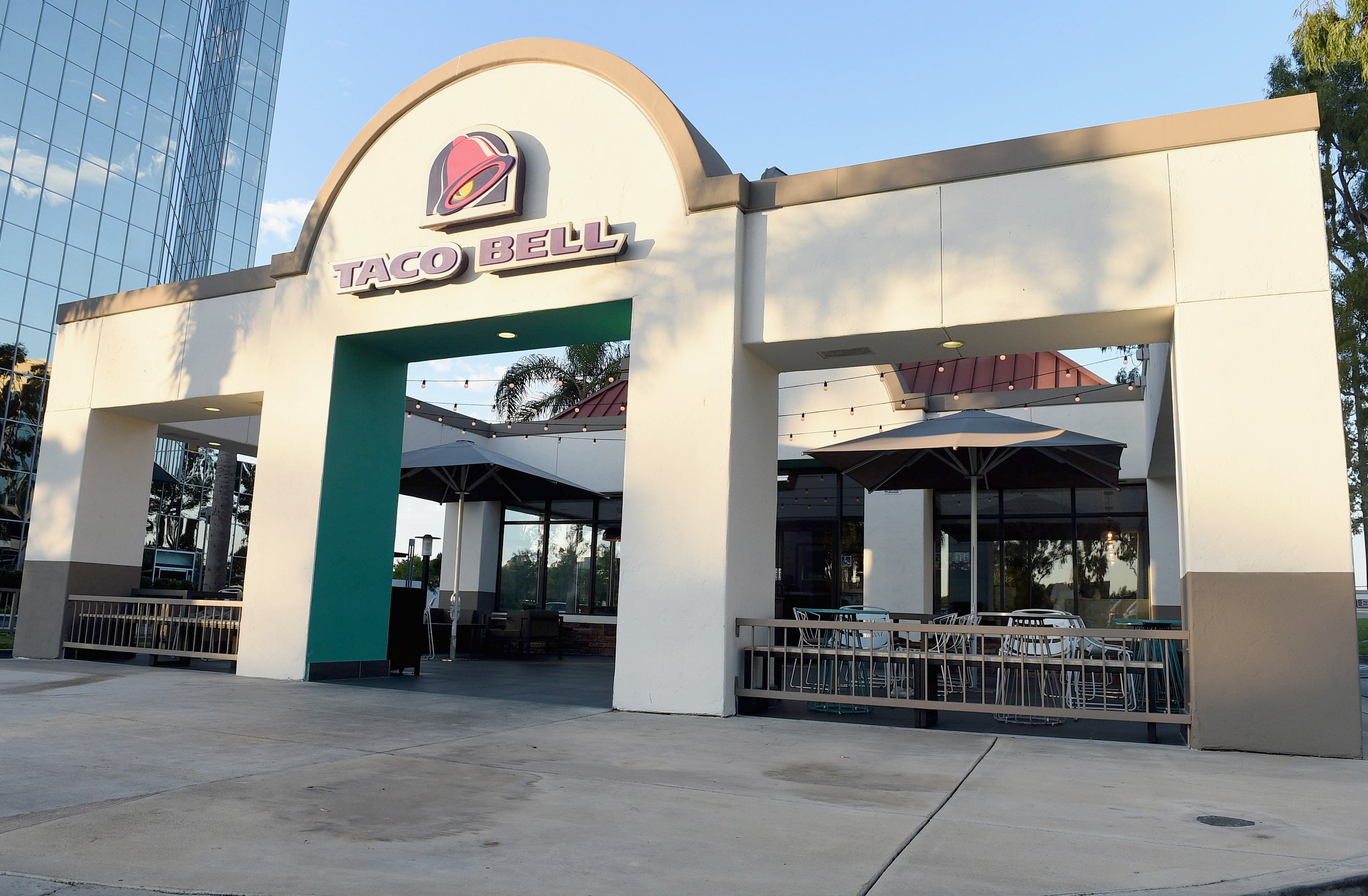
From the executive suite to the dining room, DRG uses innovation as a steady compass rather than a gust of wind. The aim is not to chase every passing trend but to choreograph the guest’s experience as change unfolds, much like a chef refining a sauce mid‑course. In this light, technology is not a novelty but a continuous discipline that informs every decision. The conversation begins with a simple, enduring question: how can artful systems enhance speed, precision, and warmth all at once? The answer emerges as a refined choreography that touches kitchens, counters, and the moment a guest lifts a device. The stage is set for a bold reimagining of a Taco Bell encounter.
Across DRG’s network, the scale of change becomes tangible. Five years ago, digital accounted for roughly 3–4 percent of business; today, digital channels command 30–35 percent and continue to rise. Pre‑pandemic hands-off metrics—60 percent drive‑thru and 40 percent dine‑in—have tipped toward drive‑thru velocity, with dining rooms drawing fewer than 10 percent of traffic. The playbook now features digital menu boards at drive‑thru lanes and a testing ground for voice ordering in California. Nationally, the Taco Bell network reports a record 31 percent digital mix in Q4, powered in part by kiosk activity and a 17 percent rise in active loyalty in 2023. Innovation is not a moment, but a method.
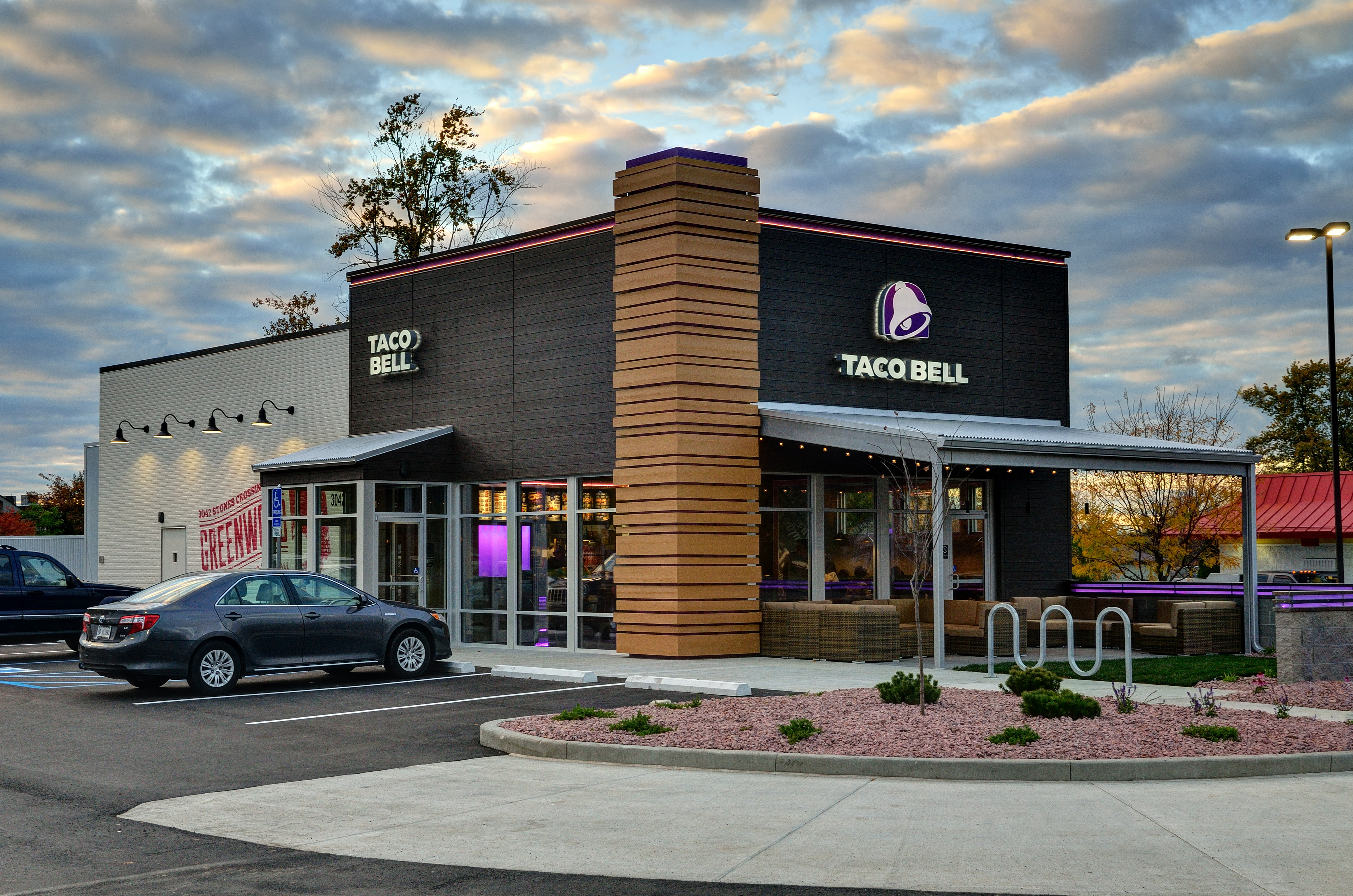
Why push technology at scale? Because labor costs, menu optimization, and a speed‑hungry customer converge into a practical calculus. In California, the fast‑food minimum rose to $20 per hour starting in 2024, reshaping both capital and operating decisions. DRG responds with a layered toolkit: convenient grab‑and‑go stations positioned near the counter, late‑night QR‑access lockers to safeguard guests and staff, and a ghost kitchen model designed to accelerate delivery without a sprawling footprint. Kitchen lines evolve from two to three, isolating digital and delivery orders from walk‑in traffic, while driver‑friendly features like dedicated pickup windows accommodate late‑night peaks. The ambition is efficiency that doesn’t dull warmth.
DRG’s pragmatic stance is echoed by its leaders: technology should relieve friction and elevate the guest journey. The program extends beyond hardware to include AI‑enabled ordering and digital touchpoints that align with evolving consumer habits. In this frame, Voice AI and related innovations cease to be curiosities and become components of a scalable operating model across the Taco Bell network.

At the core, DRG’s technology stack links drive‑thru, kitchen, and guest handoff into a single, efficient loop. Digital menu boards guide the path; a broad network of kiosks invites self‑service, elevating upsell opportunities and speed. The kiosk program began in 1998 and has expanded to every site, with Las Vegas Cantina and other high‑traffic locations offering up to ten kiosks. Some stores run kiosk‑only configurations to minimize friction, while others maintain traditional registers to accommodate mixed traffic. Digital orders typically carry checks roughly 20 percent higher than standard orders, reflecting greater customization and value optimization.
To speed guests along their chosen path, DRG has installed pickup windows for drivers and is testing autonomous/robotic workflows in ghost kitchen operations. Food moves to a locker station via robotics, and drivers retrieve orders by scanning QR codes. The aim is to maximize efficiency, guest satisfaction, and economies in a wage‑conscious landscape.
The leaders driving the transformation emphasize experimentation as a core discipline. In addition to Todd Kelly’s cadence of constant invention, the group has highlighted early testing of voice AI at select drive‑thrus and broader digital augmentation across Cantina concepts. The Ghost Kitchen strategy extended with a Bay Area site opened in partnership with Cloud Kitchens, Charter Oak Food Pickup, marking a milestone in off‑premise expansion. “We’re excited to open the first Ghost Kitchen Taco Bell within Charter Oak Food Pickup and continue our commitment to finding innovative solutions for delivery,” said SG Ellison, CEO & President of DRG.
Meanwhile, Taco Bell’s corporate leadership has underscored AI as a transformative tool. In a July 2024 release, Yum! Brands announced broader Voice AI rollout across U.S. drive‑thrus with a horizon of hundreds of stores by year’s end, aligning franchisee experiments with a shared digital strategy. “Innovation is ingrained in our DNA at Taco Bell, and we view Voice AI as a means to improve the team member and consumer experiences,” observed Dane Mathews, Chief Digital & Technology Officer at Taco Bell. Together, these voices sketch a sector-wide momentum toward frontline automation and smarter service.
Financial signals accompany the operational arc. In Taco Bell’s ecosystem, digital sales have grown meaningfully, with a Q4 digital mix of 31 percent, seven points higher than the prior year. At the corporate level, digital channels represent the majority of sales, aided by kiosk adoption, click‑and‑collect, and integrated loyalty programs. The Voice AI initiative is framed as a path to faster service, greater accuracy, and stronger loyalty engagement, with a near‑term goal of broad deployment across hundreds of drive‑thru locations by the end of 2024. The picture is a multi‑year arc toward digital maturation.
These developments sit within a broader industry shift toward AI‑enabled ordering and autonomous workflows. DRG’s approach—ghost kitchens, multi‑format stores, and front‑of‑house automation—reads as a practical model for laboratories of scale. The sector’s trajectory hints at a future where technology quietly becomes the framework for guest trust and operational resilience, rather than a spectacle of novelty.

DRG’s experiments with digital menus, voice ordering, and ghost kitchens reveal a deliberate strategy: align restaurant technology with evolving consumer expectations and wage realities. The road includes smaller footprints, endcaps and Go Mobile formats, and innovations like delivery‑friendly locker systems and robot‑assisted locker drops. The Las Vegas Cantina and other DRG sites illustrate how a blend of drive‑thru velocity, digital channels, and safe pickup options can recalibrate guest flow and unit economics. DRG’s discipline—“And of every one thing we test, we probably talk about 10 things that we test and we narrow it down and we look at reasons why we can do things instead of reasons why we shouldn’t do things”—reads as a manifesto for future growth.
As AI, autonomy, and guest-centric design continue to redefine speed and personalization, DRG’s integrated playbook may become a blueprint for franchise networks navigating a fast‑changing quick‑service landscape. The cycle of testing, learning, and adaptation positions DRG to stay agile even as consumer tastes and technologies evolve, turning a bold leap into a durable art form.