How Much Does It Cost to Open a Coffee Shop in 2026?
Opening a coffee shop in 2026 requires careful cost planning across rent, equipment, labor, technology, menu strategy, marketing, and sustainability.
operations
May 15, 2026
Opening a coffee shop in 2026 requires careful cost planning across rent, equipment, labor, technology, menu strategy, marketing, and sustainability.
May 15, 2026

This AI playbook covers restaurant tools for voice ordering, staffing, compliance, menu pricing, inventory, marketing, ChatGPT prompts, and SEO.
May 15, 2026

Hardee’s giant Boddie-Noell inks 31-unit Scooter’s Coffee deal for NC and VA, leveraging drive-thru growth and local roots with rollout over 12–18 months.
May 15, 2026

Wingstop turns match weeks into a multi-sensory festival, aligning bold pop-ups with World Cup energy to build brand affinity and measurable momentum.
May 15, 2026

The parent company behind Dunkin', Buffalo Wild Wings, and Arby's has filed for an IPO a move that could reshape how Wall Street views the restaurant sector.
May 15, 2026

Learn how to develop a memorable restaurant brand identity that stands out in a crowded market, attracts loyal customers, and drives repeat business with actionable strategies and affordable tools.
May 15, 2026

Dirty soda chain Swig is expanding into Colorado through a 10-unit franchise deal, riding a consumer beverage trend that's catching the attention of major QSR players nationwide.
May 15, 2026

Papa Johns has teamed up with Alphabet's Wing for drone delivery of its new sandwich lineup in parts of Charlotte marking the first partnership of its kind between Wing and a national QSR brand.
May 15, 2026

A warm, expert-led look at McDonald’s Q1 results, menu makeover, and the refranchise question shaping its growth.
May 14, 2026

A reflective look at Habit Ranch, its immersive desert activation, and what it signals for brand loyalty and mindful, experiential dining.
May 14, 2026

Unlock Exclusive Access To Webinars, Events, And The Latest News For Free!
Dickey’s pivots away from virtual brands to refocus on authentic barbecue, franchise discipline, and reinvestment in restaurant operations.
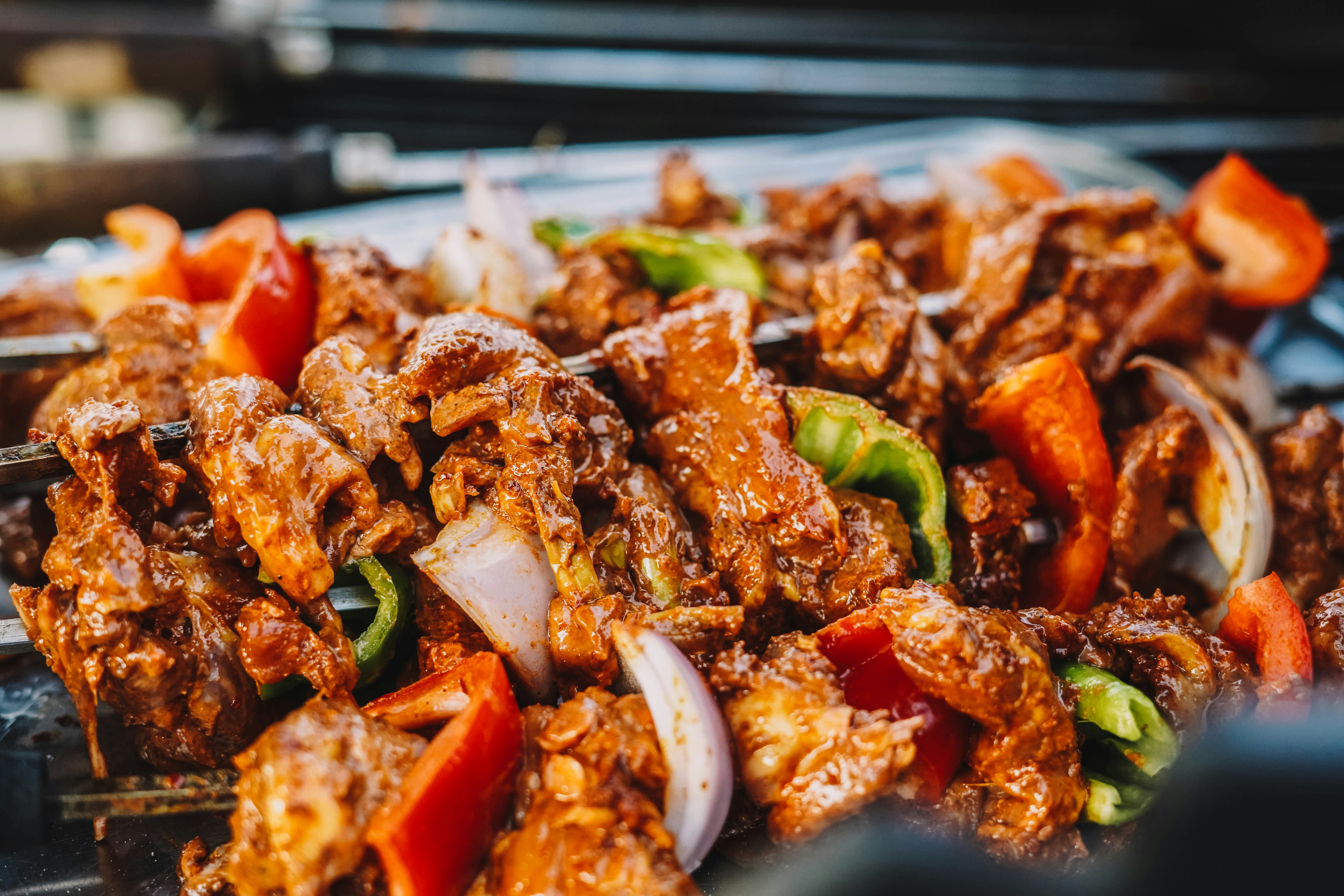
Photo by Dolores Preciado
Dickey’s Barbecue Pit is turning a thoughtful corner at 83 years old, choosing steady craft over a constant launch cadence. The pivot is a deliberate recalibration rather than a pause in growth: the pandemic-era experiment with virtual brands is winding down as the company re-centers on core barbecue, stronger franchise standards, and reinvestment in restaurants. This is not nostalgia; it is a practiced form of sustainability in food and business—balanced, nourishing, and mindful in pacing. The anniversary becomes a moment to honor craft while shaping a resilient, future-facing footprint for guests and partners alike.
Strategic restraint is paired with calibrated investment as the brand narrows its bets. As part of the recalibration, Dickey’s is sunsetting five non-barbecue concepts and revoking licenses that sit outside its traditional franchise system. The aim is to unify guest experience across dine-in and delivery, while strengthening brand consistency. A capital-expenses program targets remodels and efficiencies in existing restaurants, and the expanded Brand-Champion program now returns 20% of royalties to operators who meet the playbook. Together, these moves read like a practical, nourishing version of growth: fewer bets, deeper roots, and more dependable performance for the people who bring the barbecue to life.
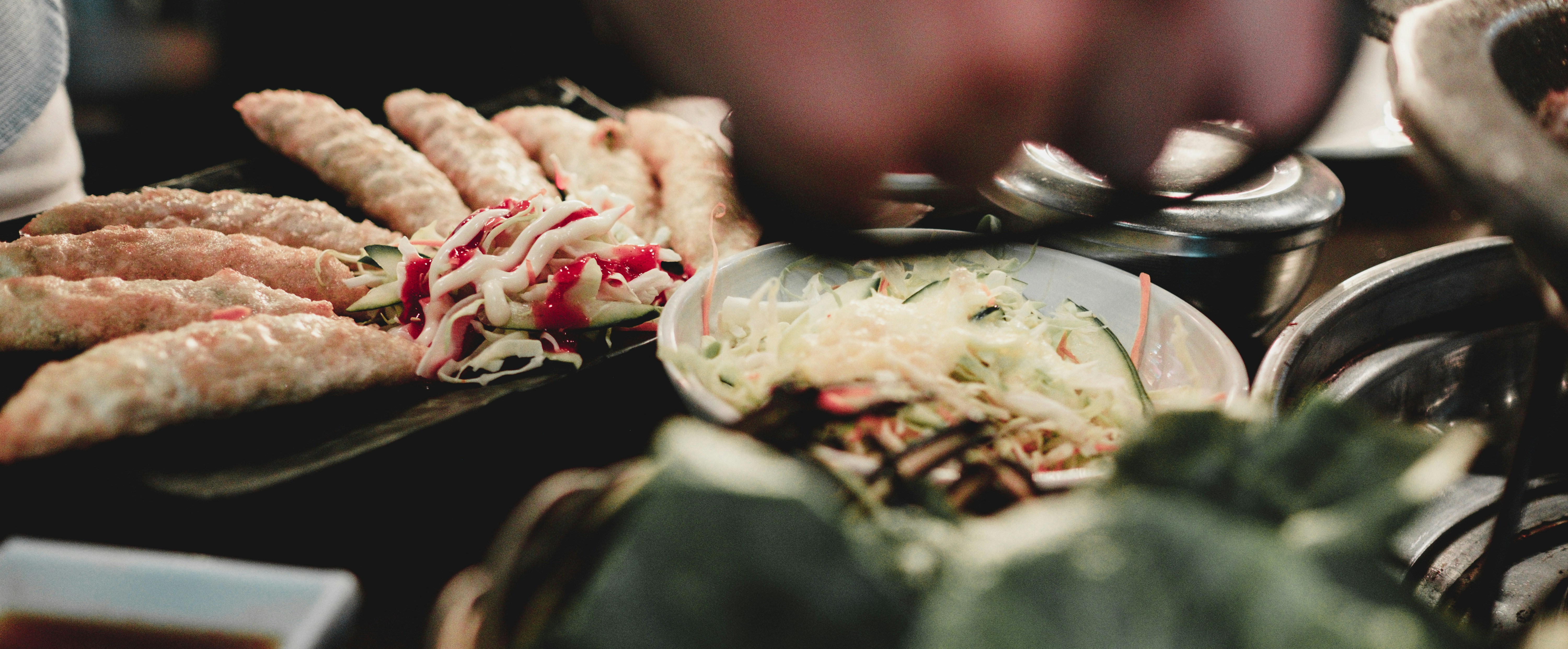
The pandemic era proved fertile for experimentation. Dickey’s leaned into ghost kitchens to reach guests where they were, launching Wing Boss as its inaugural ghost-kitchen wing concept in 2021, then rolling out Big Deal Burger, Trailer Birds Hot Chicken, and Barbecue at Home. The pace reflected a delivery-forward mindset, a hallmark of the moment. Today, leadership signals a shift away from rapid expansion toward core barbecue excellence and a more disciplined approach to partnerships and licensing. In this light, the ghost-kitchen era appears as a pivotal chapter—one that informs a steadier, more authentic path forward.
Operational discipline becomes the backbone of this pivot. The company has prioritized a concentrated remodel and efficiency program, alongside an expanded brand-champion initiative that rewards operators who hit the playbook. The aim is simple and nourishing: consistency in every bite across all channels and a clear path for franchisees to invest with confidence. In this moment, the ghost-kitchen era recedes as Dickey’s leans into the taste of barbecue done well, year after year, with a steadier cadence and greater brand integrity.
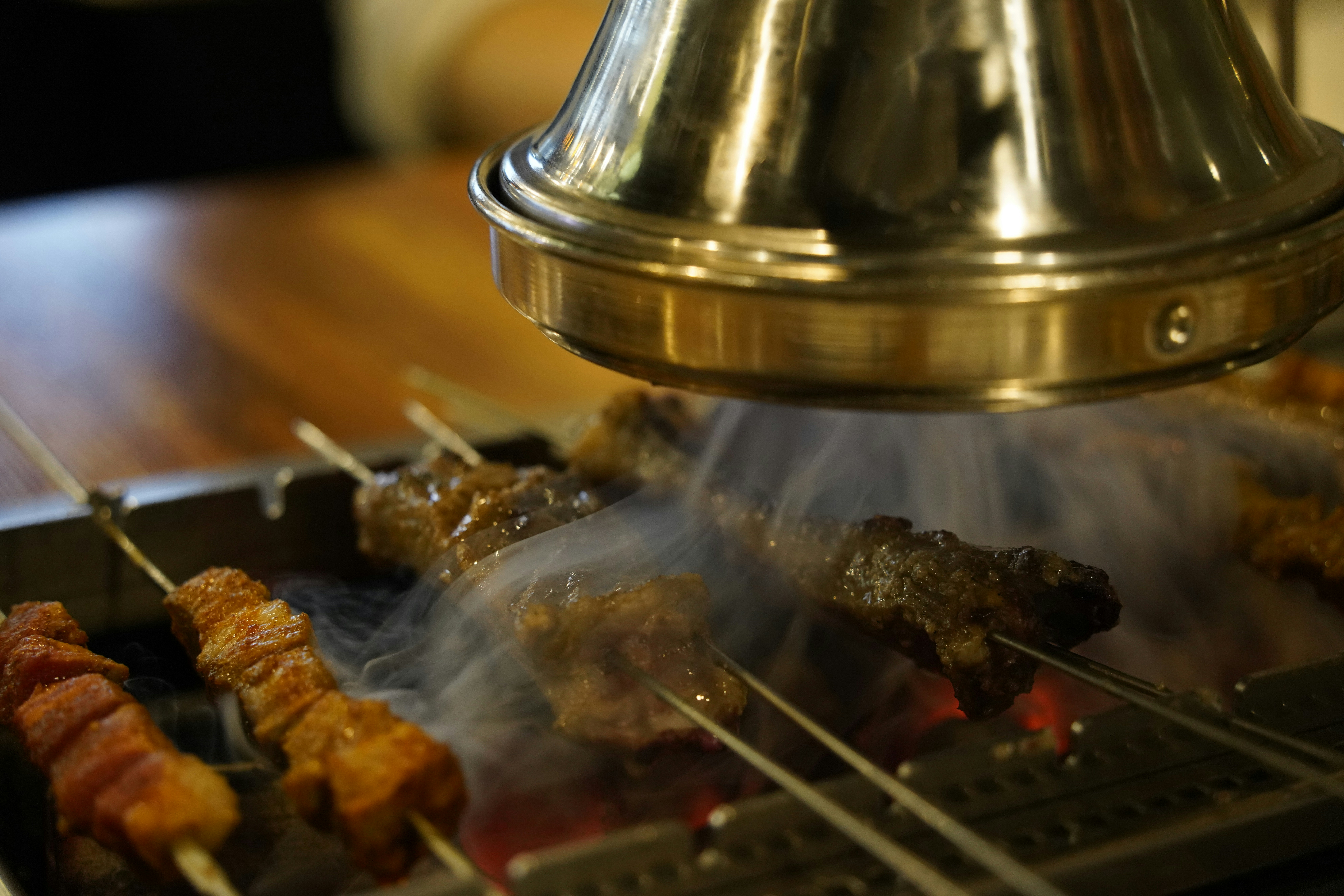
"This anniversary is not just a celebration of our history, but of our future. Over the past year, we’ve doubled down on our barbecue and paused our focus on some of our other concepts. We have spent the past year prioritizing our barbecue menu, strengthening our franchise system and reinvesting in our restaurants." said Laura Rea Dickey, CEO of Dickey’s Barbecue Pit. "Continuing to serve better and better barbecue and build the Dickey's brand takes us back to our legacy and what my grandfather began in 1941. It's a heritage that we're really proud of, and we will continue to carry it well into the future — hopefully for another 83 years." said Roland Dickey Jr., CEO of Dickey’s Capital Group. These statements anchor a broader strategic shift toward authenticity and sustainable performance within a changing market.
Together, the leadership sentiment reinforces a path that is less about flashy growth and more about heritage, discipline, and long-term value for guests and operators. The anniversary serves as a compass, guiding Dickey’s toward an era defined by authentic barbecue and steady, thoughtful performance in a shifting market.
On the balance sheet, the path has been uneven. In the 2024 fiscal year, Dickey’s closed 97 locations and opened 12, producing a net loss of 85 units and a domestic footprint that shrank by about 19%. By contrast, 2019 stood at roughly 506 units, with end-2023 totals near 469 and system sales around $322 million. Leadership argues that this consolidation, paired with stronger operator support, lays the groundwork for healthier growth ahead and a more defensible brand position.
The narrative also calls attention to a broader diversification beyond restaurants alone. The Wycliff Douglas Provisions (WDP) manufacturing subsidiary has continued to expand, presenting a complementary revenue stream that aligns with a longer horizon for stabilizing core operations while diversifying offerings.
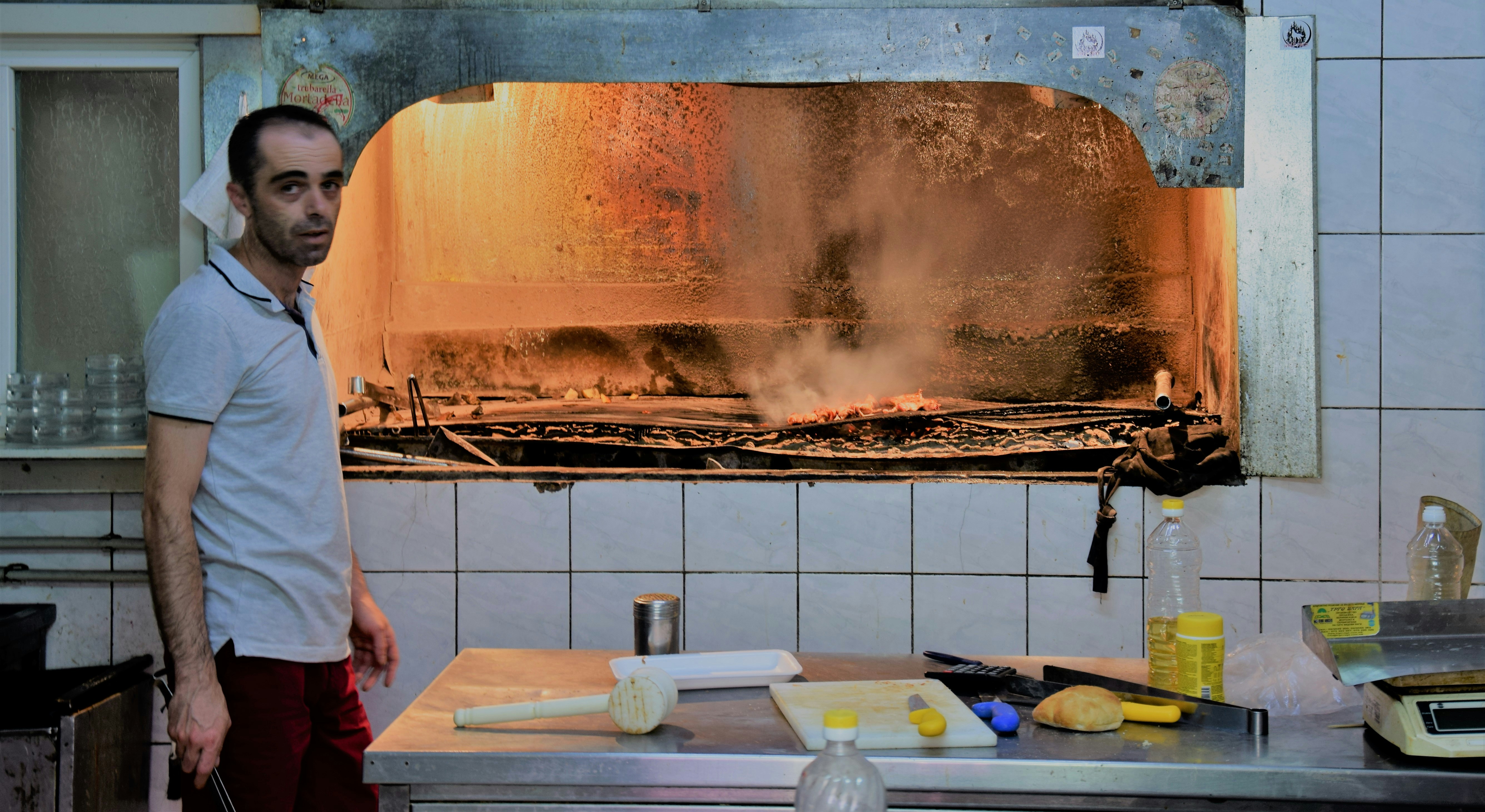
Dickey’s seems to be pursuing a dual-track strategy: steady traditional growth in select markets and a controlled expansion of ancillary meat products through WDP, which has shown meaningful momentum. Launched in 2022 to manage costs and support franchisees with higher margins, WDP has delivered a 105% year-over-year sales increase and a 200% rise in its customer base. Leadership frames this manufacturing-to-restaurant integration as a way to better serve guests and meet rising demand for high-quality meat, signaling a longer-term plan that balances store-level discipline with manufacturing capabilities.
For guests and partners, this is a thoughtful invitation to a more balanced, nourishing dining experience—where consistency, quality, and sustainability are stitched into every bite. By cultivating an era of brand discipline alongside purposeful product innovation, Dickey’s aims to nourish a loyal community while preserving the essence of its flame-kissed barbecue.