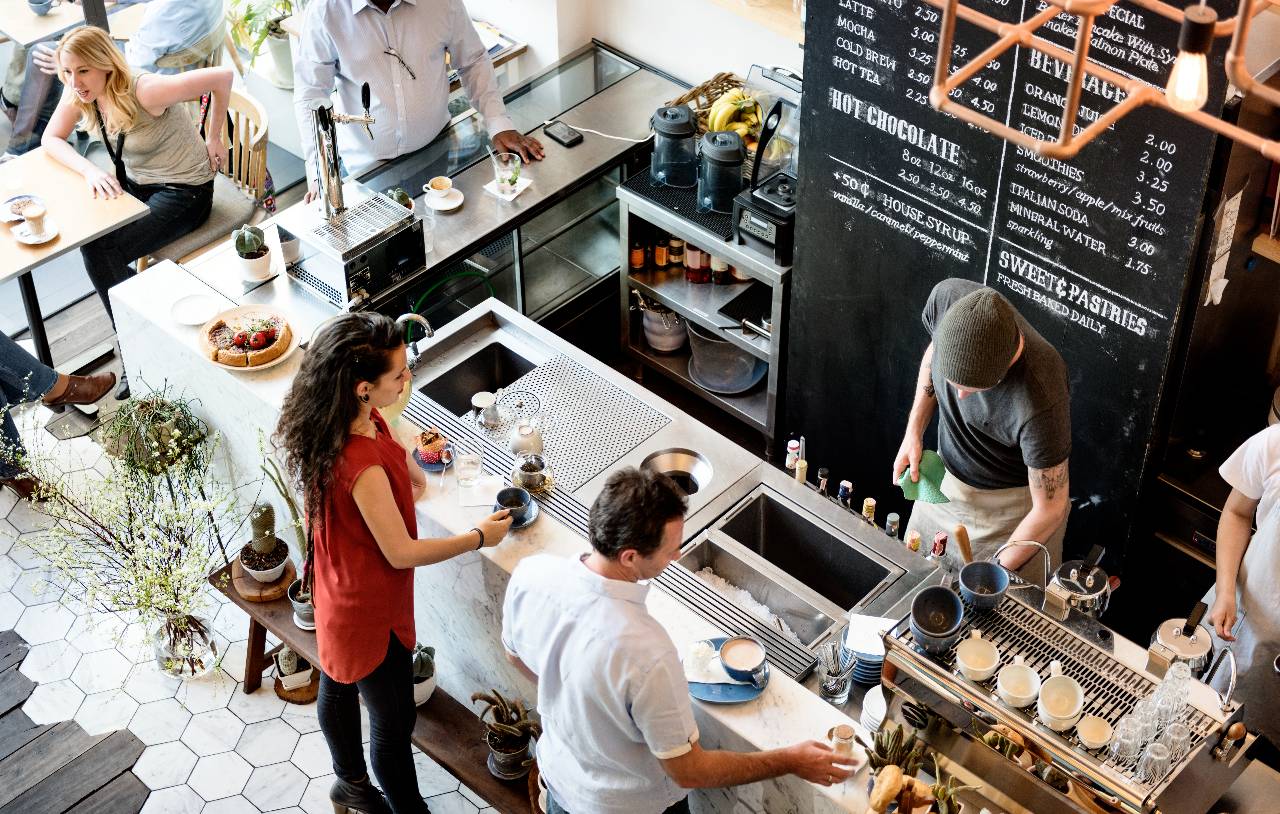
How Much Does It Cost to Open a Coffee Shop in 2026?
Opening a coffee shop in 2026 requires careful cost planning across rent, equipment, labor, technology, menu strategy, marketing, and sustainability.
operations
May 15, 2026
Opening a coffee shop in 2026 requires careful cost planning across rent, equipment, labor, technology, menu strategy, marketing, and sustainability.
May 15, 2026
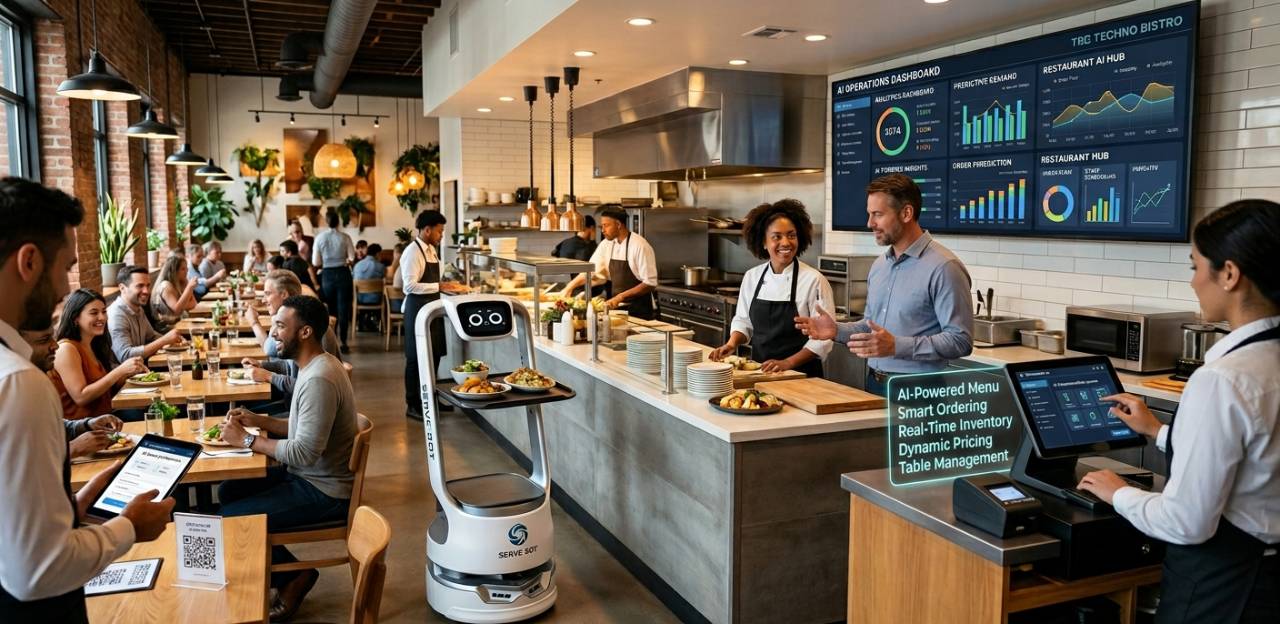
This AI playbook covers restaurant tools for voice ordering, staffing, compliance, menu pricing, inventory, marketing, ChatGPT prompts, and SEO.
May 15, 2026
Hardee’s giant Boddie-Noell inks 31-unit Scooter’s Coffee deal for NC and VA, leveraging drive-thru growth and local roots with rollout over 12–18 months.
May 15, 2026
Wingstop turns match weeks into a multi-sensory festival, aligning bold pop-ups with World Cup energy to build brand affinity and measurable momentum.
May 15, 2026
The parent company behind Dunkin', Buffalo Wild Wings, and Arby's has filed for an IPO a move that could reshape how Wall Street views the restaurant sector.
May 15, 2026
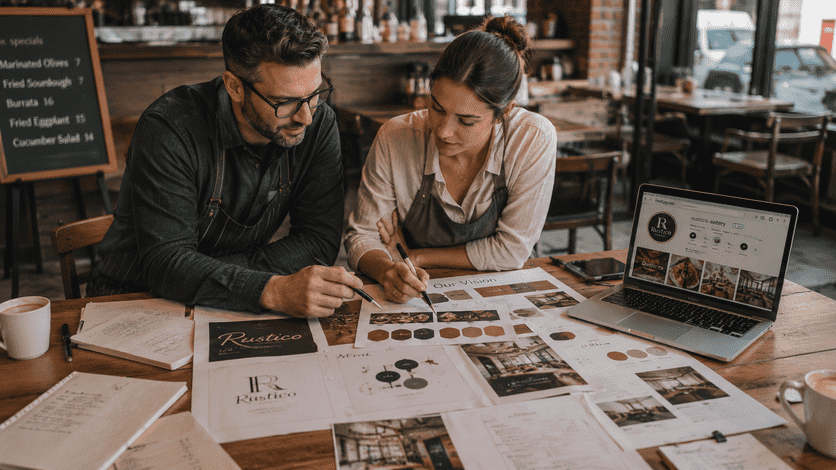
Learn how to develop a memorable restaurant brand identity that stands out in a crowded market, attracts loyal customers, and drives repeat business with actionable strategies and affordable tools.
May 15, 2026
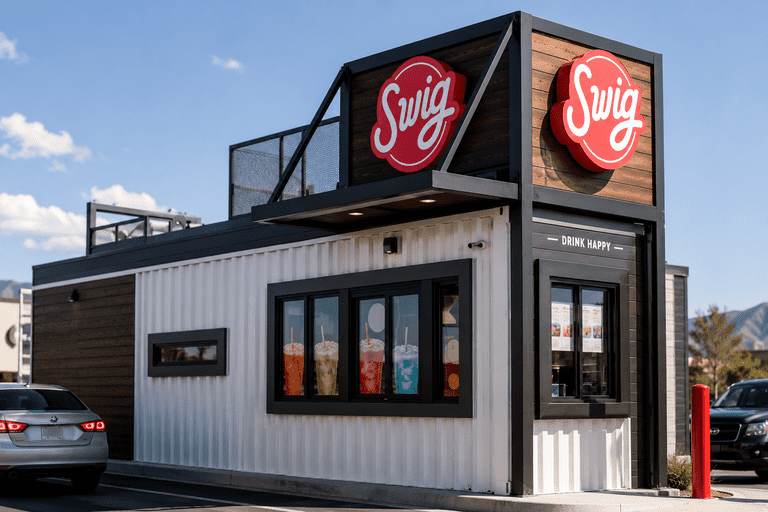
Dirty soda chain Swig is expanding into Colorado through a 10-unit franchise deal, riding a consumer beverage trend that's catching the attention of major QSR players nationwide.
May 15, 2026
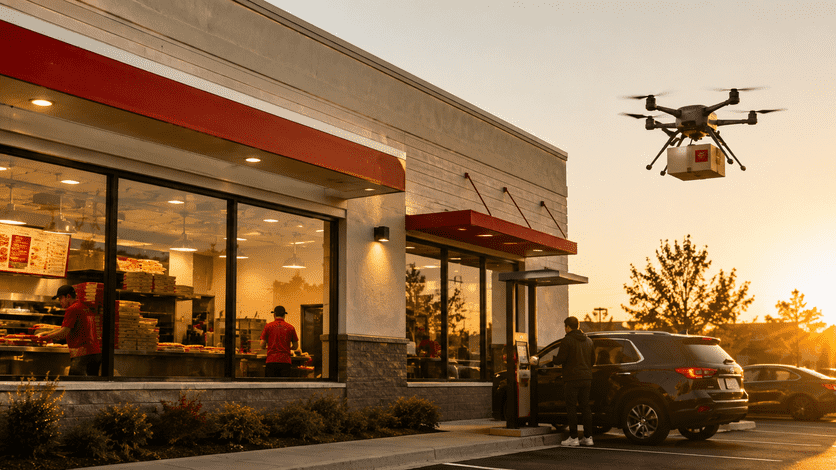
Papa Johns has teamed up with Alphabet's Wing for drone delivery of its new sandwich lineup in parts of Charlotte marking the first partnership of its kind between Wing and a national QSR brand.
May 15, 2026
A warm, expert-led look at McDonald’s Q1 results, menu makeover, and the refranchise question shaping its growth.
May 14, 2026
A reflective look at Habit Ranch, its immersive desert activation, and what it signals for brand loyalty and mindful, experiential dining.
May 14, 2026

Unlock Exclusive Access To Webinars, Events, And The Latest News For Free!
Denny's recruits two veteran executives to fuse brand, digital strategy, and people leadership, signaling a growth pivot in the era of digital guest engagement.
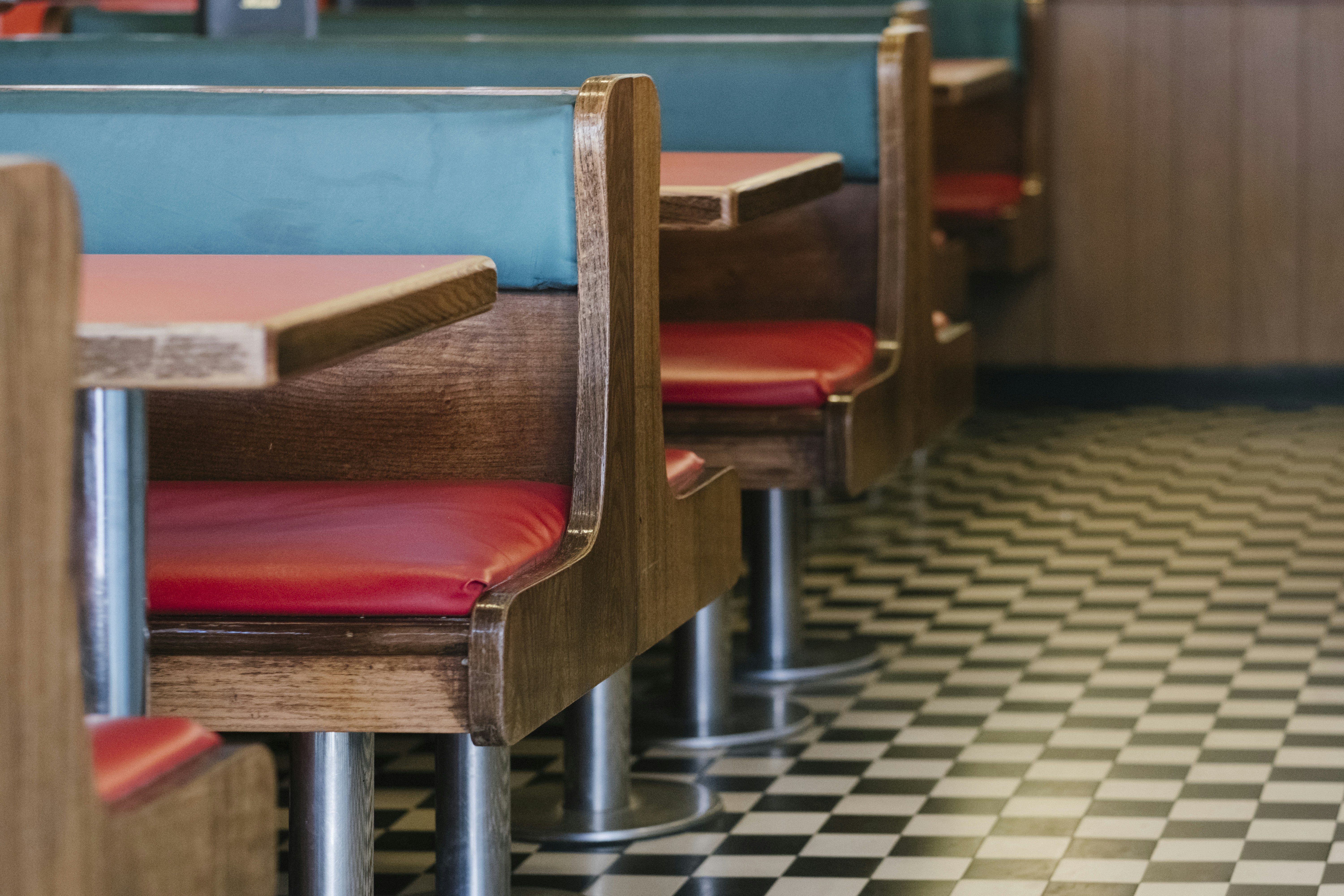
Photo by Amel Majanovic
Across the polished quiet of Denny’s corporate narrative, a new chapter unfolds with the measured grace of a well-planned tasting menu. The company has summoned two veteran restaurant executives to pilot a growth agenda in a digitally driven era: Patty Trevino as senior vice president and chief brand officer, and Monigo G. Saygbay-Hallie as executive vice president and chief people officer. Reporting directly to CEO Kelli Valada, they arrive not as mere appointments but as signals of a refreshed rhythm. This is a pivot spoken in calm, precise terms—brand, technology, and talent must now coalesce around a shared promise of modern guest engagement:
Within this framework, Trevino's remit spans strategy, public relations, social and digital marketing, consumer experience, and product innovation—an integrated portfolio designed to fuse storytelling with every guest touchpoint. Saygbay-Hallie arrives with a broad mandate around people, culture, and organizational development, intended to translate leadership into scalable capability. The two roles are portrayed as complementary gears, turning in synchrony to drive traffic growth and deepen engagement across digital channels. The alignment of brand and digital discipline with culture-focused leadership is meant to create a cohesive engine for external growth and internal capability, even as the industry watches for the first tangible signs of its impact:
That promise is not merely aspirational; it is a narrative that requires careful execution in coming quarters. If Trevino translates brand strength into crisp, customer-focused campaigns and if Saygbay-Hallie sustains a workplace where talent can flourish under pressure, Denny’s could reveal a more agile, more consistent guest experience. The coming months will test whether leadership at the top can truly translate into steady traffic and renewed loyalty, or whether the work remains confined to slides and press releases, awaiting a warmer, more engaged reception from diners:

Treviño and Saygbay-Hallie arrive with more than two decades of combined restaurant leadership. Trevino previously served as chief marketing officer at Red Lobster from February 2022 to August 2023, overseeing marketing, communications, loyalty, culinary operations, and guest experience initiatives. Her broader marketing record spans Carl’s Jr., Bloomin’ Brands, and Burger King. Saygbay-Hallie has led human resources at Sysco and has a long tenure at Yum Brands, most recently serving at Checkers & Rally’s from January 2022 to July 2024. In presenting the hires, Denny’s communications underscored a shared objective: to expand the brand’s appeal while strengthening operational discipline through marketing and people initiatives.
The common thread is clear: a dual bet on growth outside the restaurant’s four walls and discipline inside the organization. The company emphasizes a desire to evolve with consumer demands and to empower teams to move with speed and clarity. The aspiration centers on talent and organizational effectiveness as engines of performance, not merely as support. In short, Denny’s seeks to broaden its audience while sharpening the processes that can turn creative ideas into reliable execution.
Treviño's remit covers strategy, public relations, social and digital marketing, consumer experience, and product innovation—a map designed to knit brand voice to customer moments and menu evolution. She is charged with weaving rigorous marketing discipline into product development so that launches and promotions speak with one voice across every channel. Saygbay-Hallie’s assignment centers on people, culture, and organizational development, translating leadership into scalable capability—talent pipelines, performance management, and cultural foundations that sustain growth. The pairing envisions a single, cohesive engine where external growth is matched by internal strength.
Together, these roles form a deliberate cadence: marketing informs product; people enable delivery; operations measure impact. The effect would be a more disciplined rollout of digital campaigns, loyalty experiences, and virtual concepts—without surrendering hospitality or warmth. The dual focus intends to translate attention into loyalty, and loyalty into repeat visits, even as the casual-dining landscape reshapes delivery and on-site dining. If the plan holds, Denny’s could begin to harness digital channels as a true growth lever rather than a side pursuit.
The onboarding timetable is specific: Saygbay-Hallie’s role effective August 5, 2024, with Trevino’s responsibilities taking effect August 12, 2024, both reporting to Kelli Valada. The cadence reflects a deliberate rhythm aligned with ongoing growth initiatives and digital investments, a continuity of leadership echoing Valada’s own trajectory since joining in May 2022. In a landscape of virtual concepts and multi-brand experimentation, the leadership refresh is designed to accelerate execution while maintaining a steady hand on culture.
Industry context and external signals underscore that this is not a stand-alone move. Denny’s has expanded Banda Burrito, its California-based virtual brand, and in 2023–2024 pursued a major host-kitchen collaboration with Franklin Junction to deploy virtual concepts across hundreds of stores. By late 2024, Banda Burrito had reached a broad footprint across more than a thousand restaurants, illustrating the scale of the company’s digital-branch strategy. Observers point to digital-guest engagement as a paramount growth lever, while the people-centric leadership is expected to anchor fast, confident decision-making.
Yet even as the hires and digital initiatives acquire clarity, several aspects remain elusive in public forums. The exact operational mechanics of the Franklin Junction deployment—whether the 250-store rollout functions as ghost-kitchen capacity for others or as a direct Denny’s network expansion—have not been fully disclosed. Likewise, the pace and geographic rollout of Banda Burritos and other virtual concepts will hinge on franchisee alignment, supply chain realities, and regional market conditions. Industry observers will watch to see how these moves translate into traffic, same-store sales, and guest engagement in the near term.
In the absence of complete transparency, the trajectory remains aspirational rather than assured. The dual ambitions—digital-off premise expansion and a stronger internal culture—could yield stabilization of traffic and deeper loyalty if executed decisively, or risk faltering in implementation if integration slows or frictions arise. The coming quarters will reveal whether the new leadership can translate intention into measurable performance, particularly in a market where delivery dynamics, incentives, and guest expectations continue to evolve.
Taken together, the leadership refresh and the digital-innovation push sketch a dual-growth trajectory: broaden digital and off-premise offerings to engage younger, tech-savvy diners while fortifying the brand’s internal muscles to sustain momentum. The emphasis on strategy, marketing, and product innovation, paired with a people-first leadership approach, signals a holistic plan to align external growth with internal culture. If successful, Denny’s could stabilize traffic, sharpen loyalty, and diversify revenue streams as casual dining adapts to evolving consumer behavior and delivery expectations.
The outcome rests on execution, patience, and the art of harmonizing ideas with operations. As with a restrained risotto, success lies in restraint: the balance of bold digital ambition with a human-centered culture. The leadership duo’s work will be judged not by announcements but by tangible shifts in guest experience, menu relevance, and the speed with which the brand can translate data into delightful, consistent visits.