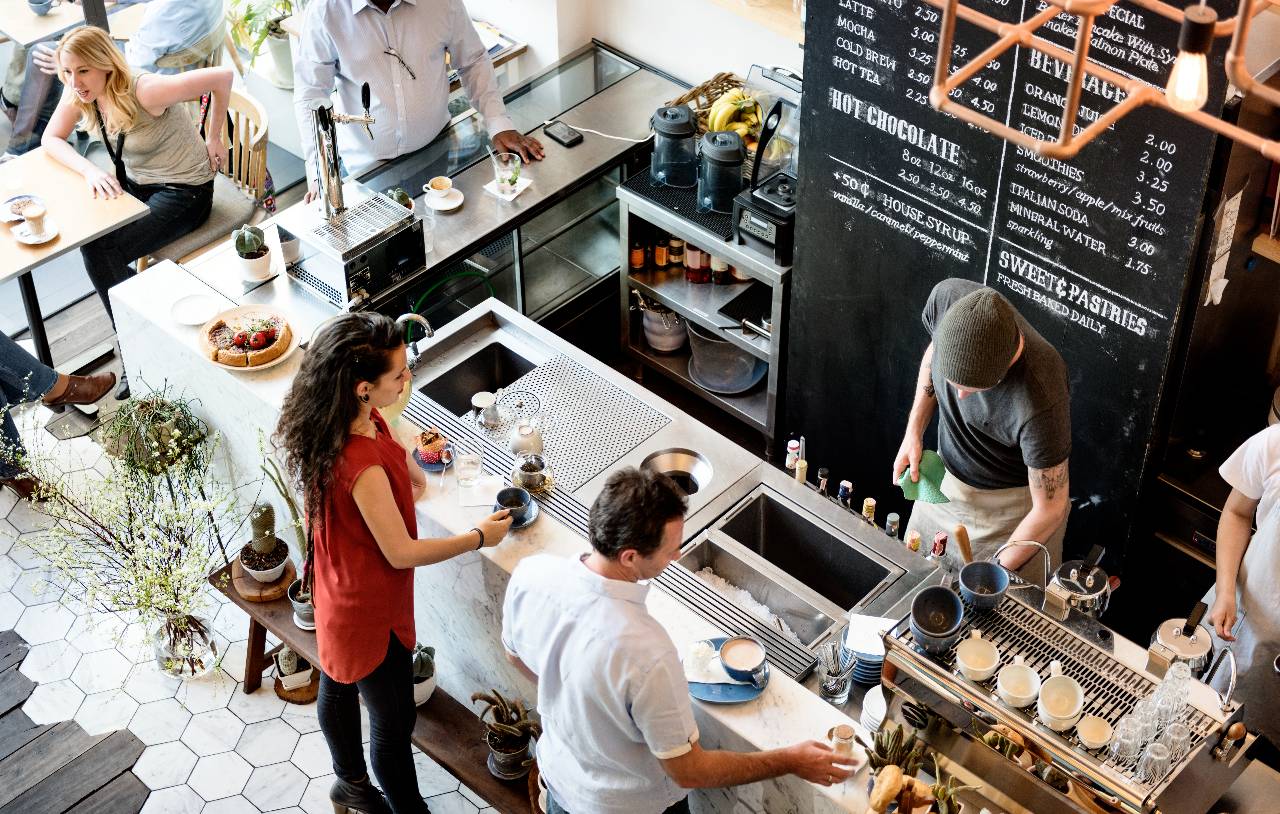
How Much Does It Cost to Open a Coffee Shop in 2026?
Opening a coffee shop in 2026 requires careful cost planning across rent, equipment, labor, technology, menu strategy, marketing, and sustainability.
operations
May 15, 2026
Opening a coffee shop in 2026 requires careful cost planning across rent, equipment, labor, technology, menu strategy, marketing, and sustainability.
May 15, 2026
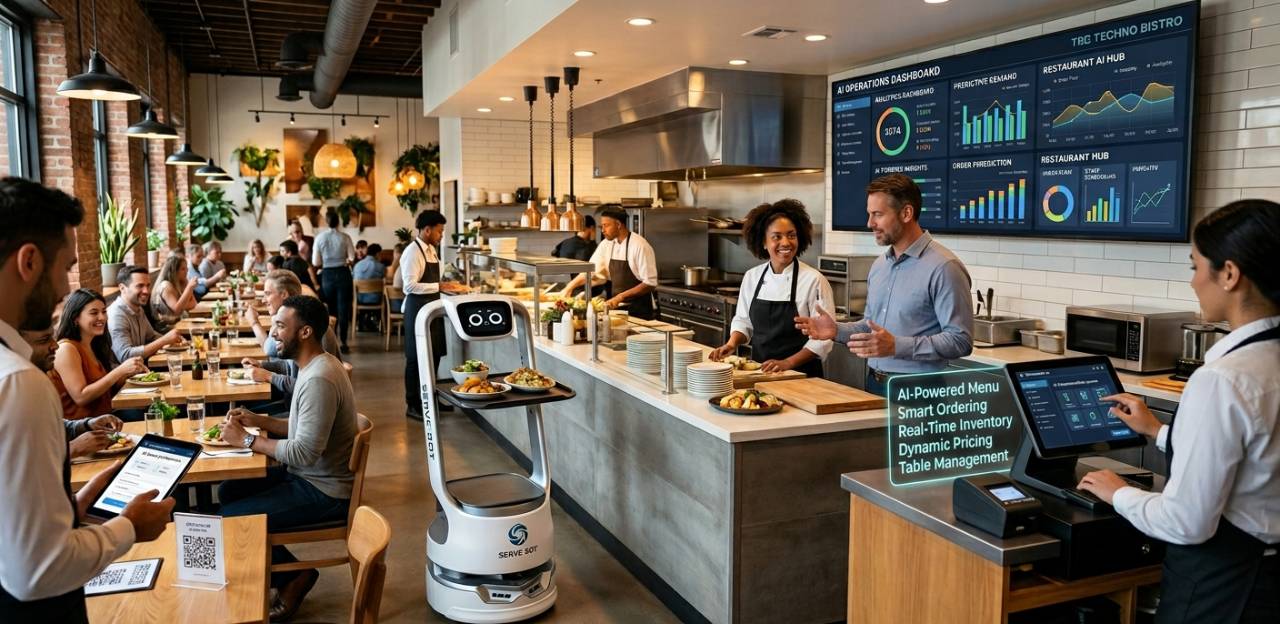
This AI playbook covers restaurant tools for voice ordering, staffing, compliance, menu pricing, inventory, marketing, ChatGPT prompts, and SEO.
May 15, 2026
Hardee’s giant Boddie-Noell inks 31-unit Scooter’s Coffee deal for NC and VA, leveraging drive-thru growth and local roots with rollout over 12–18 months.
May 15, 2026
Wingstop turns match weeks into a multi-sensory festival, aligning bold pop-ups with World Cup energy to build brand affinity and measurable momentum.
May 15, 2026
The parent company behind Dunkin', Buffalo Wild Wings, and Arby's has filed for an IPO a move that could reshape how Wall Street views the restaurant sector.
May 15, 2026

Learn how to develop a memorable restaurant brand identity that stands out in a crowded market, attracts loyal customers, and drives repeat business with actionable strategies and affordable tools.
May 15, 2026
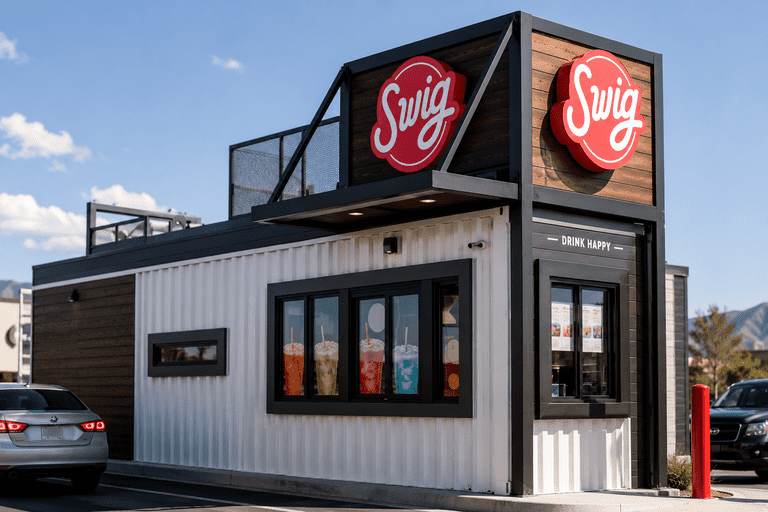
Dirty soda chain Swig is expanding into Colorado through a 10-unit franchise deal, riding a consumer beverage trend that's catching the attention of major QSR players nationwide.
May 15, 2026
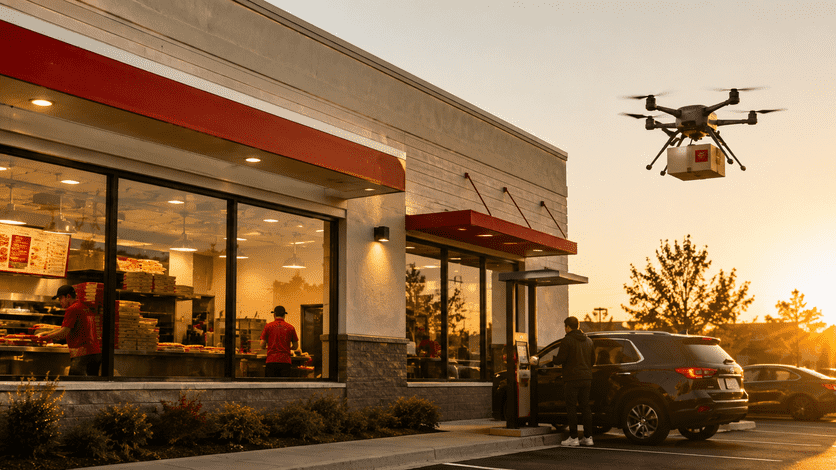
Papa Johns has teamed up with Alphabet's Wing for drone delivery of its new sandwich lineup in parts of Charlotte marking the first partnership of its kind between Wing and a national QSR brand.
May 15, 2026
A warm, expert-led look at McDonald’s Q1 results, menu makeover, and the refranchise question shaping its growth.
May 14, 2026
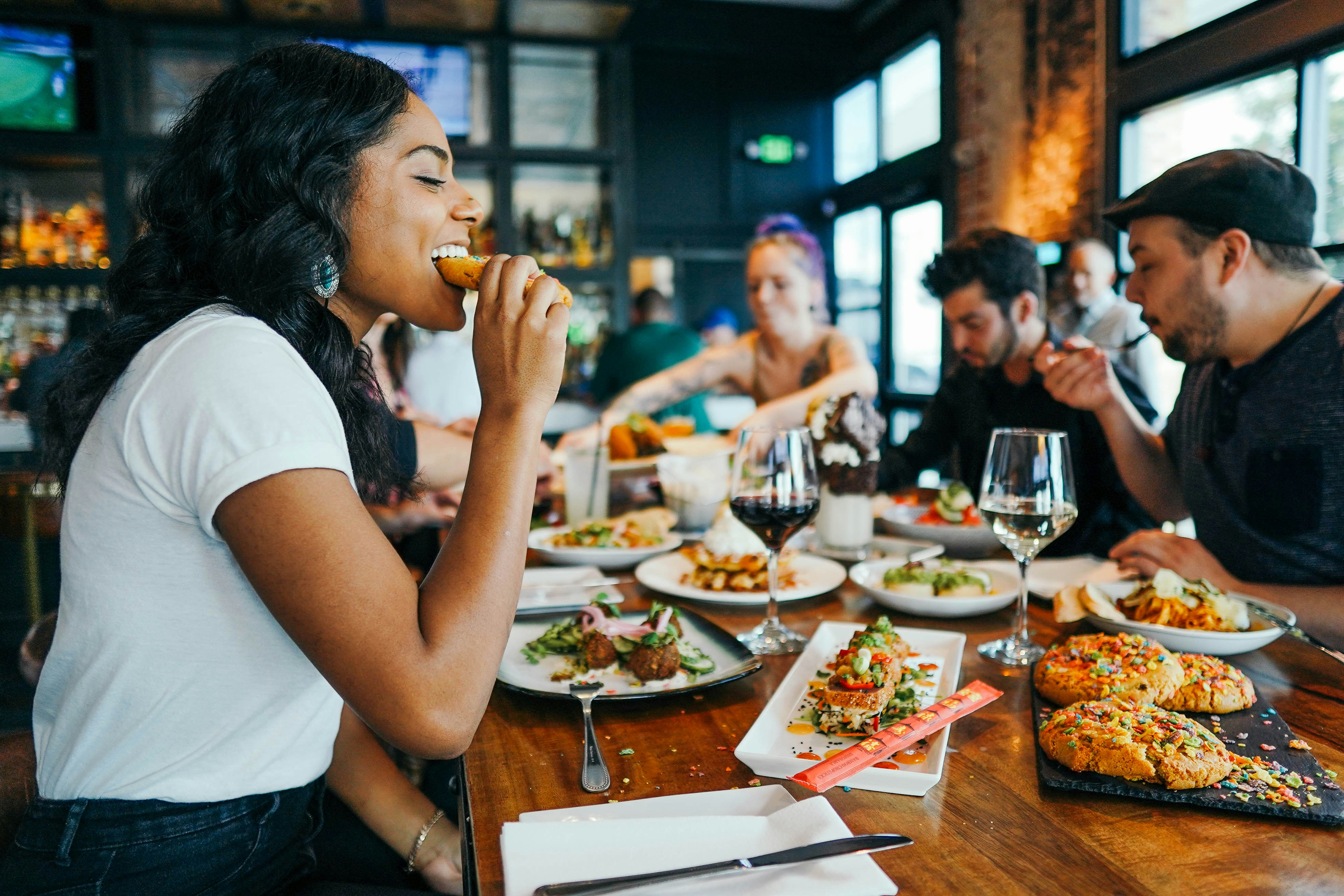
A reflective look at Habit Ranch, its immersive desert activation, and what it signals for brand loyalty and mindful, experiential dining.
May 14, 2026

Unlock Exclusive Access To Webinars, Events, And The Latest News For Free!
Darden completes an all-cash $605 million acquisition of Chuy's, signaling a strategic push into Tex-Mex within a growing multi-brand platform.
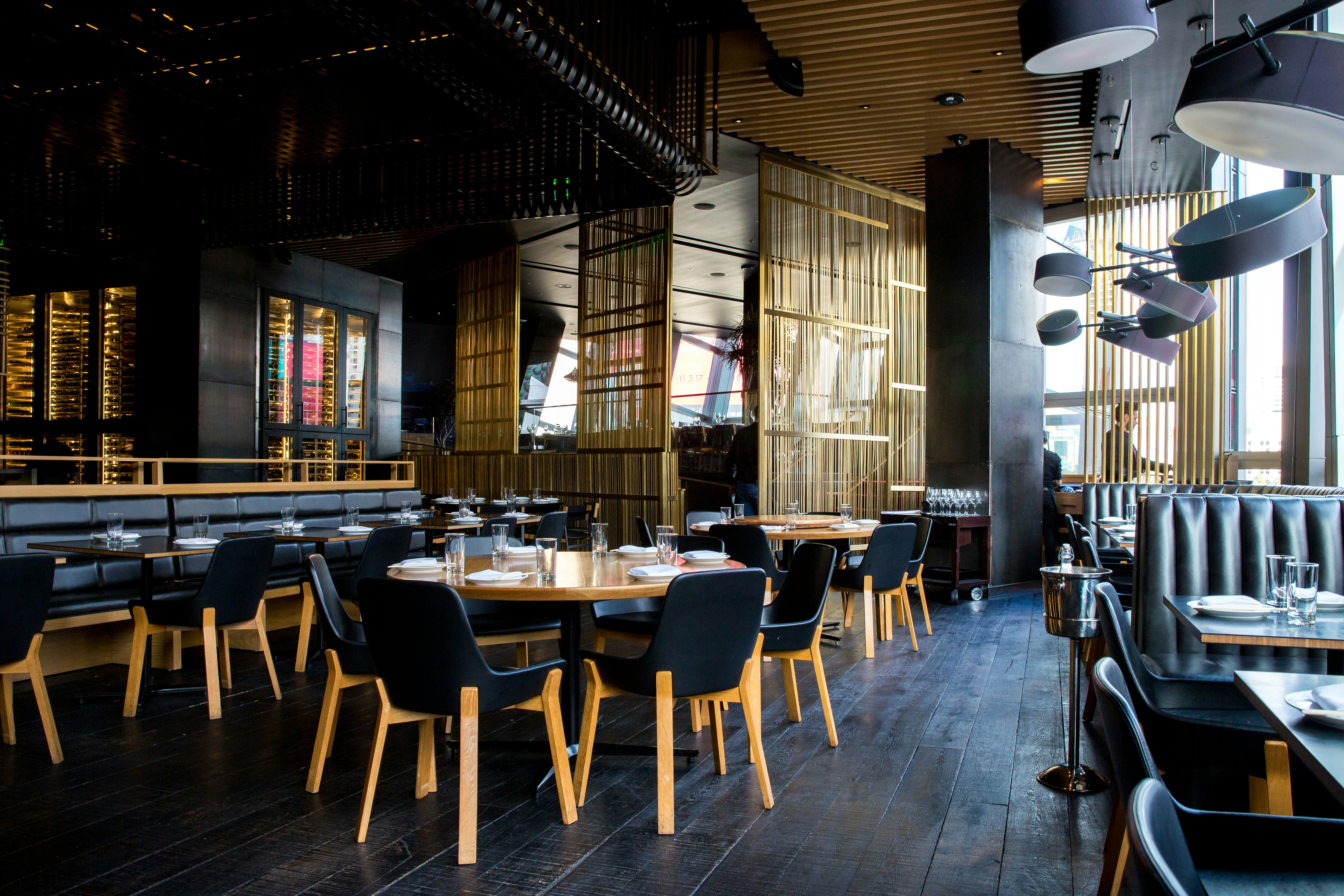
Photo by Jason Leung
From the outset, this move reads as a blunt, high-stakes bet. Darden Restaurants is acquiring Chuy's Holdings in an all-cash deal valued at about $605 million, a signal that runs beyond simple numbers. The objective is concise and aggressive: fold a distinctive Tex-Mex concept into a mature, multi-brand platform and push growth in a category outside Darden’s current wheelhouse. Chuy's offers a scratch-made Tex-Mex menu and a vibrant in-restaurant atmosphere that contrasts with the more familiar steakhouse and pasta biases elsewhere in the portfolio. With 101 restaurants across 15 states as of mid-July 2024, the brand already brings geographic reach and guest loyalty. This is where the story begins: can two dining cultures blend without losing their bite?
The deal mechanics are straightforward but crucial. The transaction is an all-cash purchase at $37.50 per share, representing roughly a 40% premium to Chuy’s 60-day VWAP. The deal carries a 10.3-times implied EBITDA multiple based on Chuy’s last twelve months ended March 31, 2024. On the advisor front, BofA Securities advises Darden and Piper Sandler advises Chuy’s; legal counsel spans Hunton Andrews Kurth and Winston & Strawn. Expected integration costs sit in a pre-tax range of $50 million to $55 million, with close anticipated in Darden’s fiscal second quarter and subject to customary closing conditions, including stockholder approvals.
That plan is more than a line on a press release. It’s a deliberate move to map growth with a capital structure and a defined integration tempo. The all-cash bid channels a clear message: scale with discipline, safeguard brand identity, and unlock cross-brand opportunities through a diversified platform.
Deal is more than a number — it’s a blueprint for how Darden intends to grow with purpose. The consideration is all-cash at $37.50 per share, sitting atop a about 40% premium to the stock’s recent trading range. The 10.3x EBITDA multiple frames the valuation against a growing full-service footprint and a brand with a defined guest base. Advisors and counsel are named in the filings: BofA Securities, Piper Sandler, Hunton Andrews Kurth, and Winston & Strawn. Integration costs are set at $50–$55 million pre-tax, highlighting the upfront spend to align two distinct cultures.
The closing is targeted for Darden’s fiscal second quarter, contingent on customary conditions, including stockholder approvals. Financing-wise, the structure relies on cash flow and timing rather than equity dilution, signaling a preference for speed in realizing a cross-brand, cross-market footprint.
Growth through acquisition is increasingly common in the full-service space. This deal follows Darden’s Ruth’s Hospitality Group acquisiton in 2023 for about $715 million, establishing a pattern of multi-brand management designed to weather cycles while extending reach. Post-close, Darden’s portfolio includes Olive Garden, LongHorn, Cheddar’s Scratch Kitchen, The Capital Grille, and now Chuy’s — a breadth that positions the company to navigate shifts in guest demand with platform-wide leverage. The combined footprint edges toward a portfolio of more than 2,000 restaurants, and the chatter around 2025–2026 centers on new openings and continued integration milestones.
The strategic thesis is clear: diversify cuisine within a mature platform, extend geographic reach, and harness scale economies across suppliers and guest-rewards ecosystems. The Chuy’s addition is framed as a differentiated Tex-Mex proposition that sits outside Darden’s existing brand hierarchy while remaining compatible with a capital-light growth model.
What follows is a period of measured integration. The industry is watching for how quickly the two cultures align, how guest traffic responds in the early days of cross-brand marketing, and where the synergies land in earnings trajectories as the calendar flips to 2026.
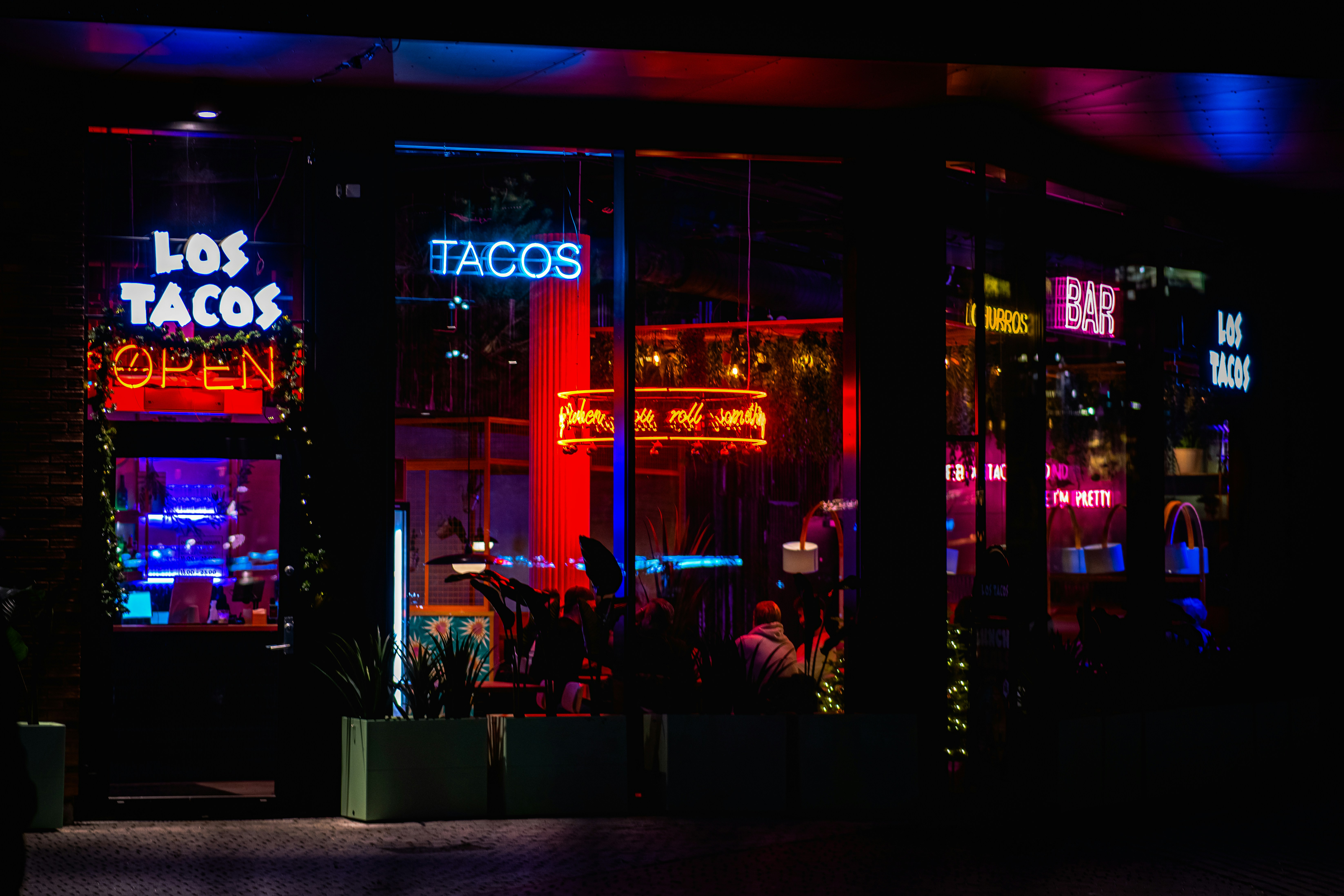
Closing and financing marked a new era for Chuy’s as the deal closed on October 11, 2024, following stockholder approval a day earlier. The financing mix leaned on two new note offerings — $400 million due 2027 and $350 million due 2029 — underscoring a capital structure designed to support the integration within Darden’s larger balance sheet. With the closing, Chuy’s common stock ceased trading on Nasdaq, and the brand joined a portfolio of differentiated concepts under the Darden umbrella. In the year that followed, Darden began reporting the combined footprint, signaling a new operating reality and the start of a unified earnings narrative.
This post-merger reality is a testbed for the platform’s unit economics and growth discipline. The financing and the close are not merely procedural steps; they’re the scaffolding for how the extended family of brands will operate, invest, and compete in a market that prizes scale, speed, and brand fit.
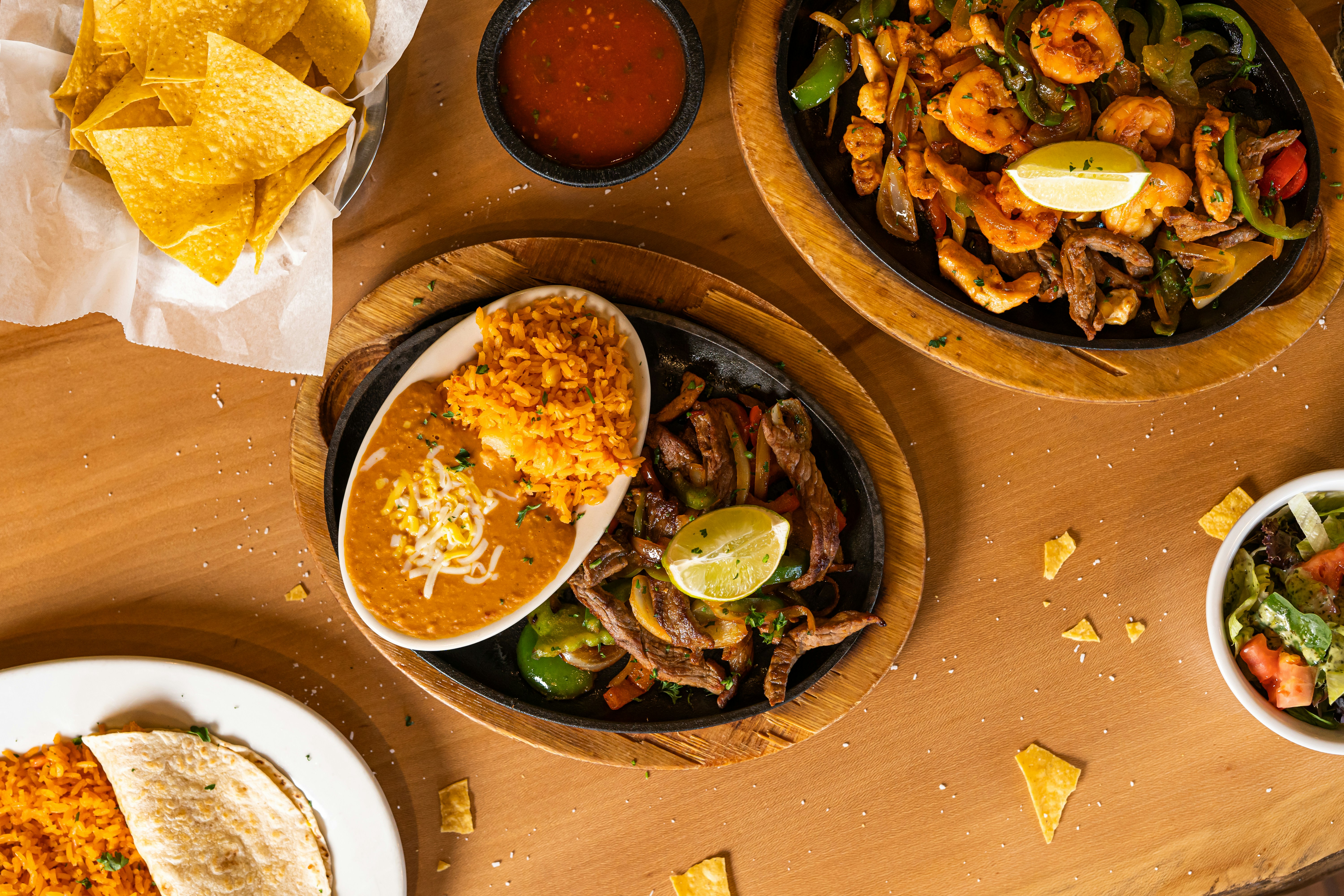
Gaps and uncertainties remain around the rhythm of integration. Darden’s earnings materials indicate that Chuy’s will not be included in certain consolidated metrics until about the 16-month mark of ownership, aligning with the fiscal calendar and a threshold noted in mid-2025 disclosures. The unit count has fluctuated, cited as 101 in one filing and 103 in later filings, highlighting the fluid nature of openings and relocations as the combined platform evolves. Analysts will focus on the pace of cost alignment, the realization of cross-brand guest growth, and the ultimate impact on margins as 2026 approaches.
The lessons are practical: integration costs, the timing of synergies, and how cross-brand marketing translates into guest flow will shape the earnings trajectory. The next chapters will reveal whether this Tex-Mex expansion becomes a durable differentiator or a transient lift within a sprawling multi-brand engine.
In short, the deal isn’t just an acquisition. It’s a blueprint for how Darden will pursue growth across cuisine types, geographies, and guest segments while holding the line on operating discipline as the industry moves deeper into consolidation.