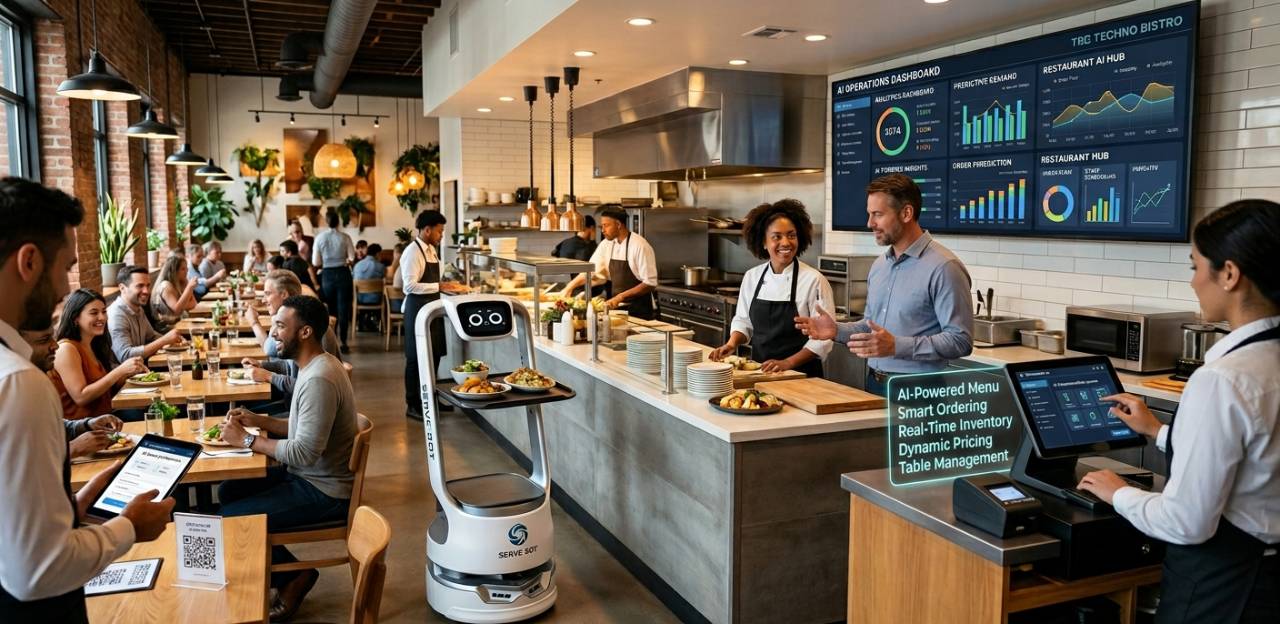
AI Playbook for Restaurant Owners
This AI playbook covers restaurant tools for voice ordering, staffing, compliance, menu pricing, inventory, marketing, ChatGPT prompts, and SEO.
tech
May 15, 2026
This AI playbook covers restaurant tools for voice ordering, staffing, compliance, menu pricing, inventory, marketing, ChatGPT prompts, and SEO.
May 15, 2026
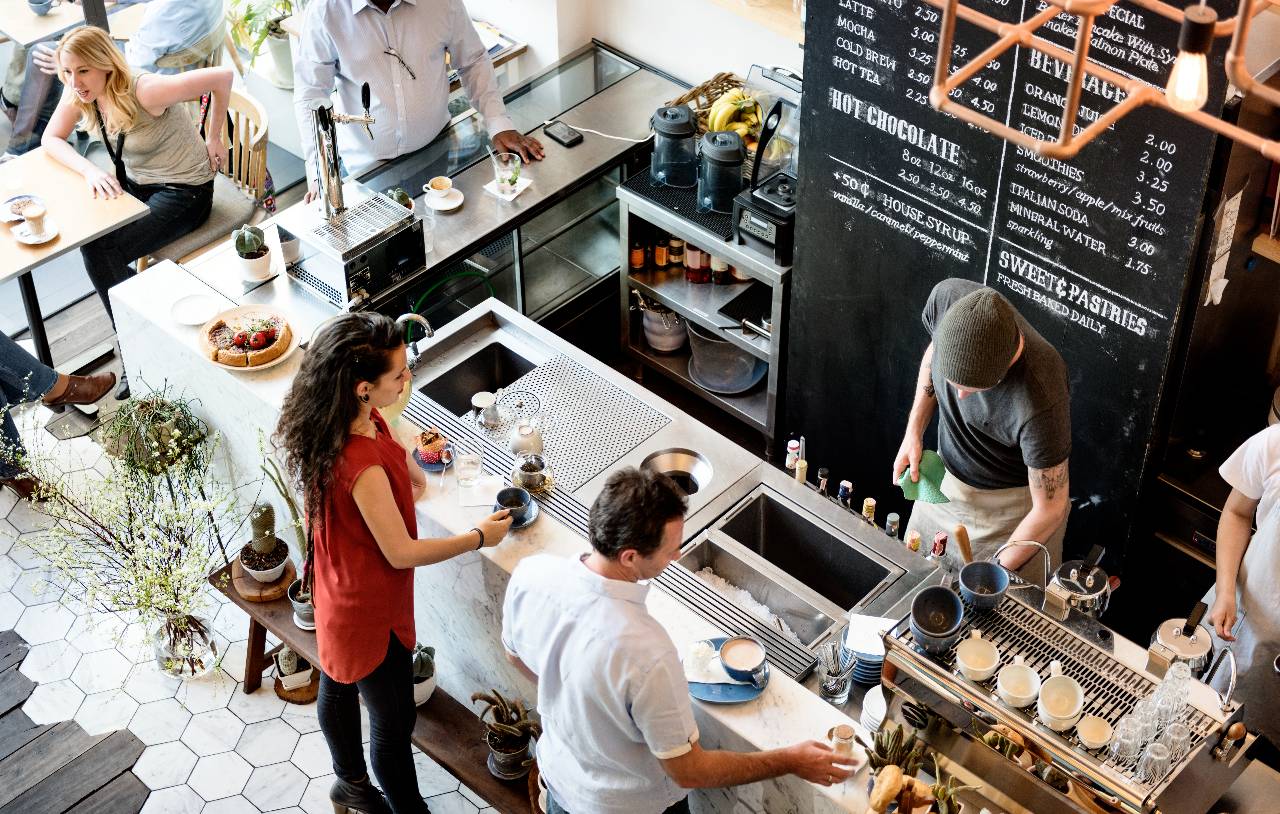
Opening a coffee shop in 2026 requires careful cost planning across rent, equipment, labor, technology, menu strategy, marketing, and sustainability.
May 15, 2026
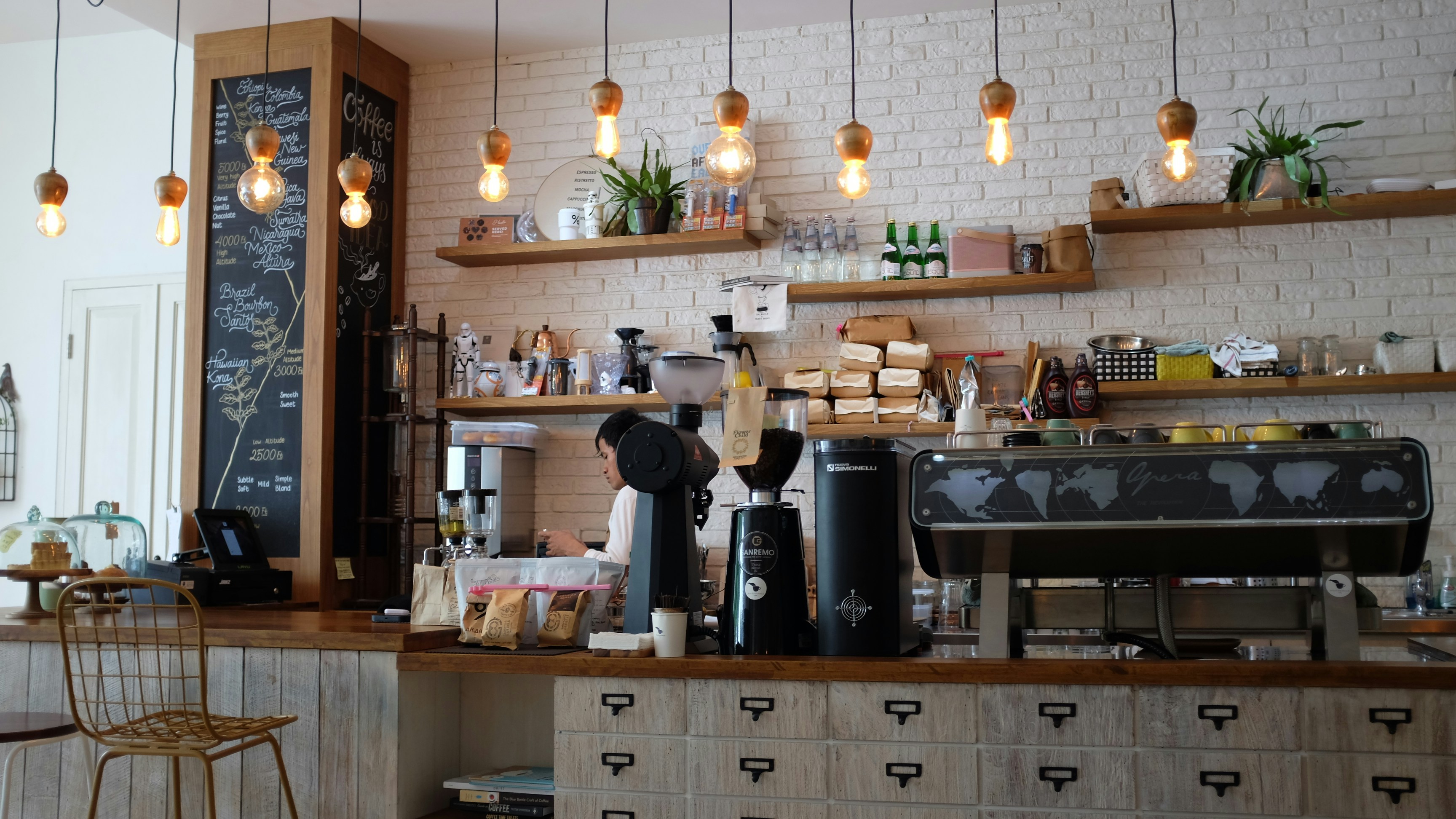
Hardee’s giant Boddie-Noell inks 31-unit Scooter’s Coffee deal for NC and VA, leveraging drive-thru growth and local roots with rollout over 12–18 months.
May 15, 2026
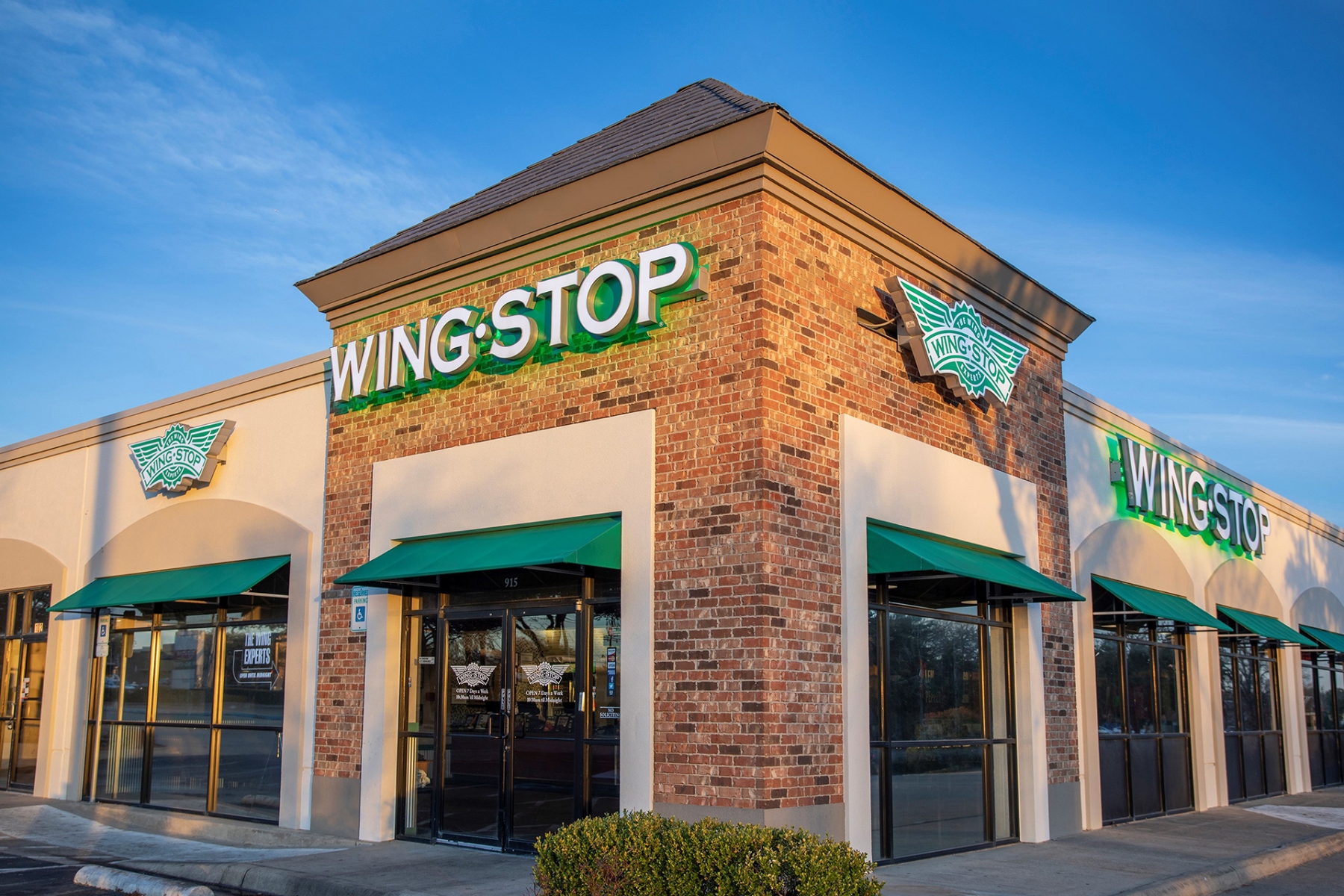
Wingstop turns match weeks into a multi-sensory festival, aligning bold pop-ups with World Cup energy to build brand affinity and measurable momentum.
May 15, 2026
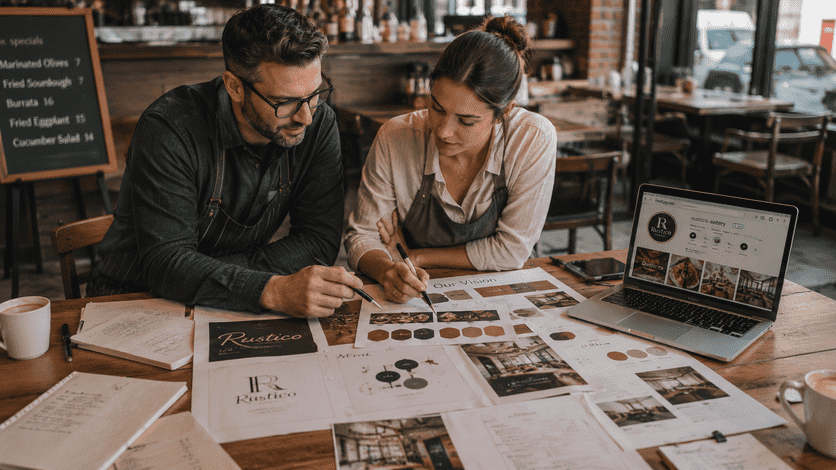
Learn how to develop a memorable restaurant brand identity that stands out in a crowded market, attracts loyal customers, and drives repeat business with actionable strategies and affordable tools.
May 15, 2026
The parent company behind Dunkin', Buffalo Wild Wings, and Arby's has filed for an IPO a move that could reshape how Wall Street views the restaurant sector.
May 15, 2026
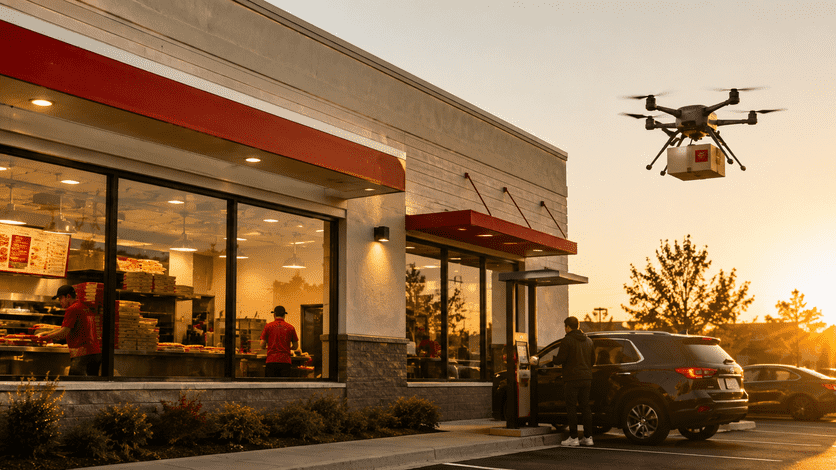
Papa Johns has teamed up with Alphabet's Wing for drone delivery of its new sandwich lineup in parts of Charlotte marking the first partnership of its kind between Wing and a national QSR brand.
May 15, 2026
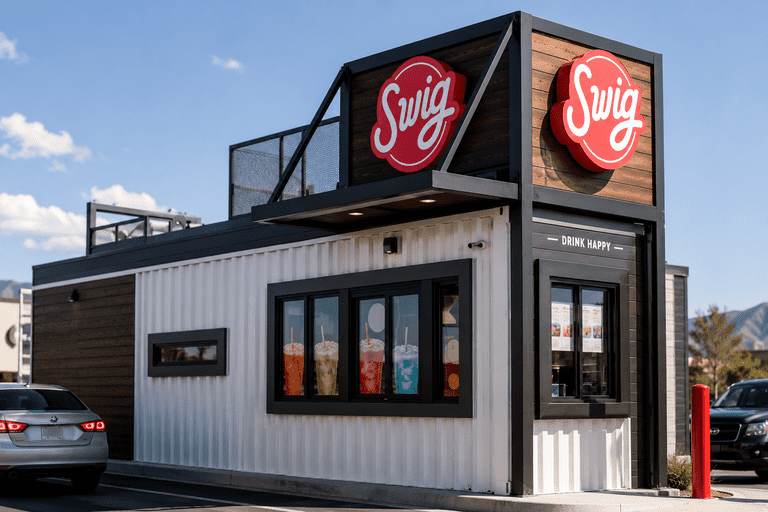
Dirty soda chain Swig is expanding into Colorado through a 10-unit franchise deal, riding a consumer beverage trend that's catching the attention of major QSR players nationwide.
May 15, 2026
A warm, expert-led look at McDonald’s Q1 results, menu makeover, and the refranchise question shaping its growth.
May 14, 2026
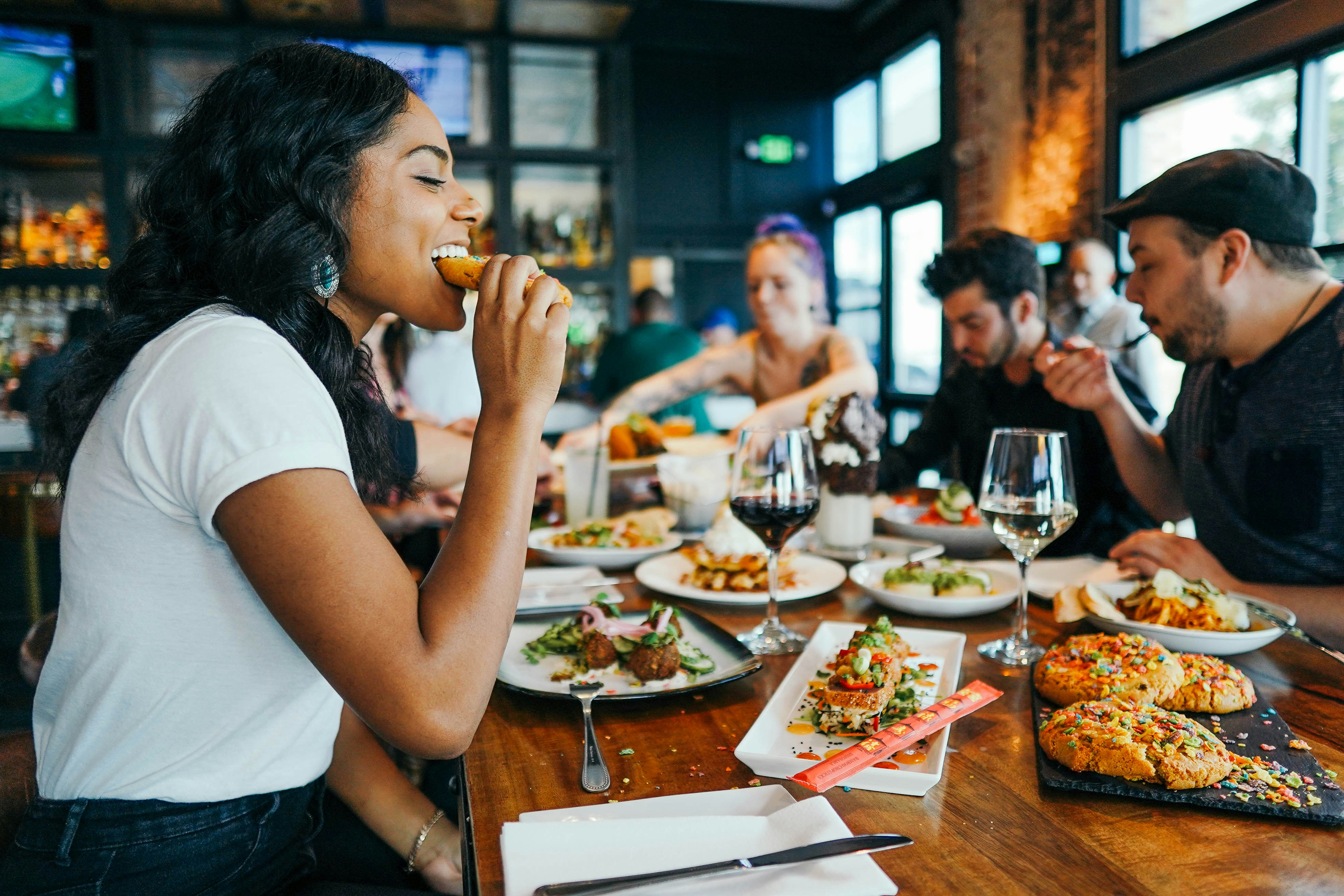
A reflective look at Habit Ranch, its immersive desert activation, and what it signals for brand loyalty and mindful, experiential dining.
May 14, 2026

Unlock Exclusive Access To Webinars, Events, And The Latest News For Free!
A narrative on how Ryan O’Malley scales Wendy’s through people-first leadership, a bold breakfast strategy, and purposeful community engagement.
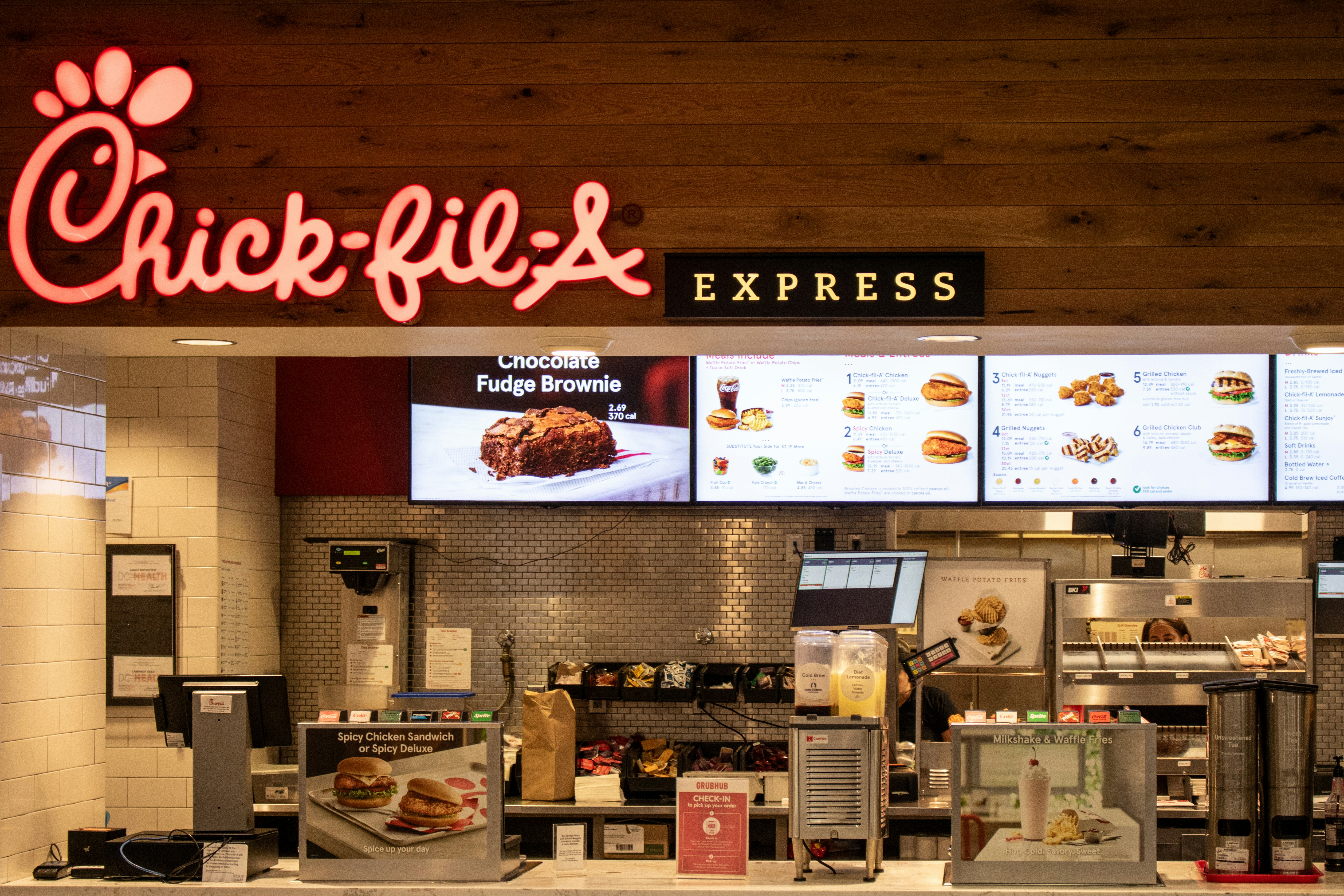
Photo by Zoshua Colah
Ryan O’Malley’s arc at Wendy’s reads as a deliberate climb from the kitchen floor to the boardroom. He began in 2007 as a crew member at Wendy’s of Bowling Green, advancing through general manager, district manager, and director of operations before embracing franchising with his father in 2021. Today, 136 Wendy’s restaurants stretch across five states—Indiana, Kentucky, West Virginia, Tennessee, and Alabama—with O’Malley based in Louisville and directly managing units in Indiana and Kentucky. This is a story about people, purpose, and performance, not merely the expansion of stores. The next chapter asks how culture translates into sustained momentum, especially in breakfast season.
This ascent is grounded in a hands-on approach. O’Malley emphasizes that “You must be involved in all to be successful.” The company’s guiding principle—to be the most thriving and beloved restaurant in our company—stays front and center as the portfolio scales. Beyond daily operations, he serves on the Wendy’s Franchise Association board, signaling an operator’s voice at the table of brand governance. The arc—from crew member to franchisee to regional strategist—frames what follows when culture informs growth across markets.
Culture sits at the center of O’Malley’s growth playbook. He champions a people-first culture, insisting that The largest contributor to our company’s success is my team within the restaurants. This belief guides how teams are built, recognized, and retained. A biweekly newsletter celebrates wins and shares business updates, while daily jokes and inspirational emails lift morale among managers. The effect is tangible: higher retention, richer customer experiences, and consistent execution across a dispersed network. Culture here is not rhetoric; it is a daily practice that underpins the brand’s mission to be the restaurant of choice.
The emphasis on communication and stakeholder involvement translates into reliable performance across 136 locations. The approach isn’t incidental; it’s embedded in leadership presence and in continual dialogue with teams and guests. Industry coverage notes these cultural practices as integral to sustained results, reinforcing how a thoughtful people strategy becomes a scalable differentiator.
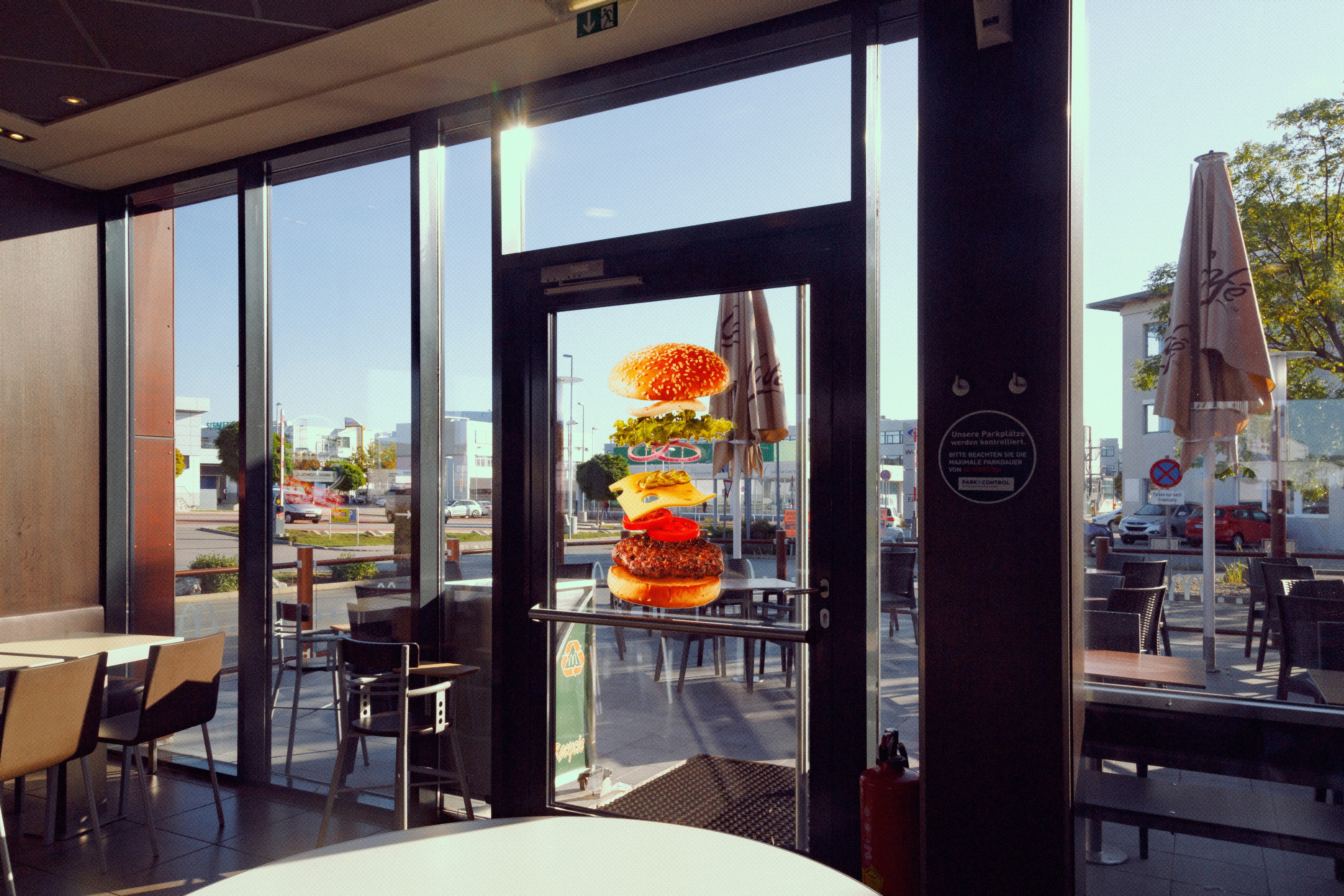
Breakfast has emerged as a defining pillar of the enterprise’s ascent. Wendy’s of Bowling Green, Inc.—the O’Malley group’s umbrella—claims the highest brand sales average for breakfast in the nation, a distinction tied to launching the daypart at the onset of the pandemic. Over six years, the footprint has grown more than fourfold, a signal of disciplined growth in a high-margin, high-velocity segment. O’Malley attributes this expansion to a people-first culture and ongoing engagement—biweekly newsletters and manager-level dialogue—that keep the tempo of execution sharp. Observers note that Wendy’s continues to treat breakfast as a central growth lever, linking culture to top-line momentum.
The growth narrative is deliberate: a high-margin, high-velocity breakfast program scaled across markets, underpinned by disciplined staffing and menu discipline. The emphasis on persistent communication makes a complex strategy feel manageable, ensuring that the breakfast push remains a steady motor rather than a flash in the pan. In industry discourse, this continued focus on breakfast aligns with broader brand strategy and the perception that meal-time leadership can drive sustained performance.
Leadership for O’Malley extends beyond store economics. He is a board member of the Wendy’s Franchise Association, chairs the People Committee, and collaborates with the Dave Thomas Foundation for Adoption (DTFA). Over the past three years, his company has raised more than $2 million to support DTFA’s mission to secure permanent homes for children in foster care, largely through Frosty key tag sales that invite customers to participate in the cause. He describes the partnership as a “win-win”, weaving community benefit into business momentum. He also participates in the QSR Evolution Innovators program, underscoring a commitment to innovation and service.
This governance and philanthropy reflects a broader trend: leadership that links corporate responsibility with operational excellence. The DTFA partnership and industry involvement illustrate how community ties can amplify brand value while advancing culture-forward growth. The QSR Evolution Innovators program further signals a commitment to recognizing leaders who blend people-centric culture with practical impact on the guest experience and the supply chain.
The broader restaurant landscape reinforces opportunity and caution. Wendy’s has invested heavily in breakfast as a growth engine, running multi-million-dollar campaigns designed to lift per-store performance and overall system profitability. Yet analyses note that breakfast remains a challenging category for quick-service brands, requiring a careful balance between marketing spend and returns. For multi-market operators like O’Malley, investment, staffing, and menu strategy must be calibrated across regions. The industry conversation—about breakfast performance and innovation—plays into practical decisions about where and how to grow.
Taken together, O’Malley’s approach offers a pragmatic playbook for franchise leadership. The recipe centers on culture and hands-on leadership, anchored by purposeful community ties and a clear breakfast strategy. The caveat remains: restaurants are not suitable for passive investors, and ongoing adaptation is necessary as consumer preferences shift and competition evolves. The central takeaway endures: people, culture, and community impact are powerful differentiators in fast-moving restaurant growth.