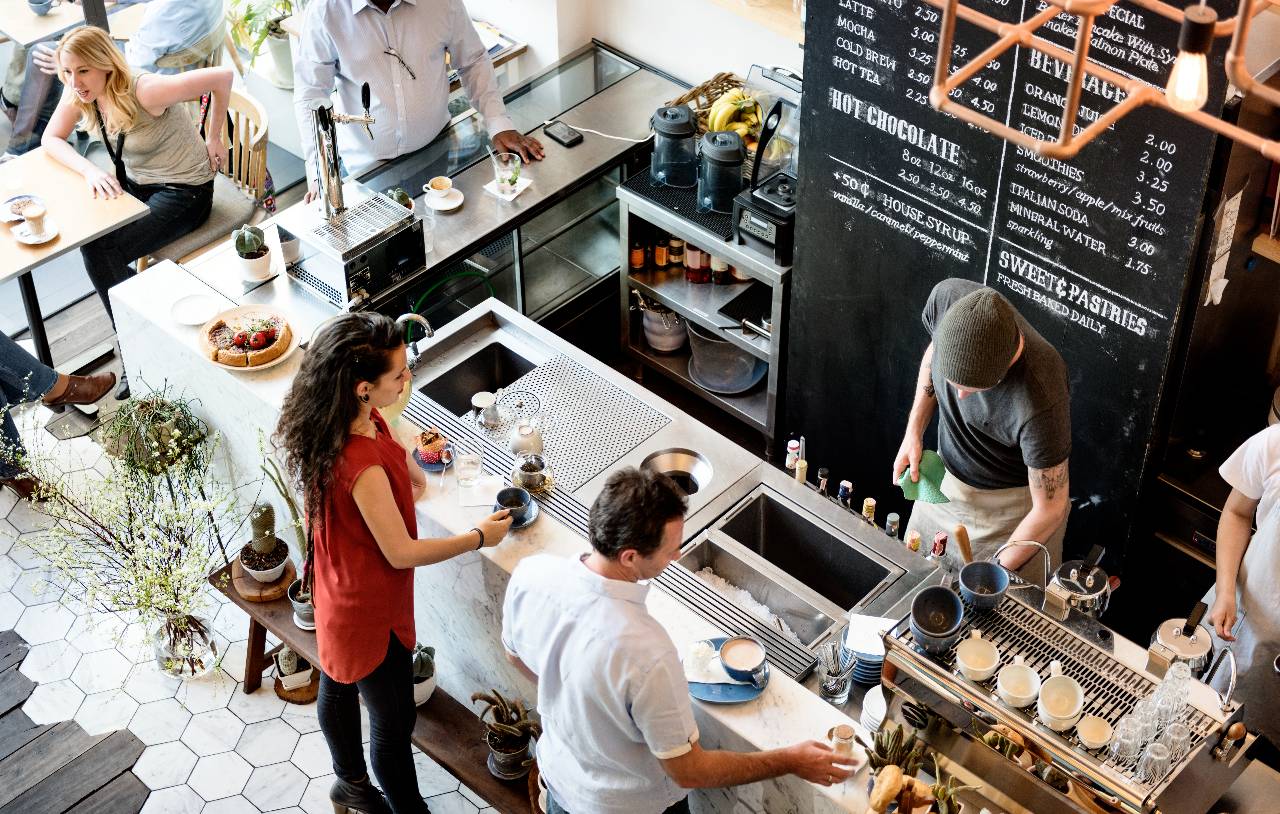
How Much Does It Cost to Open a Coffee Shop in 2026?
Opening a coffee shop in 2026 requires careful cost planning across rent, equipment, labor, technology, menu strategy, marketing, and sustainability.
operations
May 15, 2026
Opening a coffee shop in 2026 requires careful cost planning across rent, equipment, labor, technology, menu strategy, marketing, and sustainability.
May 15, 2026
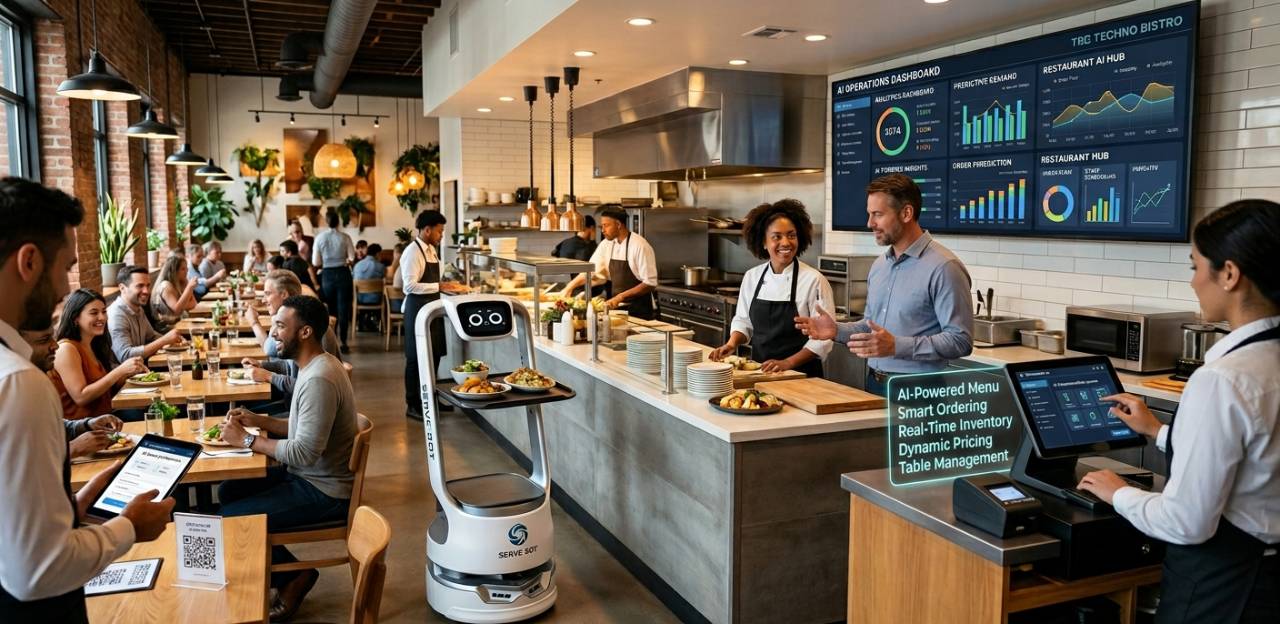
This AI playbook covers restaurant tools for voice ordering, staffing, compliance, menu pricing, inventory, marketing, ChatGPT prompts, and SEO.
May 15, 2026
Hardee’s giant Boddie-Noell inks 31-unit Scooter’s Coffee deal for NC and VA, leveraging drive-thru growth and local roots with rollout over 12–18 months.
May 15, 2026
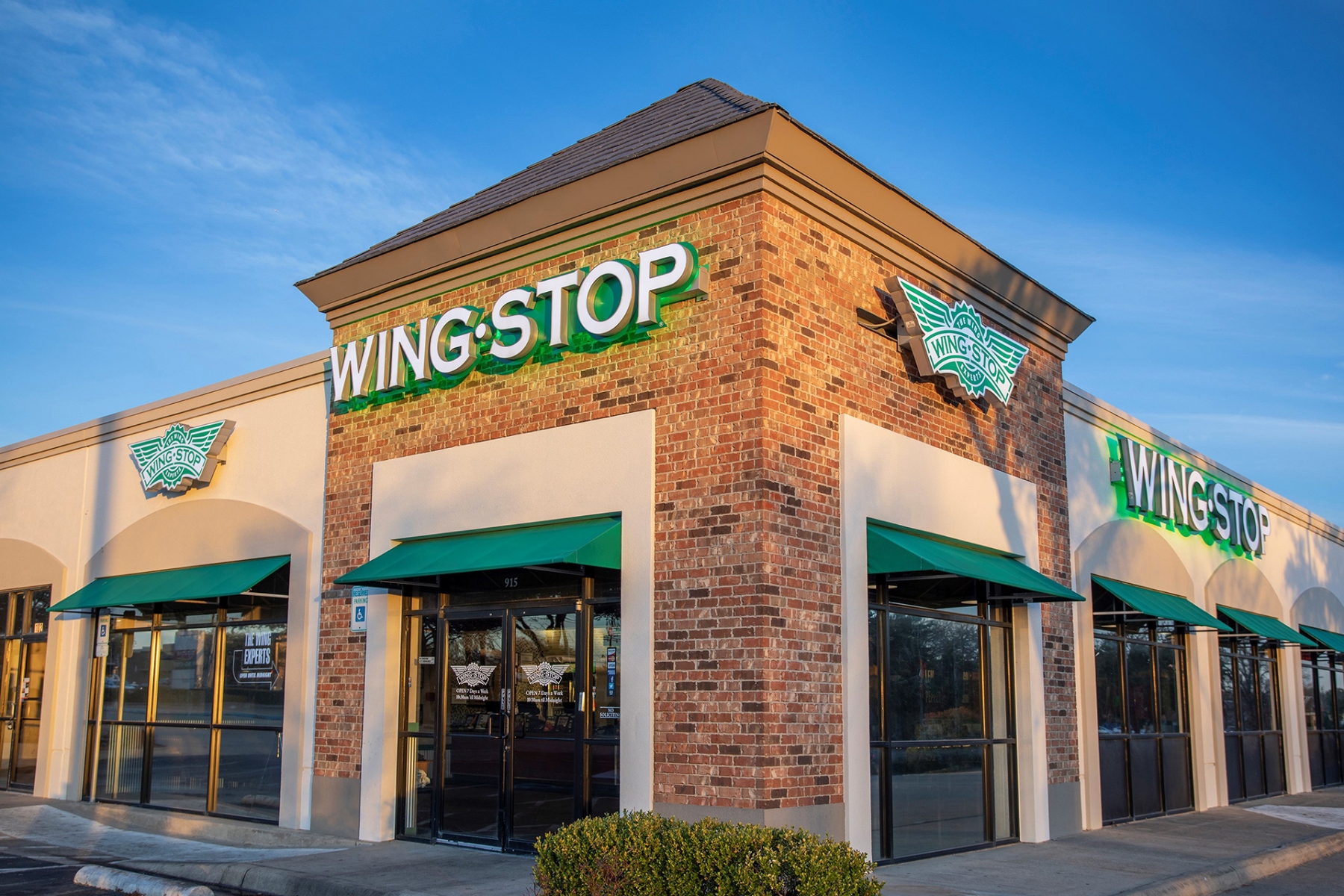
Wingstop turns match weeks into a multi-sensory festival, aligning bold pop-ups with World Cup energy to build brand affinity and measurable momentum.
May 15, 2026
The parent company behind Dunkin', Buffalo Wild Wings, and Arby's has filed for an IPO a move that could reshape how Wall Street views the restaurant sector.
May 15, 2026
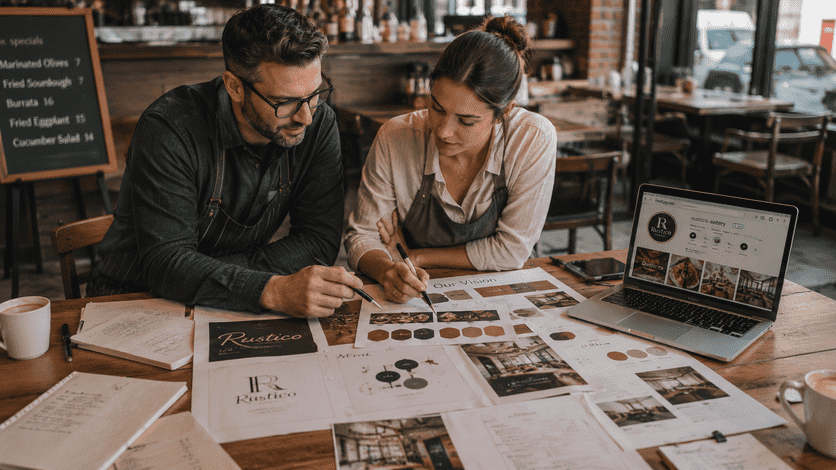
Learn how to develop a memorable restaurant brand identity that stands out in a crowded market, attracts loyal customers, and drives repeat business with actionable strategies and affordable tools.
May 15, 2026
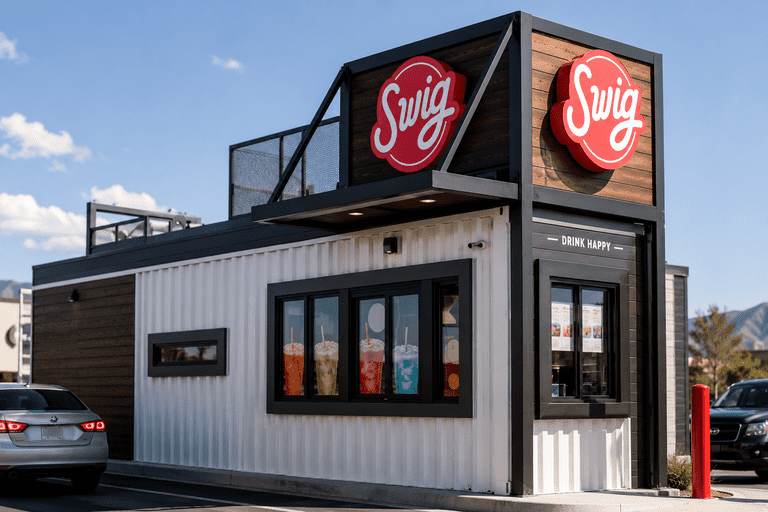
Dirty soda chain Swig is expanding into Colorado through a 10-unit franchise deal, riding a consumer beverage trend that's catching the attention of major QSR players nationwide.
May 15, 2026
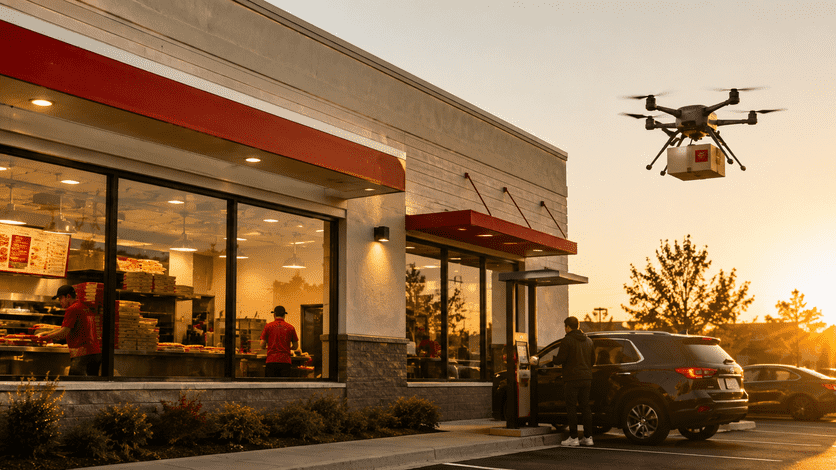
Papa Johns has teamed up with Alphabet's Wing for drone delivery of its new sandwich lineup in parts of Charlotte marking the first partnership of its kind between Wing and a national QSR brand.
May 15, 2026
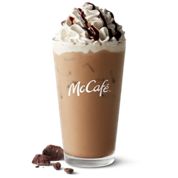
A warm, expert-led look at McDonald’s Q1 results, menu makeover, and the refranchise question shaping its growth.
May 14, 2026
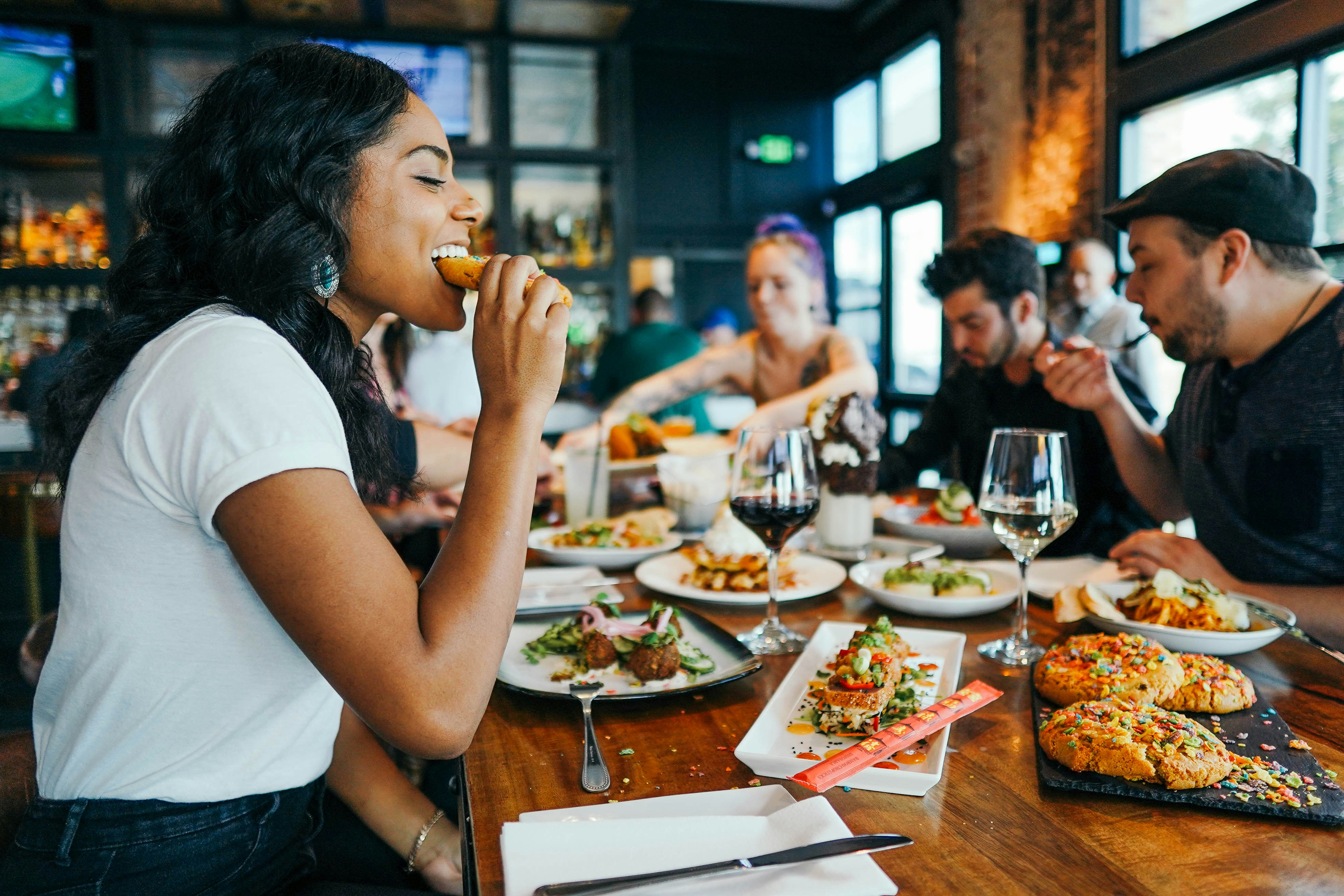
A reflective look at Habit Ranch, its immersive desert activation, and what it signals for brand loyalty and mindful, experiential dining.
May 14, 2026

Unlock Exclusive Access To Webinars, Events, And The Latest News For Free!
Discover how Cracker Barrel secured victory in its latest proxy contest, the role of shareholder support, and the significance of board nominations in corporate governance.
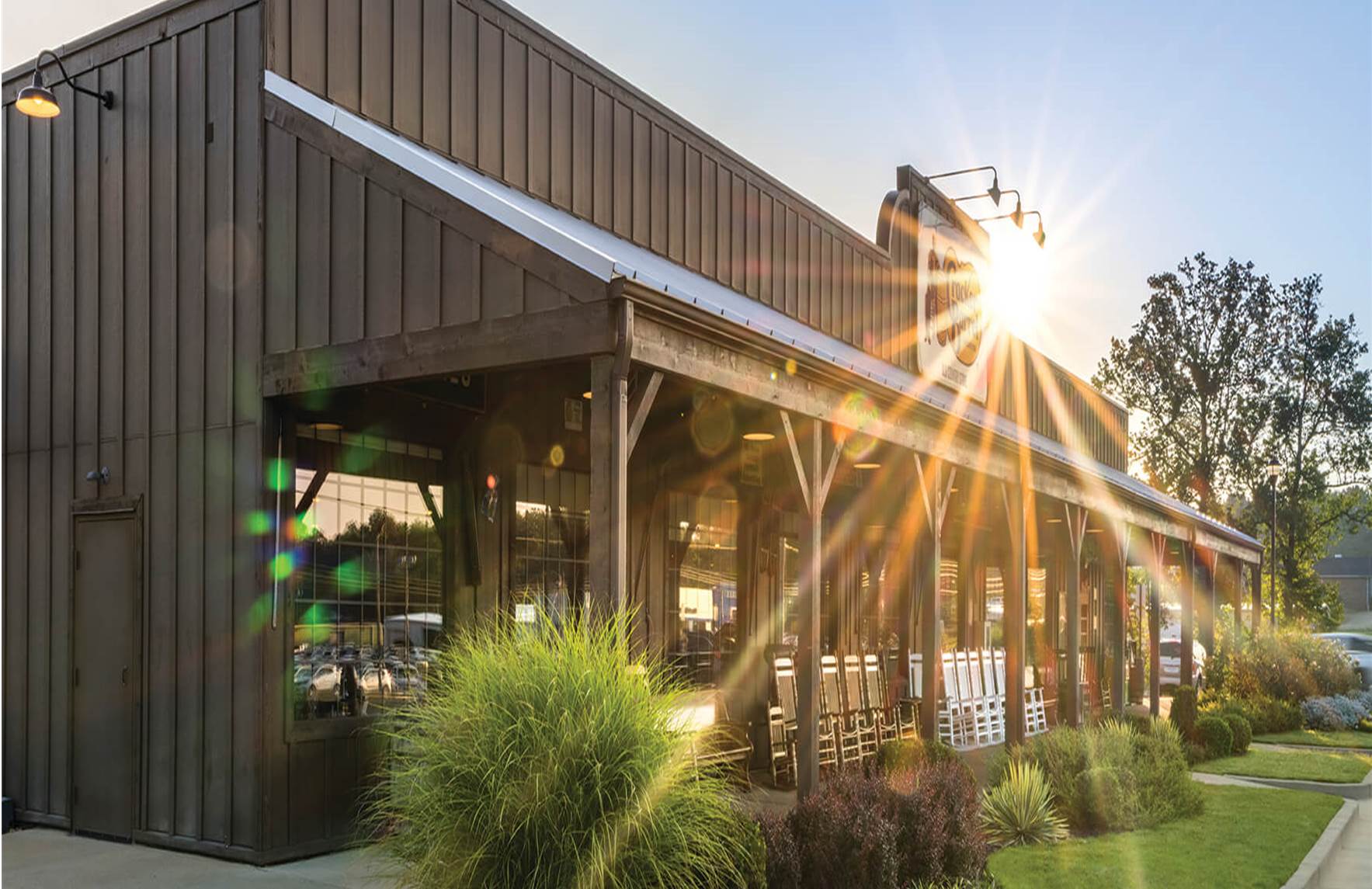
In a strategic move demonstrating corporate resilience and sound governance practices, Cracker Barrel has secured a notable victory in its seventh proxy contest against Sardar Biglari, a prominent figure known for challenging the executive board. This win not only showcases Cracker Barrel's ability to navigate shareholder disputes effectively but also highlights the importance of aligning board nominees with the company's strategic vision.
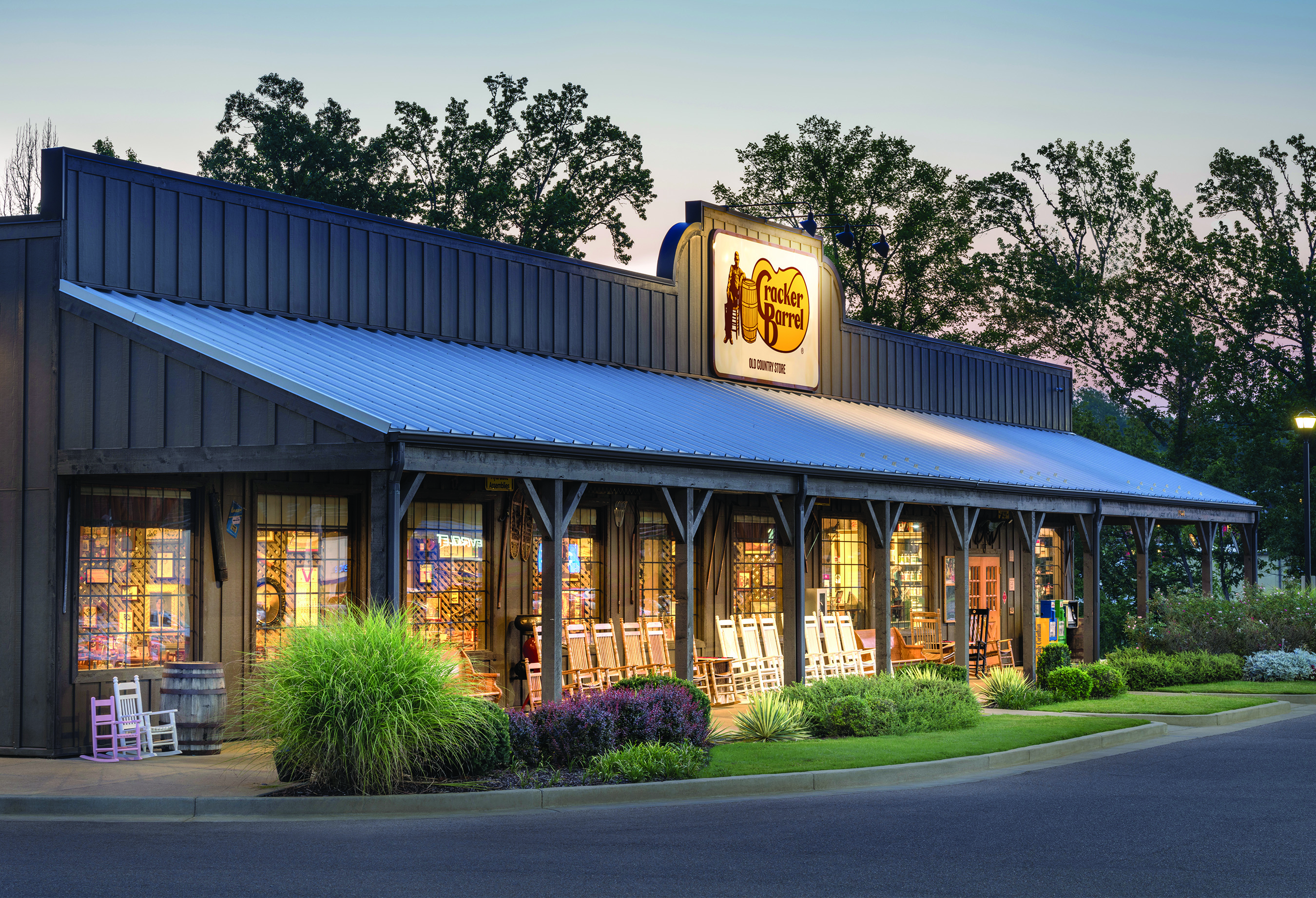
The backbone of this triumph lies in the unwavering support of Cracker Barrel's shareholders, who voted in favor of the 10 company-approved board nominees. This resounding endorsement signifies a vote of confidence in the company's direction and leadership team. By backing the board's choices, shareholders have signaled their trust in the company's strategic transformation plan and its potential for sustainable growth and value creation.
One of the pivotal moments in this contest was the inclusion of Michael Goodwin, the nominee recommended by Biglari, onto the board. Goodwin, with a background in technology leadership, represents a strategic compromise between Cracker Barrel and Biglari. Despite unsuccessful attempts by Biglari to secure positions for himself and Milena Alberti-Perez, the result underscores the importance of collaborative decision-making and the value of expertise on the board.
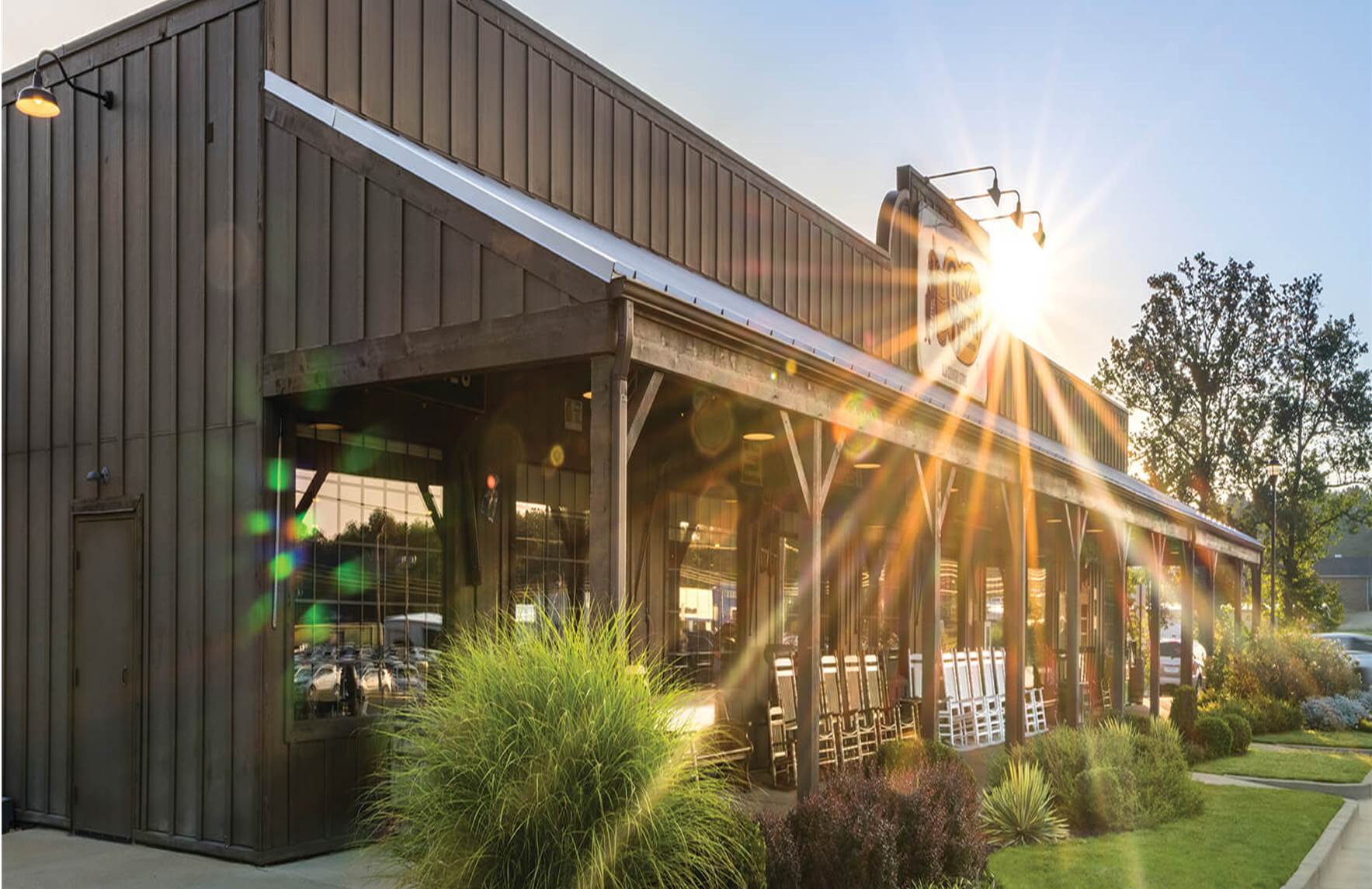
The clash over board nominations sheds light on the core principles of corporate governance. Cracker Barrel's dismissal of Biglari's dividend plan as 'self-serving' and the revelation that Perez had never visited a Cracker Barrel restaurant underscore the company's commitment to shareholder value and strategic alignment. Goodwin's appointment, welcomed for his IT and strategic acumen, further emphasizes the board's role in driving long-term success.
Looking ahead, Cracker Barrel remains steadfast in its commitment to operational excellence and value creation for shareholders. The company's positive same-store sales and strategic transformation plan lay a strong foundation for continued growth and resilience in the dynamic market landscape. With a clear vision and engaged shareholders, Cracker Barrel is poised to thrive and deliver lasting value to its stakeholders.
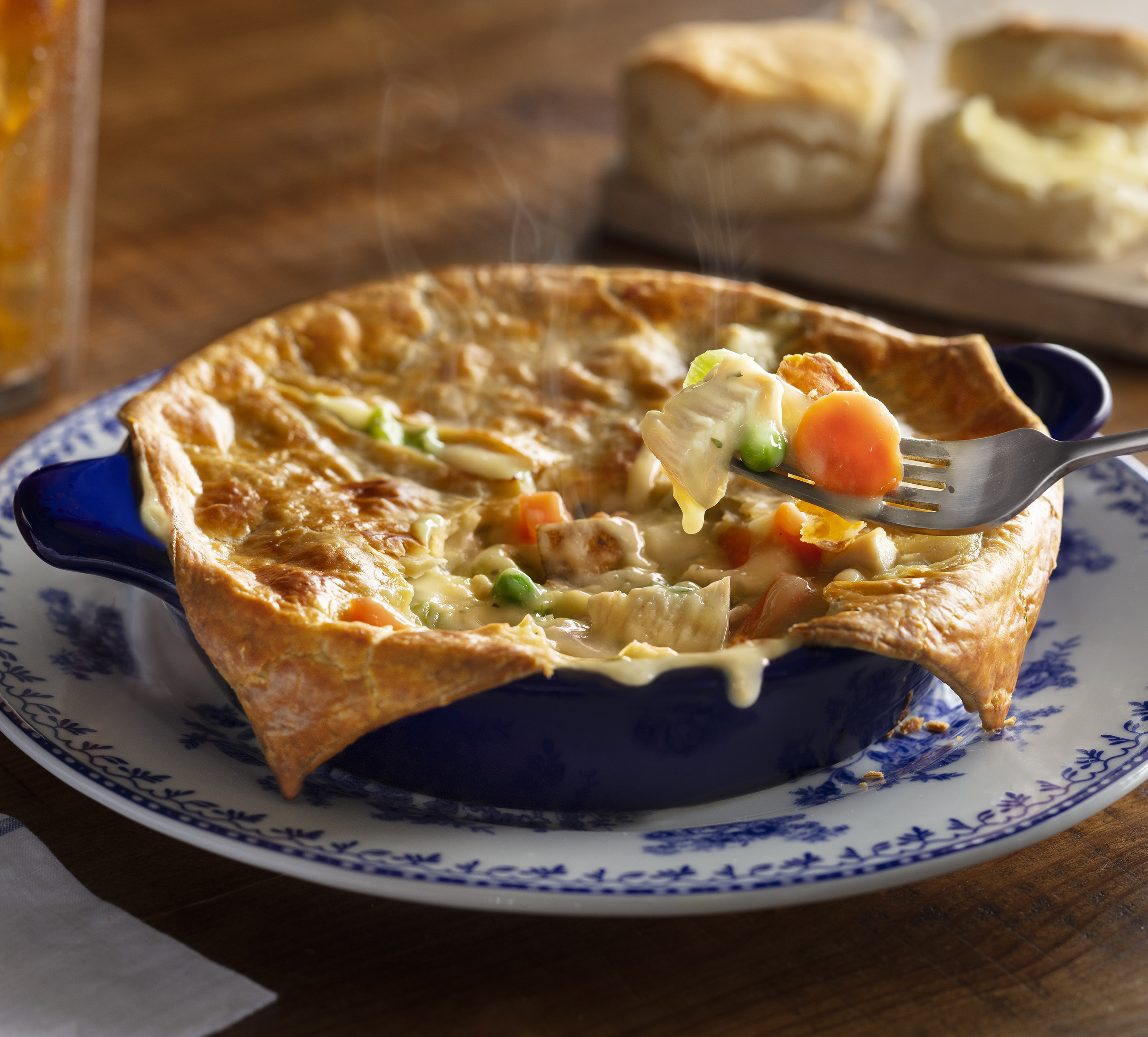
While the majority of the executive board remains unchanged, notable shifts in board composition, such as the non-re-election of Tom Barr after 12 years and the appointment of Carl Berquist and Meg Crofton, reflect the evolving governance landscape at Cracker Barrel. Shareholders' endorsement of the company's nominees underscores the collaborative relationship between the board and investors, setting a strong precedent for future engagements.
As of August 2024, Cracker Barrel's impressive portfolio boasts 724 restaurants, including the renowned Cracker Barrel locations and the emerging Maple Street Biscuit Co. establishments. This diversified footprint not only expands the company's market presence but also underscores its commitment to culinary excellence and customer satisfaction.
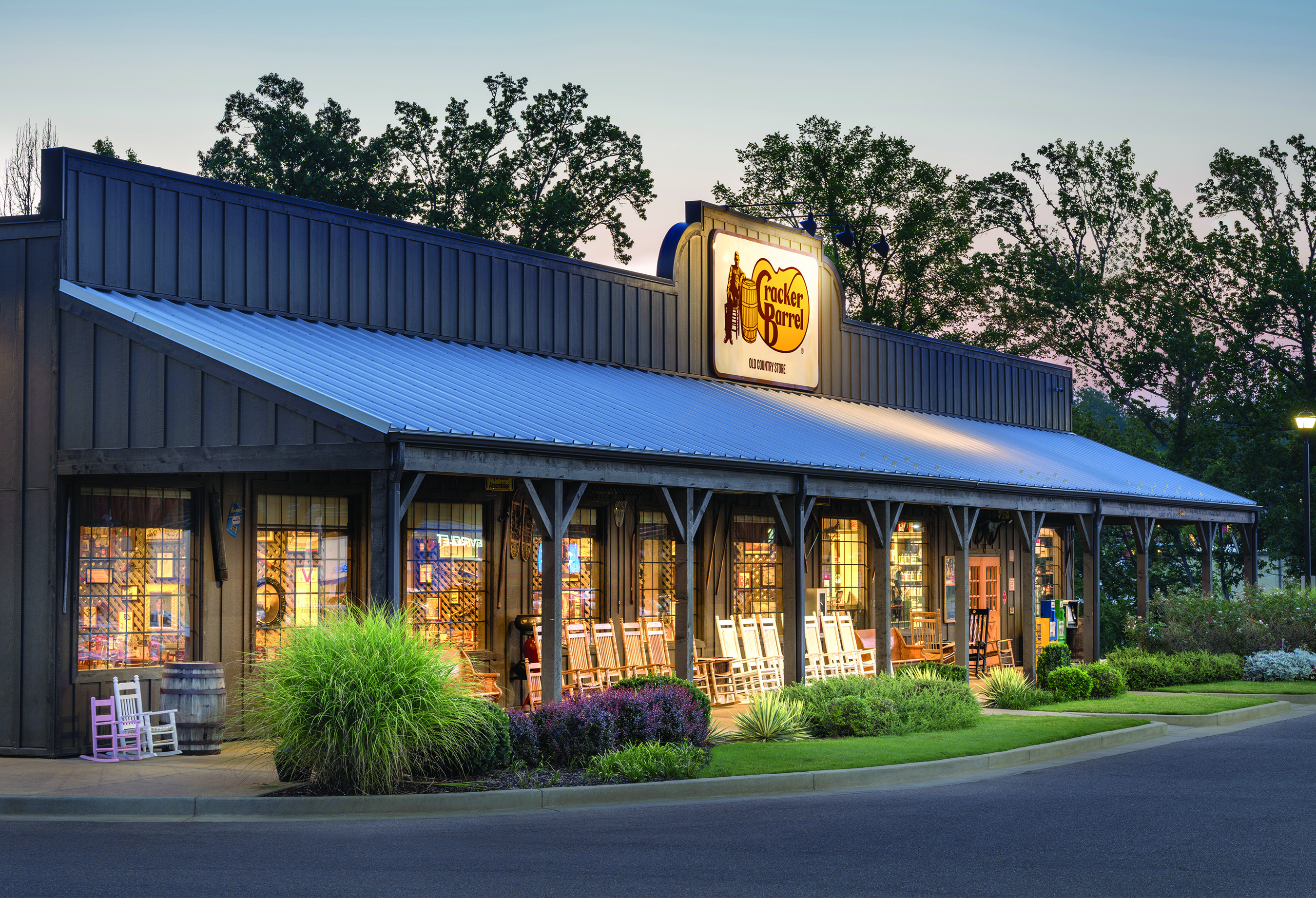
In conclusion, Cracker Barrel's triumph in the proxy contest highlights the importance of shareholder support, strategic board nominations, and robust corporate governance practices. By navigating challenges with resilience and foresight, the company reinforces its position as a leader in the family-dining segment. As Cracker Barrel embarks on its journey towards sustained growth and value creation, collaboration with shareholders and a focus on operational excellence will be key drivers of its continued success.