How Much Does It Cost to Open a Coffee Shop in 2026?
Opening a coffee shop in 2026 requires careful cost planning across rent, equipment, labor, technology, menu strategy, marketing, and sustainability.
operations
May 15, 2026
Opening a coffee shop in 2026 requires careful cost planning across rent, equipment, labor, technology, menu strategy, marketing, and sustainability.
May 15, 2026
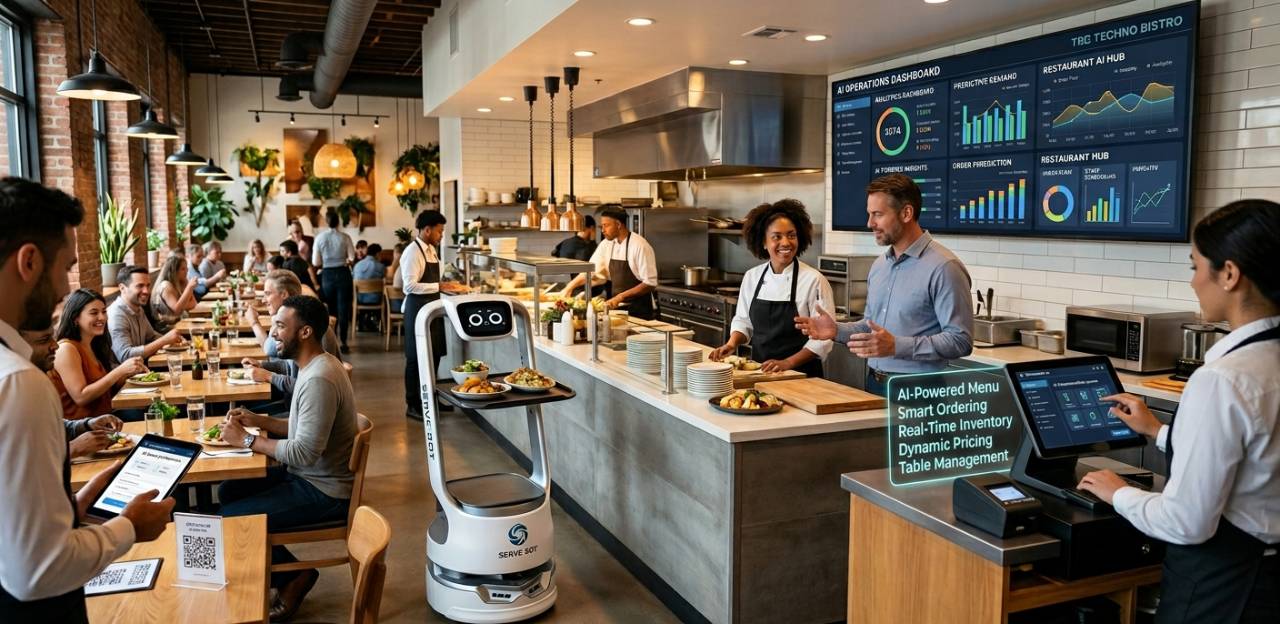
This AI playbook covers restaurant tools for voice ordering, staffing, compliance, menu pricing, inventory, marketing, ChatGPT prompts, and SEO.
May 15, 2026
Hardee’s giant Boddie-Noell inks 31-unit Scooter’s Coffee deal for NC and VA, leveraging drive-thru growth and local roots with rollout over 12–18 months.
May 15, 2026
Wingstop turns match weeks into a multi-sensory festival, aligning bold pop-ups with World Cup energy to build brand affinity and measurable momentum.
May 15, 2026
The parent company behind Dunkin', Buffalo Wild Wings, and Arby's has filed for an IPO a move that could reshape how Wall Street views the restaurant sector.
May 15, 2026

Learn how to develop a memorable restaurant brand identity that stands out in a crowded market, attracts loyal customers, and drives repeat business with actionable strategies and affordable tools.
May 15, 2026
Dirty soda chain Swig is expanding into Colorado through a 10-unit franchise deal, riding a consumer beverage trend that's catching the attention of major QSR players nationwide.
May 15, 2026
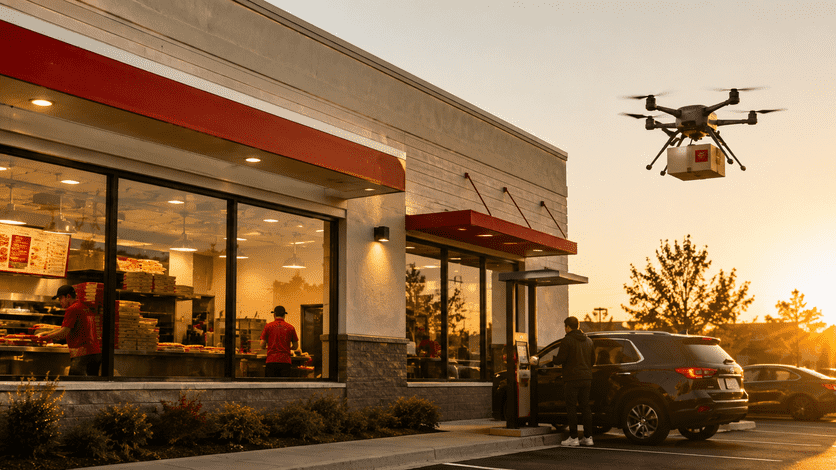
Papa Johns has teamed up with Alphabet's Wing for drone delivery of its new sandwich lineup in parts of Charlotte marking the first partnership of its kind between Wing and a national QSR brand.
May 15, 2026
A warm, expert-led look at McDonald’s Q1 results, menu makeover, and the refranchise question shaping its growth.
May 14, 2026
A reflective look at Habit Ranch, its immersive desert activation, and what it signals for brand loyalty and mindful, experiential dining.
May 14, 2026

Unlock Exclusive Access To Webinars, Events, And The Latest News For Free!
The Coxs swap plumbing for barbecue, joining Smokey Mo’s to lead measured Texas growth anchored by a new prototype and an Austin-focused push.
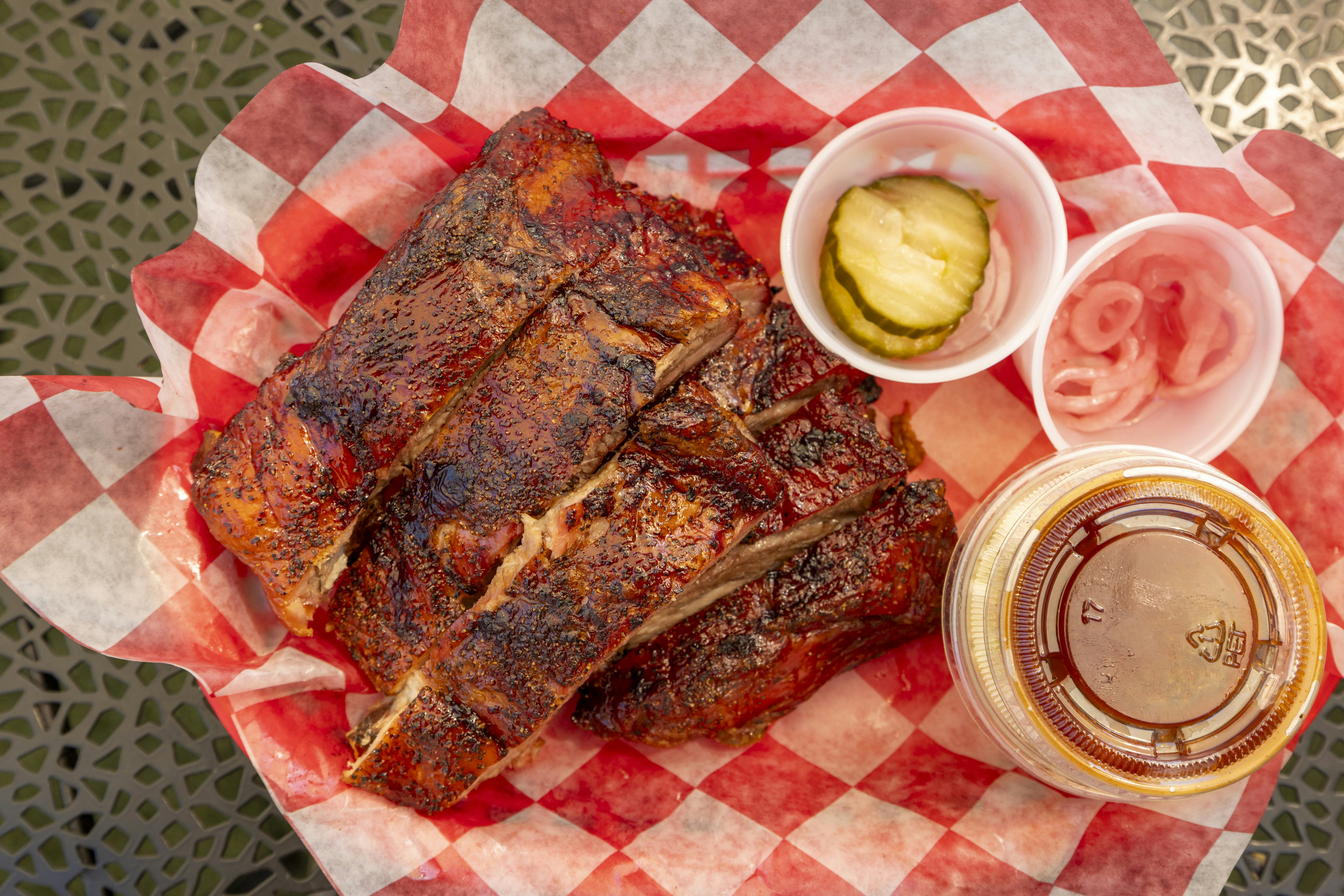
Photo by nobleseed nobleseed
Family names hold weight in barbecue circles, but the Cox family is betting on a new kind of bite: a calculated shift from plumbing to franchise ownership. The father‑son duo, Stephen and Cody Cox, built a business in Austin through Cox Plumbing since 1996 and spent years collaborating with Smokey Mo’s BBQ on projects big and small. They’ve now joined Smokey Mo’s BBQ as its latest franchisees, turning a long-standing partnership into a formal growth move. This isn’t a whim; it’s a strategic pivot that uses relationships as leverage, and it’s aimed at controlled expansion rather than quick turnover.
Smokey Mo’s frames the acquisition as a product of trust, not flash. The brand notes a long-standing rapport with the Coxs and its management team, a bond built through shared projects and a history of collaboration. That foundation matters more than hospitality pedigree. The two parties see cross-industry relationships as a powerful springboard into growth opportunities beyond their trades. For Smokey Mo’s, this isn’t a one-off. It’s a deliberate, partnership-driven plan to expand with operators who understand the brand and can scale while maintaining the recipe. “We did not enter it lightly. Franchising was never the plan for its own sake. If it had been any other concept, the answer would likely still be no.”
Franchise ownership didn’t land by accident for Cody Cox. A University of Texas business graduate, he cut his teeth in commercial real estate at Virtus Real Estate Capital and Lionstone Investments before stepping into Smokey Mo’s as Vice President of Operations. The move rests on a belief in people, purpose, and a brand that aligns with their values. The Coxs emphasize the team at Smokey Mo’s, and the relationship they’ve built over years. If it had been any other concept, the answer would likely still be no. This is a deliberate path, not a leap of faith.
His logic rests on more than a tidy resume. The team at Smokey Mo’s and its leadership are central to the decision, because the brand is built on culture as much as ketchup and sauce. The Coxs see a relationship that’s endured years as a powerful multiplier for growth and leadership alignment. They describe franchising as a multi-unit effort when the people and the plan match. In their words, the move is grounded in a shared horizon with a management team that can guide expansion while protecting the recipe.
Smokey Mo’s growth is measured, not reckless. The model is deliberate: franchises must open a minimum of three units in designated areas, a rule designed to deepen density in Texas markets while keeping margins and operations intact. Each unit runs from 1,100 to 3,500 square feet, with average annual sales around $1.9 million. The footprint sits at 23 locations across Austin, Houston, and San Antonio, including 10 in Austin. It’s a framework built for scale, not chaos, with real economics behind every pad.
A key piece of that framework is the 2,508-square-foot prototype designed to streamline workflows and protect consistency. Cody Cox notes the kitchen is well-engineered, with labor requirements that stay manageable and systems built to deliver reliable results as volume grows. With decades in commercial construction, he’s seen kitchens that work and those that don’t. Smokey Mo’s is pitched as designed thoughtfully, with unit economics that are compelling enough to make the math work across markets.
Smokey Mo’s is leaning into Texas as its test bed, a push that doubles as a density play. The latest Austin focus centers on a four‑unit area in Southwest Austin, a deliberate move to maximize visibility and operational synergies. Industry observers note the Austin franchise agreement as a concrete step in a broader strategy to grow in key corridors with experienced ownership. The street perspective echoes a belief that market density accelerates brand momentum in a quick-service format.
Time to market in Central Texas follows a clear cadence. The first unit is slated for late 2026 through early 2027, with new sites opening roughly once per year, aiming for a total of four locations by 2029. Cody says they’re accelerating the timetable and are actively working through site selection. The arrangement aligns with Smokey Mo’s multi‑unit framework, pairing opportunity with prudent execution, so the brand stays consistent as it grows.
This story sits at the intersection of private‑equity‑backed regional growth and a Texas barbecue culture that prizes authenticity. Smokey Mo’s, under Switchback Capital since 2022, has retooled operations toward a more deliberate franchising path while keeping in-house smoked meats and quick-service execution. Public materials describe a trend toward larger unit counts in strategic markets, backed by strict capital requirements and a prototype program designed to protect brand integrity. The broader landscape shows other Texas concepts pursuing multi‑unit expansion with investor backing, but Smokey Mo’s remains focused on sustainable growth.
Looking ahead, the brand aims to blend its authentic Texas barbecue identity with a growth model anchored in relationships, proven systems, and disciplined expansion. The Cox duo’s journey — moving from plumbing to franchise ownership through a trusted partnership — illustrates how cross‑industry networks can translate into durable value. As the prototype rolls out and markets widen, observers will judge whether the mix of operational rigor and partnership can deliver scalable authenticity that lasts.