How Much Does It Cost to Open a Coffee Shop in 2026?
Opening a coffee shop in 2026 requires careful cost planning across rent, equipment, labor, technology, menu strategy, marketing, and sustainability.
operations
May 15, 2026
Opening a coffee shop in 2026 requires careful cost planning across rent, equipment, labor, technology, menu strategy, marketing, and sustainability.
May 15, 2026

This AI playbook covers restaurant tools for voice ordering, staffing, compliance, menu pricing, inventory, marketing, ChatGPT prompts, and SEO.
May 15, 2026

Hardee’s giant Boddie-Noell inks 31-unit Scooter’s Coffee deal for NC and VA, leveraging drive-thru growth and local roots with rollout over 12–18 months.
May 15, 2026

Wingstop turns match weeks into a multi-sensory festival, aligning bold pop-ups with World Cup energy to build brand affinity and measurable momentum.
May 15, 2026

The parent company behind Dunkin', Buffalo Wild Wings, and Arby's has filed for an IPO a move that could reshape how Wall Street views the restaurant sector.
May 15, 2026

Learn how to develop a memorable restaurant brand identity that stands out in a crowded market, attracts loyal customers, and drives repeat business with actionable strategies and affordable tools.
May 15, 2026

Dirty soda chain Swig is expanding into Colorado through a 10-unit franchise deal, riding a consumer beverage trend that's catching the attention of major QSR players nationwide.
May 15, 2026

Papa Johns has teamed up with Alphabet's Wing for drone delivery of its new sandwich lineup in parts of Charlotte marking the first partnership of its kind between Wing and a national QSR brand.
May 15, 2026

A warm, expert-led look at McDonald’s Q1 results, menu makeover, and the refranchise question shaping its growth.
May 14, 2026

A reflective look at Habit Ranch, its immersive desert activation, and what it signals for brand loyalty and mindful, experiential dining.
May 14, 2026

Unlock Exclusive Access To Webinars, Events, And The Latest News For Free!
Cousins Maine Lobster pilots a fried-seafood concept in Louisville, expanding through franchising while preserving premium sourcing and guest experience.
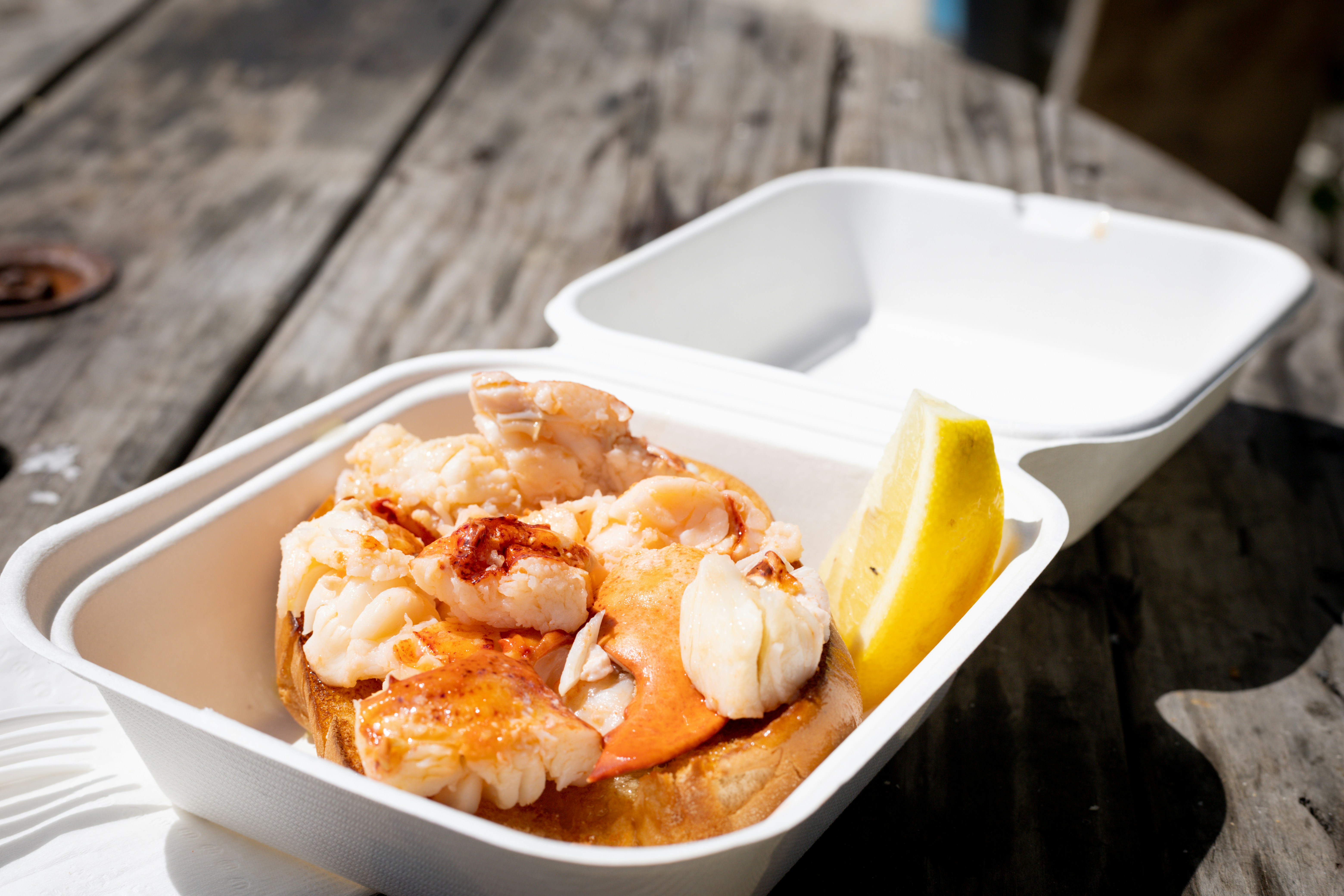
Photo by Bonnie Kittle
Cousins Maine Lobster has for fourteen years carried a bright, mobile echo of its New England origins. The fleet, known for its lobster-forward iconography, is now stepping toward a fried seafood frontier with Cousins Fried Seafood. The first truck will launch in Louisville, Kentucky, a corporate unit designed to test how a broader fried submenu—featuring haddock, shrimp, scallops, and clams—can sit alongside the original truck without forcing a breakup of the brand’s coastal narrative. It is not a retreat but a deliberate extension of the founders’ storytelling—keeping the sourcing standards and handcrafted sauces intact while widening reach and accessibility: a new chord within the same melody. The question remains how far the harmony can travel, and what the audience will hear in markets far from the Maine shoreline.
The Louisville rollout is framed as a multi-channel test: a single, disciplined fork in the road that keeps the lobster core intact while introducing a separate color palette and menu. The practical logic is clean: shared booking channels, common labor pools, and established event relationships can support a second concept with minimal disruption. The goal is density and speed—placing seasoned trucks where demand supports multiple concepts in close proximity—without surrendering the hallmarks that define the brand: premium protein first, then precise coatings and made-from-scratch sauces. Even as the concept scales, the presentation remains deliberate, down to wax-paper choices that preserve a premium feel and control oiliness.
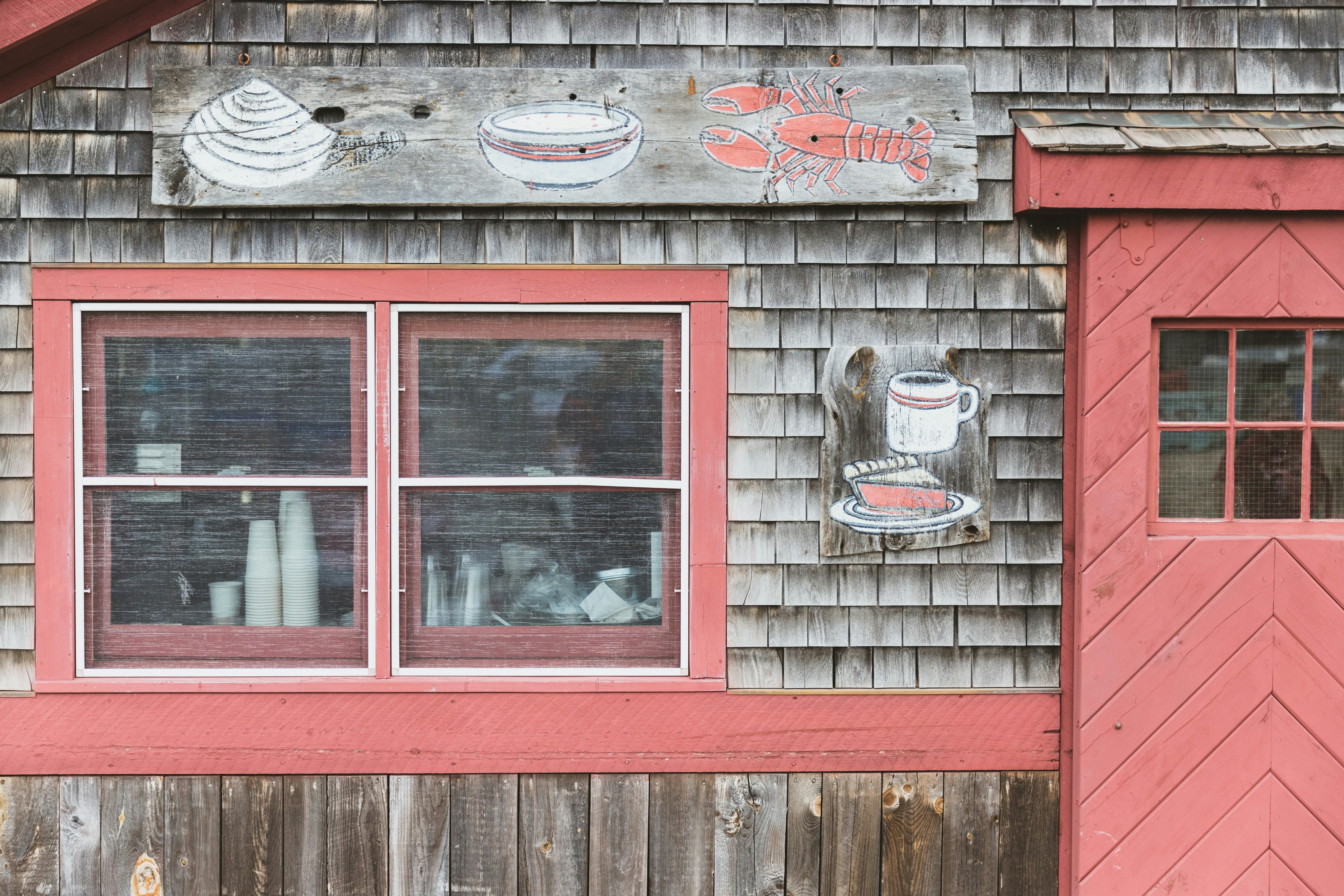
The idea for Cousins Fried Seafood grew from fourteen years of building a national mobile brand, with roughly 100 units across the country. The founders, Jim Tselikis and Sabin Lomac, found that the lobster market’s growth had practical limits in price and niche appeal. Their upbringing in Maine—where haddock, shrimp, and scallops sit alongside lobster—nudges them toward a fried seafood menu that could coexist with, rather than replace, the original fleet. About a year ago a casual experiment with fried lobster sparked a broader concept: a dedicated fried seafood line that aligns with the brand's premium sourcing, hand-crafted sauces, and presentation standards. The result is a strategy steeped in culinary lineage and measured ambition.
This background shapes a strategy that preserves the brand’s essence while widening the audience. Fried seafood is not a discount play; it is an extension that sits alongside the lobster trucks, designed to maintain premium sourcing and the guest experience as it scales. It is a narrative about culinary lineage meeting practical growth—an idea the founders describe not as a reimagining of the operators, but as a collaborative expansion that respects the people who helped build the brand. The arc is deliberate, but the destination remains generous in its reach.
The framework powering Cousins Fried Seafood rides on the same franchise-driven backbone that built the lobster empire. Franchisees—some among those who helped scale the lobster operation—are central to the fried seafood rollout. The operational logic is simple and efficient: introduce a second truck into the same ecosystem, preserve the existing booking channels, leverage shared labor pools, and rely on pre-established relationships to maintain momentum. The result is a modular system that can reach dense markets quickly while keeping an emblematic sense of place—just with a new color scheme and a focused fried menu. The approach minimizes learning curves for operators and optimizes coverage in markets hungry for both concepts.
The menu sharpens around high-quality protein and a disciplined breading-and-sauce philosophy. The lane remains the same: premium protein first, then bespoke coatings and made-from-scratch sauces, with careful attention to presentation—from the coating texture to the packaging. Trucks, too, reveal a history of investment: early vehicles were priced around $65,000, while current Cousins Fried Seafood trucks can reach around $300,000 as layouts expand and digital guest-flow tools become essential to efficient service. This financial arc underscores a broader strategy: scale the concept without compromising its refined identity.
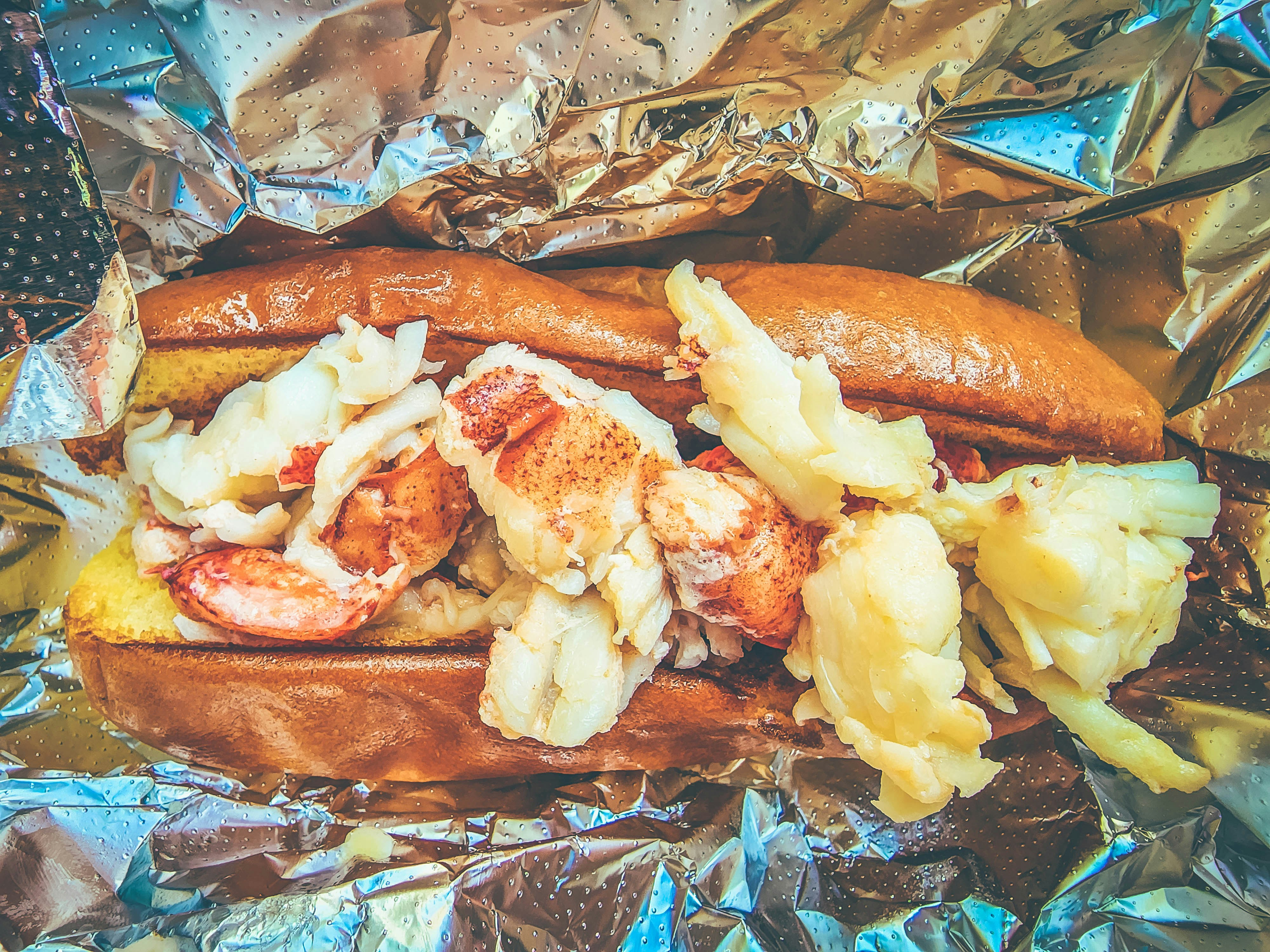
The founders emphasize elevation over lower pricing: fried seafood should be seen as a refined category, not a budget substitute. Lomac articulates a clear intention to elevate the category—countering the stigma that fried foods must imply compromise. The operational logic is equally lucid: a single truck can anchor multiple markets with a distinct color and a fresh menu while leveraging the same infrastructure. This isn’t a reeducation of operators but a complementary expansion that those operators already understand. In their words, the goal is an enhanced product experience and reliability at scale, achieved through collaboration with the very franchisees who helped shape the family of trucks.
Behind the public faces is a practical confidence: a joint venture rather than a top-down mandate. Franchisees are not spectators but co-pilots in a cautious, iterative expansion. The experience of past iterations informs the present—learning from earlier missteps to avoid repeating failures. The emphasis on collaboration also signals a readiness to broaden the brand’s portfolio in a way that remains faithful to its standards. The result is a blueprint that stays true to Cousins Maine Lobster while quietly expanding the family table with fried seafood that can travel, scale, and endure.
Louisville serves as the controlled launch market for Cousins Fried Seafood, with growth to come primarily through franchising and a limited cadre of corporate units. The company’s ecosystem currently rests on fewer than 20 franchisees managing roughly 100 units, a structure the founders say can accelerate expansion as operators rally around a shared playbook and brand standards. The plan is to stagger growth by replicating the Cousins model in markets where FSQ (food service quality) and event-driven demand align with a high-quality fried seafood proposition. Franchising is framed as the main engine, powered by a network proven at mobilizing large-scale events and delivering a consistent guest experience across diverse markets.
The broader industry backdrop adds context: even as mobile concepts gain traction, the seafood category faces headwinds and capital intensity. Large players like Red Lobster have navigated bankruptcy and restructuring, underscoring volatility in the sector even as nimble formats gain appeal. The Louisville test is designed to validate throughput, guest flow, and the economics of a multi-brand, multi-concept fleet on wheels. The exercise also points to a future where a portfolio of seafood concepts can coexist under a shared operational core—profitable, cohesive, and anchored in quality.
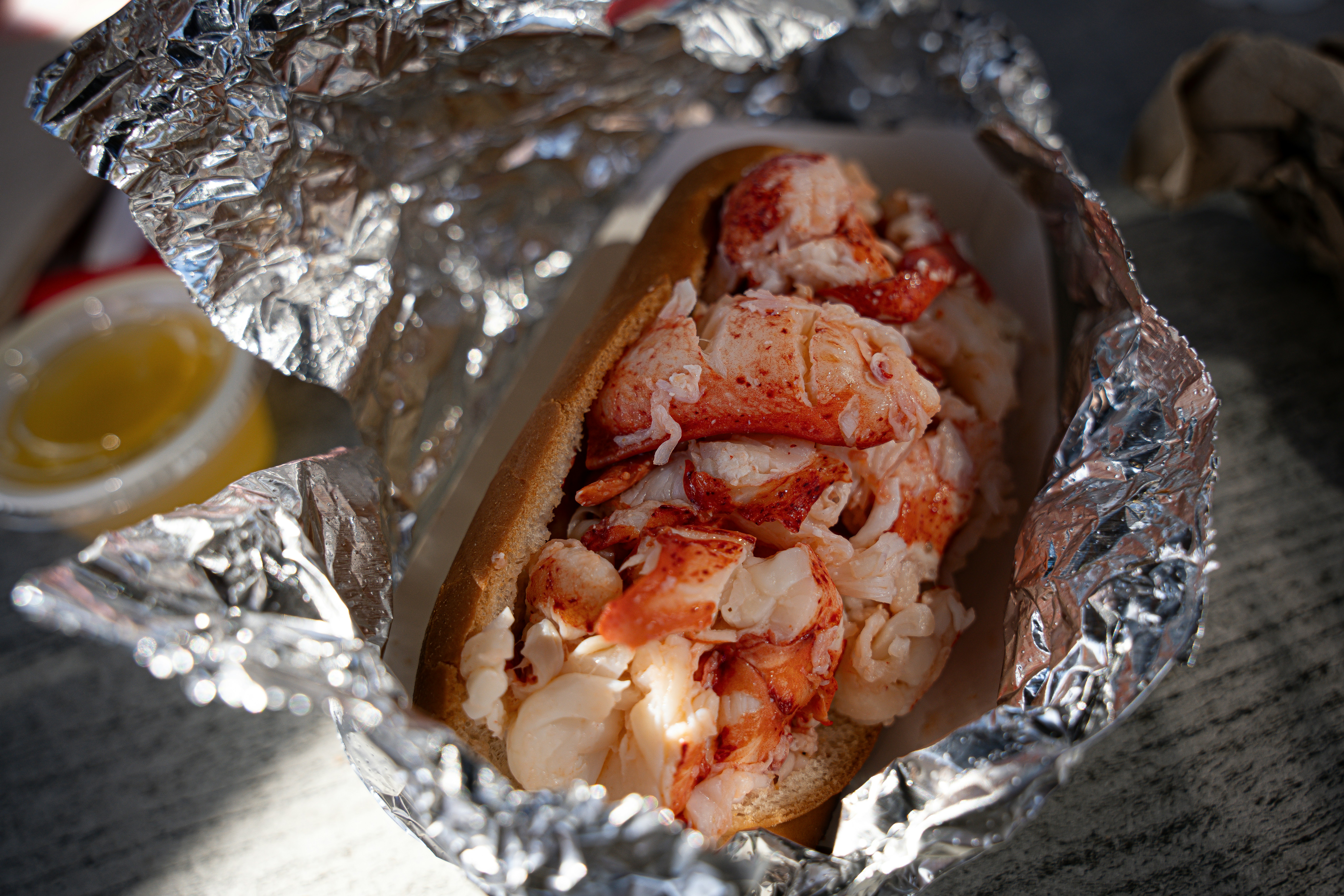
Together, the Cousins Fried Seafood initiative and its field-driven rollout illuminate a broader philosophy in restaurant franchising: extend a successful concept into adjacent categories while preserving integrity. By inviting franchisees into early development and aligning incentives around measured growth, Cousins seeks scalability without eroding the original guest experience. The mobile truck format offers the flexibility to serve large urban festivals, suburban pockets, and towns without dedicated seafood restaurants. If successful, the model could inform other brands pursuing portfolio diversification without compromising identity or quality. The thread running through it all is a practical application of experience, established expertise, visible authority, and trusted execution—principles that translate into a confident, enduring expansion.
The Louisville experiment, carried with care and collaboration, offers a quiet lesson for brands facing plateaus: progress that respects craft often travels farther than rapid, top-down intrusion. For Cousins Maine Lobster, the fried-seafood chapter is not merely a sidebar but a careful extension of its culinary language. The implied promise is clear: a multi-brand mobility that remains true to its values, a horizon that stays generous to those who helped build the table, and a future where coastal storytelling travels—one truck, one sauce, one plate at a time.