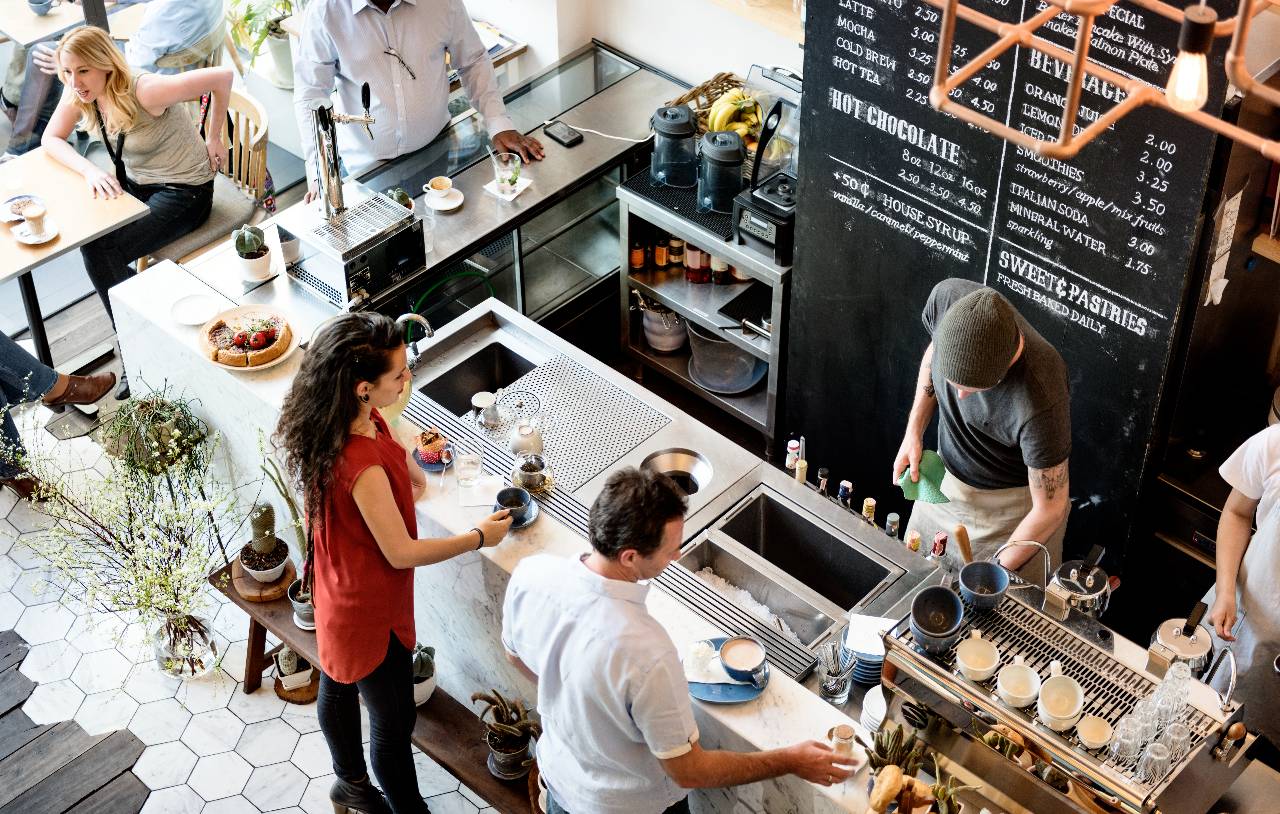
How Much Does It Cost to Open a Coffee Shop in 2026?
Opening a coffee shop in 2026 requires careful cost planning across rent, equipment, labor, technology, menu strategy, marketing, and sustainability.
operations
May 15, 2026
Opening a coffee shop in 2026 requires careful cost planning across rent, equipment, labor, technology, menu strategy, marketing, and sustainability.
May 15, 2026
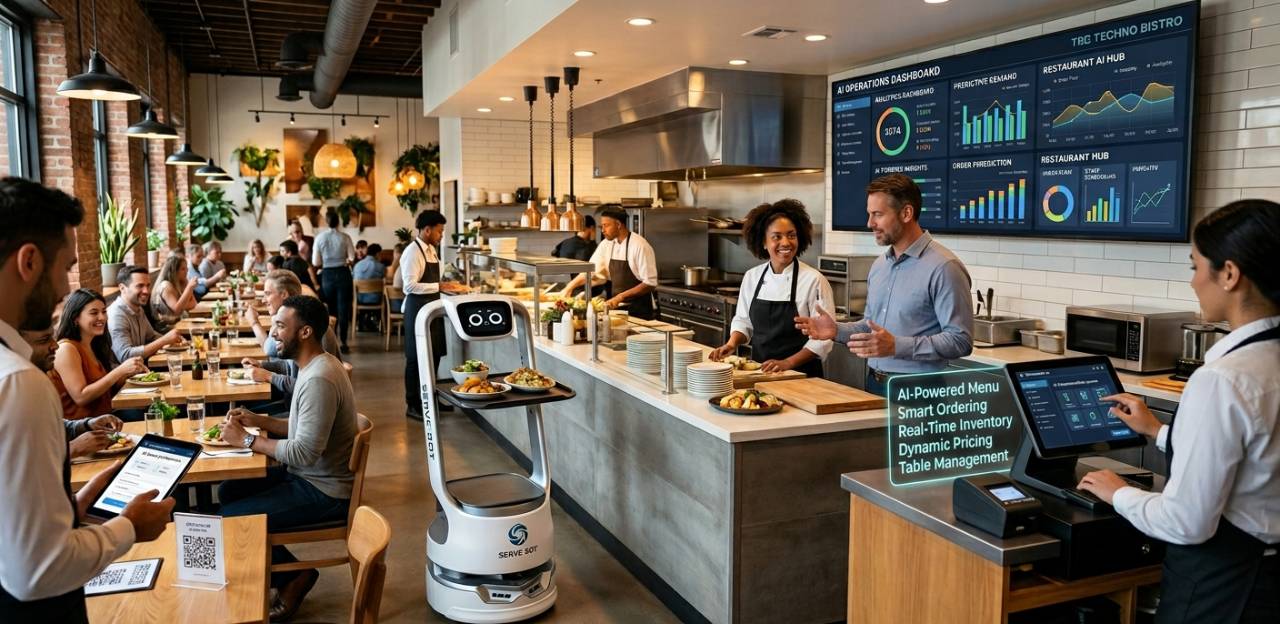
This AI playbook covers restaurant tools for voice ordering, staffing, compliance, menu pricing, inventory, marketing, ChatGPT prompts, and SEO.
May 15, 2026
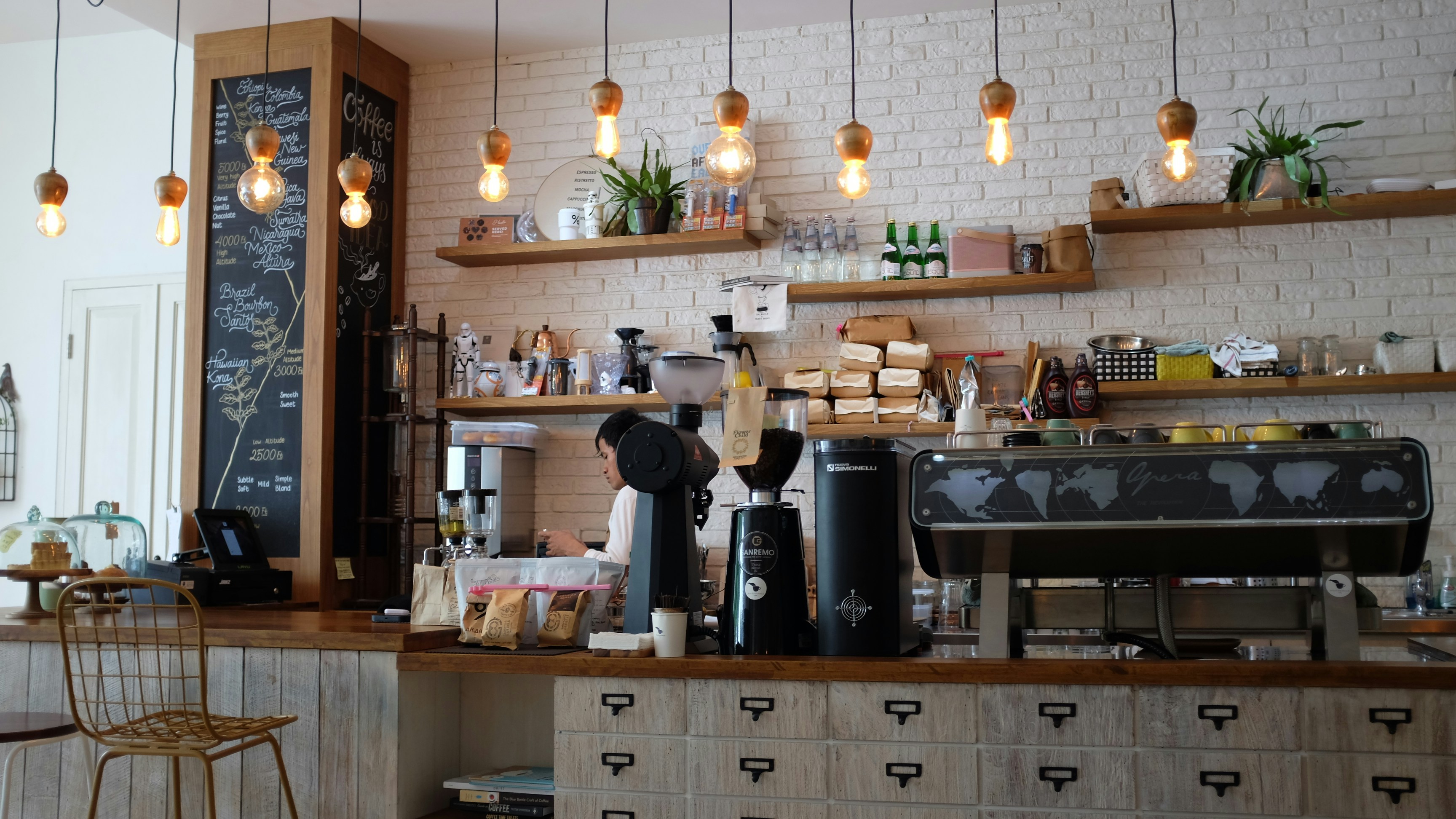
Hardee’s giant Boddie-Noell inks 31-unit Scooter’s Coffee deal for NC and VA, leveraging drive-thru growth and local roots with rollout over 12–18 months.
May 15, 2026
Wingstop turns match weeks into a multi-sensory festival, aligning bold pop-ups with World Cup energy to build brand affinity and measurable momentum.
May 15, 2026
The parent company behind Dunkin', Buffalo Wild Wings, and Arby's has filed for an IPO a move that could reshape how Wall Street views the restaurant sector.
May 15, 2026

Learn how to develop a memorable restaurant brand identity that stands out in a crowded market, attracts loyal customers, and drives repeat business with actionable strategies and affordable tools.
May 15, 2026
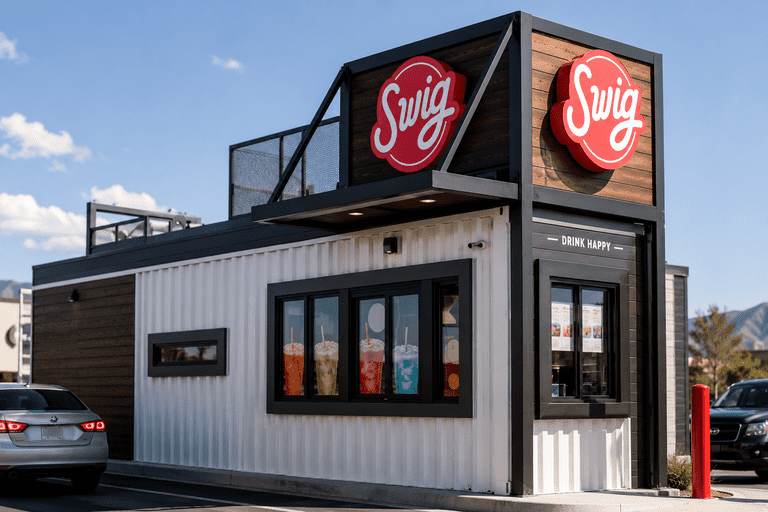
Dirty soda chain Swig is expanding into Colorado through a 10-unit franchise deal, riding a consumer beverage trend that's catching the attention of major QSR players nationwide.
May 15, 2026
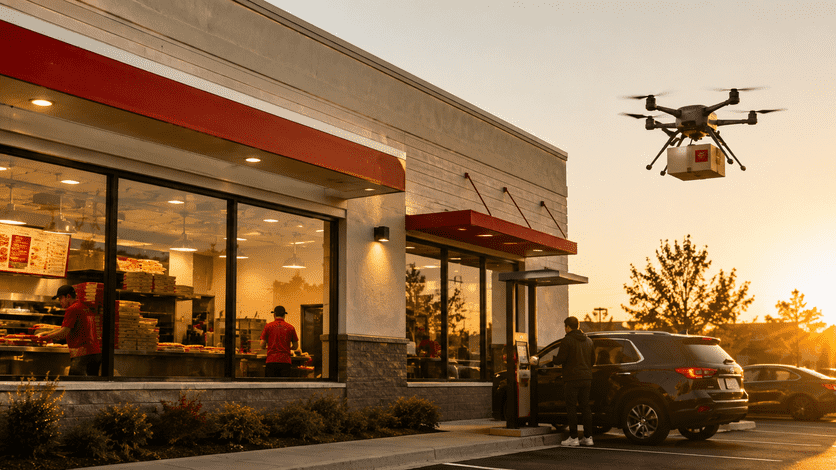
Papa Johns has teamed up with Alphabet's Wing for drone delivery of its new sandwich lineup in parts of Charlotte marking the first partnership of its kind between Wing and a national QSR brand.
May 15, 2026
A warm, expert-led look at McDonald’s Q1 results, menu makeover, and the refranchise question shaping its growth.
May 14, 2026
A reflective look at Habit Ranch, its immersive desert activation, and what it signals for brand loyalty and mindful, experiential dining.
May 14, 2026

Unlock Exclusive Access To Webinars, Events, And The Latest News For Free!
Church’s Chicken leans into value, asset remodeling, and digital upgrades to spark franchise growth under Roland Gonzalez.
Photo by Christopher Alvarenga
Church’s Chicken didn’t chase flash. It chased momentum. The revival centers on a leadership shakeup that feels like a startup jolt in a well-worn brand. Roland Gonzalez, the U.S. chief operating officer who joined about a year and a half ago, arrived with a track record from Virtual Dining Concepts and Restaurant Brands International. He led operations for big players and thousands of shops, and his arrival brought a sharper tempo without losing the core identity. This is a story about returning to the brand’s values—value in the community, quality on the plate, and an energized leadership team. Here’s how that momentum took shape:
Our franchisees also have a ton of tenure and experience. We’re just looking at going back to who we are and who Church’s was, is, and continues to be—a brand that is a value, in the communities, and for everyone. Gonzalez frames the shift as a return to identity, not a rewrite. The leadership move injected urgency and a startup mindset into a brand long known for value, a point industry observers highlighted as a real shift in momentum. The aim, he makes clear, is disciplined growth with a clear sense of purpose rather than reckless expansion.
Beyond the rhetoric, Church’s leaned into a value-first posture. Combos stayed under $4 even as rivals moved toward higher price points. The footprint told a similar story: a business in transition, not a fortress. By year-end 2023, Church’s reported 901 restaurants, with 156 company-owned locations, down 23 from the prior year. It shed 114 locations since 2021, a deliberate pruning that clarified which engines truly moved the needle. In short, the contraction revealed the assets driving success—the newer Blaze image stores and high-performing franchise models—and set the stage for targeted remodeling.
Value focus and asset remodeling became the twin rails. The Blaze image stores and top-performing franchise models were highlighted as engines to invest in, while the rest of the footprint was tuned for efficiency. A practical example of product simplification was the spicy glaze, which eliminated a prep step and saved on SKUs and costs. In Gonzalez’s words, 'A triple whammy in our industry,' underscoring a portfolio move that ties price, product, and process together for predictable growth.
Growth at Church’s is built on deliberate investment and rigorous performance tracking, with clear variation across store formats and ownership. By the end of 2023, Blaze image franchise restaurants averaged $1.232 million in sales, general freestanding with drive-thru $1.038 million, freestanding $1.149 million, end cap with drive-thru $878,113, and C-store $819,600. Company-owned stores averaged $1.073 million, beating the franchise system average of $1.008 million. The remodel program wasn’t cosmetic—corporate-built Blaze stores, six new outlets in 2023, jumped from $1.082 million to $1.387 million in year one after renovation, a 28.2 percent uplift, or about $304,845 more per outlet.
Franchise conversions also posted gains, rising from $1.006 million to $1.105 million (a 9.8 percent uplift), while the top Blaze franchise store rang up $2.021 million in sales. Operational discipline translated into real profits: company-owned unit profitability rose nearly 40 percent last year, and the domestic franchise deal signings tripled. Looking ahead, Church’s plans nine new franchise units and five corporate stores for 2024, signaling a measured, not reckless, pace of growth. A renewed focus on value—the two-piece feast—and tighter supply chains kept margins intact as pricing tiers evolved.
Gonzalez’s leadership touched more than numbers. The company layered in communication—town halls, mandatory business information meetings (twice yearly per franchisee), a company convention, and regular webcasts—paired with in-person oversight that multiplied restaurant visits sevenfold and boosted third-party assessments. Franchisees credited improved executive leadership as the primary driver of change. The Real Rewards loyalty program was rolled out to deepen guest relationships, with perks like chicken for a year for 500 launch participants, reward points on every dollar spent, and tiered incentives such as a free two-piece meal or three-piece tender meal for sign-ups.
On the digital side, Church’s rebuilt its app into a bespoke CRM and app designed to double digital sales and raise profitability. “We've done a lot of these things just by executing our existing products better.” Gonzalez summarized the momentum tying people, process, and platforms. The loyalty program is approaching one million users as part of a broader strategy to monetize guest data and interactions. The message is clear: better conversations with guests, better data, better decisions.
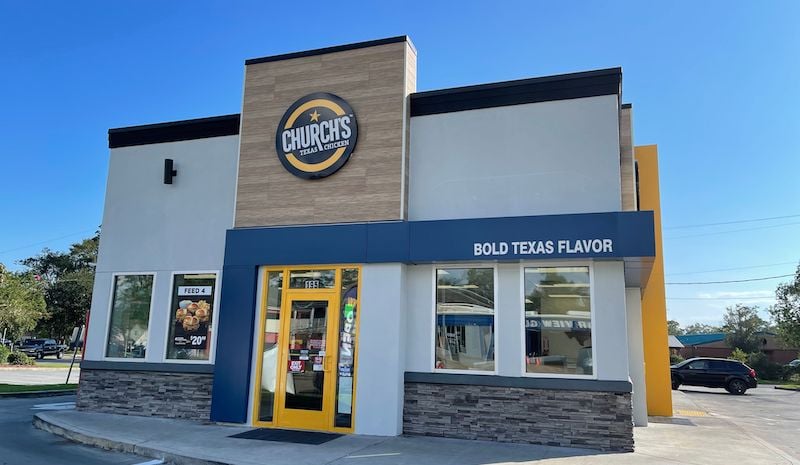
The operational reboot is measurable. The Blaze concept has proven a powerful lever, delivering higher AUV and faster, more consistent execution across markets. The franchise pipeline exploded: domestic deal signings tripled year over year, and the 2024 plan centers on nine new franchise units and five corporate stores, a deliberate pace that avoids overreach. Leadership stressed supply chain readiness to accommodate price tiers without eroding margins, and the Trash-to-Treasure approach—like the Tender Wraps launch at $2.29 in June—showed how product design and pricing can align with profitability. 'A triple whammy in our industry' captured the ambition, while Gonzalez’s focus on guest satisfaction and traffic metrics suggested a brand bucking a broader industry trend.
Taken together, the results point to a durable path: value, enhanced guest journeys, and asset renewal understood as an integrated system. The numbers—28.2 percent uplift after Blaze renovations, nearly 40 percent profitability gains in company-owned units, and a robust franchise pipeline—hint at a model that could endure beyond a single year’s momentum. The test will be how the network sustains growth while preserving margins and franchise health across cycles.
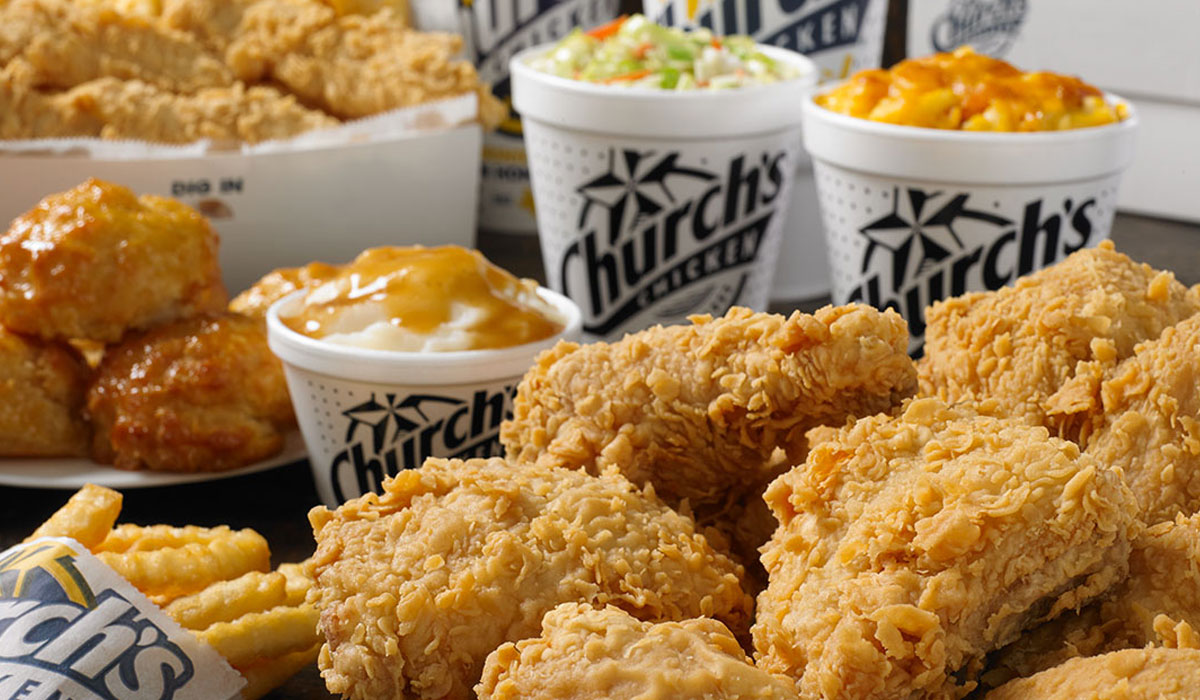
Taken together, Church’s Chicken offers a blueprint for legacy brands in a crowded, price-sensitive field: anchor with clear value, modernize the guest journey through digital platforms, and invest in asset remodels that unlock higher performance. The mix—strong franchise health, a refined product lineup (including the two-piece feast and Tender Wraps), and a transparent operating model—aims for steady growth rather than rapid, unsustainable expansion. As the brand doubles down on supply chain resilience and guest loyalty, it becomes a meaningful case study in how big concepts reclaim momentum through disciplined innovation and community-rooted value.
The road ahead will test international expansion, currency and regulatory nuances, and the pace of digital scaling. Yet the central premise remains: a disciplined flywheel—value, operations, and franchise engagement—can fuel sustained growth even in a competitive market. Church’s Chicken isn’t chasing chasing a trend; it’s tightening the engine and pointing it toward communities, consistency, and clear value. Worth the trip for any brand facing a crowded field.