How Much Does It Cost to Open a Coffee Shop in 2026?
Opening a coffee shop in 2026 requires careful cost planning across rent, equipment, labor, technology, menu strategy, marketing, and sustainability.
operations
May 15, 2026
Opening a coffee shop in 2026 requires careful cost planning across rent, equipment, labor, technology, menu strategy, marketing, and sustainability.
May 15, 2026
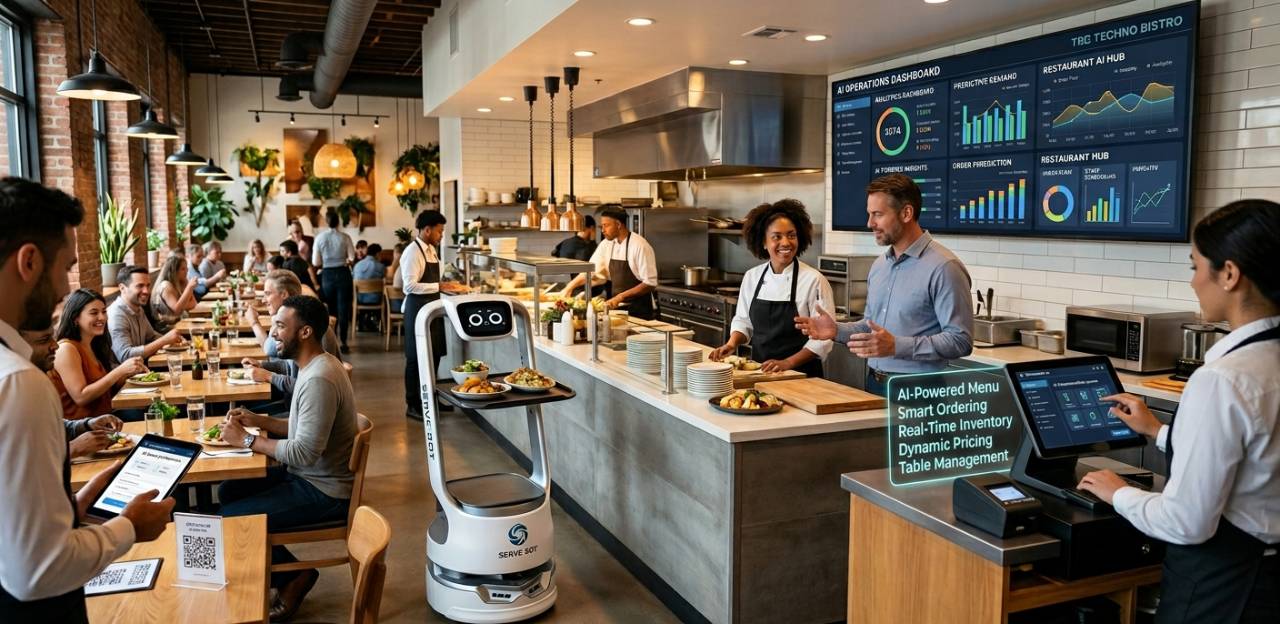
This AI playbook covers restaurant tools for voice ordering, staffing, compliance, menu pricing, inventory, marketing, ChatGPT prompts, and SEO.
May 15, 2026
Hardee’s giant Boddie-Noell inks 31-unit Scooter’s Coffee deal for NC and VA, leveraging drive-thru growth and local roots with rollout over 12–18 months.
May 15, 2026
Wingstop turns match weeks into a multi-sensory festival, aligning bold pop-ups with World Cup energy to build brand affinity and measurable momentum.
May 15, 2026
The parent company behind Dunkin', Buffalo Wild Wings, and Arby's has filed for an IPO a move that could reshape how Wall Street views the restaurant sector.
May 15, 2026

Learn how to develop a memorable restaurant brand identity that stands out in a crowded market, attracts loyal customers, and drives repeat business with actionable strategies and affordable tools.
May 15, 2026
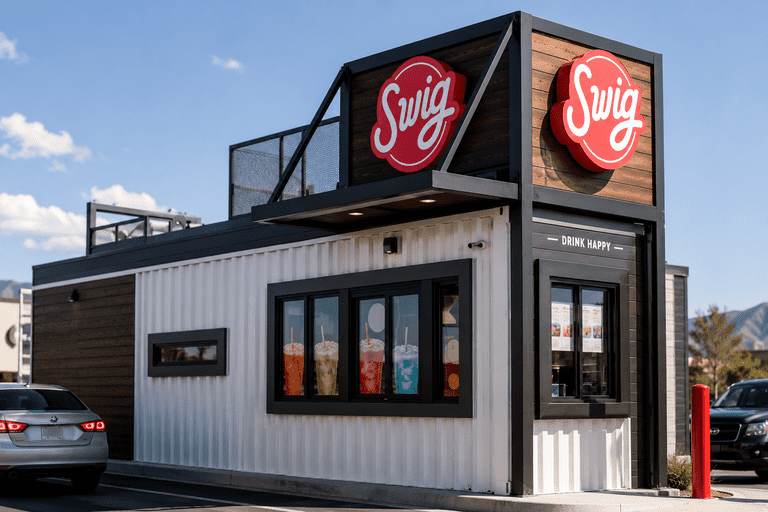
Dirty soda chain Swig is expanding into Colorado through a 10-unit franchise deal, riding a consumer beverage trend that's catching the attention of major QSR players nationwide.
May 15, 2026
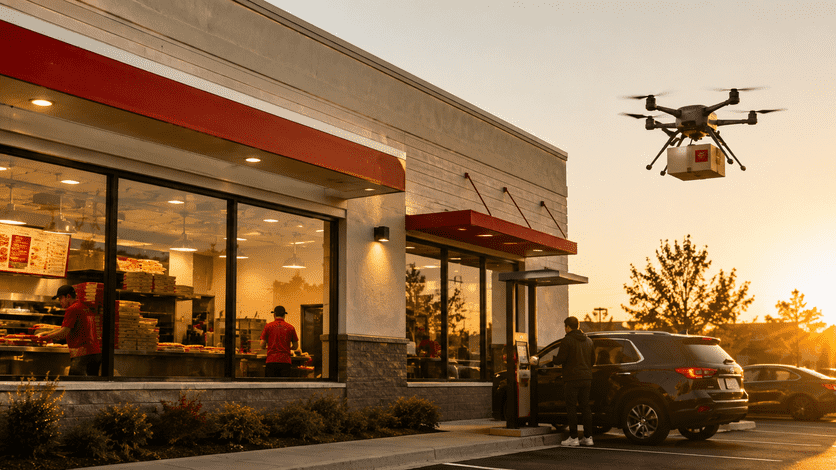
Papa Johns has teamed up with Alphabet's Wing for drone delivery of its new sandwich lineup in parts of Charlotte marking the first partnership of its kind between Wing and a national QSR brand.
May 15, 2026
A warm, expert-led look at McDonald’s Q1 results, menu makeover, and the refranchise question shaping its growth.
May 14, 2026
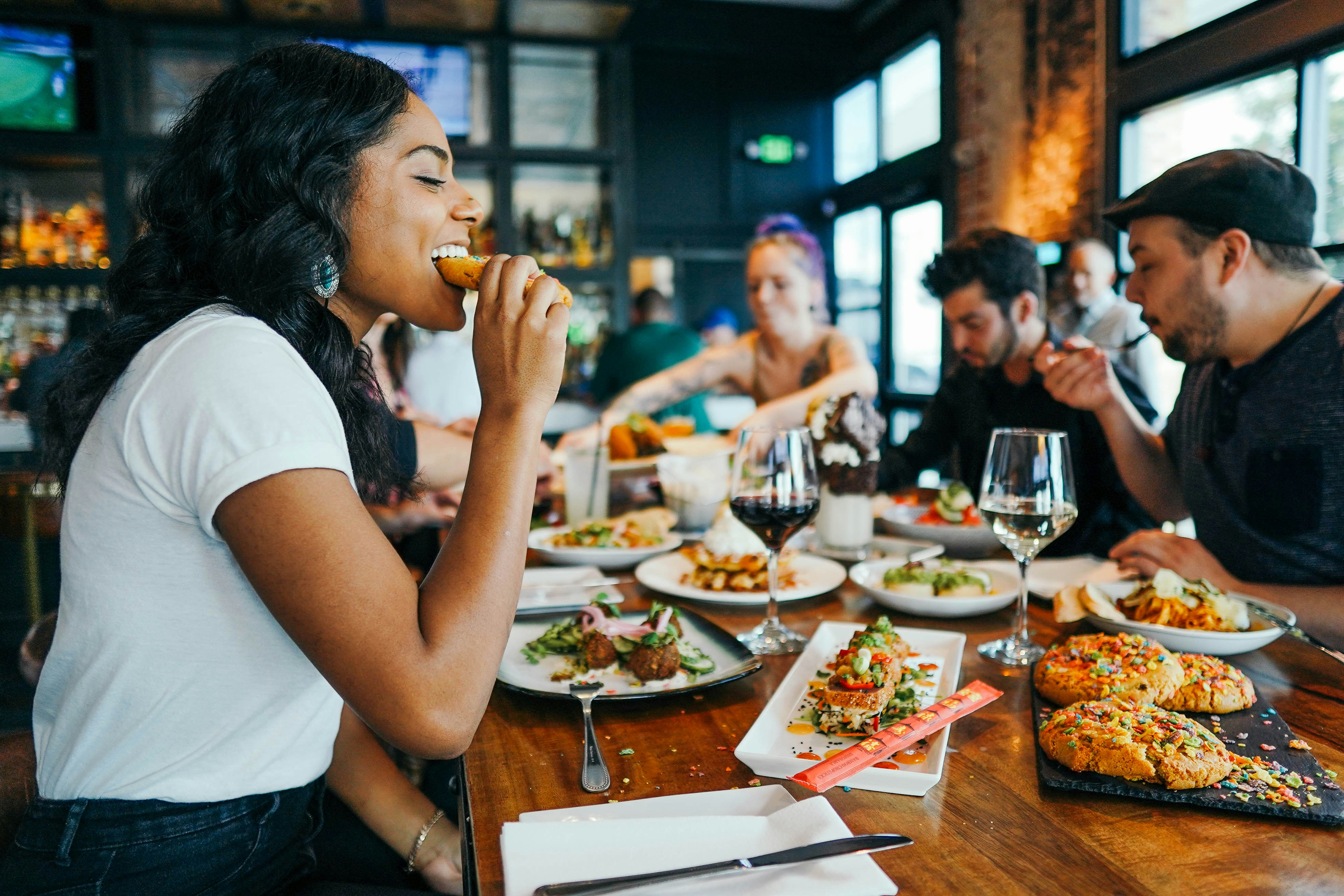
A reflective look at Habit Ranch, its immersive desert activation, and what it signals for brand loyalty and mindful, experiential dining.
May 14, 2026

Unlock Exclusive Access To Webinars, Events, And The Latest News For Free!
Chipotle leans on operations and automation to lift margins and scale to 7,000 restaurants, with Chipotlane and expo upgrades leading the charge.
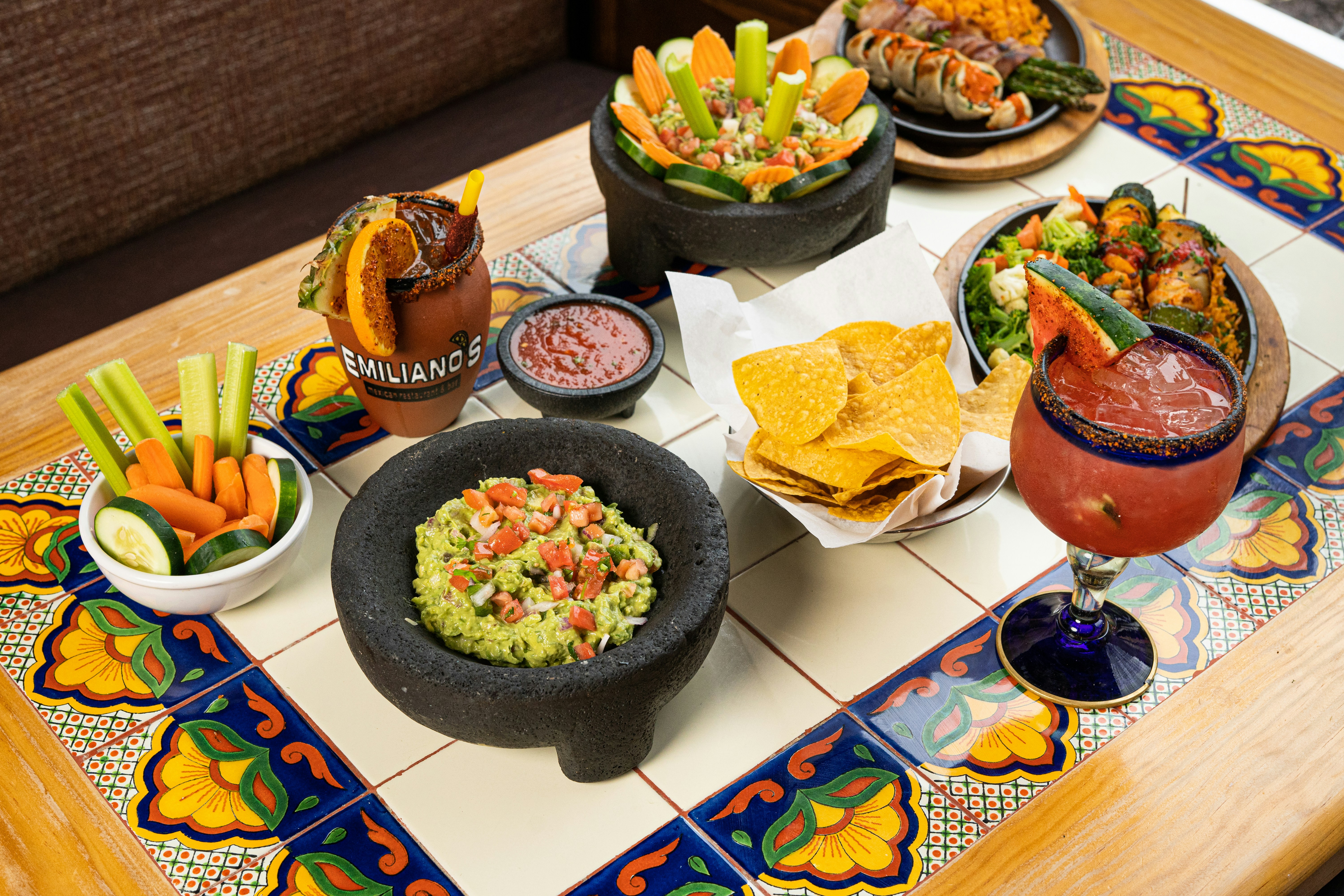
Photo by Hybrid Storytellers
Chipotle is a brand that speaks softly about big ambitions, a little like a bustling café where the steam tells you the plan before anyone speaks. The growth playbook remains a quiet constant: five core pillars—operations, technology, people, branding, and expansion with a focus on convenience—and a careful map toward a long North American footprint of about 7,000 restaurants, AUVs exceeding $4 million, improving margins, and deeper international reach. Even through a leadership transition, the room feels anchored by continuity, not friction, and the plan keeps circling back to what customers value: ease and warmth in a quick, fresh bite.
Across the board, momentum is visible in the numbers: same-store sales up, rising transactions, and a revenue path that supports a resilient posture in volatile markets. Early snapshots showed quarterly sales near $2.8 billion with SSS around 6%, and while Chipotle’s official third-quarter results later pegged revenue near $3.0 billion, the arc remains the same: growth through a familiar engine, refined by technology and skilled execution. The sense of momentum is a lead‑in to a closer look at how those pillars are actually being activated in kitchens, dining rooms, and dashboards.
Morning momentum gives way to steady hands in leadership. When Brian Niccol left to helm Starbucks, the board trusted Scott Boatwright as interim chief executive, and by November 2024 his role was formalized as the company’s chief executive officer. The transition was framed as continuity—a signal that Chipotle would stay the course on its growth playbook, investing in operations and technology to lift efficiency, guest experience, and growth cadence. The narrative is quiet but clear: steady hands, a familiar map, and a readiness to pursue a longer-term expansion plan without disruption.
That continuity matters because the five-pillar framework stays intact as the engine for scale. Ongoing investments in operations and technology are designed to lift efficiency and enhance guest experience, keeping the brand’s emphasis on fresh preparation front and center. The leadership shift is therefore not a pause, but a moment of confidence that the plan’s rhythm remains intact even as leadership dynamics shift in a high-growth environment.
At the heart of Chipotle’s growth engine is a quiet obsession with throughput and labor efficiency. The expo position—a crew member between the salsa station and the cash register—speeds up order assembly and payment. In late August, shifting the manager-on-duty into the expo during peak times raised the share of restaurants using expo from just over 50% to above 60% quarter over quarter, delivering fifteen-minute windows with five additional entrées in peak demand. Beyond seating the workflow, Chipotle is piloting a dual‑sided plancha to accelerate cooking and a produce slicer for consistent, faster prep. The plancha rollout targets nearly 80 locations next month, with broader deployment next year, while the slicer should be across all restaurants by next summer. In addition, pilots like an automated makeline and Autocado technology in one unit are under test, and a dual-backed fryer for chips is being explored. These back‑of‑house improvements aim to deliver meaningful efficiency gains, culinary consistency, and peak-hour resilience.
With throughput and accuracy in mind, Chipotle’s kitchen becomes a living laboratory where technology and craft intersect. The goal is not novelty for novelty’s sake but predictable, high-quality delivery of meals during busy moments, ensuring guests feel the same care whether they’re ordering on the app or in-store.
"We have a lot of confidence in our ability to get back to high 20s. We think the algorithm still holds at $4 million (AUVs) and 30% (margins)." This direct line from the earnings conversation captures the leadership’s faith in the current framework, bolstered by throughput upgrades and kitchen automation that align with Chipotle’s core identity: fresh, fast, and reliable. The message is not just ambition—it’s a practiced expectation.
Looking ahead, the company framed a robust automation and equipment agenda for 2026: 350–370 new restaurant openings, including 10–15 international partner-operated sites, and more than 80% of company-owned locations slated to feature a Chipotlane. The broader ambition remains a long horizon: reach 7,000 restaurants in the United States and Canada while continuing international growth. Investments in supply chain optimization, prep streamlining, and new equipment technologies stand as pillars for margin uplift and scalable service.
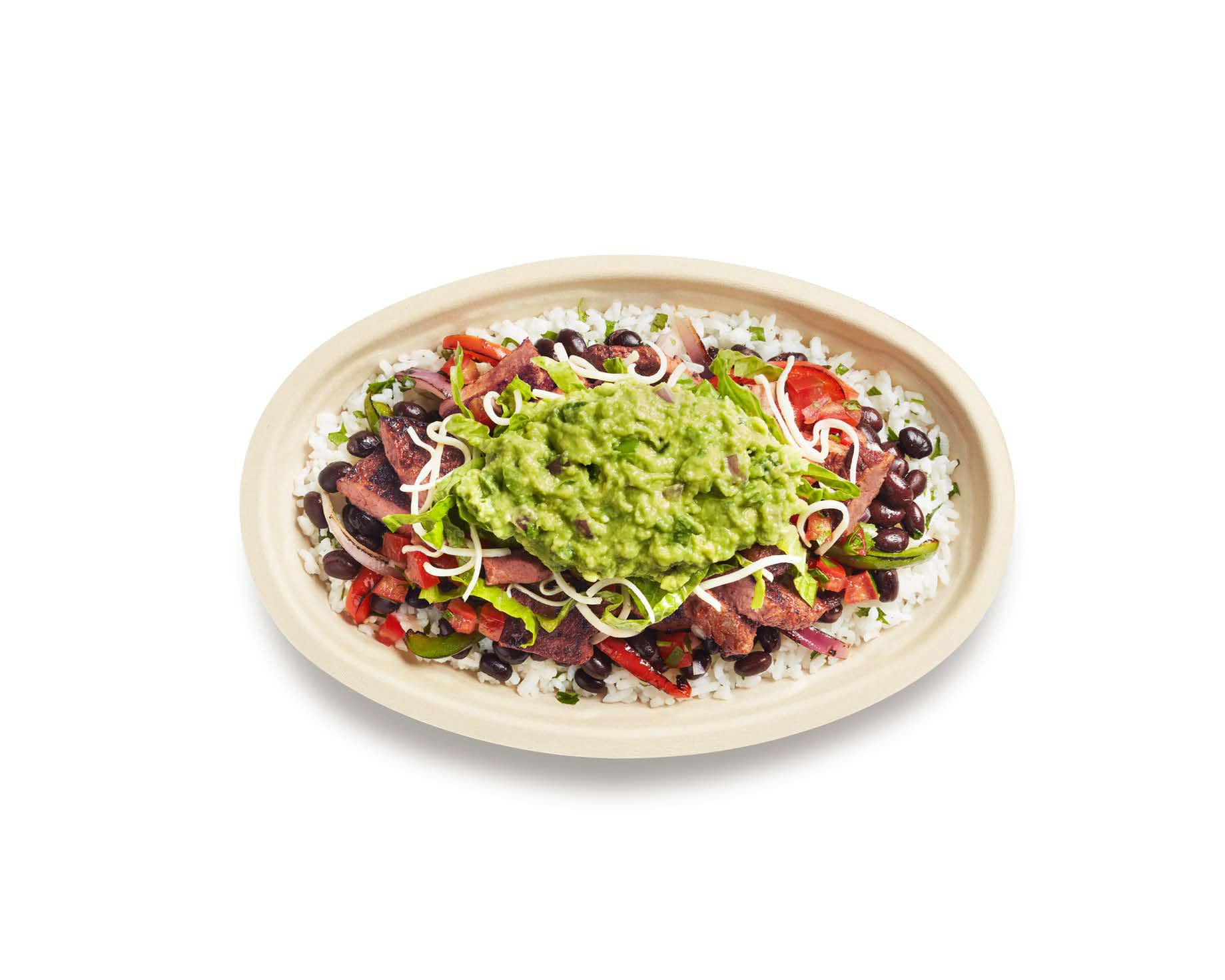
Automation and the Industry Context reflect a broader push in quick‑service brands to blend culinary craft with technology. Chipotle’s Autocado cobotic system and Augmented Makeline with Hyphen signal an industry-wide move to lift throughput and consistency, while keeping risks of execution in mind. Observers note that these innovations could yield meaningful gains in productivity and guest experience, even as they require careful rollout and ongoing vigilance.
The broader context also reminds us that even with modern tools, the path isn’t perfectly linear. Chipotle faces wage inflation, a tight labor market, potential union activity, and cost pressures across food, packaging, and other inputs. The company flags these uncertainties for 2025–2026 and cautions that actual results may diverge from plans, underscoring the importance of balancing menu innovation, pricing flexibility, and the costs of expansion.
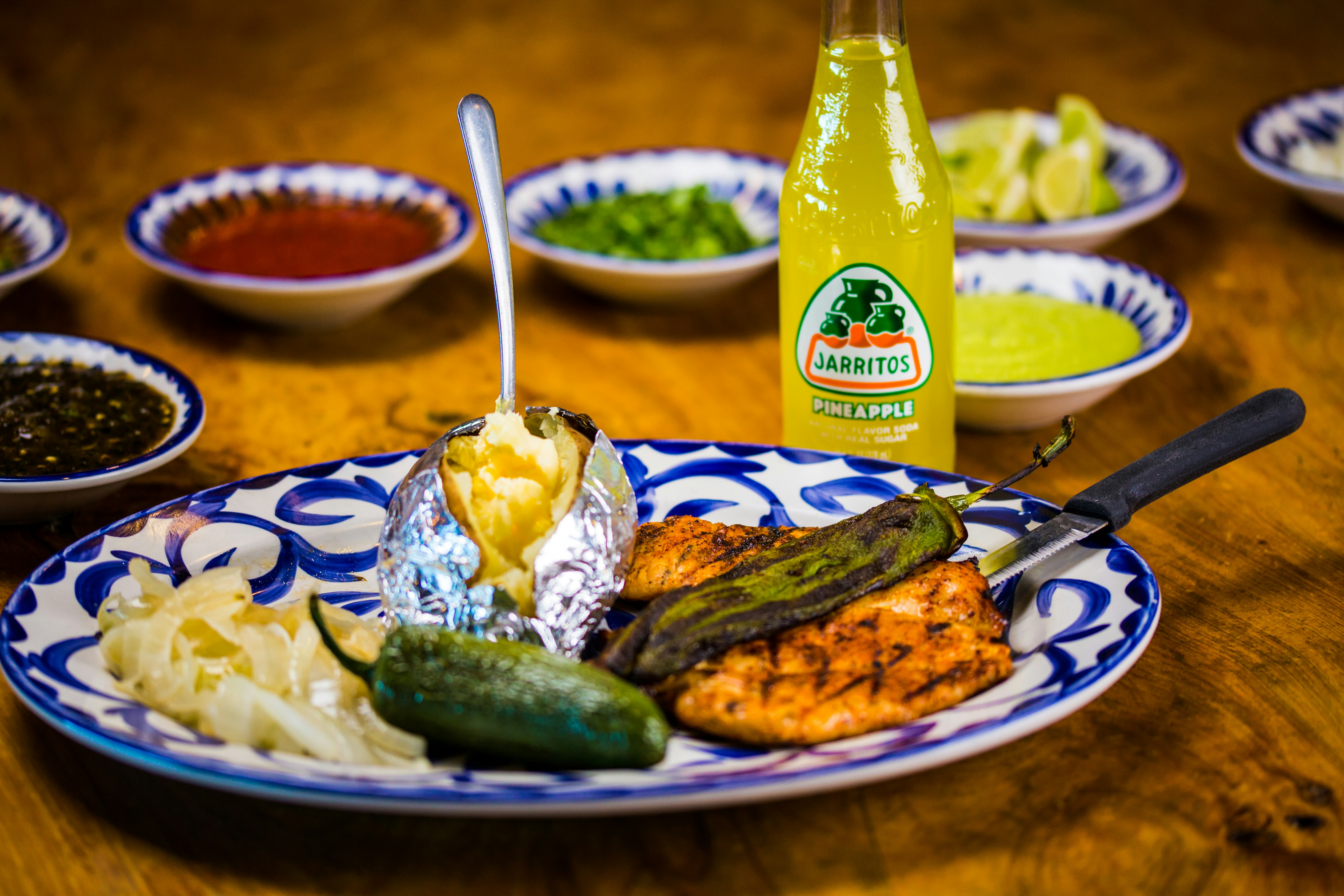
Conclusion: A Calculated Path Forward weaves a disciplined, hospitality-minded narrative: Chipotle’s growth rests on a proven architecture married to bold capital investment in technology and international reach. By preserving the five-pillar framework and sharpening efficiency through automation and smarter kitchen design, the brand aims to lift restaurant‑level margins toward the high-20s and toward 30%, all while scaling to 7,000 stores in the U.S. and Canada and beyond. The Mexico market entry and further international expansion broaden the growth runway, even if domestic pace may face near-term volatility. For readers—investors and operators alike—the invitation remains clear: execute at scale, speed with Chipotlanes and digital orders, and keep refining the product that keeps customers coming back for fresh, fast, and customizable meals. The coming quarters will test the pace, but the path feels deliberately hospitable.