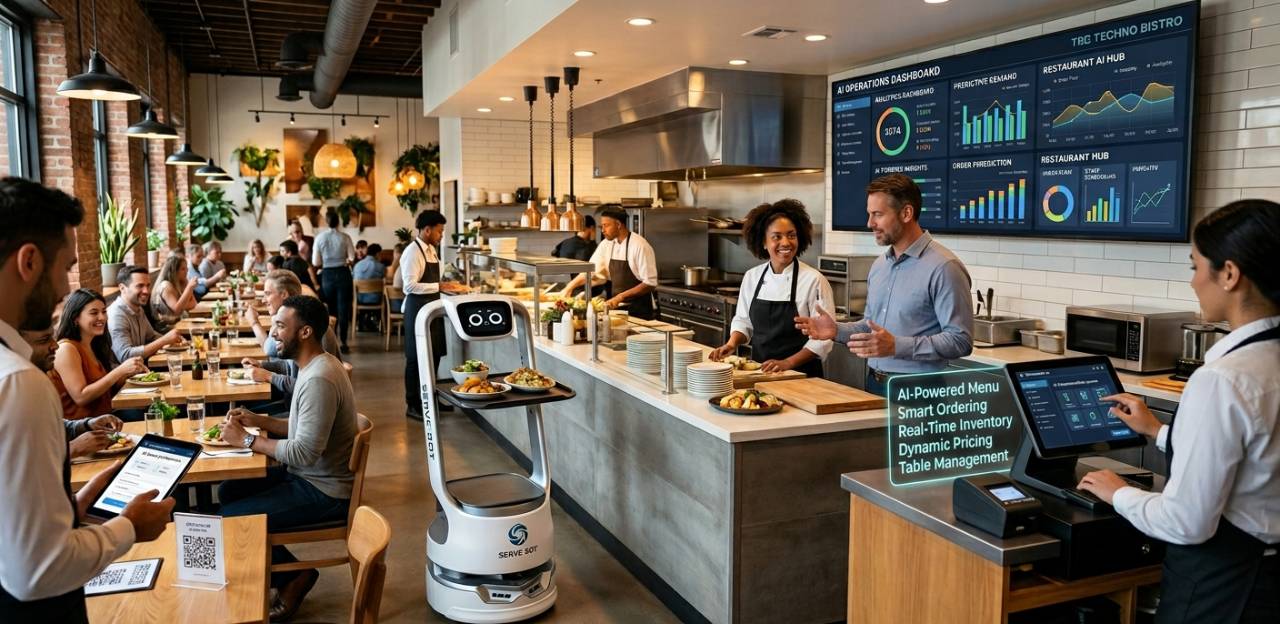
AI Playbook for Restaurant Owners
This AI playbook covers restaurant tools for voice ordering, staffing, compliance, menu pricing, inventory, marketing, ChatGPT prompts, and SEO.
tech
May 15, 2026
This AI playbook covers restaurant tools for voice ordering, staffing, compliance, menu pricing, inventory, marketing, ChatGPT prompts, and SEO.
May 15, 2026
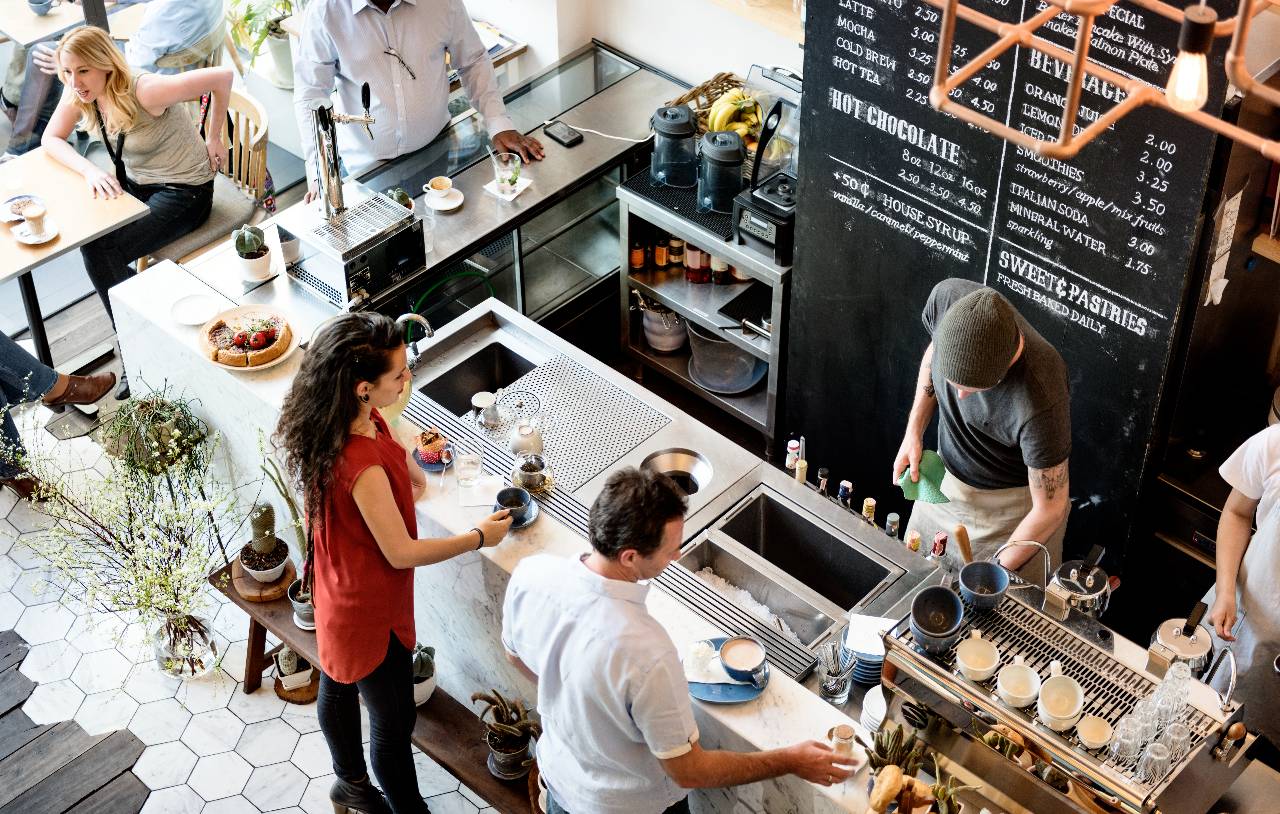
Opening a coffee shop in 2026 requires careful cost planning across rent, equipment, labor, technology, menu strategy, marketing, and sustainability.
May 15, 2026
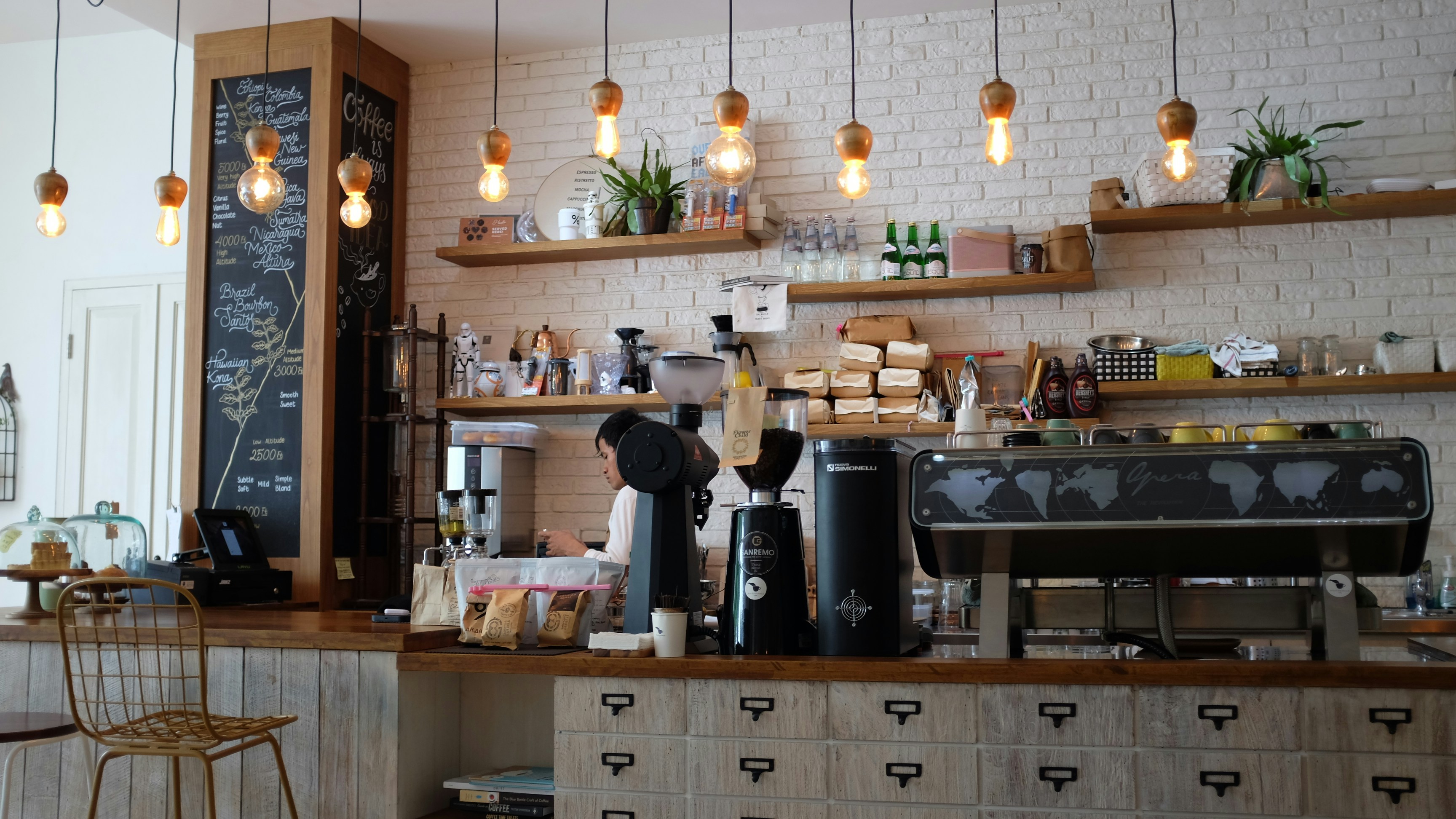
Hardee’s giant Boddie-Noell inks 31-unit Scooter’s Coffee deal for NC and VA, leveraging drive-thru growth and local roots with rollout over 12–18 months.
May 15, 2026
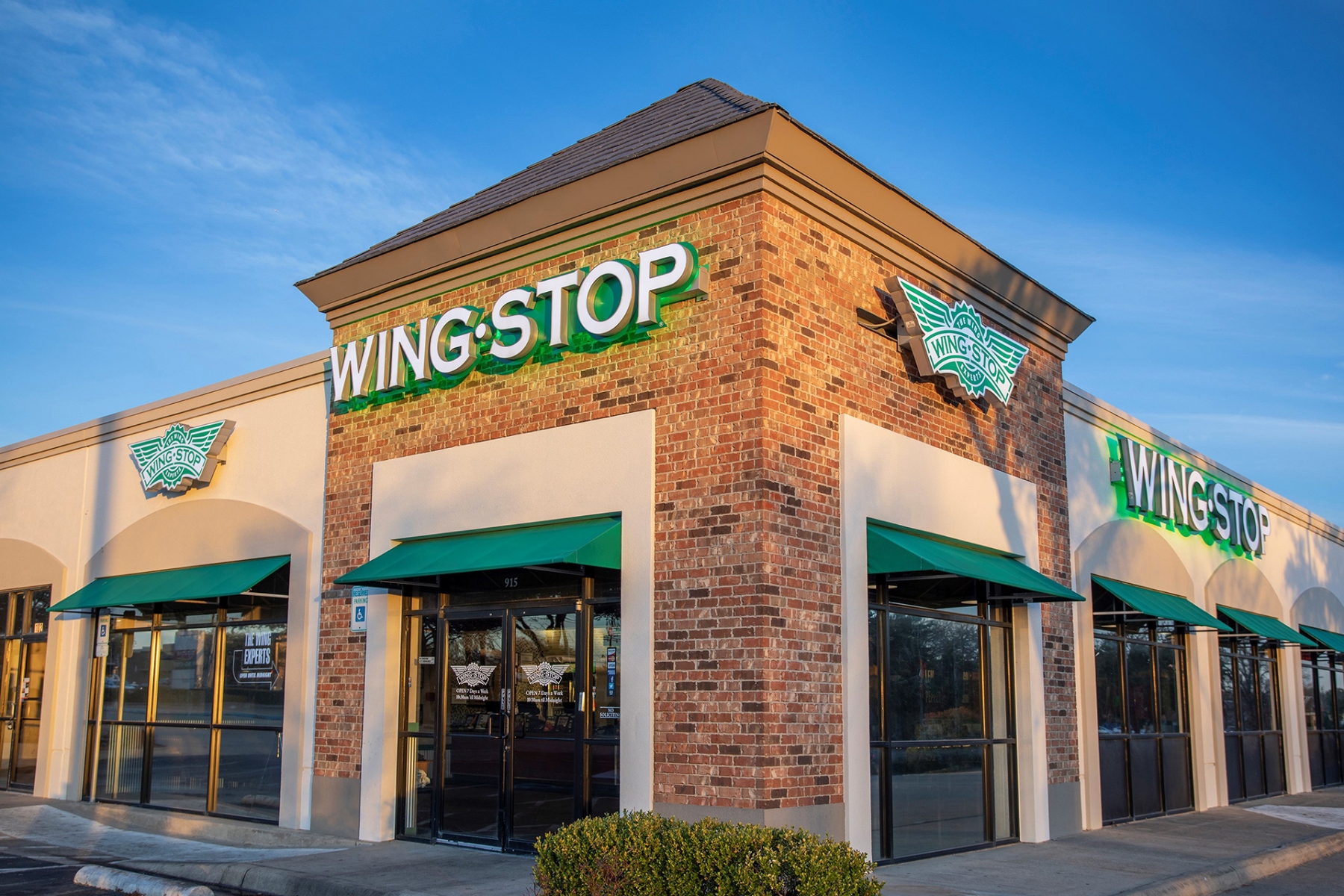
Wingstop turns match weeks into a multi-sensory festival, aligning bold pop-ups with World Cup energy to build brand affinity and measurable momentum.
May 15, 2026

Learn how to develop a memorable restaurant brand identity that stands out in a crowded market, attracts loyal customers, and drives repeat business with actionable strategies and affordable tools.
May 15, 2026
The parent company behind Dunkin', Buffalo Wild Wings, and Arby's has filed for an IPO a move that could reshape how Wall Street views the restaurant sector.
May 15, 2026
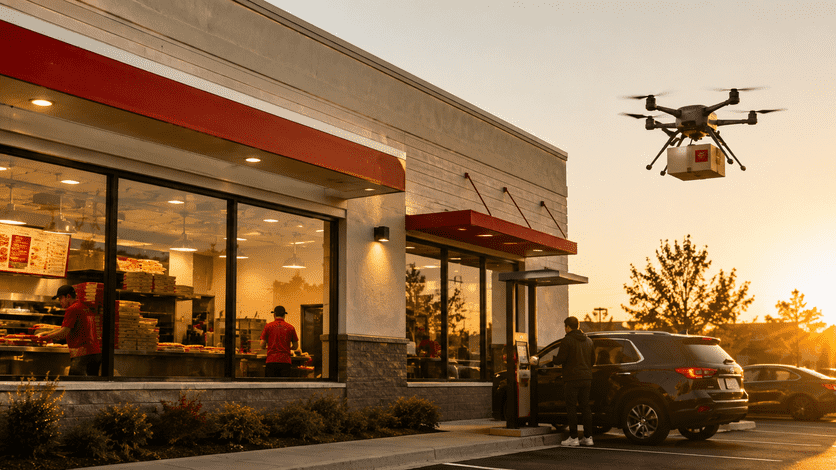
Papa Johns has teamed up with Alphabet's Wing for drone delivery of its new sandwich lineup in parts of Charlotte marking the first partnership of its kind between Wing and a national QSR brand.
May 15, 2026
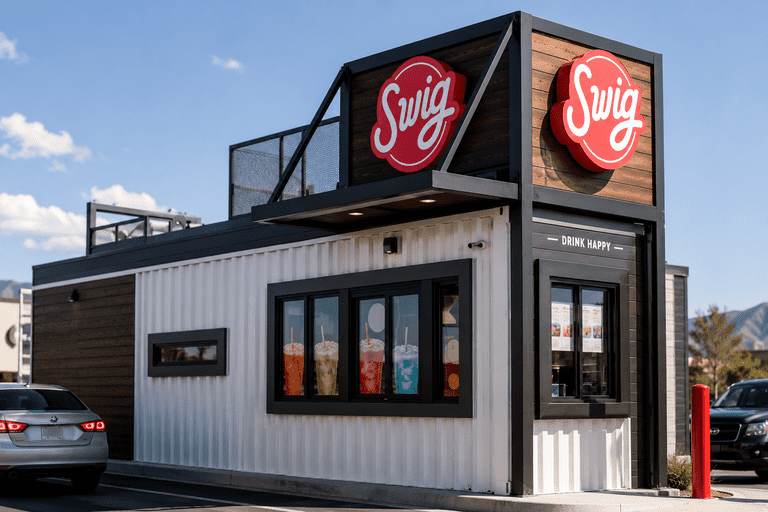
Dirty soda chain Swig is expanding into Colorado through a 10-unit franchise deal, riding a consumer beverage trend that's catching the attention of major QSR players nationwide.
May 15, 2026
A warm, expert-led look at McDonald’s Q1 results, menu makeover, and the refranchise question shaping its growth.
May 14, 2026
A reflective look at Habit Ranch, its immersive desert activation, and what it signals for brand loyalty and mindful, experiential dining.
May 14, 2026

Unlock Exclusive Access To Webinars, Events, And The Latest News For Free!
Explore how Chipotle's Ingredient Quest on Roblox is reshaping marketing strategies for reaching Gen Z consumers and driving engagement.
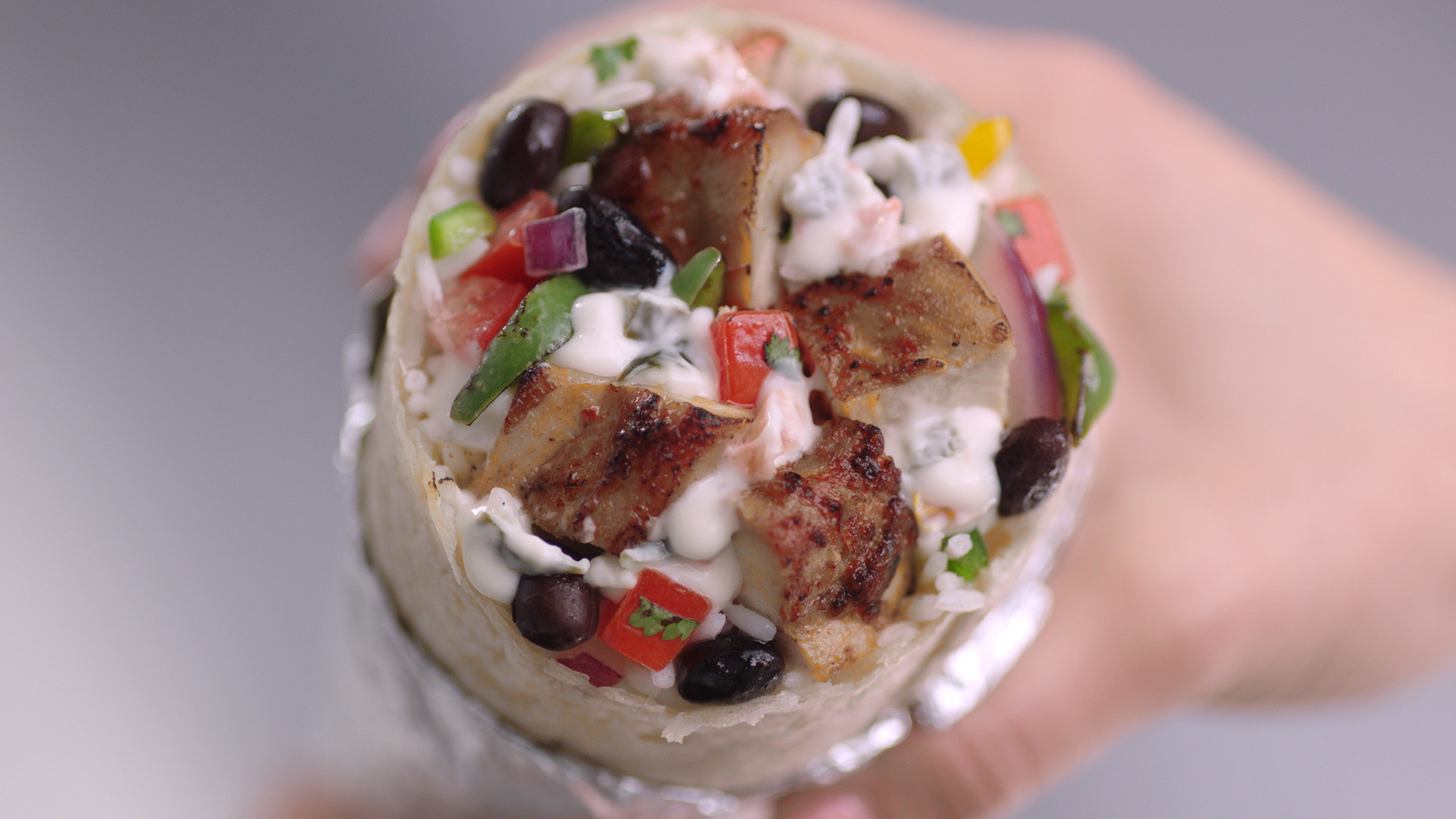
Chipotle's groundbreaking strategy of Ingredient Quest on Roblox represents a significant leap in the brand's marketing initiatives around Cinco de Mayo. By integrating into the popular youth-centric gaming platform, Chipotle has successfully engaged with a broader audience, leveraging the platform to introduce new menu items, offer rewards, and showcase creative marketing campaigns.
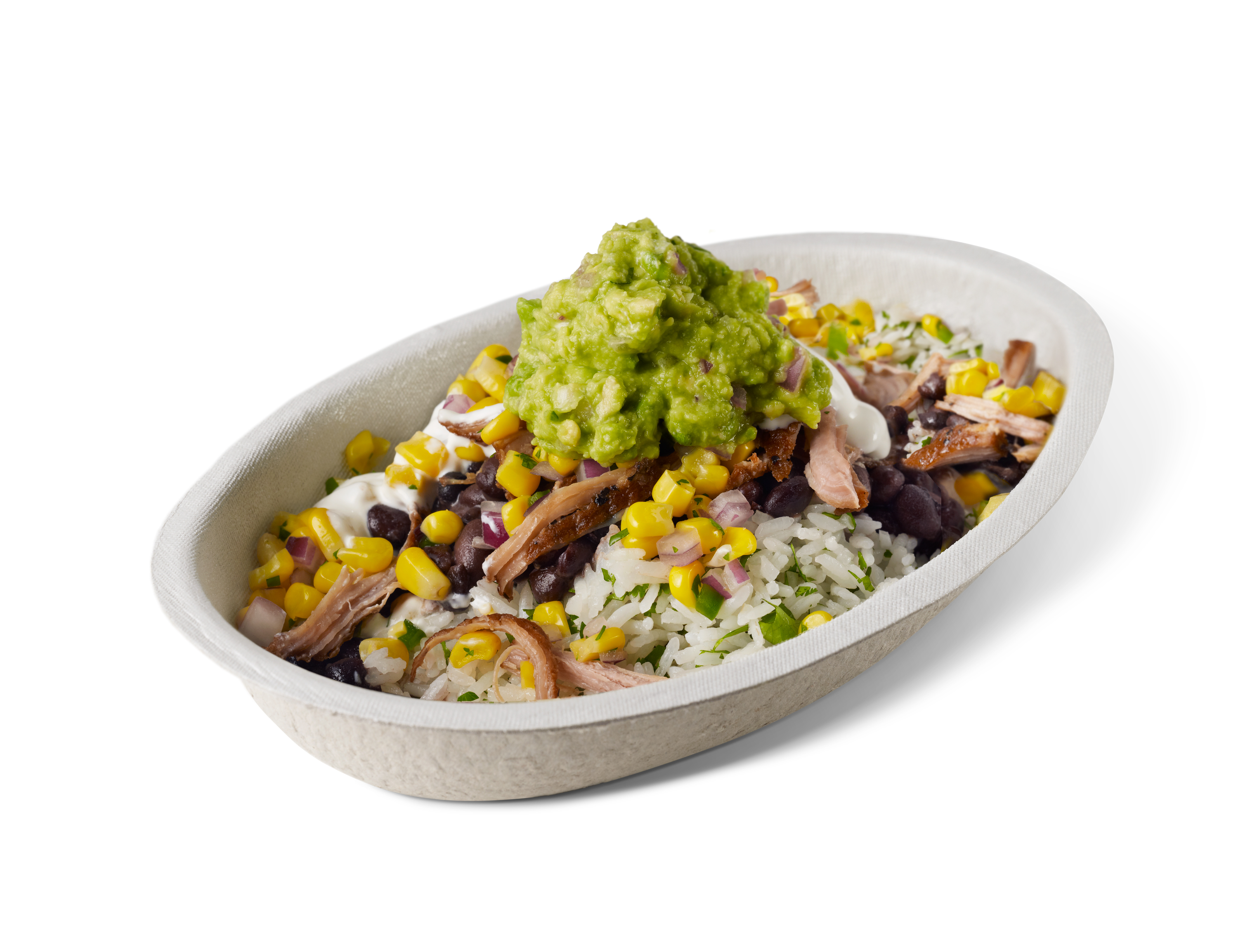
The concept of Ingredient Quest draws inspiration from the resurgence of nostalgia-driven trends like trading card collecting, reminiscent of popular brands such as Pokémon and Magic: The Gathering. This trend has seen a surge in consumer interest, with enthusiasts filming and sharing their 'pulls' - the exciting moments when a desirable card is discovered from a pack. Chipotle has cleverly adapted this trend to the virtual realm through Roblox, tapping into the thrill of discovery and collectibility.
In Ingredient Quest, players can exchange in-game currency earned from Burrito Builder for packs of five ingredient cards, with additional hidden cards waiting to be discovered across the Roblox world. This dynamic not only adds an element of competition but also transforms the experience into a scavenger hunt, encouraging players to explore and engage actively with the brand within the gaming environment.
Beyond the gamification aspect, Chipotle's Ingredient Quest serves as an educational tool, enlightening Gen Z consumers about the brand's commitment to responsibly sourced ingredients. By offering free entrees to the first 50,000 players who collect the full set of 53 cards, Chipotle not only incentivizes participation but also reinforces its messaging around 'real food' and sustainable sourcing practices.
Chipotle's CEO, Scott Boatwright, emphasized the brand's focus on a robust marketing approach, with increased investments in digital, social, and rewards programs from May through the summer season. Boatwright highlighted the significance of leveraging marketing tools to drive traffic, especially during historically softer sales periods. This strategic shift underscores Chipotle's agility in adapting to market dynamics and consumer preferences.
The decline of 0.4% in Chipotle's same-store sales during the initial months of the year underscores the impact of macroeconomic factors, including tariffs, on consumer choices. This dip highlights the importance of innovative marketing campaigns like Ingredient Quest in driving engagement, brand loyalty, and ultimately, sales growth, especially in a competitive market landscape.