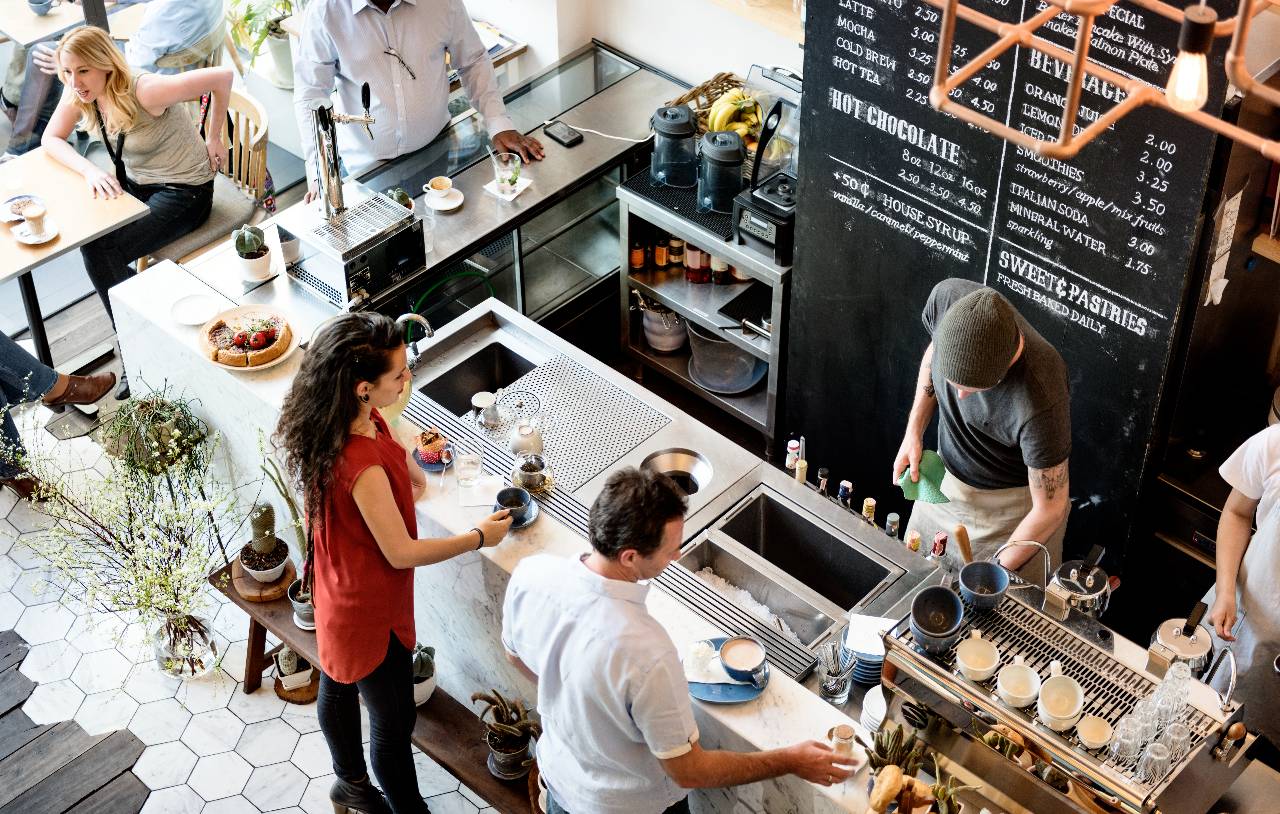
How Much Does It Cost to Open a Coffee Shop in 2026?
Opening a coffee shop in 2026 requires careful cost planning across rent, equipment, labor, technology, menu strategy, marketing, and sustainability.
operations
May 15, 2026
Opening a coffee shop in 2026 requires careful cost planning across rent, equipment, labor, technology, menu strategy, marketing, and sustainability.
May 15, 2026
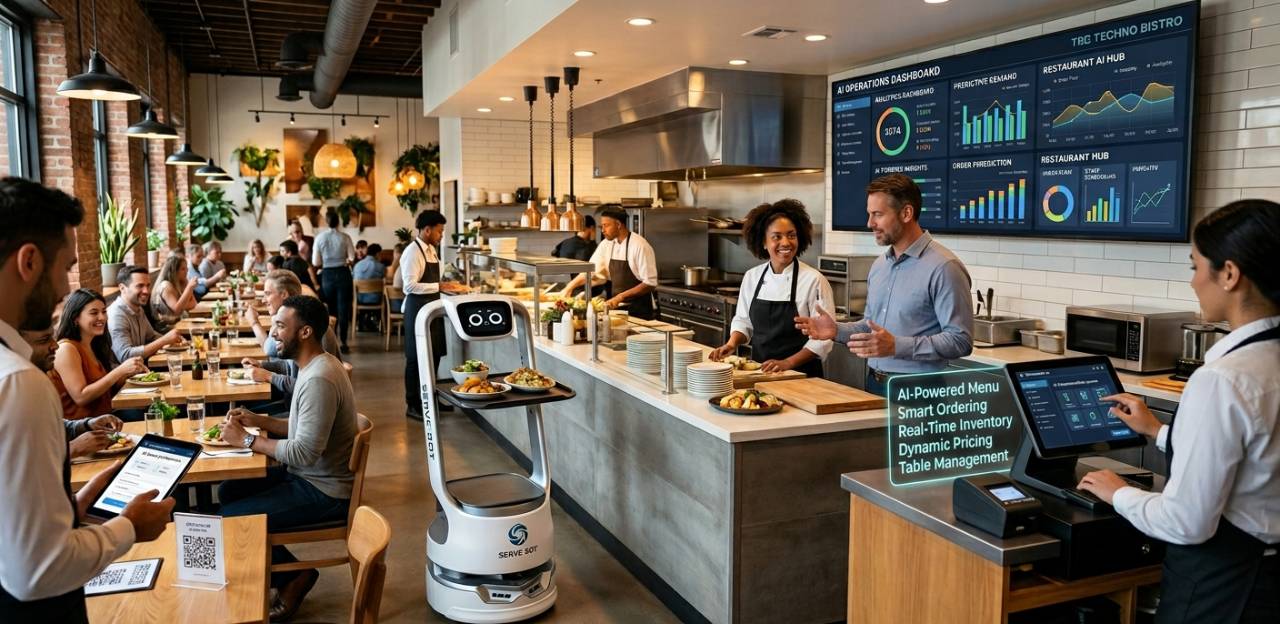
This AI playbook covers restaurant tools for voice ordering, staffing, compliance, menu pricing, inventory, marketing, ChatGPT prompts, and SEO.
May 15, 2026
Hardee’s giant Boddie-Noell inks 31-unit Scooter’s Coffee deal for NC and VA, leveraging drive-thru growth and local roots with rollout over 12–18 months.
May 15, 2026
Wingstop turns match weeks into a multi-sensory festival, aligning bold pop-ups with World Cup energy to build brand affinity and measurable momentum.
May 15, 2026
The parent company behind Dunkin', Buffalo Wild Wings, and Arby's has filed for an IPO a move that could reshape how Wall Street views the restaurant sector.
May 15, 2026
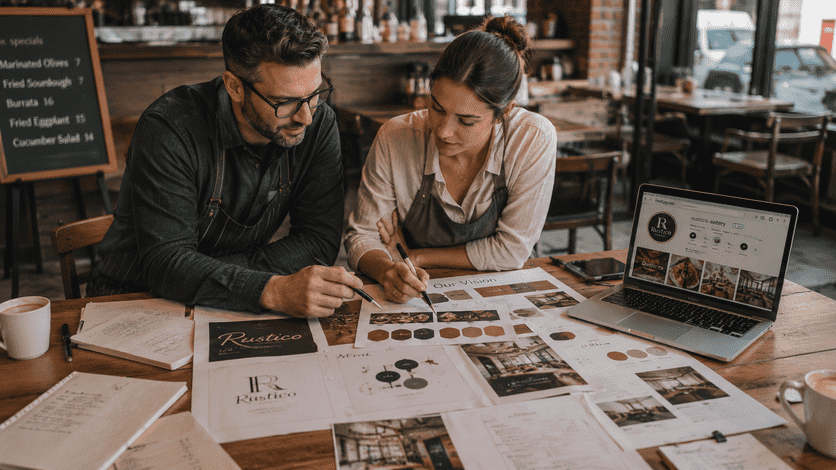
Learn how to develop a memorable restaurant brand identity that stands out in a crowded market, attracts loyal customers, and drives repeat business with actionable strategies and affordable tools.
May 15, 2026
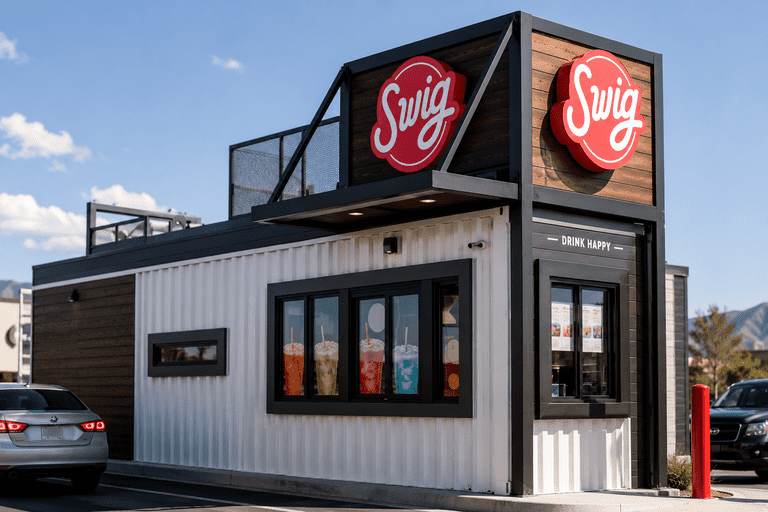
Dirty soda chain Swig is expanding into Colorado through a 10-unit franchise deal, riding a consumer beverage trend that's catching the attention of major QSR players nationwide.
May 15, 2026
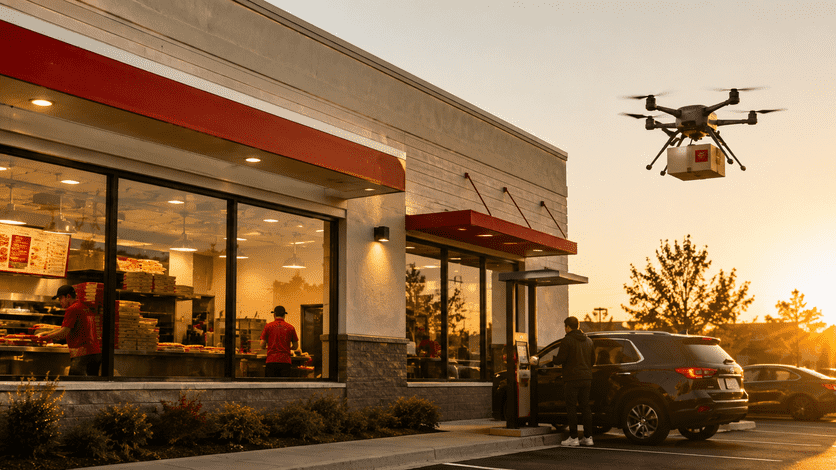
Papa Johns has teamed up with Alphabet's Wing for drone delivery of its new sandwich lineup in parts of Charlotte marking the first partnership of its kind between Wing and a national QSR brand.
May 15, 2026
A warm, expert-led look at McDonald’s Q1 results, menu makeover, and the refranchise question shaping its growth.
May 14, 2026
A reflective look at Habit Ranch, its immersive desert activation, and what it signals for brand loyalty and mindful, experiential dining.
May 14, 2026

Unlock Exclusive Access To Webinars, Events, And The Latest News For Free!
Chipotle accelerates growth with throughput discipline, automation, and a bold international push, outpacing peers and shaping a 2026 plan.
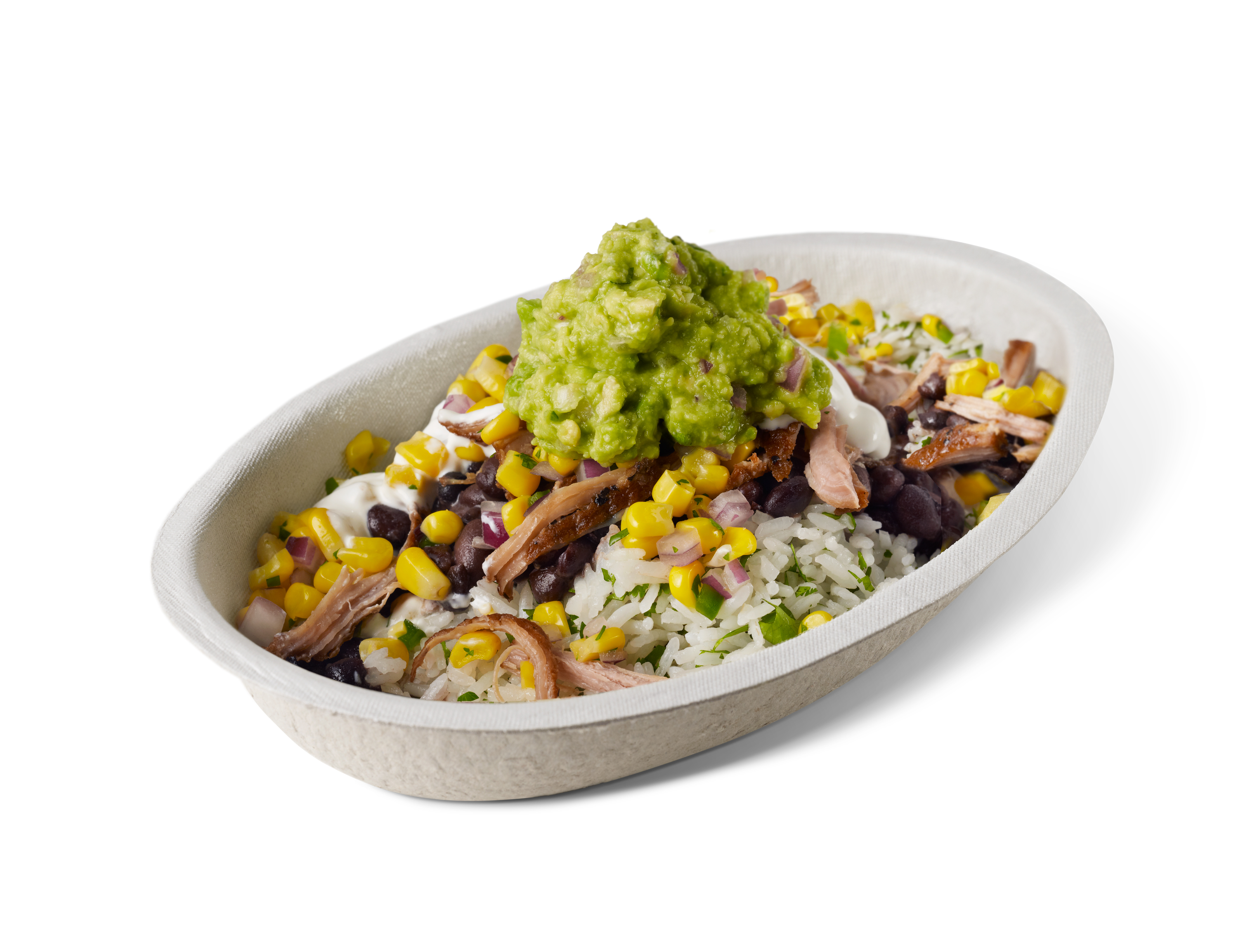
Chipotle sits at the center of a multi-year momentum cycle built on traffic gains, promotional discipline, and a bold tech‑driven expansion plan. In a quarter that echoed the chain’s strongest period in years, 11.1% same‑store sales and 8.7% transaction growth in Q2 2024 outpaced Wall Street expectations and showed demand can outpace pricing when execution is precise. The broader quick‑service sector lagged, underscoring Chipotle’s outperformance within a competitive landscape. High-profile promotions and customer engagement initiatives, including Burrito Vault campaigns with a Double Protein Edition and prizes valued at over $2 million, helped push rewards enrollment toward all‑time highs (membership exceeding 40 million on peak days). This signals a disciplined approach and a growth cadence across channels.
Recipe for Growth remains the compass. Executives stress that pricing power will be reinforced by value messaging and generous portions, all while inflation stays in the frame. The plan is to grow through existing channels and prudent testing of new formats, keeping a steady eye on brand equity as promotions spark trial. The emphasis is on a coherent mix—where promotions drive engagement without eroding long‑term loyalty—so growth compounds rather than sputters out.
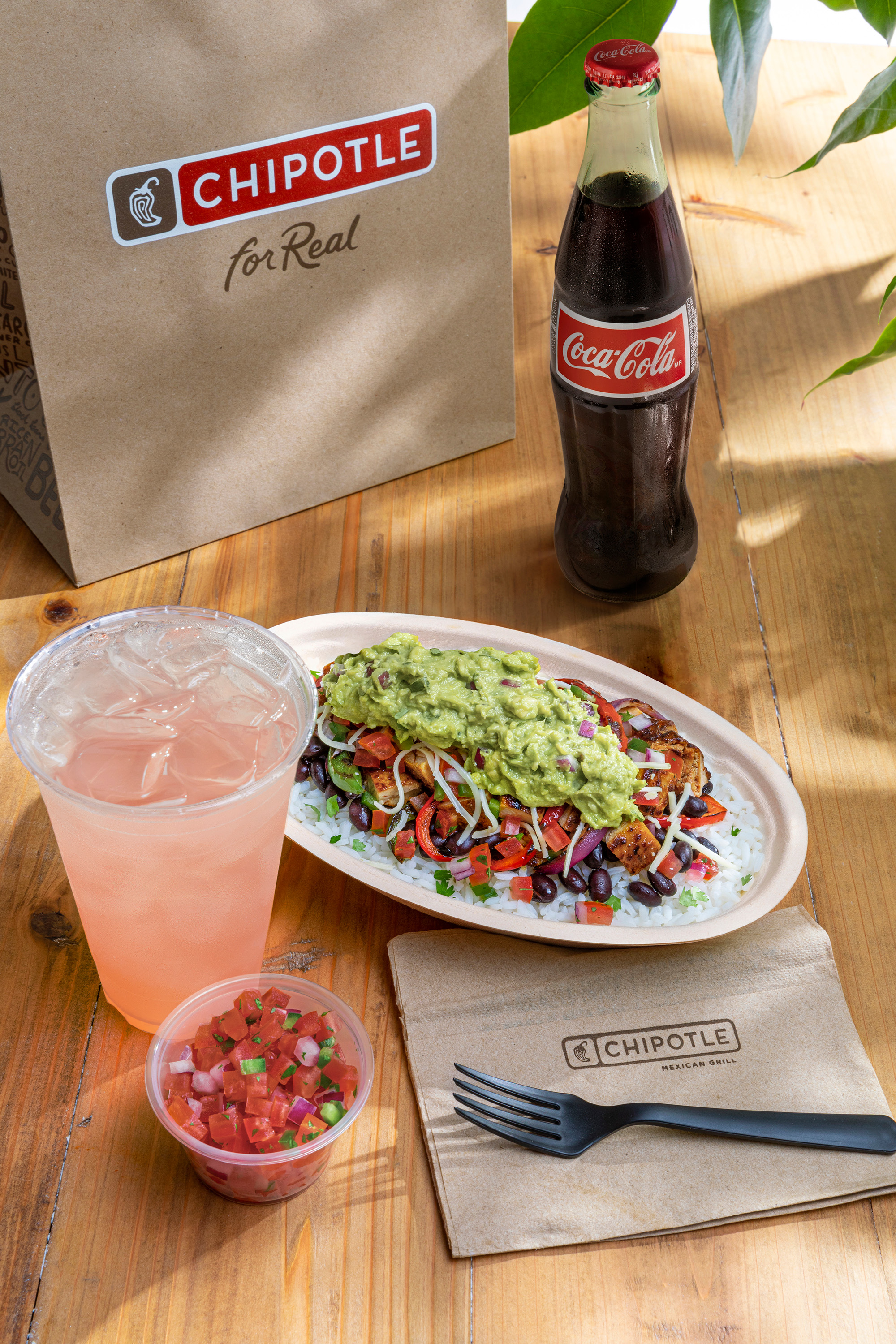
Throughput sits at the core of Chipotle’s operating discipline. The company has pursued a broad program—often referred to in coverage as Project Square One—to rebalance digital and in‑store performance, lifting average unit volumes and speeding service. Real‑time tools monitor entrée volume in 15‑minute windows, with staff scored against throughput targets and celebrated for hitting peaks. In restaurants that optimized staffing and added expeditor roles, throughput improved during rushes, while the makeline and other high‑efficiency equipment moved from pilots to broader testing as Hyphen Makeline and Autocado prototypes enter live operations.
In practice, throughput improvements supported an 8.7% transaction increase and helped drive a mid‑to‑high teens level of throughput in peak windows. Ongoing investments in automation and digital tooling keep this moving, with live testing expanding beyond pilots as Chipotle evaluates broader deployment. The result is a restaurant‑level lift that translates into more meals moving through the line—without sacrificing freshness or consistency.
"generous amount of delicious, fresh food at fair prices for every customer [and] visit." This line captures a central element of Chipotle’s brand promise as it navigates inflation and competitive pressure while continuing to promote generous portions and consistent quality. Executives have asserted that full portions remain a foundational brand commitment, even as feedback prompted retraining in roughly 10% of stores to align with standards. On the international front, Alshaya Group CEO John Hadden celebrated Kuwait as a milestone for Chipotle’s abroad footprint, underscoring the brand’s global ambitions and digital‑first design language in new markets.
Industry coverage echoes a similar sentiment: throughput enhancements, better staff deployment, and training contribute to sustained guest experiences during peak periods. The Kuwait partnership is framed as a milestone in international expansion, while the Gulf region’s digital‑forward approach hints at how the brand plans to scale beyond North America with consistency.
Chipotle’s fiscal discipline and growth ambitions are crystallized in the company’s late‑year results. The release showed a 4.9% rise in total revenue for Q4 2025 to $3.0 billion and a full‑year revenue of $11.9 billion, with operating margin for the full year at 16.2% and restaurant‑level margins at 25.4%. Openings were robust: the company opened 132 company‑owned restaurants in Q4 2025, including 97 locations with a Chipotlane, and 11 international partner‑operated restaurants; across the year, Chipotle opened 334 company‑owned restaurants (including 257 with a Chipotlane) and added 14 international partner locations.
Looking ahead, the plan for 2026 calls for 350 to 370 new openings, with about 80% featuring Chipotlanes, and full‑year comparable restaurant sales projected to stay roughly flat. Management also signaled continued investment in technology and international growth, with a 2026 tax rate outlook in the mid‑20s and ongoing emphasis on digital, delivery, and remodel initiatives.
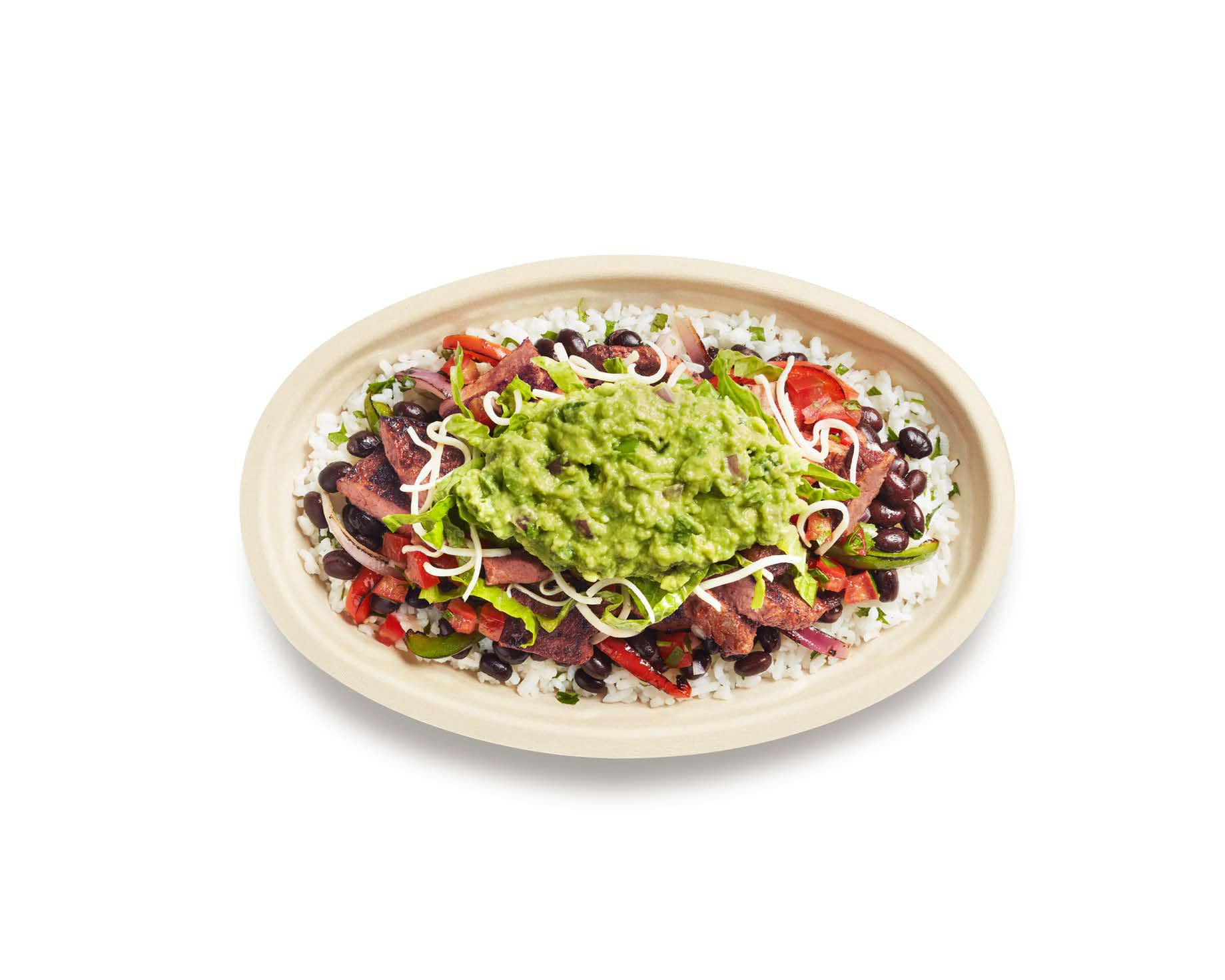
Chipotle’s international push gained momentum in 2025 with notable milestones: the Alshaya Group opened Chipotle’s first licensed restaurant in Kuwait, marking the brand’s first licensed international unit in a decade, and Alshaya has since continued to expand Chipotle’s footprint in the Gulf with a digital‑forward design language strategy. The Kuwait launch signaled appetite for growth outside North America. In another major development, Chipotle signed a development agreement with Alsea to bring the concept to Mexico, with the expectation of launching the first Mexican location by early 2026. These moves blend company‑owned and partner‑operated formats while leaning on Chipotlanes to boost throughput and guest access.
Taken together, the footprint expansion complements a disciplined margin story: growth through international markets, an emphasis on digital channels, and throughput optimization at scale. The Kuwait and Mexico plays aren’t detours; they’re components of a broader plan to balance value, efficiency, and reach in a fast‑growing, competitive landscape.