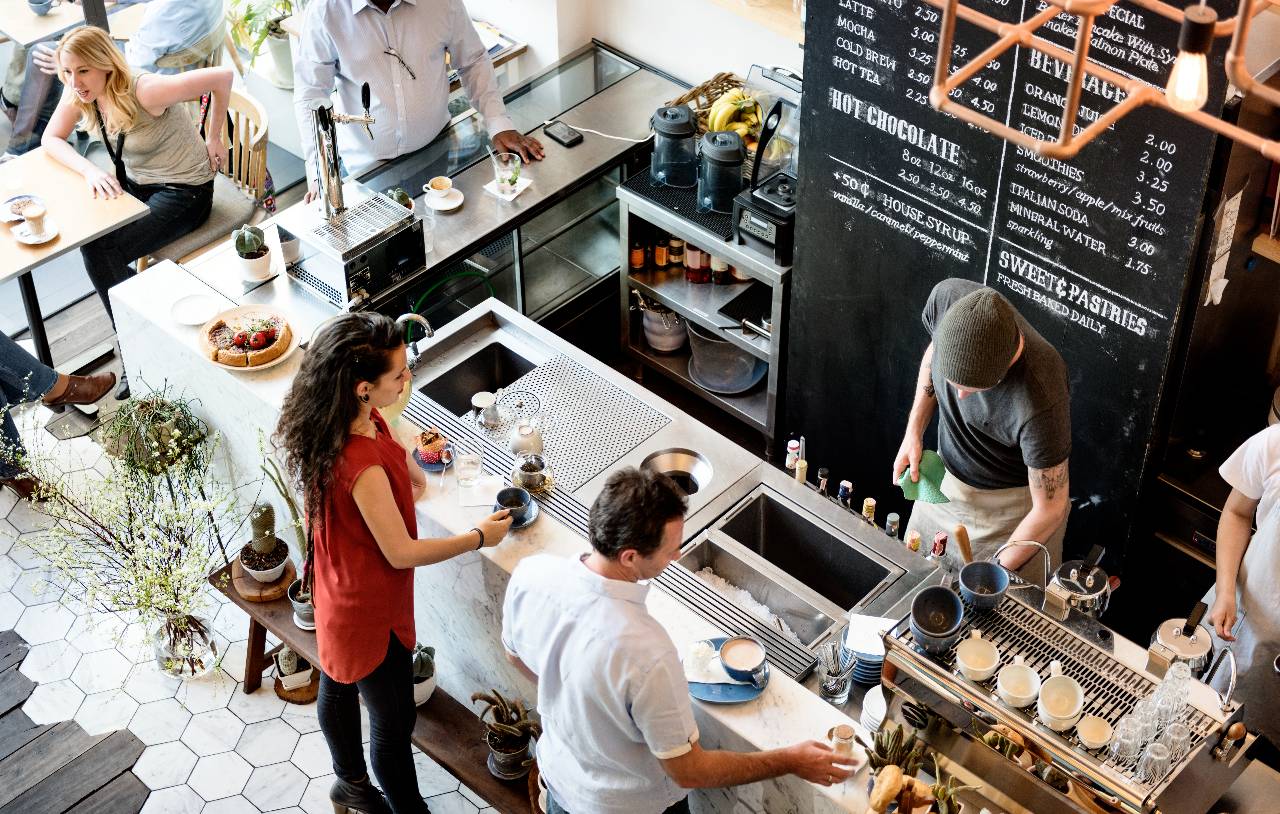
How Much Does It Cost to Open a Coffee Shop in 2026?
Opening a coffee shop in 2026 requires careful cost planning across rent, equipment, labor, technology, menu strategy, marketing, and sustainability.
operations
May 15, 2026
Opening a coffee shop in 2026 requires careful cost planning across rent, equipment, labor, technology, menu strategy, marketing, and sustainability.
May 15, 2026
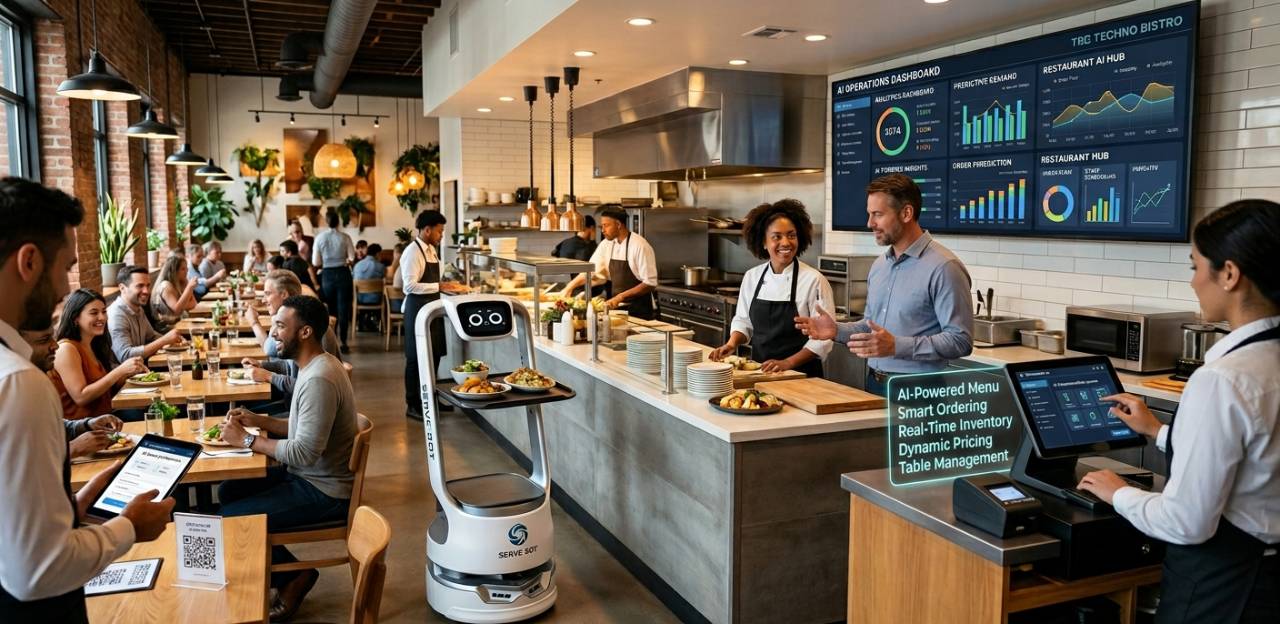
This AI playbook covers restaurant tools for voice ordering, staffing, compliance, menu pricing, inventory, marketing, ChatGPT prompts, and SEO.
May 15, 2026
Hardee’s giant Boddie-Noell inks 31-unit Scooter’s Coffee deal for NC and VA, leveraging drive-thru growth and local roots with rollout over 12–18 months.
May 15, 2026
Wingstop turns match weeks into a multi-sensory festival, aligning bold pop-ups with World Cup energy to build brand affinity and measurable momentum.
May 15, 2026
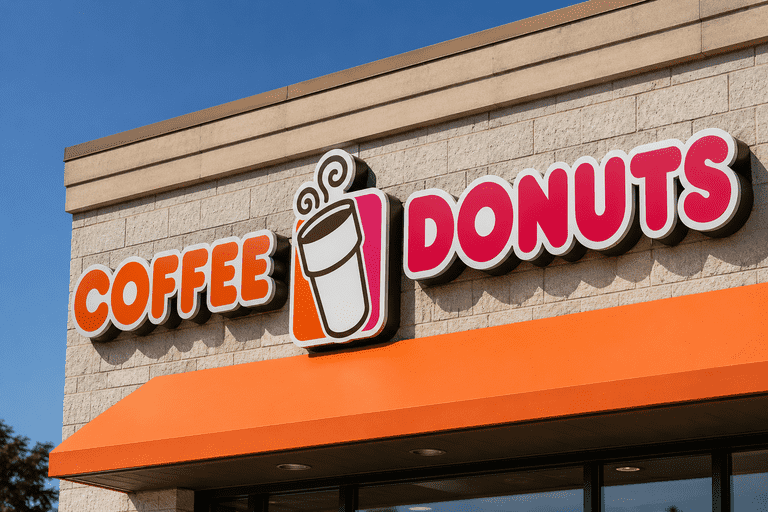
The parent company behind Dunkin', Buffalo Wild Wings, and Arby's has filed for an IPO a move that could reshape how Wall Street views the restaurant sector.
May 15, 2026

Learn how to develop a memorable restaurant brand identity that stands out in a crowded market, attracts loyal customers, and drives repeat business with actionable strategies and affordable tools.
May 15, 2026
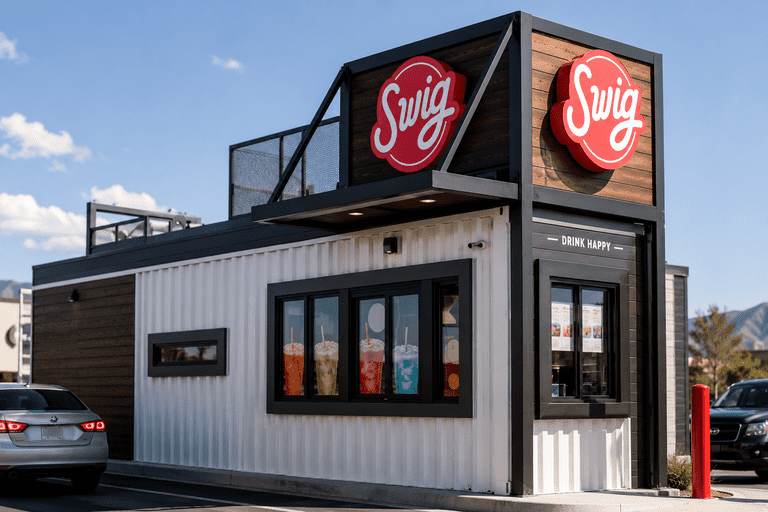
Dirty soda chain Swig is expanding into Colorado through a 10-unit franchise deal, riding a consumer beverage trend that's catching the attention of major QSR players nationwide.
May 15, 2026
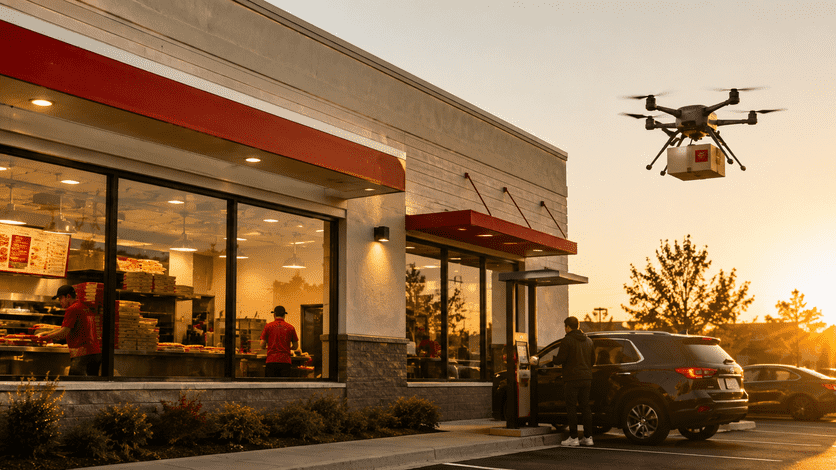
Papa Johns has teamed up with Alphabet's Wing for drone delivery of its new sandwich lineup in parts of Charlotte marking the first partnership of its kind between Wing and a national QSR brand.
May 15, 2026
A warm, expert-led look at McDonald’s Q1 results, menu makeover, and the refranchise question shaping its growth.
May 14, 2026
A reflective look at Habit Ranch, its immersive desert activation, and what it signals for brand loyalty and mindful, experiential dining.
May 14, 2026

Unlock Exclusive Access To Webinars, Events, And The Latest News For Free!
Chipotle opens its first Dubai restaurant via Alshaya, signaling a franchise-led expansion into the UAE and the Middle East, with Kuwait as a prelude.
Photo by ALLAN LAINEZ
Dubai has long presided over a dining theatre where global brands audition their most refined notes of hospitality. It is here, at The Beach in Jumeirah Beach Residence, that Chipotle chooses to unveil its latest overture to the world: a 6,000-square-foot restaurant designed to echo the city’s appetite for ambitious concepts and late dining. The setting—sunlit promenades, breezy terraces, and a cosmopolitan cadence—transforms a simple burrito concept into a piece of living theatre. The partnership with Alshaya Group lends a seasoned conductor to the orchestra of growth, aligning a global fast-casual model with a region prized for discerning tastes. And all around, the narrative leans toward momentum: a gateway, a debut, a new chapter. What follows is a carefully choreographed rollout.
On the ground, the Dubai location asserts a tangible scale: more than 6,000 square feet of dining space anchored at The Beach, JBR, where hours run from 10 a.m. to midnight on weekdays and extend to 1 a.m. on weekends. A second site is already in the wings, planned for Dubai Hills Mall in the coming months, signaling a rapid local cadence. This Dubai debut is notable as Chipotle's first entry into a new country in more than a decade, following its Kuwait move that has already begun to unfold with two outlets. The Kuwait example sits alongside a broader, franchise-led strategy to extend the brand across the Gulf.
Foundations of a regional push unfold in the form of a landmark milestone: Chipotle's first-ever franchise agreement, signed in July 2023. The pact reframes the brand’s expansion from company-owned stores to a system that leverages local know-how as a catalyst for speed. The goal is not merely to plant a flag in Dubai and Kuwait; it is to map a route through the Middle East that can sustain growth through partners who know the terrain. In this arrangement, Alshaya Group brings a regional backbone—retail networks, real estate channels, and operating instinct—turning a foreign concept into a familiar experience.
Alshaya's footprint across the Middle East, North Africa, Turkey, and Europe provides a mature runway for Chipotle’s ascent. The company has already opened two restaurants in Kuwait and is moving swiftly with the Dubai launch, with additional sites in the pipeline. According to Chipotle's official development materials, the collaboration illustrates a tailored approach to win over Middle Eastern consumers by pairing local know-how with a brand built on ingredient transparency.
How the Dubai rollout takes shape unfolds like a carefully staged tasting menu: expansion by development agreements rather than by company-owned growth, a model that favours speed and local adaptation. In Dubai, the plan is to harness Alshaya's regional infrastructure to scale quickly, while keeping a tight lid on standards that define Chipotle's identity. The Dubai Hills Mall project hints at a broader pipeline across the UAE and the Gulf, with Dubai positioned as a gateway to the broader GCC market.
Evidence of the path forward is visible in the pace and scope of the rollout: Kuwait’s two openings established a foothold, while Dubai’s flagship and the forthcoming Dubai Hills Mall site anchor a broader pipeline. The approach aims to standardize processes through development agreements that relinquish some control but foreground supply-chain discipline, brand-standards, and local customization oriented to regional tastes. The Gulf’s appetite for quick-service concepts makes this a pivotal test case for scale, and the Dubai footprint is the proof of concept the company has been pursuing.
Reactions from leaders and stakeholders emerge with a note of cautious optimism. We are thrilled by the overwhelmingly positive reception to Chipotle’s ingredients in Kuwait and hope to see similar enthusiasm at our JBR restaurant. said Nate Lawton, Chipotle’s chief business development officer. He credits the Alshaya partnership for reinforcing a philosophy to cultivate a better world as a differentiator in these new markets. Early results in Kuwait have exceeded expectations, and the brand is now one of the top performing brands in the group’s portfolio. echoed John Hadden, CEO of Alshaya Group. The cadence of praise signals an energy around the entry that observers are watching closely.
Independent momentum is evident from outlets confirming Kuwait’s status as Chipotle’s first international franchised location, with Kuwait City opening in April and a second Kuwait site following last month. The regional chatter aligns with Chipotle’s measured but rapid cadence, a pattern that leans on a partner with a proven regional spine.
Implications for the UAE and the region unfold as Dubai rises as a regional hub for Chipotle’s ambitions. The Alshaya partnership, anchored by a first-ever development agreement, offers a framework to leverage local networks, supply streams, and consumer familiarity with global brands. Dubai’s dynamic dining scene and its role as gateway to the Gulf create a fertile ground for Chipotle’s growth—provided the menu, sourcing, and service standards resonate with local tastes. The collaboration’s stated intent to extend beyond Dubai and Kuwait hints at a longer-term strategy to normalize Chipotle as a regional option, with Dubai serving as a test bed for franchising and experiential branding.
Regional outlook suggests a broader arc: the Gulf as both market and model, where speed, quality, and localization must coexist. If Chipotle can sustain ingredient integrity while embracing regional customization, the Middle East may become more than a stop along a map—it could become a sustained chapter in a global narrative, shaping how brands approach franchising and experiential branding across the Gulf.