How Much Does It Cost to Open a Coffee Shop in 2026?
Opening a coffee shop in 2026 requires careful cost planning across rent, equipment, labor, technology, menu strategy, marketing, and sustainability.
operations
May 15, 2026
Opening a coffee shop in 2026 requires careful cost planning across rent, equipment, labor, technology, menu strategy, marketing, and sustainability.
May 15, 2026

This AI playbook covers restaurant tools for voice ordering, staffing, compliance, menu pricing, inventory, marketing, ChatGPT prompts, and SEO.
May 15, 2026

Hardee’s giant Boddie-Noell inks 31-unit Scooter’s Coffee deal for NC and VA, leveraging drive-thru growth and local roots with rollout over 12–18 months.
May 15, 2026

Wingstop turns match weeks into a multi-sensory festival, aligning bold pop-ups with World Cup energy to build brand affinity and measurable momentum.
May 15, 2026

The parent company behind Dunkin', Buffalo Wild Wings, and Arby's has filed for an IPO a move that could reshape how Wall Street views the restaurant sector.
May 15, 2026

Learn how to develop a memorable restaurant brand identity that stands out in a crowded market, attracts loyal customers, and drives repeat business with actionable strategies and affordable tools.
May 15, 2026

Dirty soda chain Swig is expanding into Colorado through a 10-unit franchise deal, riding a consumer beverage trend that's catching the attention of major QSR players nationwide.
May 15, 2026

Papa Johns has teamed up with Alphabet's Wing for drone delivery of its new sandwich lineup in parts of Charlotte marking the first partnership of its kind between Wing and a national QSR brand.
May 15, 2026

A warm, expert-led look at McDonald’s Q1 results, menu makeover, and the refranchise question shaping its growth.
May 14, 2026

A reflective look at Habit Ranch, its immersive desert activation, and what it signals for brand loyalty and mindful, experiential dining.
May 14, 2026

Unlock Exclusive Access To Webinars, Events, And The Latest News For Free!
Chipotle tests robotic makelines and avocado cobots to boost throughput while preserving safety and brand standards.
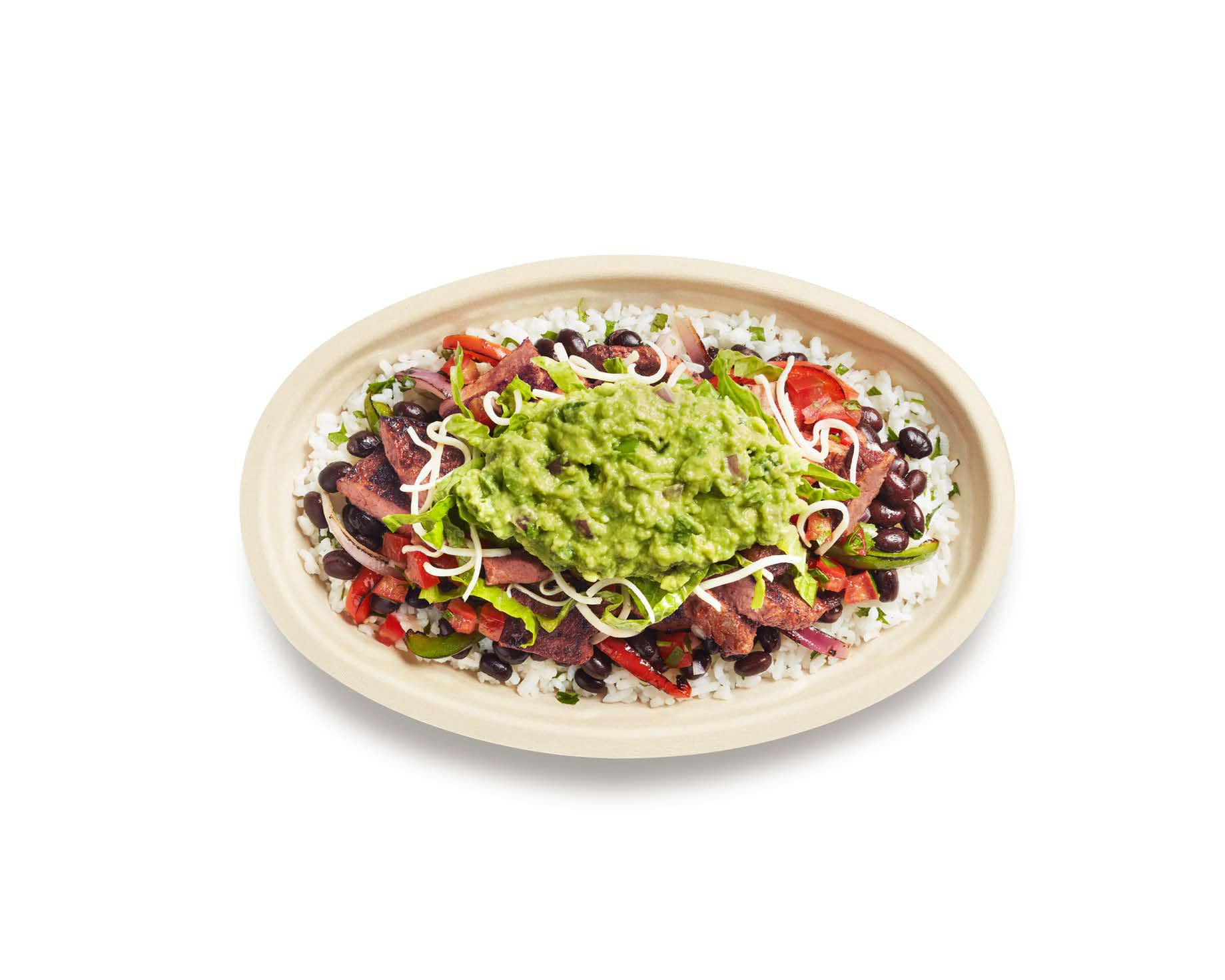
Chipotle is pushing cobotics into real kitchens, turning a bold idea into a working story. A promotional video shows dramatic makeline moves, inviting public questions about safety in a high-volume setting. The leadership frames the process as rigorous: safety, cleaning, speed, and accuracy are design anchors. Automation is pitched as an augmentation, not a replacement for the kitchen’s craft. As tests move from lab to line, the dialogue centers on maintaining cleanliness and culinary standards while chasing throughput. The kitchen becomes a proving ground, and the clock is the judge.
Brian Niccol framed the safety question in earnings discussions. He noted that the design integrates safety benchmarks alongside cleaning, speed and accuracy, a stance built to keep operations humane and food-safe. “Our food safety and operation teams have worked closely with our technology teams to assure that the design takes into account things like cleaning, speed and accuracy.” The emphasis on safety, paired with culinary standards, positions cobotics as an partner to the kitchen rather than a threat. Chipotle argues that cobots take on repetitive or high-volume subtasks, freeing crews to focus on hospitality and quality assurance. The plan unfolds in stages, with live tests intended to preserve brand integrity while expanding capability.
Bottom line: the aim is to protect operational integrity and the brand’s reputation for cleanliness even as automation accelerates. If the balance wobbles, shoppers notice. If it holds, Chipotle wins on speed without sacrificing taste.
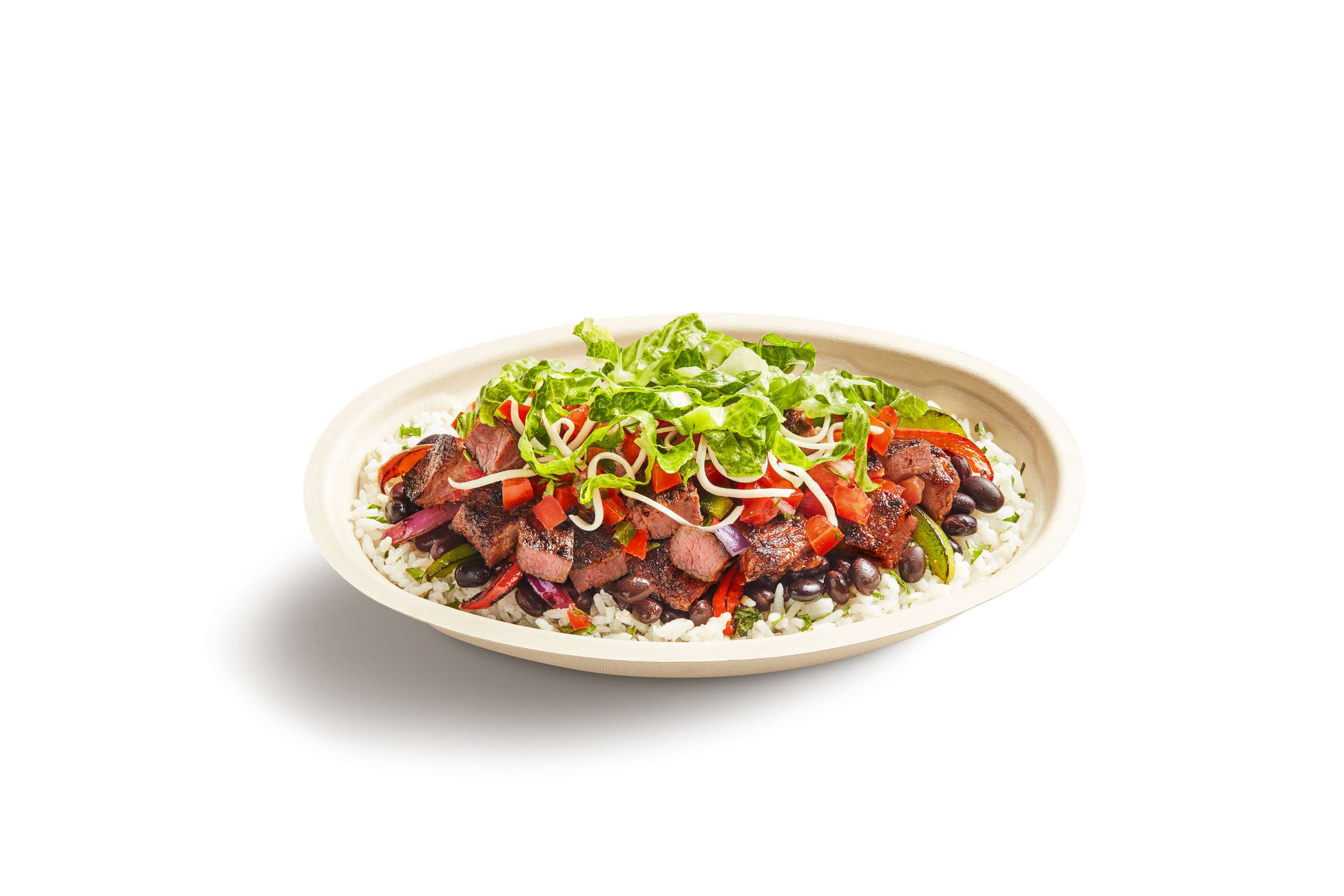
Cultivate Next Fund is Chipotle’s long-range bet on kitchen automation. Launched in 2022 with an initial $50 million to back startups that could reshape restaurant operations, the fund has since grown to a $100 million commitment. The portfolio includes Hyphen, the autonomous makeline, and Autocado, the avocado-prep cobot, signaling a broad push into back‑of‑house efficiency. Public disclosures note that Cultivate Next began with a seed-to-Series B focus, a pattern Chipotle has repeated with later bets. Beyond funding, the strategy covers equipment upgrades—Autocado, a veggie slicer, a dual‑sided grill, and modifications to rice cookers and fryers—that put more automation into everyday prep while safeguarding quality.
On the deal side, Autocado’s path intersected with the larger industry move when Serve Robotics announced its acquisition of Vebu’s Autocado business in late 2024. Buck Jordan, Vebu’s founder, joined Serve Robotics as senior vice president of Kitchen Automation and will continue to lead Autocado’s development. Chipotle pressed ahead with live testing of Autocado and Hyphen’s Makeline in California locations, moving through a staged, stage-gate process toward broader deployment as performance accrues.
Autocado and Hyphen Makeline are no longer classroom toys: they’ve moved into real restaurant tests. Autocado demonstrates avocado prep with a claimed 26‑second cycle for cutting, coring and peeling before the fruit heads to mashing for guacamole. Hyphen’s Makeline assembles bowls and salads for digital orders, designed to free crew time while preserving consistency. Both systems progressed from controlled testing to live operation in California, under a staged approach that lets Chipotle measure throughput, reliability, and the impact on guest experience.
“There’s a lot of things going on back at house to make us more effective culinary-wise, prep-wise, which then sets us up to be successful consistently,” Hartung said, outlining how ongoing equipment tweaks and process tweaks aim to raise throughput without sacrificing quality. The practical frontier, he suggested, lies in balancing the speed of automation with the careful hands that define Chipotle’s food standards.
Industry Reactions to Chipotle’s cobots have mirrored the tension that greets any bold tech move in hospitality: speed and efficiency versus safety, jobs, and guest experience. Observers note the gains in throughput and consistency while insisting the prototypes remain pilots, subject to refinement before any broad rollout. Company leaders repeatedly frame cobotics as tools that handle repetitive or high‑volume subtasks, letting human crews focus on hospitality and quality assurance.
“There’s a lot of things going on back at house to make us more effective culinary-wise, prep-wise, which then sets us up to be successful consistently,” Hartung told NRN, underscoring how the technology’s value rests in supporting the kitchen, not replacing it. Public coverage has framed the prototypes as real-world tests, not final solutions, and analysts will be watching how pilots translate into measurable gains.
Looking Ahead chips the automation narrative into a broader industry arc. Chipotle’s approach—layering back‑of‑house upgrades with cobots and founder-level funding through Cultivate Next—offers a template for balancing labor with intelligent machines while guarding culinary standards. The portfolio and partnerships—Hyphen, Vebu, and others such as Local Line—signal a push to scale automation as a core capability in a growing footprint.
As Chipotle pursues a path to roughly 7,000 stores and a major rollout of Chipotlanes, the real test will be whether cobotics deliver sustained throughput and profitability without eroding guest experience. The industry will watch how the Cultivate Next bets translate into tangible gains in efficiency and consistency as the expansion accelerates.