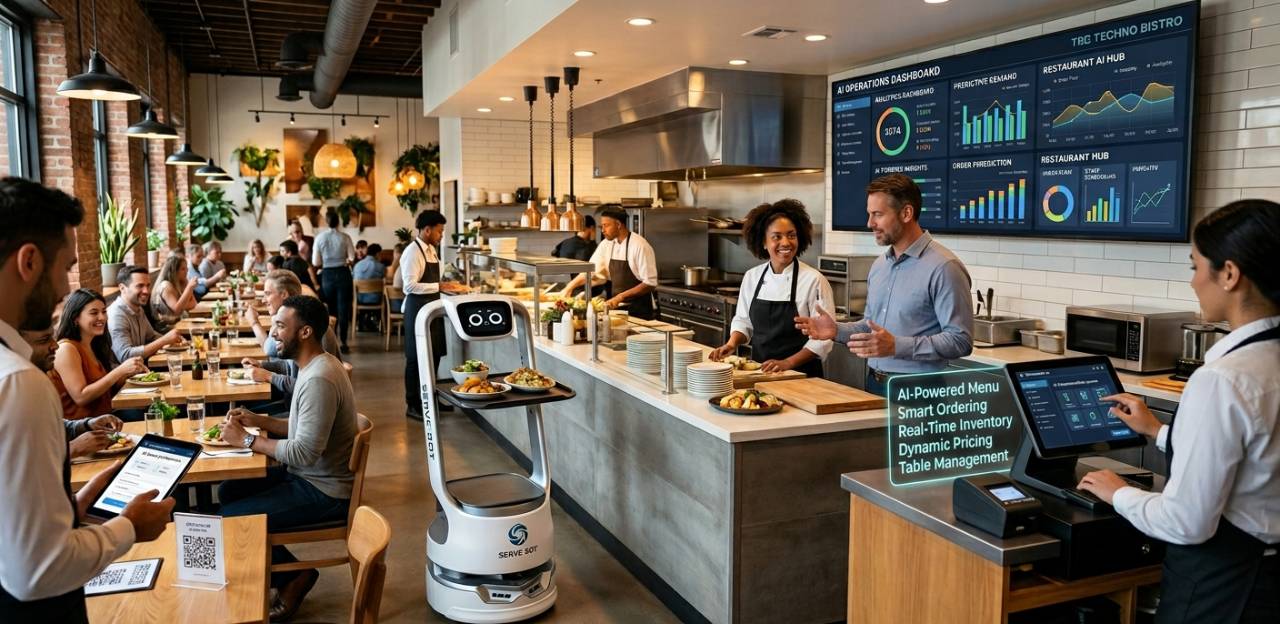
AI Playbook for Restaurant Owners
This AI playbook covers restaurant tools for voice ordering, staffing, compliance, menu pricing, inventory, marketing, ChatGPT prompts, and SEO.
tech
May 15, 2026
This AI playbook covers restaurant tools for voice ordering, staffing, compliance, menu pricing, inventory, marketing, ChatGPT prompts, and SEO.
May 15, 2026
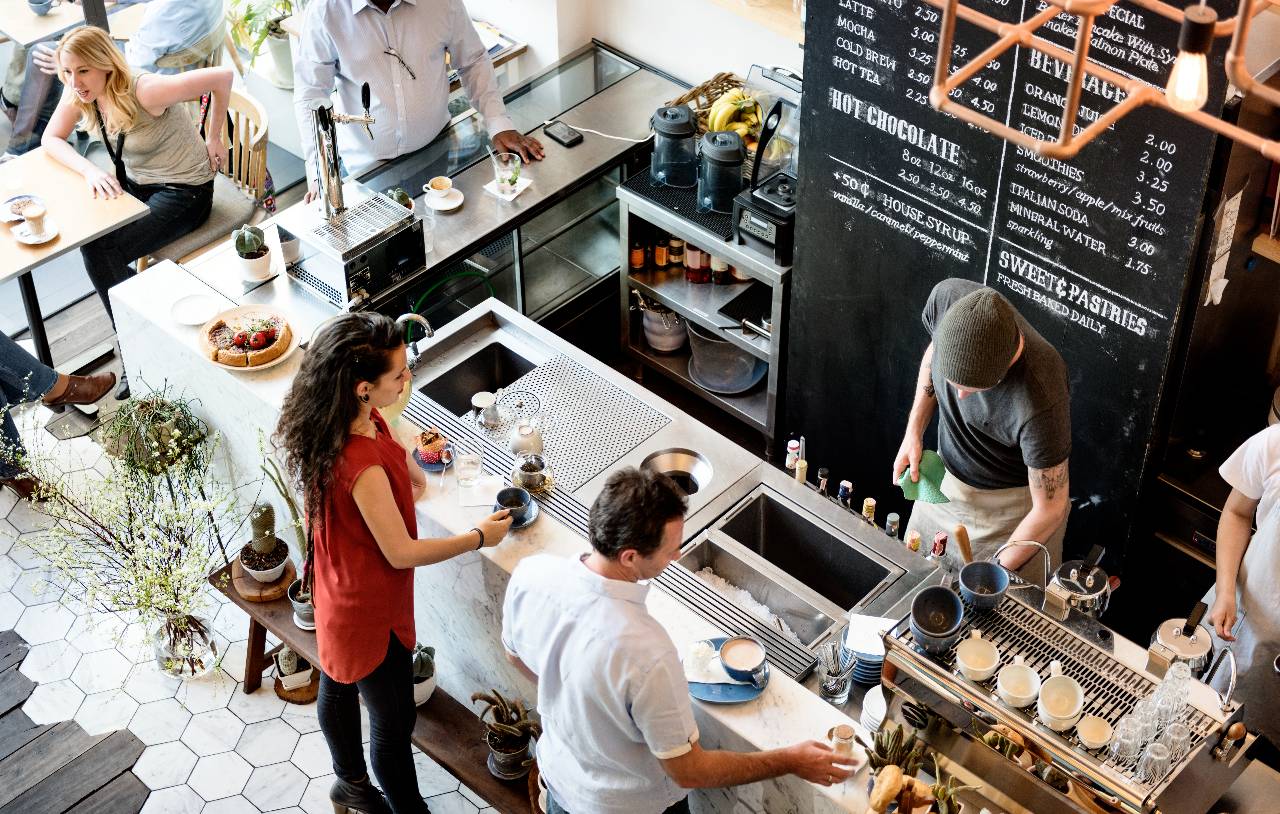
Opening a coffee shop in 2026 requires careful cost planning across rent, equipment, labor, technology, menu strategy, marketing, and sustainability.
May 15, 2026
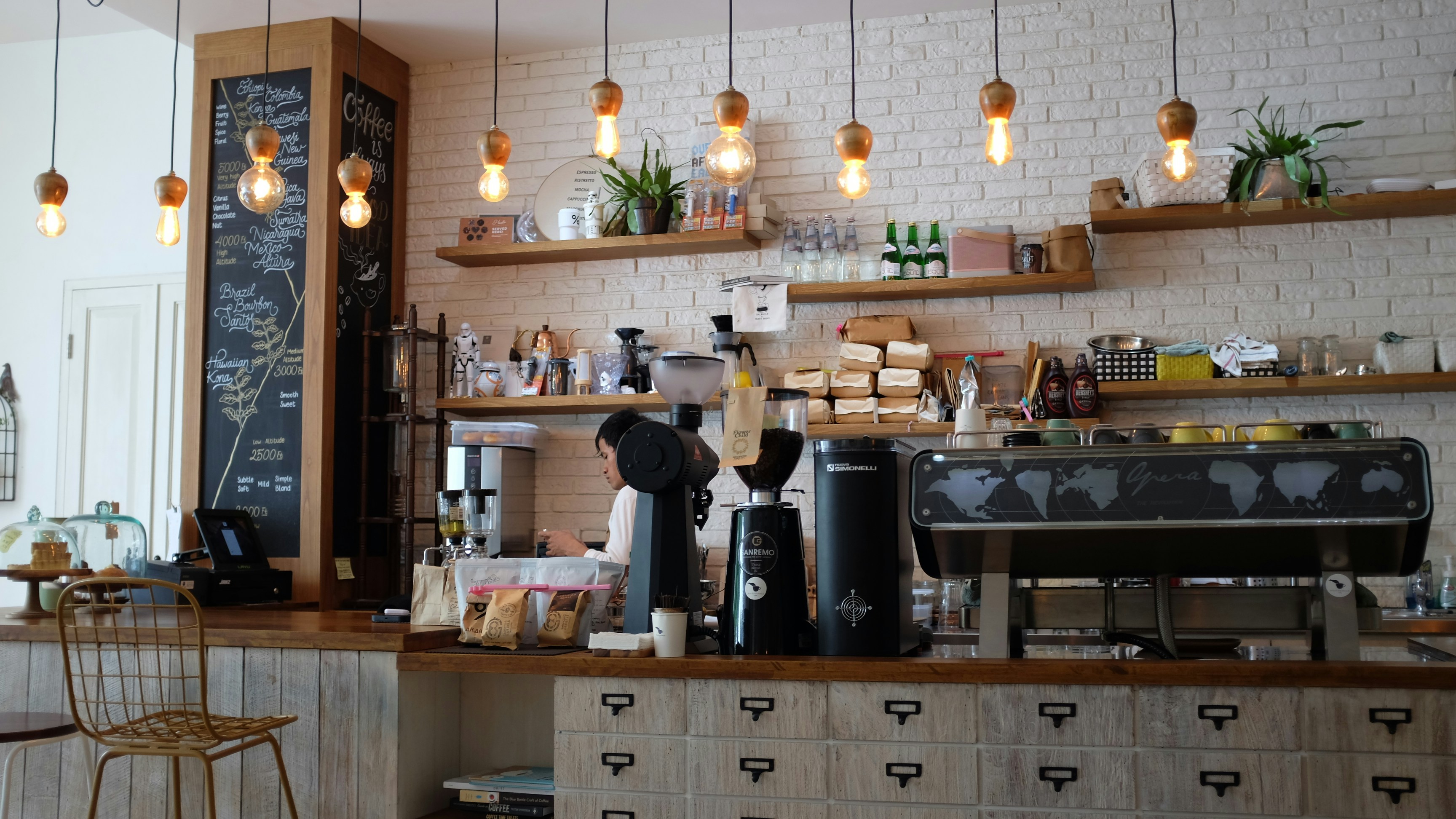
Hardee’s giant Boddie-Noell inks 31-unit Scooter’s Coffee deal for NC and VA, leveraging drive-thru growth and local roots with rollout over 12–18 months.
May 15, 2026
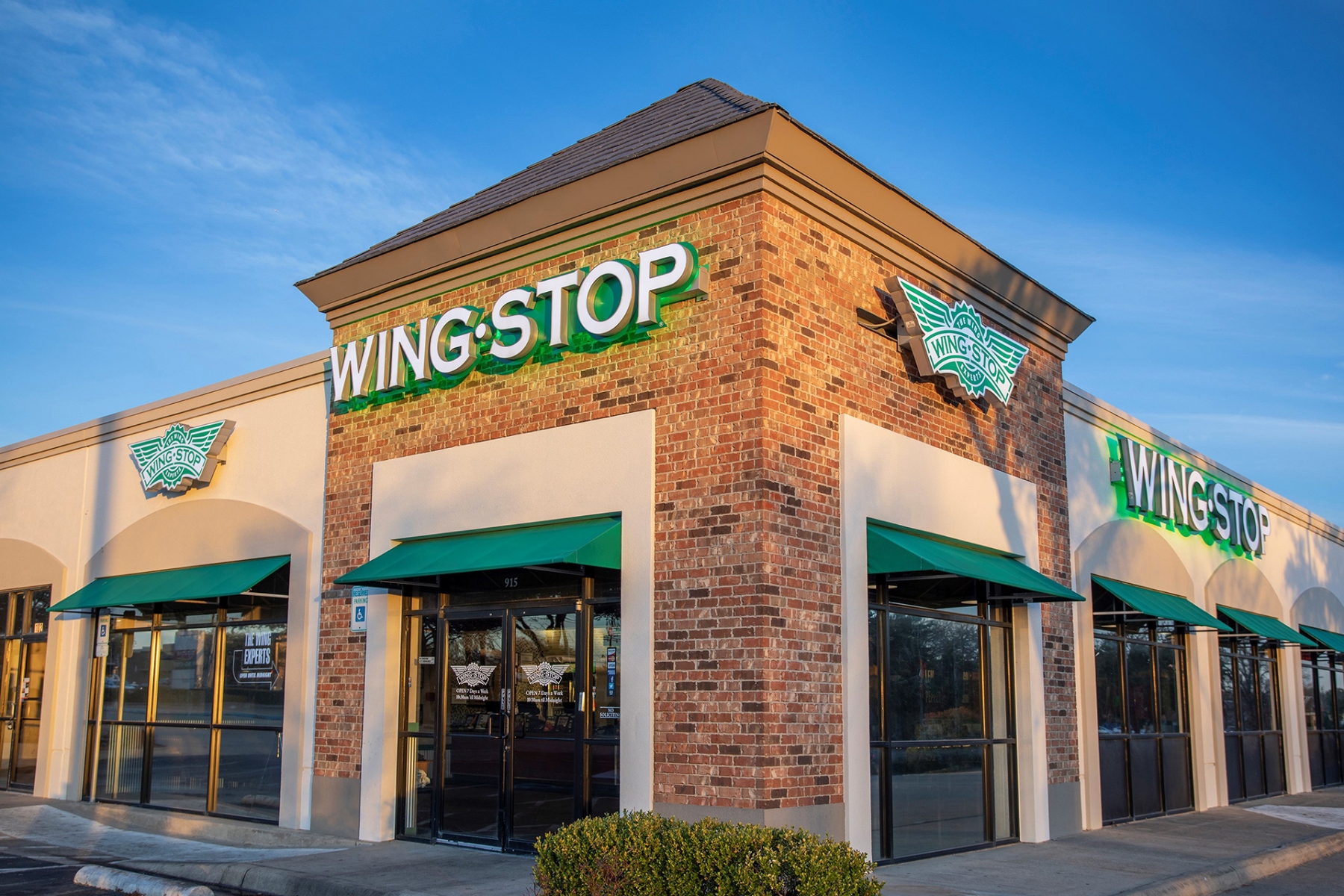
Wingstop turns match weeks into a multi-sensory festival, aligning bold pop-ups with World Cup energy to build brand affinity and measurable momentum.
May 15, 2026
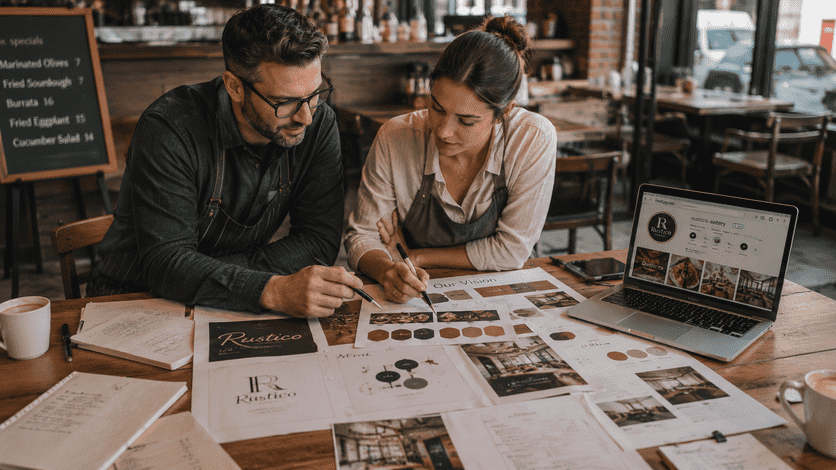
Learn how to develop a memorable restaurant brand identity that stands out in a crowded market, attracts loyal customers, and drives repeat business with actionable strategies and affordable tools.
May 15, 2026
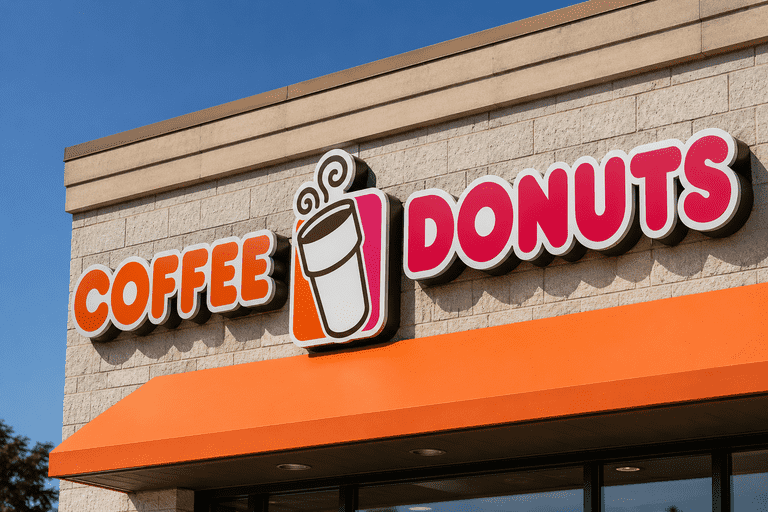
The parent company behind Dunkin', Buffalo Wild Wings, and Arby's has filed for an IPO a move that could reshape how Wall Street views the restaurant sector.
May 15, 2026
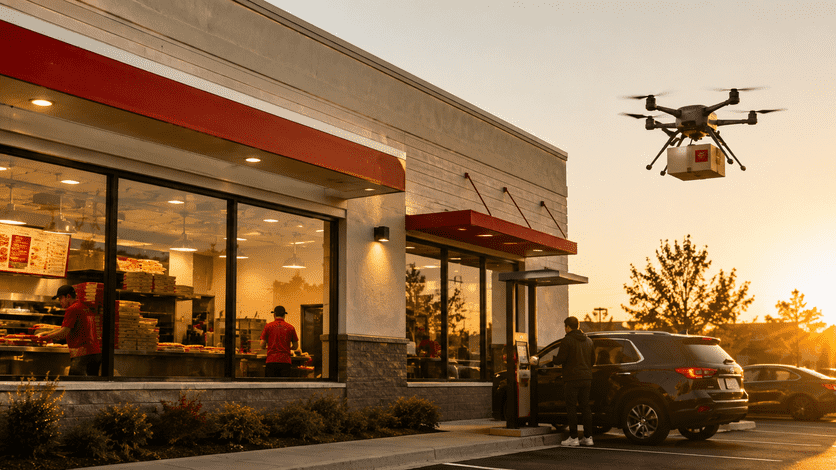
Papa Johns has teamed up with Alphabet's Wing for drone delivery of its new sandwich lineup in parts of Charlotte marking the first partnership of its kind between Wing and a national QSR brand.
May 15, 2026
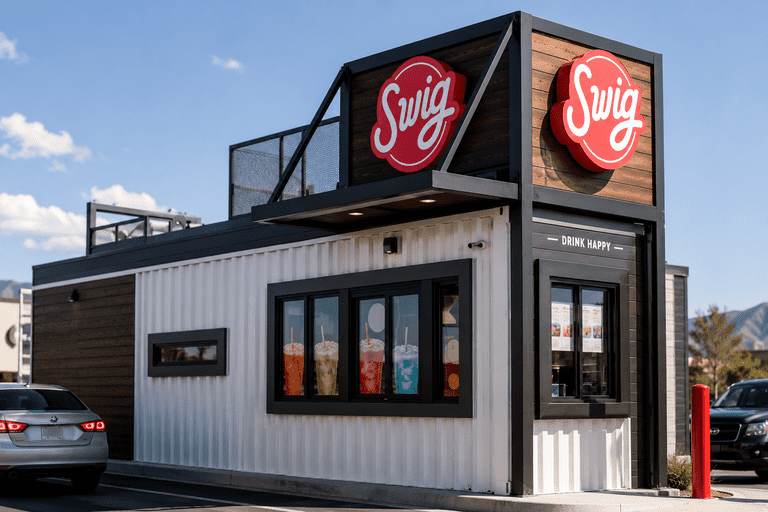
Dirty soda chain Swig is expanding into Colorado through a 10-unit franchise deal, riding a consumer beverage trend that's catching the attention of major QSR players nationwide.
May 15, 2026
A warm, expert-led look at McDonald’s Q1 results, menu makeover, and the refranchise question shaping its growth.
May 14, 2026
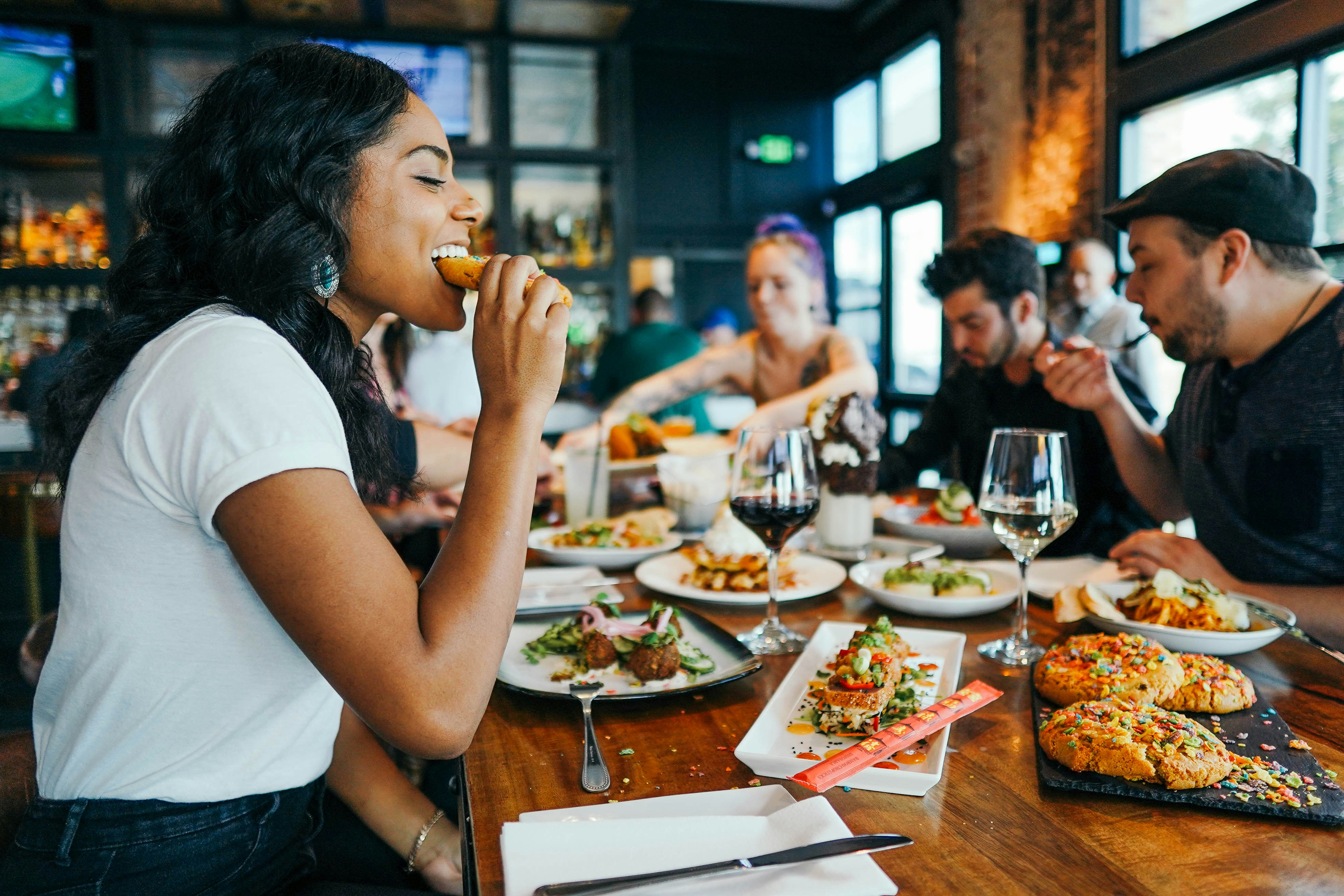
A reflective look at Habit Ranch, its immersive desert activation, and what it signals for brand loyalty and mindful, experiential dining.
May 14, 2026

Unlock Exclusive Access To Webinars, Events, And The Latest News For Free!
Chipotle leans into burrito-season demand with throughput boosts, Chipotlanes and digital orders to turn seasonal peaks into durable growth.
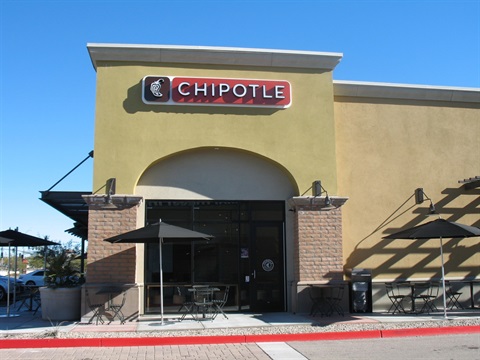
Chipotle isn't chasing a trend so much as a tempo. Spring signals more than flowers in the fast-casual world. For burrito season—the March through May window—it's a scheduled sprint. The season has long been a reliable lift, a period when foot traffic lifts into higher gear and digital orders spike. In the second quarter, the trend line looked clean enough to call a rebound, even as broader inflation and post-pandemic quirks keep forecasting tricky. This isn’t luck. It’s a rhythm the brand has learned to lean into, turning seasonal heat into momentum that can carry into the next quarter. The stage is set, and the clock is aligned with menus, promotions, and people: burritos first, always.
During the quarter, total revenue reached about $3.1 billion, while comparable restaurant sales declined -4.0% as transactions fell, offset by a small rise in average check and a growing digital mix. Chipotle opened 61 company-owned restaurants this period, including 47 with Chipotlanes, part of a deliberate capacity push to meet peak-season demand. On National Burrito Day (April 4), the brand reported its highest-grossing sales and digital-day performance of the year, while Chipotle Rewards enrollments surged. Management linked promotions and menu innovations to drawing in both new and returning guests, amplifying seasonal momentum.
Behind the outcome lies a clear philosophy: seasonality shapes throughput. Chipotle has repeatedly stressed that burrito season offers predictable demand, letting leadership align staffing, inventory, and promotions. In the quarter, the company highlighted investments in throughput and digital enablement, noting that Chipotlanes and better guest access contributed to margins even as traffic fluctuated. The company opened 61 company-owned restaurants, including 47 with Chipotlanes, signaling a deliberate capacity expansion to sustain peak-season volumes. Digital sales remained a meaningful channel, moving higher as off-premise and app orders grow.
These signals show how Chipotle translates seasonal expectations into scalable operations. The mix of higher unit capacity and digital ordering helps the firm weather traffic swings while preserving profitability. The Burrito-season window becomes a testbed for expanding margins through faster service, improved guest access, and better throughput. The focus on store formats and Chipotlanes illustrates how physical and digital networks combine to support peak-season demand across the U.S. footprint and international markets, turning a predictable period into a durable growth engine.
In short, the season isn’t just about more sales—it's about smarter capacity. If staffing and inventory can anticipate the rush, margins can hold even as macro pressures linger. The burrito-season cadence is a big win when backed by a scalable, tech-enabled model.
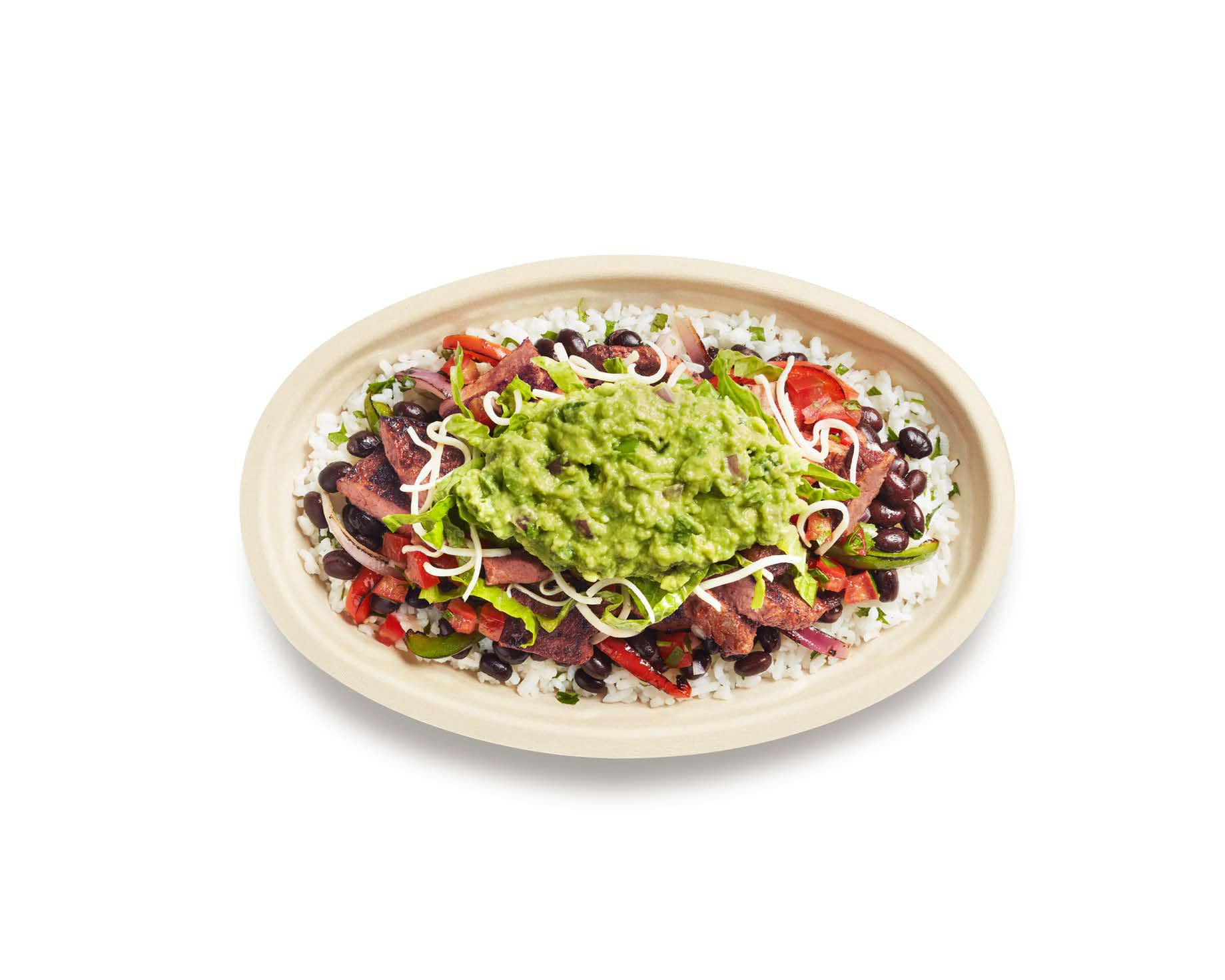
From an operating lens, the momentum rests on a simple linkage: capacity, digital adoption, and check size. Chipotlanes are performing well, widening guest access and helping margins at new units. The quarter shows how higher prices carried over from 2024 to support a better cost structure, even as inflation nibbles at ingredients. In practice, the recipe pairs a growing network of chip-enabled pickup with online ordering, turning crowded windows into reliable peaks.
Take the numbers: a steady stream of new openings, many with Chipotlanes, underlines the scale play. The emphasis on digital orders as a growth driver reinforces the connection between throughput and ticket size. When capacity expands and digital channels take share, a higher price point can translate into improved profitability, even in an inflationary backdrop.
All told, the mechanics point to a blueprint: invest in capacity, lean on digital, and price to value. A structured seasonal window can become incremental sales that compound when paired with a technology-forward model.
Leadership framed the period as a blend of timing and alignment. In interviews and briefings, executives pointed to a mix of promotions and product innovation as the spark for a wave of customers during burrito season. The commentary fits a broader industry pattern: travel and work rhythms are shifting, complicating forecasts but opening doors for chains that stay flexible. The takeaway is simple: thoughtful marketing paired with steady product development can turn seasonal peaks into durable growth.
“seasonal move with the summer change of behaviors,” one executive noted, signaling how holidays and travel stretch beyond typical windows. The same discussions flagged that travel and holidays—outside normal patterns—have historically dented June and July traffic for national chains. The message is not doom, but nuance: seasonality remains a moving target as work-from-home patterns evolve and consumer routines shift. For operators, that means forecasting must blend traditional seasonality with a flexible, test-and-adjust approach.
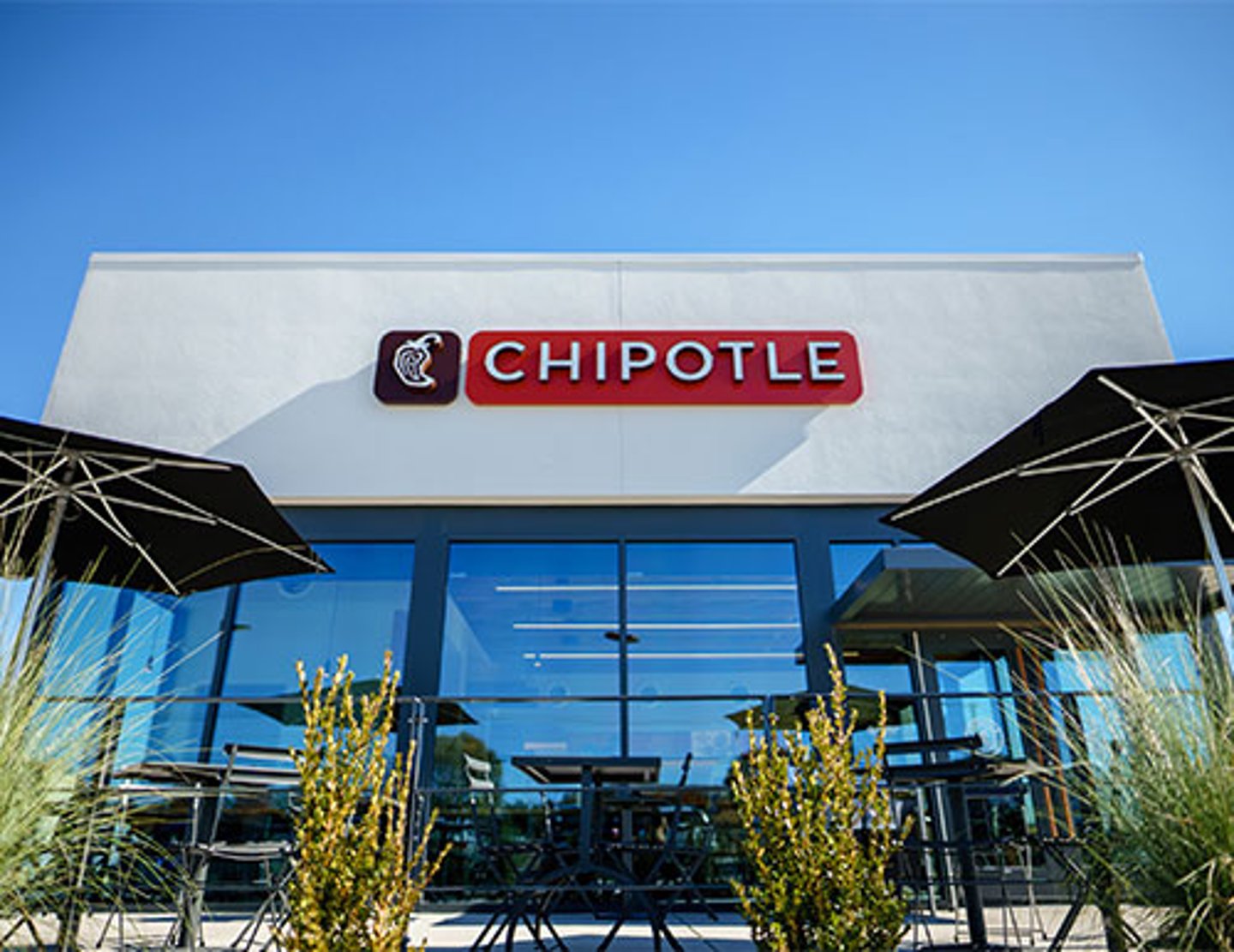
Bottom line: timing and alignment can unlock growth, but only if you stay nimble. The sector is watching how Chipotle translates peak-season momentum into a longer arc of profitability, a test many brands would gladly take.
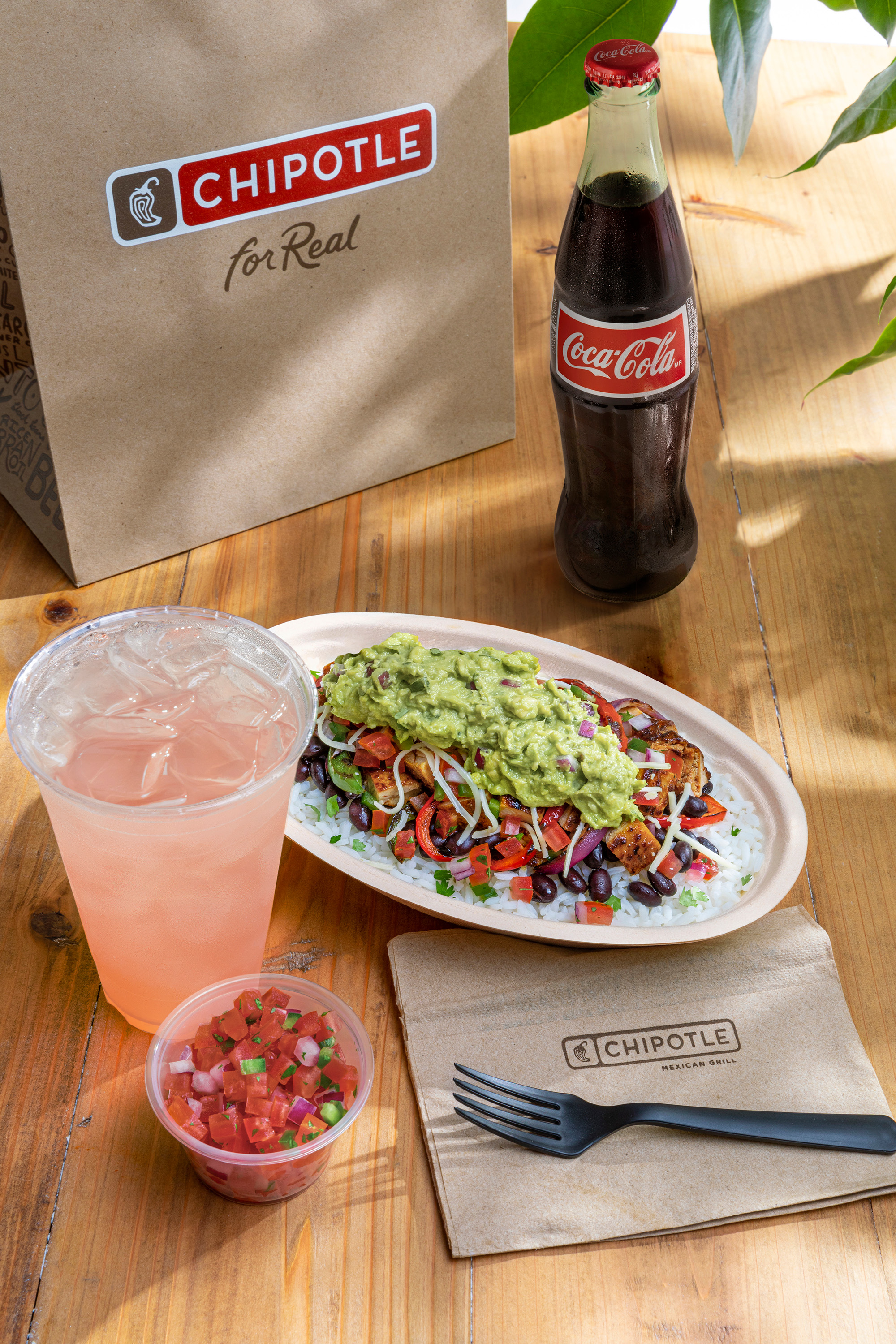
For the fast-casual landscape, Chipotle’s burrito-season playbook isn’t a one-off tactic—it’s a potential blueprint. The core moves are clear: lean into menu innovations and staffing discipline, and lean harder on a digital platform that connects orders to capacity. The Chipotlanes network and other store-format enhancements convert seasonal surges into steady momentum. The result? A model that could help other brands weather volatility by marrying timely promotions with scalable, tech-enabled operations.
Taken together, the industry is watching for a cautious optimism: as travel rebounds and remote-work patterns evolve, chains that can synchronize demand, staffing, and inventory with a flexible calendar will be best positioned. Chipotle’s experience suggests the path from peak-season spikes to recurring annual growth lies in disciplined execution, precise forecasting, and willingness to adapt to a more fluid consumer calendar.
The big win is the rhythm’s repeatability. Blend timely promotions with an adaptable, tech-driven backbone. If other brands copy the pattern—seasonal windows, menu refreshes, and a stronger digital spine—the fast-casual landscape could weather inflation, labor pressures, and shifting guest habits. Burrito season, done right, becomes a durable habit rather than a one-off spike.