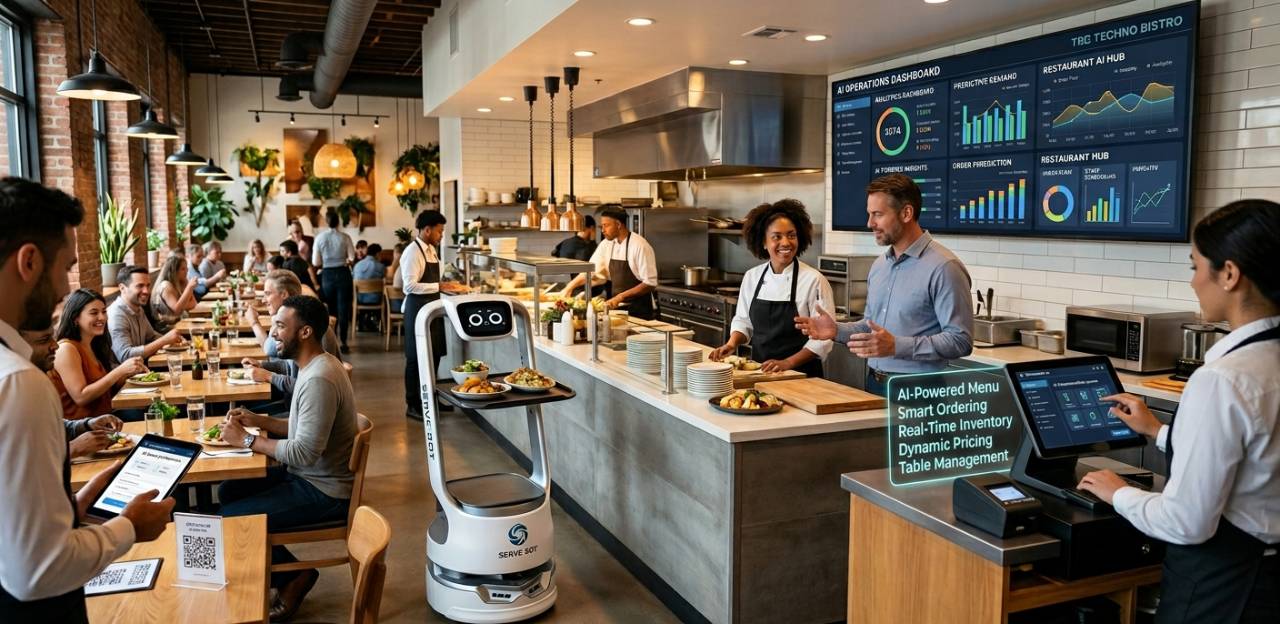
AI Playbook for Restaurant Owners
This AI playbook covers restaurant tools for voice ordering, staffing, compliance, menu pricing, inventory, marketing, ChatGPT prompts, and SEO.
tech
May 15, 2026
This AI playbook covers restaurant tools for voice ordering, staffing, compliance, menu pricing, inventory, marketing, ChatGPT prompts, and SEO.
May 15, 2026
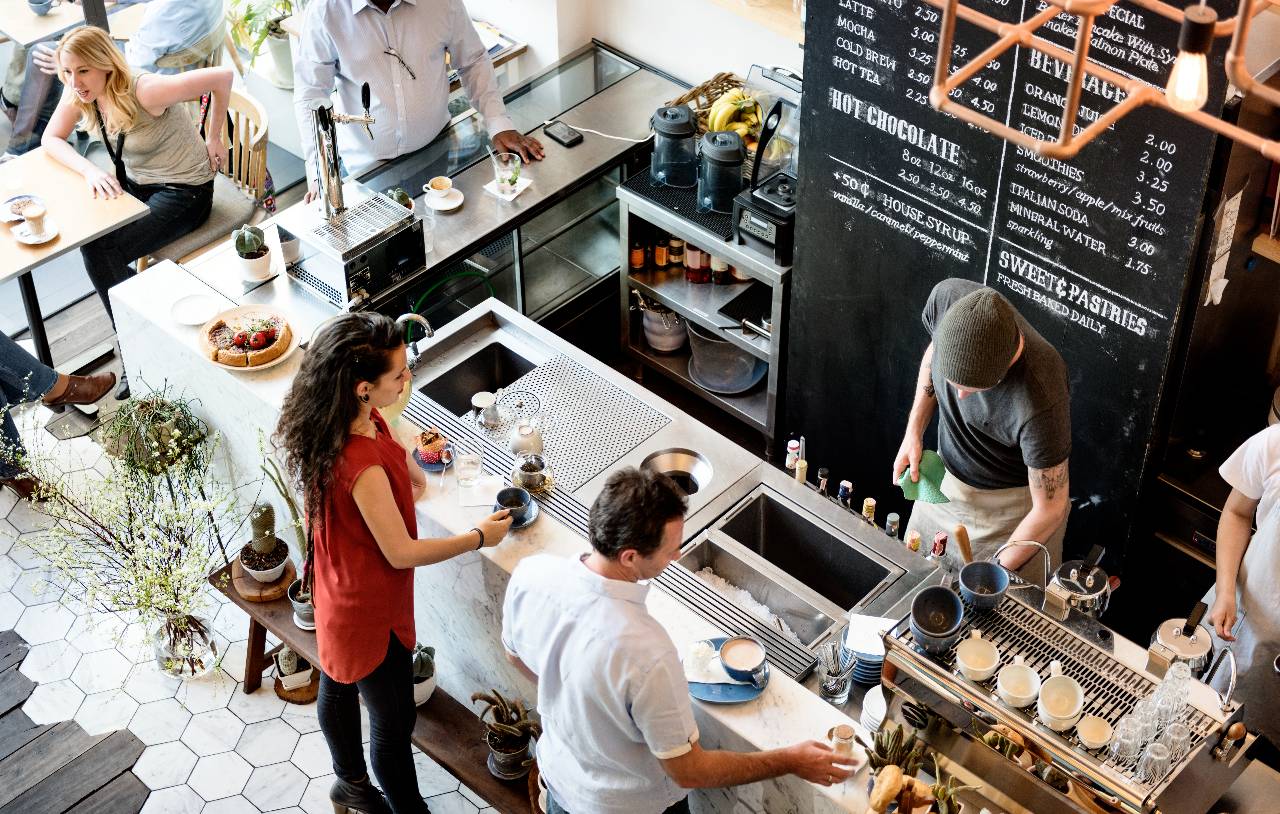
Opening a coffee shop in 2026 requires careful cost planning across rent, equipment, labor, technology, menu strategy, marketing, and sustainability.
May 15, 2026
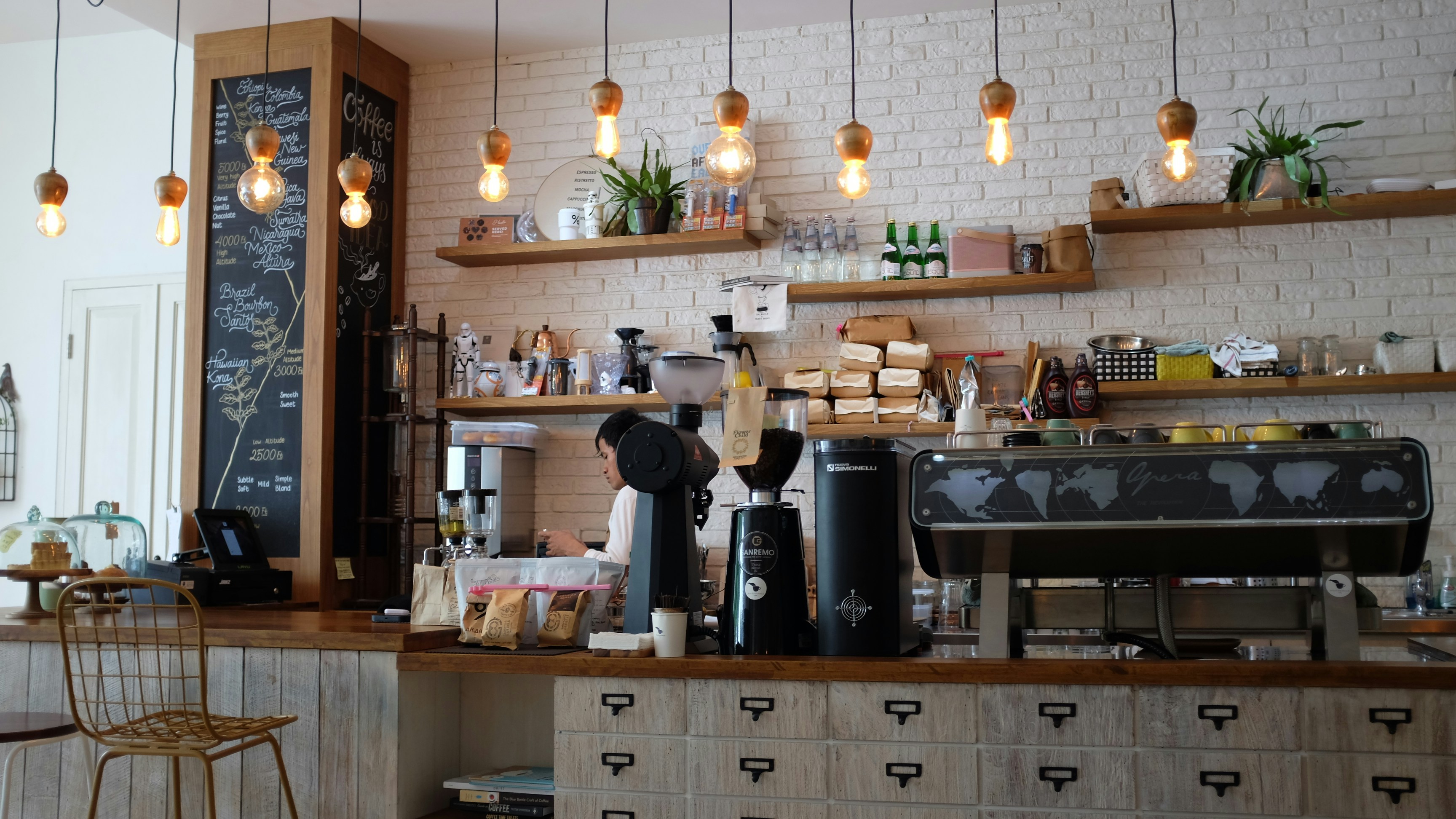
Hardee’s giant Boddie-Noell inks 31-unit Scooter’s Coffee deal for NC and VA, leveraging drive-thru growth and local roots with rollout over 12–18 months.
May 15, 2026
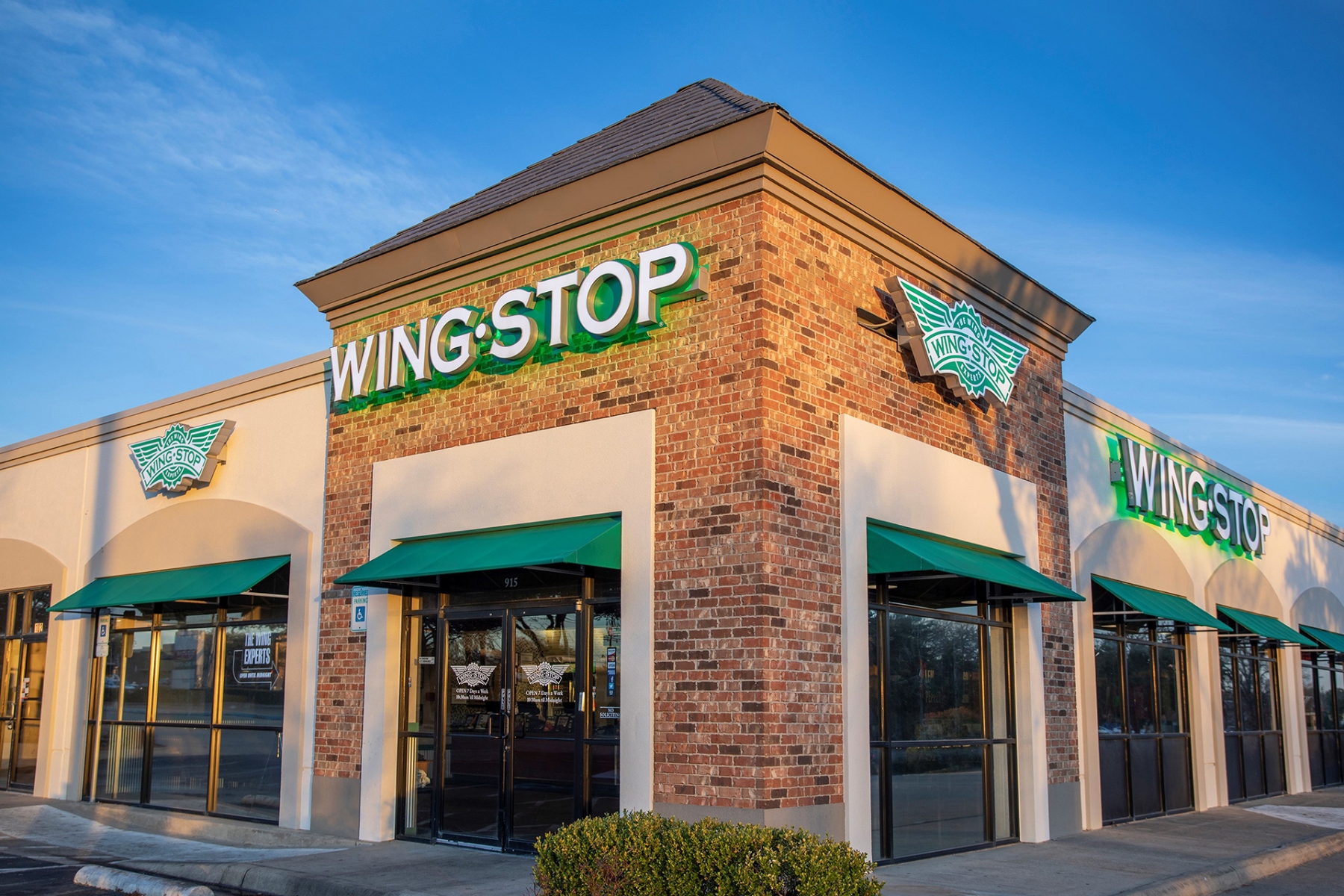
Wingstop turns match weeks into a multi-sensory festival, aligning bold pop-ups with World Cup energy to build brand affinity and measurable momentum.
May 15, 2026
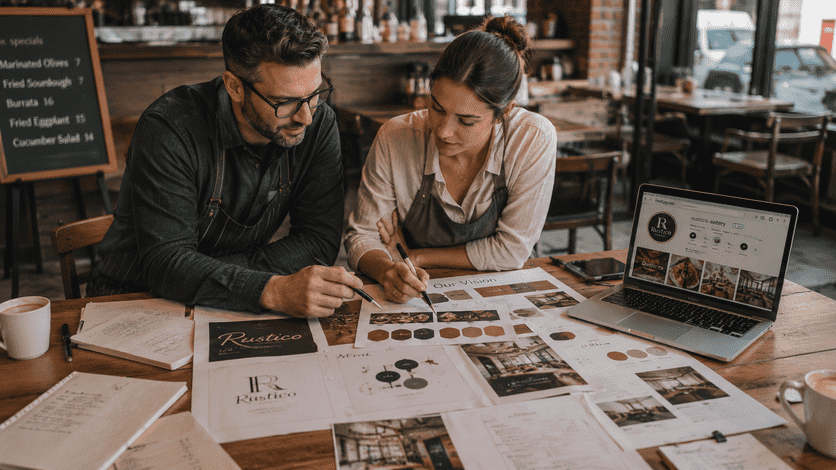
Learn how to develop a memorable restaurant brand identity that stands out in a crowded market, attracts loyal customers, and drives repeat business with actionable strategies and affordable tools.
May 15, 2026
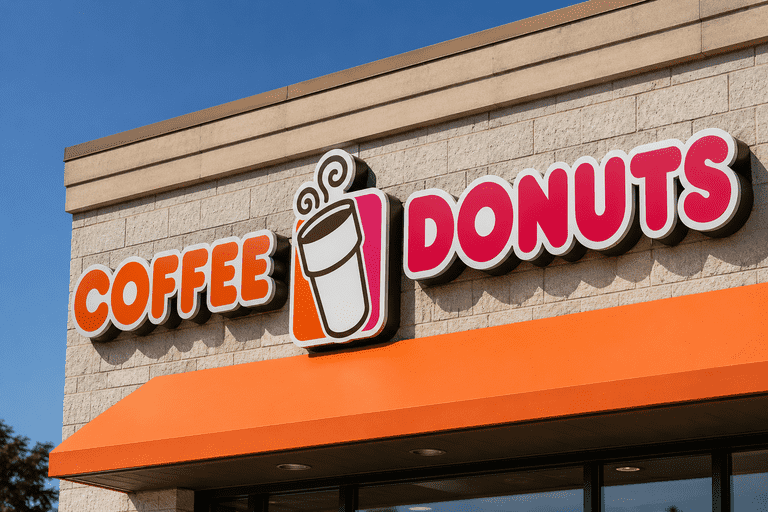
The parent company behind Dunkin', Buffalo Wild Wings, and Arby's has filed for an IPO a move that could reshape how Wall Street views the restaurant sector.
May 15, 2026
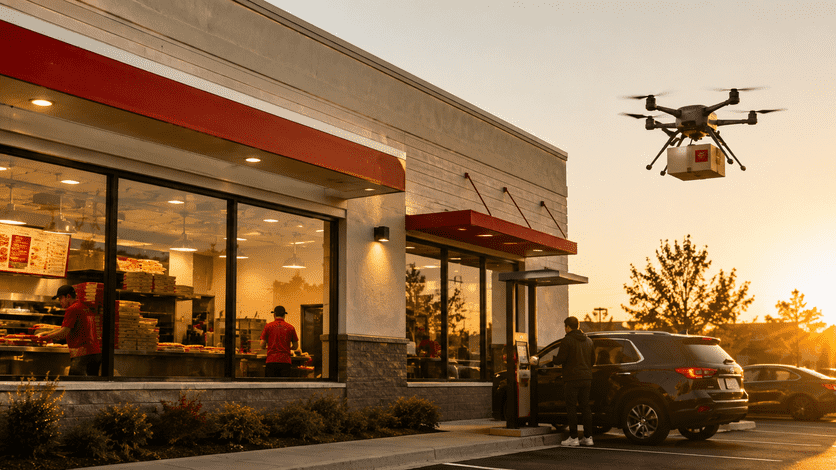
Papa Johns has teamed up with Alphabet's Wing for drone delivery of its new sandwich lineup in parts of Charlotte marking the first partnership of its kind between Wing and a national QSR brand.
May 15, 2026
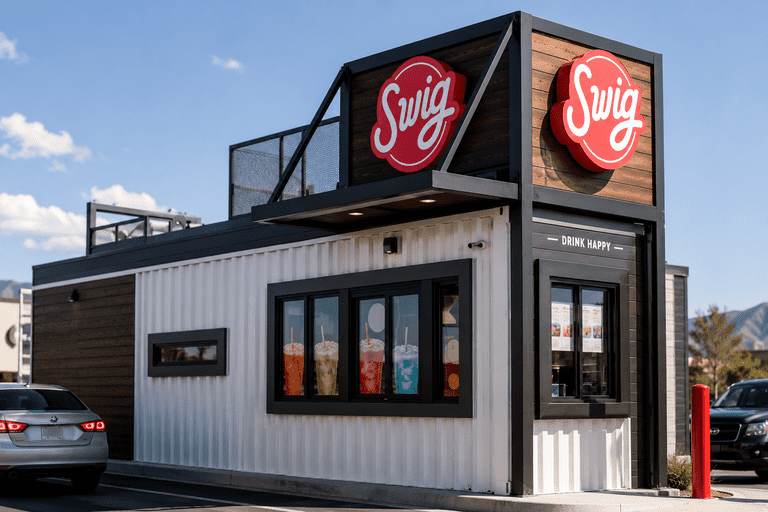
Dirty soda chain Swig is expanding into Colorado through a 10-unit franchise deal, riding a consumer beverage trend that's catching the attention of major QSR players nationwide.
May 15, 2026
A warm, expert-led look at McDonald’s Q1 results, menu makeover, and the refranchise question shaping its growth.
May 14, 2026
A reflective look at Habit Ranch, its immersive desert activation, and what it signals for brand loyalty and mindful, experiential dining.
May 14, 2026

Unlock Exclusive Access To Webinars, Events, And The Latest News For Free!
Chipotle tests two cobot systems in California to boost throughput while preserving hospitality, backed by the Cultivate Next fund and a plan toward 7,000 restaurants.
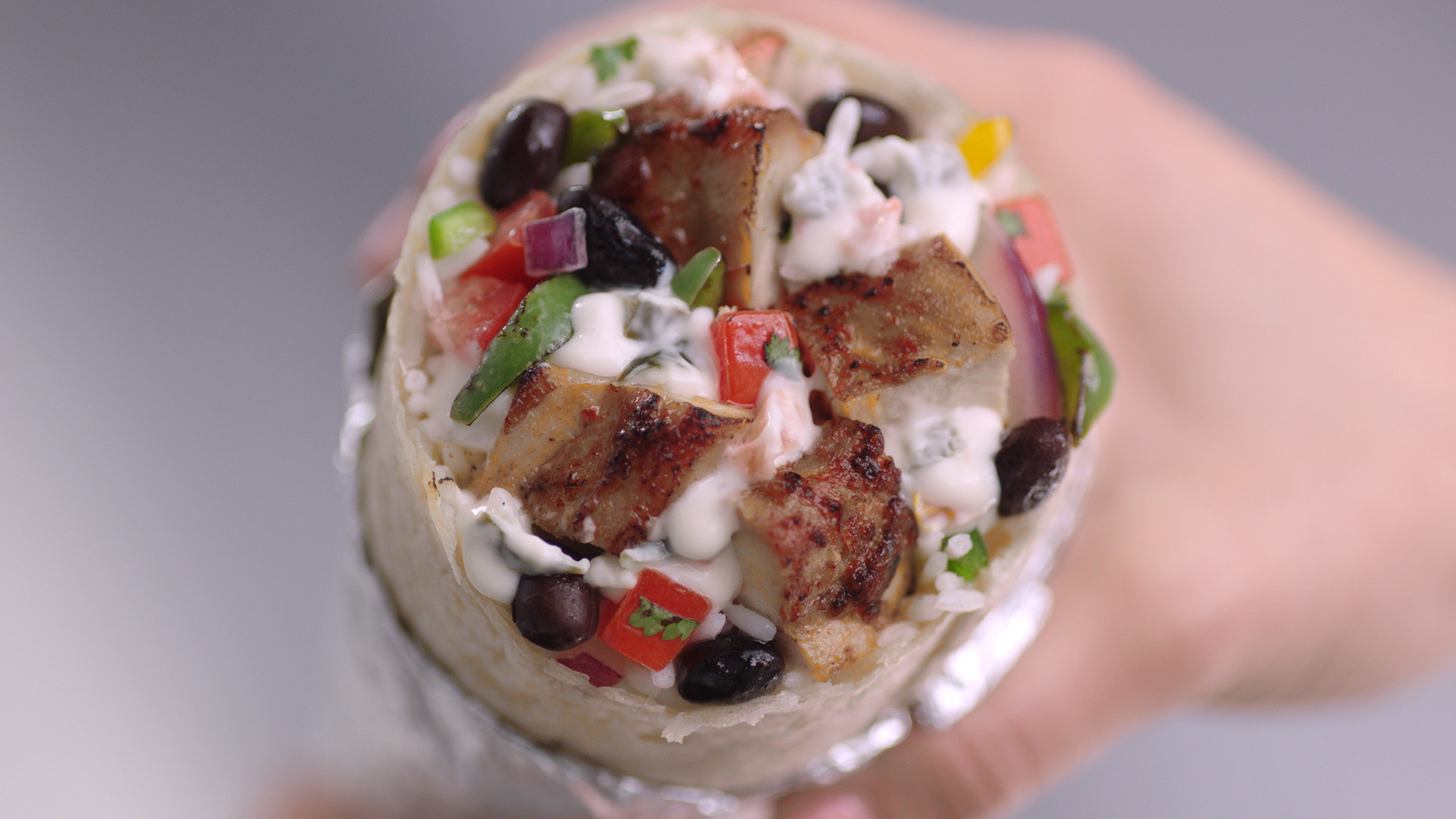
Chipotle stands at a gentle crossroads between warmth and wires on a sun-dusted afternoon in Southern California. Two cobotic systems have slipped into real kitchens—Autocado and Makeline—each a patient, humming partner in a quiet quest for speed and steadiness. In Huntington Beach, Autocado begins its avocado choreography; in Corona del Mar, Makeline threads bowls and salads with a measured rhythm. The scene isn’t a sterile lab, but a dining room where the scent of fresh lime and roasted corn mingles with the assurance that a meal will arrive with welcome ease. This isn’t a stunt; it’s a carefully staged step toward scale.
Autocado and Makeline are not merely prop pieces; they are tuned partners in a broader plan. Chipotle announced in a September 16, 2024 release that Autocado processes an avocado in about 26 seconds, while Makeline is designed to support bowls and salads—parts of the menu that now define a major share of digital orders, reflected in the figure that 65% of digital orders come from those categories. The two California pilots—Huntington Beach and Corona del Mar—mark the first live demonstrations in real dining rooms. The rollout aligns with a goal of operating 7,000 North American restaurants and with a Cultivate Next fund that has grown into a $100 million pool, a signal of patient intention rather than a rush to replace crews. “designed to complement frontline staff rather than replace them,” the company notes, anchoring a philosophy that hospitality remains the heart of the kitchen.