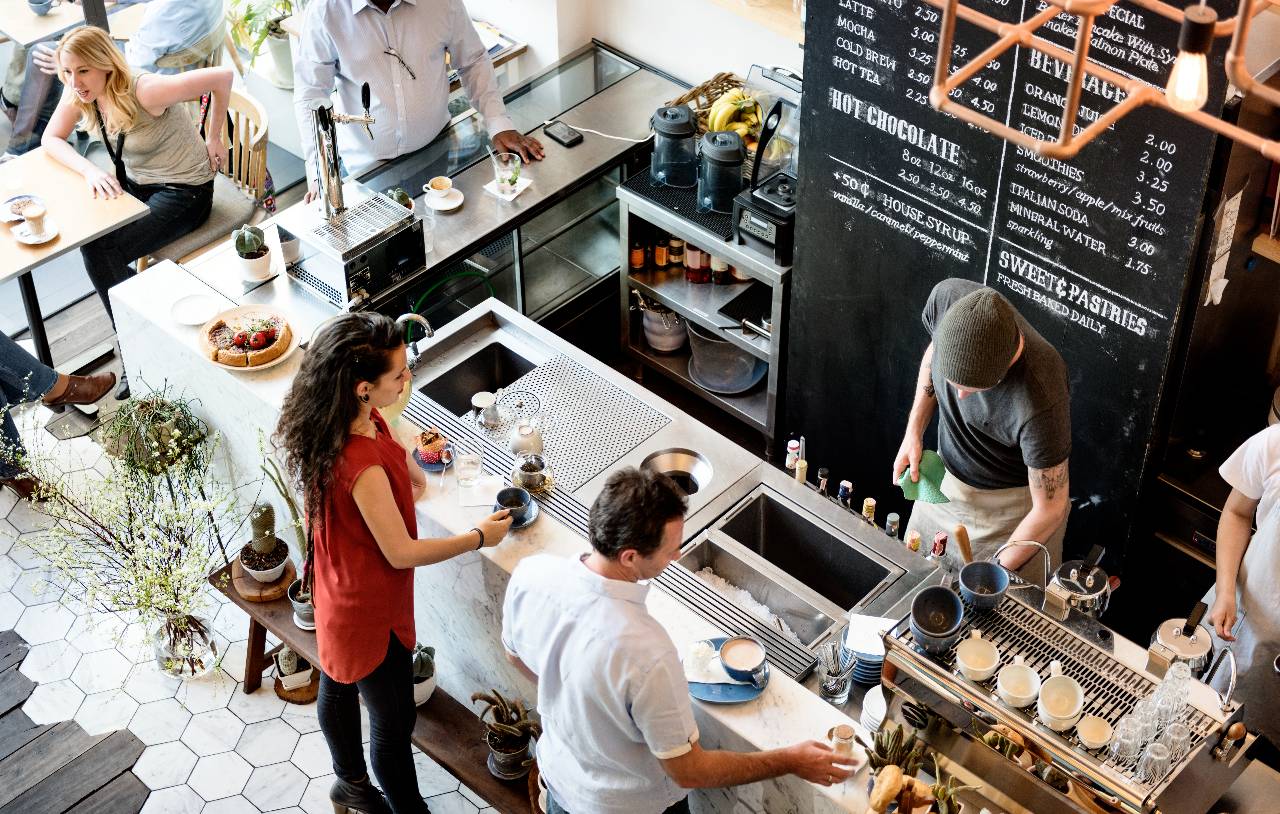
How Much Does It Cost to Open a Coffee Shop in 2026?
Opening a coffee shop in 2026 requires careful cost planning across rent, equipment, labor, technology, menu strategy, marketing, and sustainability.
operations
May 15, 2026
Opening a coffee shop in 2026 requires careful cost planning across rent, equipment, labor, technology, menu strategy, marketing, and sustainability.
May 15, 2026
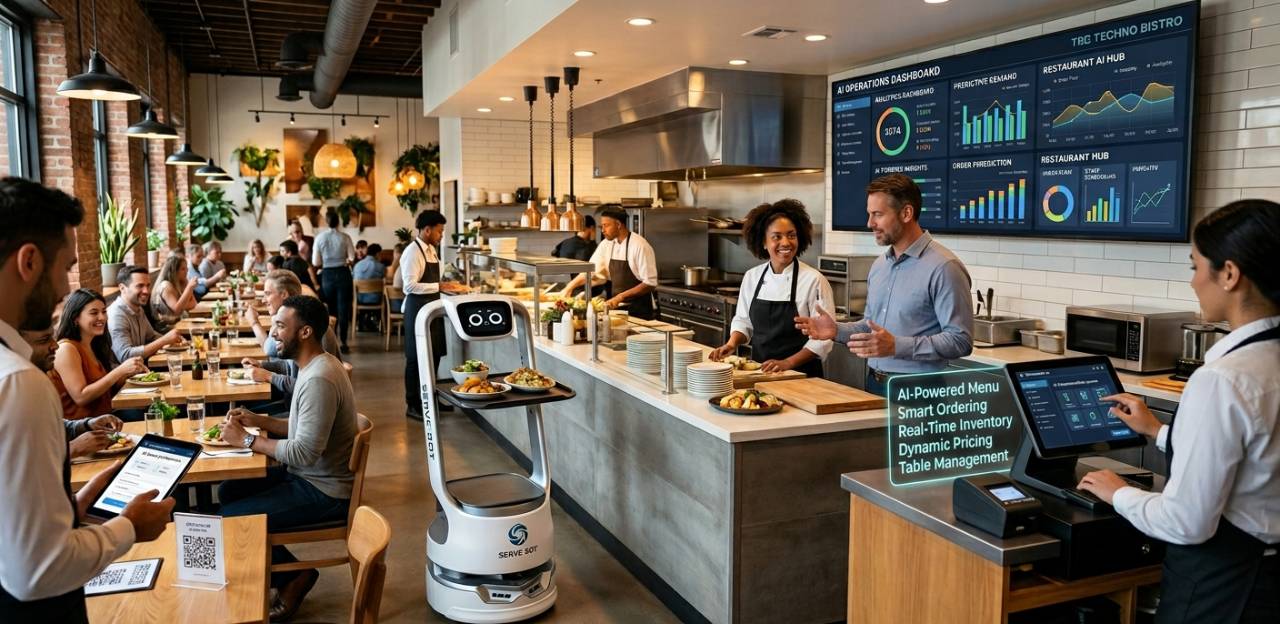
This AI playbook covers restaurant tools for voice ordering, staffing, compliance, menu pricing, inventory, marketing, ChatGPT prompts, and SEO.
May 15, 2026
Hardee’s giant Boddie-Noell inks 31-unit Scooter’s Coffee deal for NC and VA, leveraging drive-thru growth and local roots with rollout over 12–18 months.
May 15, 2026
Wingstop turns match weeks into a multi-sensory festival, aligning bold pop-ups with World Cup energy to build brand affinity and measurable momentum.
May 15, 2026
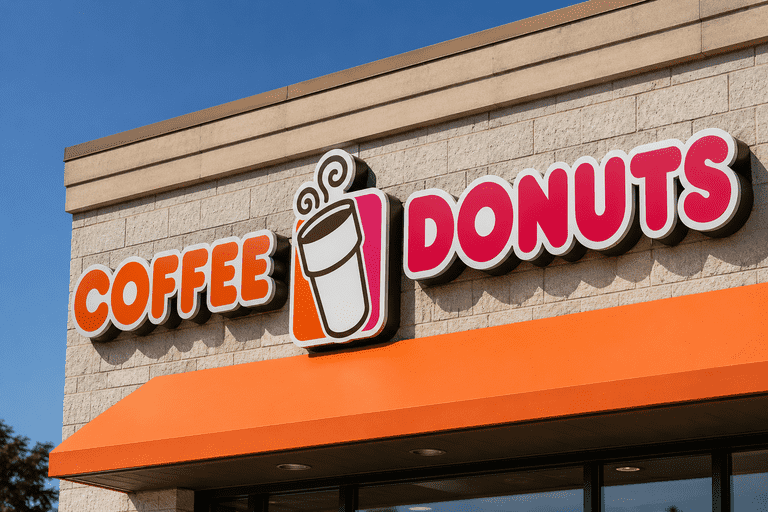
The parent company behind Dunkin', Buffalo Wild Wings, and Arby's has filed for an IPO a move that could reshape how Wall Street views the restaurant sector.
May 15, 2026

Learn how to develop a memorable restaurant brand identity that stands out in a crowded market, attracts loyal customers, and drives repeat business with actionable strategies and affordable tools.
May 15, 2026
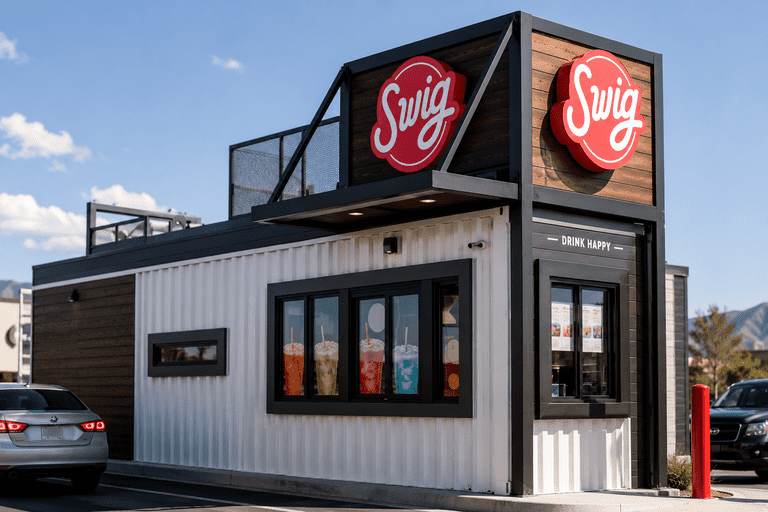
Dirty soda chain Swig is expanding into Colorado through a 10-unit franchise deal, riding a consumer beverage trend that's catching the attention of major QSR players nationwide.
May 15, 2026
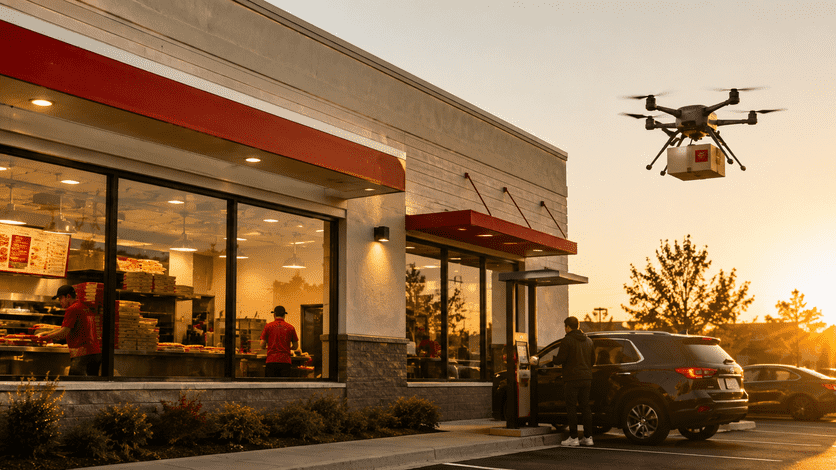
Papa Johns has teamed up with Alphabet's Wing for drone delivery of its new sandwich lineup in parts of Charlotte marking the first partnership of its kind between Wing and a national QSR brand.
May 15, 2026
A warm, expert-led look at McDonald’s Q1 results, menu makeover, and the refranchise question shaping its growth.
May 14, 2026
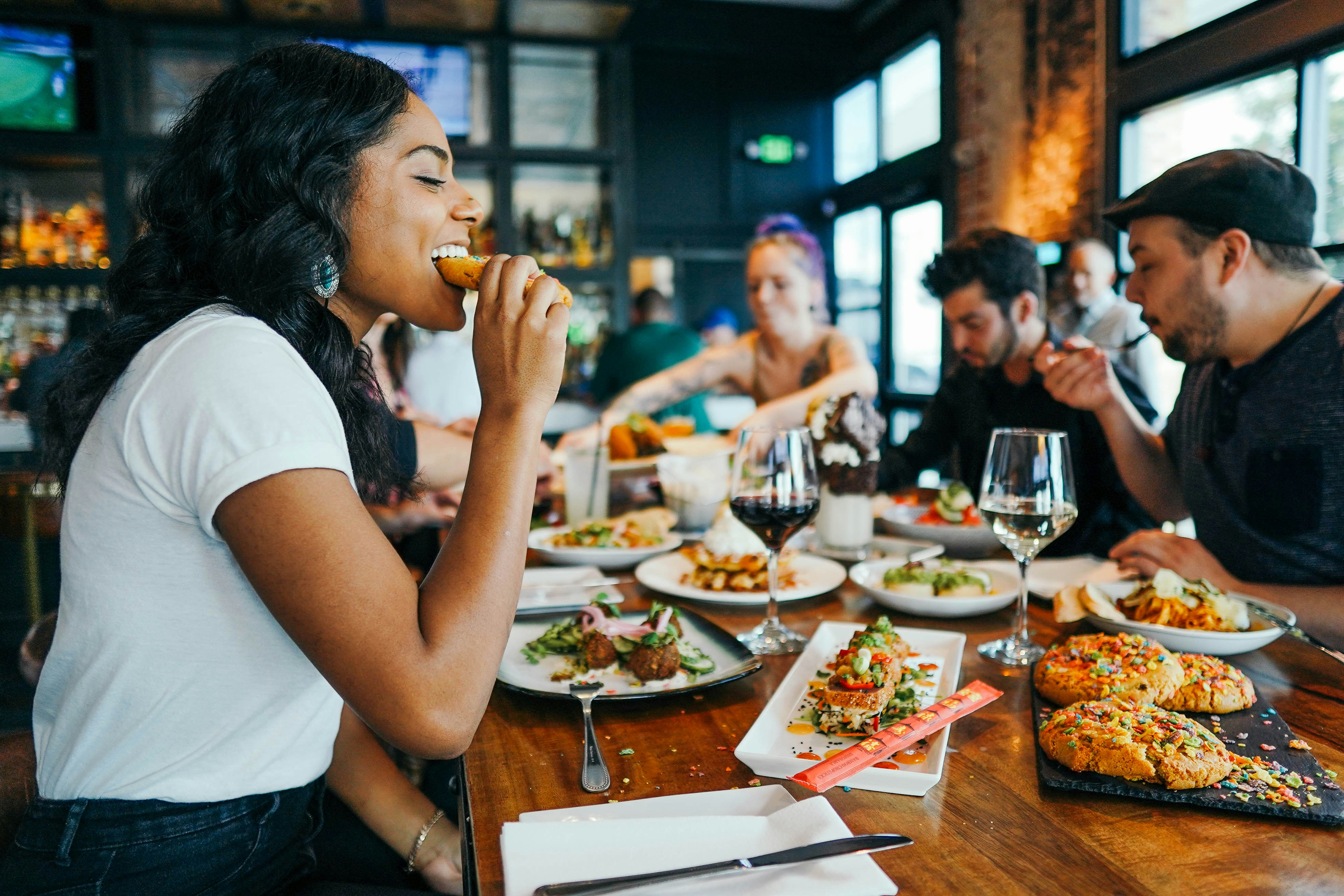
A reflective look at Habit Ranch, its immersive desert activation, and what it signals for brand loyalty and mindful, experiential dining.
May 14, 2026

Unlock Exclusive Access To Webinars, Events, And The Latest News For Free!
Chicken Salad Chick taps Brian Lindley as CDO, aiming for new markets and non-traditional growth. How will this gentle pivot shape the brand’s future?
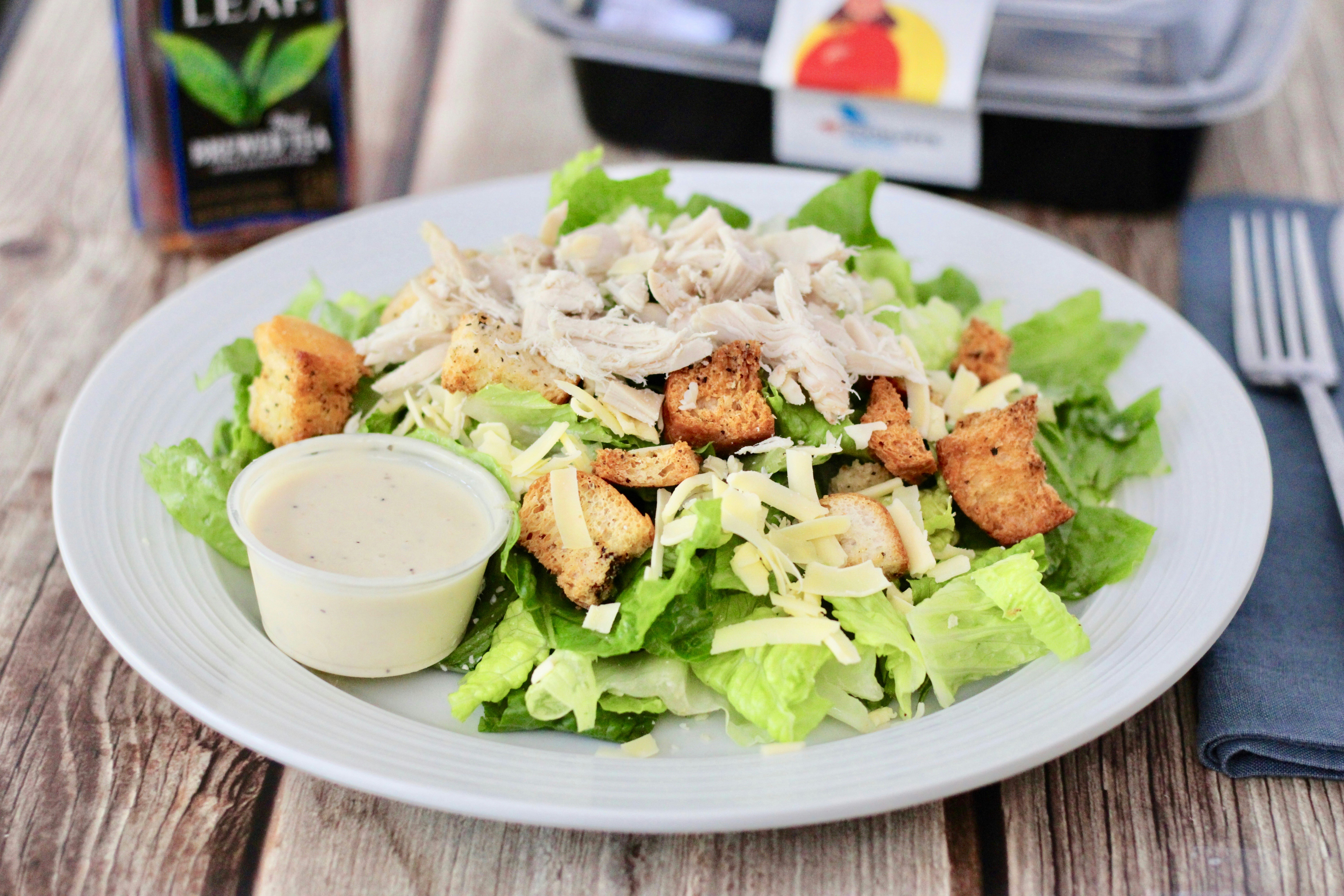
Photo by logan jeffrey
There’s a gentle but unmistakable energy in the air at Chicken Salad Chick. As spring lingers into summer 2026, the brand finds itself poised—not just for another step, but for a true leap. Brian Lindley, a name steeped in operational grace and development savvy, has joined as chief development officer. With each introduction and handshake, there’s a sense that new chapters are about to be written, quietly but decisively.
Yet it’s more than a personnel change. For a brand whose roots trace to simple pleasures and sincere hospitality, Lindley’s arrival signals a soft but steadfast pivot: national expansion, greater site versatility, and a blueprint that welcomes more than just familiar faces.
The wider Chicken Salad Chick family—now spanning over 330 restaurants in 22 states—awaits Lindley’s imprint. This isn’t change for change’s sake; it’s a purposeful nudge toward a future as expansive and inviting as the brand’s celebrated tables. With new locations planned in Nevada and New York this year, and aspirations in places like Minnesota, Pennsylvania, and Utah, the sense of forward movement is both stirring and soothing.
It’s rare to see a restaurant chain pair boldness with a gentle touch. Yet, in inviting Lindley to the leadership table, Chicken Salad Chick appears to be blending these elements with care. The move is less about a dramatic overhaul and more about quiet optimization. What’s delightful is the underlying logic: by rethinking real estate, reducing spatial demands, and embracing non‑traditional footprints, the brand makes room for both economic sensibility and the cozy reliability guests have come to adore.
There’s a graceful transparency to this shift. The brand is not leaping blindly into trend-chasing but thoughtfully aligning with an evolving QSR landscape—one where cost efficiency and visibility matter, but where the mood must still feel inviting.
This careful recalibration—envisioning Chicken Salad Chick in places like airports or bustling travel centers—signals a hope that new guests will stumble upon the familiar comfort in unexpected places. It’s a dance between economics and environment, in which the brand’s soothing hospitality must never be crowded out by efficiency.
There’s something evocative about the phrase ‘expanding the footprint’. For Chicken Salad Chick, under Lindley’s direction, it means drawing gentle circles around new opportunities—ones that might not look like traditional restaurants at all. From university corridors to medical campuses and roadside travel plazas, the vision is as much about connection as it is about commerce.
Borrowing inspiration from peers like Dine Brands, who have found success in dual-branded venues, Chicken Salad Chick’s model is broadening. These hybrid sites are not just growth engines—they are potential incubators of new rituals, new loyalists who seek a peaceful moment in the bustle.
With Lindley reimagining formats and site selection, expect a period of gentle transformation—each new venue whispering the brand’s promise in a slightly different accent, but always with a familiar, comforting refrain.
A careful observer finds reassurance in the numbers, but also in the way they sound when recited at a team huddle or quietly celebrated after a ribbon-cutting. In early 2025, Chicken Salad Chick marked its 300th location, a milestone that resonates like a heartfelt toast. Alongside this, the brand inked 35 new franchise agreements and opened 13 restaurants—steady steps in a fast-paced world. By year’s end, the count had edged up to 288 units and $400 million system-wide sales, while AUVs neared $1.5 million.
Each number represents more than performance: it’s a testament to the brand’s ability to foster both growth and a gentle continuity.
Lindley’s arrival dovetails with this phase—a moment of immense potential. The hope is that his steady hand will guide these numbers into not just quantity, but deeper quality—a broader web of communities unified by shared comforts and warm welcomes.
The broader landscape of quick-service and comfort dining is quietly transforming. Multi-unit operators are no longer outliers; they now form the backbone of franchising. More than half of all franchisees in the country own multiple locations—a gentle but unyielding shift toward scale.
Peer groups like Dine Brands are increasingly targeting high-traffic, non-traditional venues—airports, travel centers, spaces that blur the boundaries between journey and arrival. These formats aren’t just a novelty: some deliver 1.5 to 2.5 times the revenue of their single-brand counterparts. Chicken Salad Chick, too, seeks opportunity in these emerging corridors, with fresh footprints planned in Arizona, New Jersey, New York, Utah, and Nevada.
Yet even as the industry bounds forward, Chicken Salad Chick clings gently to its traditions—a lingering sense of home, even in uncharted places. That balance may prove to be the chain’s most enduring advantage.
With so much momentum, there are naturally things left unsaid—gentle uncertainties at the edge of the plan. The precise timing for new market entries, from Nevada to West Virginia, hasn’t been pinned down. The first pilot sites in those inventive, non-traditional venues are yet to emerge, leaving industry watchers and would-be franchisees to wonder how the concept will feel and perform in those settings.
Details around costs, revenue densities, and the return on redesigned footprints remain speculative. The real test will come with the soft opening of each new space and with feedback—often as quiet as a nod—shared by those who spend a lunch hour or afternoon at a fresh counter far from the original heartland.
Yet, as in any inviting dining room, anticipation can be as comforting as the main course. The industry—and each new guest—awaits gracious proof that hospitality needs no four walls, but merely a shared spirit.
At this intersection of ambition and warmth, Chicken Salad Chick finds itself uniquely situated. With Brian Lindley guiding the next swell of growth, there’s every reason to envision a brand that expands not with clamor but with a gentle confidence—inviting communities new and old into its circle.
As average volumes rise and new venues take shape, the brand’s greatest asset may remain its quiet commitment to ease and hospitality. In the coming year, guests may stumble upon a familiar comfort in the most surprising places—a quick meal at an airport, a restorative lunch on a campus, or simply a sunlit seat at the edge of a new neighborhood.
Because at heart, the story—and the strategy—remains an invitation: a table set, not just for business, but for the moments and moods that make every community hum with life.