How Much Does It Cost to Open a Coffee Shop in 2026?
Opening a coffee shop in 2026 requires careful cost planning across rent, equipment, labor, technology, menu strategy, marketing, and sustainability.
operations
May 15, 2026
Opening a coffee shop in 2026 requires careful cost planning across rent, equipment, labor, technology, menu strategy, marketing, and sustainability.
May 15, 2026

This AI playbook covers restaurant tools for voice ordering, staffing, compliance, menu pricing, inventory, marketing, ChatGPT prompts, and SEO.
May 15, 2026

Hardee’s giant Boddie-Noell inks 31-unit Scooter’s Coffee deal for NC and VA, leveraging drive-thru growth and local roots with rollout over 12–18 months.
May 15, 2026

Wingstop turns match weeks into a multi-sensory festival, aligning bold pop-ups with World Cup energy to build brand affinity and measurable momentum.
May 15, 2026

The parent company behind Dunkin', Buffalo Wild Wings, and Arby's has filed for an IPO a move that could reshape how Wall Street views the restaurant sector.
May 15, 2026

Learn how to develop a memorable restaurant brand identity that stands out in a crowded market, attracts loyal customers, and drives repeat business with actionable strategies and affordable tools.
May 15, 2026

Dirty soda chain Swig is expanding into Colorado through a 10-unit franchise deal, riding a consumer beverage trend that's catching the attention of major QSR players nationwide.
May 15, 2026

Papa Johns has teamed up with Alphabet's Wing for drone delivery of its new sandwich lineup in parts of Charlotte marking the first partnership of its kind between Wing and a national QSR brand.
May 15, 2026

A warm, expert-led look at McDonald’s Q1 results, menu makeover, and the refranchise question shaping its growth.
May 14, 2026

A reflective look at Habit Ranch, its immersive desert activation, and what it signals for brand loyalty and mindful, experiential dining.
May 14, 2026

Unlock Exclusive Access To Webinars, Events, And The Latest News For Free!
Legacy chains are winning back diners with disciplined pricing, portion strategy, and refreshed in-restaurant experiences—led by Chili’s, Applebee’s, and tiered menus at Cheesecake Factory and P.F. Chang’s.
Photo by Markus Winkler
Casual dining has stepped back into the limelight with the poise of a well-run dining room resetting its mise en place. Black Box Intelligence reported that as of "August", the segment rose from "second-worst" over a "two-year" horizon to the "best-performing" category—an unambiguous reversal anchored in fundamentals. The firm credited large, legacy brands that deliver "a good meal, a pleasing experience, and a price that feels worth it." Crucially, the improvement "stands out across multiple performance horizons," which signals more than an easy comparison or a fleeting promotion. Call it a return to the full-plate promise: sit-down ambiance, whole-meal value, and prices that invite—rather than intimidate—the check to the table. The strategy reads like a classic trattoria’s creed: offer completeness without ostentation, and diners will reward you with loyalty. Value is not shouted; it’s shown in portion logic, in dining room cadence, and in the gentle transparency of the offer.
Chili’s has become the case study in translating value into velocity. In Q1 "2025", same-store sales surged "31.6%" year-over-year on "21%" traffic growth—proof that more guests chose the brand and spent decisively during each visit. That followed a "31.4%" jump in late "2024", establishing back-to-back momentum. A clear price signal—"$10.99" "3 for Me"—and the viral charisma of the "Triple Dipper" have done more than garnish the menu; they now account for "approximately 15%" of sales, tying value clarity to measurable mix shifts. Beyond a single quarter, the brand’s rhythm remained strong: by fiscal Q4 "2025", Chili’s posted "nearly 24%" same-store sales growth with traffic "up 16%" and a "39%" lift versus a two-year baseline. Average unit volumes climbed from "$3.1 million" to "$4.5 million" over "three years", while marketing expanded from "$32 million" to "$137 million"—a symphony of investment and operational editing that kept the message and the meal in tune. Analysts have framed moderate pricing and value-centric storytelling as central to the wider casual-dining upswing, a contention Chili’s performance animates with data. Analysis: Paired growth in sales, traffic, and average unit volumes alongside escalated marketing outlays indicates a durable turnaround driven by price transparency, signature items, and consistent messaging.
After "eight" quarters of negative same-store sales, Applebee’s notched a "4.9%" domestic same-restaurant sales gain in Q2 "2025", a pivot achieved by knitting value to variety. The stalwart "2-for-$25" offer operated as both anchor and stage, rotating from "Bourbon Street Cajun Pasta" in Q1 to "Skillets & Steak" in Q2 and more recently "Chicken Parmesan Fettuccine"—fresh relevance without losing sight of the price point. Off-premise channels strengthened the picture: "22%" of Q2 sales came from takeout and digital, lifting average weekly unit sales from "$53,900" in Q2 "2024" to "$58,000" in Q2 "2025". The brand’s media heartbeat quickened too: TikTok views were "up over 500%", reach expanded "760%", and likes rose "nearly 1,000%"; engagement across X and Meta climbed "215%". With "more than 100" remodels expected by end "2025", the dining room is being re-staged for a guest who has rediscovered the pleasure of lingering. The reset is not without austerity—"21" franchise closures versus "one" opening brought units from "1,625" to "1,573"—yet a dual-brand pairing tells a persuasive story: an IHOP–Applebee’s unit rang up "$6 million" annually compared to "$2 million" for a standalone IHOP, sparking rollout interest. Analysis: A steady value platform, amplified by digital reach and off-premise volume, has reenergized Applebee’s while unit rationalization tempers the rebound; the dual-brand performance highlights a scalable growth lever.
Value can be expressed with a sculptor’s restraint rather than a discount’s blunt edge. Cheesecake Factory introduced bowls under "$20" and "Bites" priced around "$6–$11", part of a menu curation that included "22" additions and "13" deletions—clarity without austerity. The result: "1.2%" Q2 same-store sales growth and record-high average weekly sales, suggesting that measured affordability can sit comfortably alongside a premium posture. P.F. Chang’s extended this architecture through flexible portioning and price ladders: half appetizers, smaller entrees, and "$8.99" cocktails, plus Lunch and Dinner Specials beginning near "$13.99" to "$16.99". These moves give guests fine-grained control over spend while preserving the ritual of a sit-down meal. In temperate terms, it’s the difference between thinning a sauce and balancing it—achieving lightness without losing body. Analysis: Anchoring entry points at "$6–$11" and "$13.99–$16.99" while posting comp and weekly sales gains shows that portion-led value can widen appeal and protect positioning.
Diner-oriented concepts are testing two doors into affordability: bundled meals and lighter renditions. Denny’s offered "5 Slams for $5" through "October", building on a "$2–$4–$6–$8" menu hack that pushed the Super Slam to "all-time highs" in order incidence. Yet same-store sales fell "1.3%" last quarter, a reminder that aggressive deals can attract without fully reversing traffic or check pressures. IHOP expanded a "$6" weekday meal deal to weekends, presenting "four" daily meal choices priced at "$6" or "$7" depending on market—price clarity as a nudge toward habitual visits. Olive Garden pursued an elegant deviation: lighter, lower-priced versions of "seven" existing entrées during dinner on weekdays and throughout weekends in "about 40%" of restaurants as of "mid-September". The response was tangible—a "15-point" leap in affordability scores and a "fourth straight quarter" of same-store sales growth of "5.9%" for fiscal Q1, assisted by rising delivery contributions. Sometimes the most persuasive value is a precise portion, not a louder promotion. Analysis: Deals at "$5" and "$6–$7" can spark interest, but Olive Garden’s portion strategy paired with "5.9%" comp growth and a "15-point" affordability boost underscores a subtler, more sustainable path to perceived value.
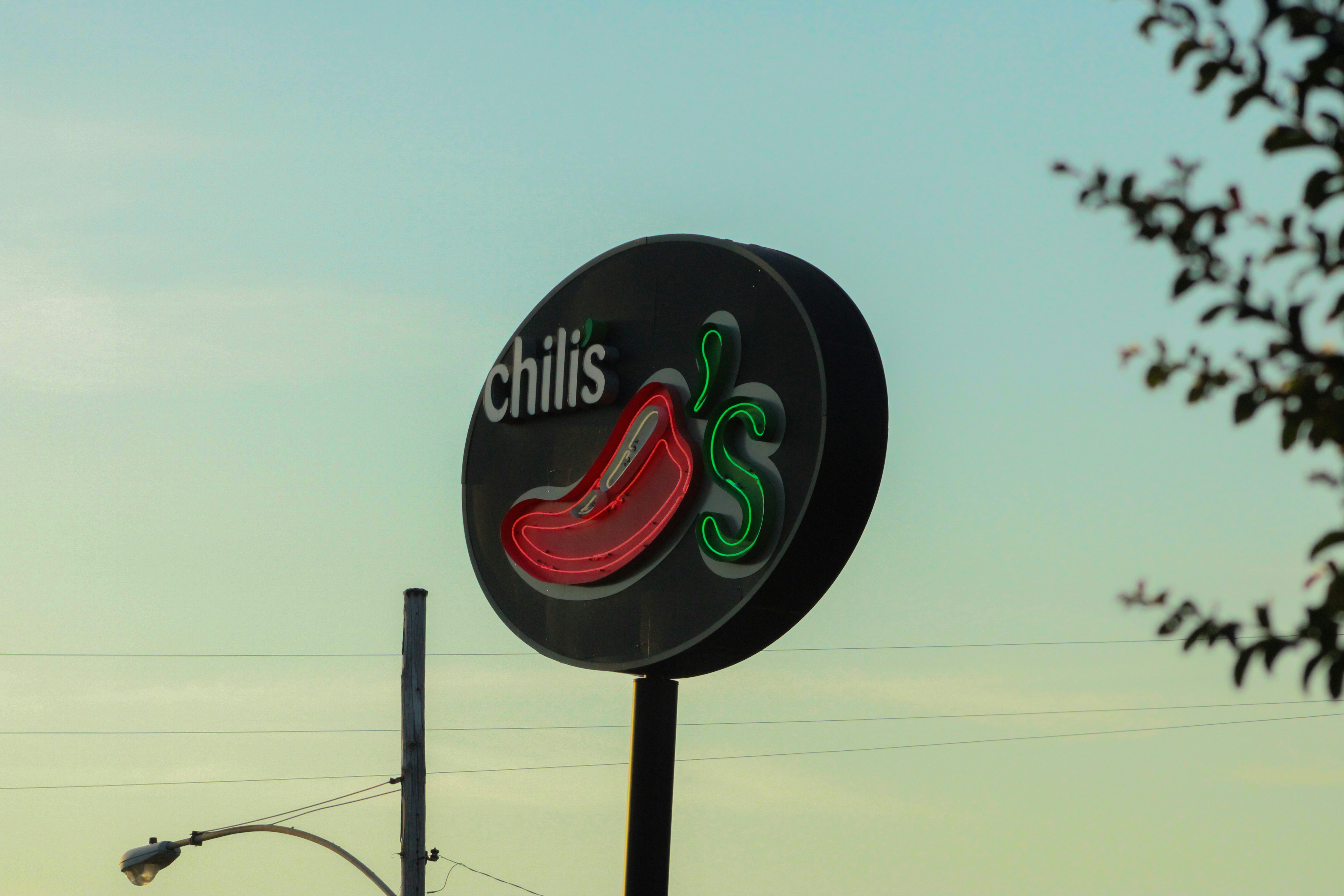
The competitive hierarchy is quietly rearranging itself as brands harmonize price and experience. Texas Roadhouse rose to the top of U.S. casual dining in "2024", posting "14.7%" sales growth to "$5.5 billion" and overtaking Olive Garden, which increased "0.8%" to "$5.2 billion". Chili’s secured third place with a "15%" sales rise, while Applebee’s, Outback Steakhouse, and Red Robin registered declines. At the opposite extreme, Red Lobster’s "22.7%" drop after an overly generous Endless Shrimp promotion became a cautionary tale: value that overwhelms operations can undo the promise it seeks to make. Industry commentary has given this moment a moniker—the "Chili’s effect"—where moderate price adjustments, signature-value messaging, and elevated sit-down experiences enable casual dining to outpace fast casual and quick service without just cutting prices. Gen Z engagement via TikTok, menu streamlining, and heavier advertising are credited with lifting Chili’s profile, while new unit growth restarting into underserved markets suggests a broader category resurgence. Analysis: The mix of double-digit gains for leaders and sharp declines for overextended promotions shows that sustainable value depends on disciplined execution as much as on the sticker price.
Not every sign points upward. IHOP’s same-store sales declined "2.3%" in Q2, and Denny’s fell "1.3%" despite attention-grabbing deals, indicating a selective lift rather than a uniform tide. Applebee’s reopened the growth playbook yet still closed "21" franchise units against "one" opening, reducing locations from "1,625" to "1,573". The timing of gains—"August", "late 2024", "Q1 2025", "Q2 2025", "fiscal Q4 2025", and "mid-September"—places this renaissance firmly in the present tense. Black Box Intelligence noted that the upswing is not "merely benefiting from easy comparisons," but the staying power of traffic and mix improvements will be proven only over additional quarters. In the dining room, consistency over time turns a promising menu into a classic. Analysis: Varied comp results and recent time frames argue for cautious confidence: momentum is substantive, yet its durability needs validation across more periods and brands.
Across the leaders, the throughline is unmistakable: redefine value so that it uplifts the sit-down promise rather than hollowing it out. Whole-meal signals like "3 for Me" at "$10.99", tiered entry points such as "Bites" at "$6–$11", and portion-led options like Olive Garden’s "seven" lighter entrées simplify the decision to dine in. Chili’s arc—from "31.4%" comps in late "2024" to "31.6%" in Q1 "2025", and "nearly 24%" by fiscal Q4 "2025"—paired with marketing rising from "$32 million" to "$137 million", demonstrates how consistent investment and focused menus can convert value messaging into sustained traffic and sales. The lesson is as classical as a well-balanced risotto: richness without excess. Red Lobster’s "22.7%" decline underscores the hazard of generosity that outpaces throughput, while legacy chains preparing new units in underserved markets reflect confidence that this is more than a collection of isolated turnarounds. When value is engineered with portion precision, price clarity, and a pleasing in-restaurant cadence, the category doesn’t just recover—it regains command. Analysis: The evidence points to a durable consumer preference for comprehensive value—taste, ambiance, and price equity in tandem—so long as brands calibrate offers to protect operations and guest experience.