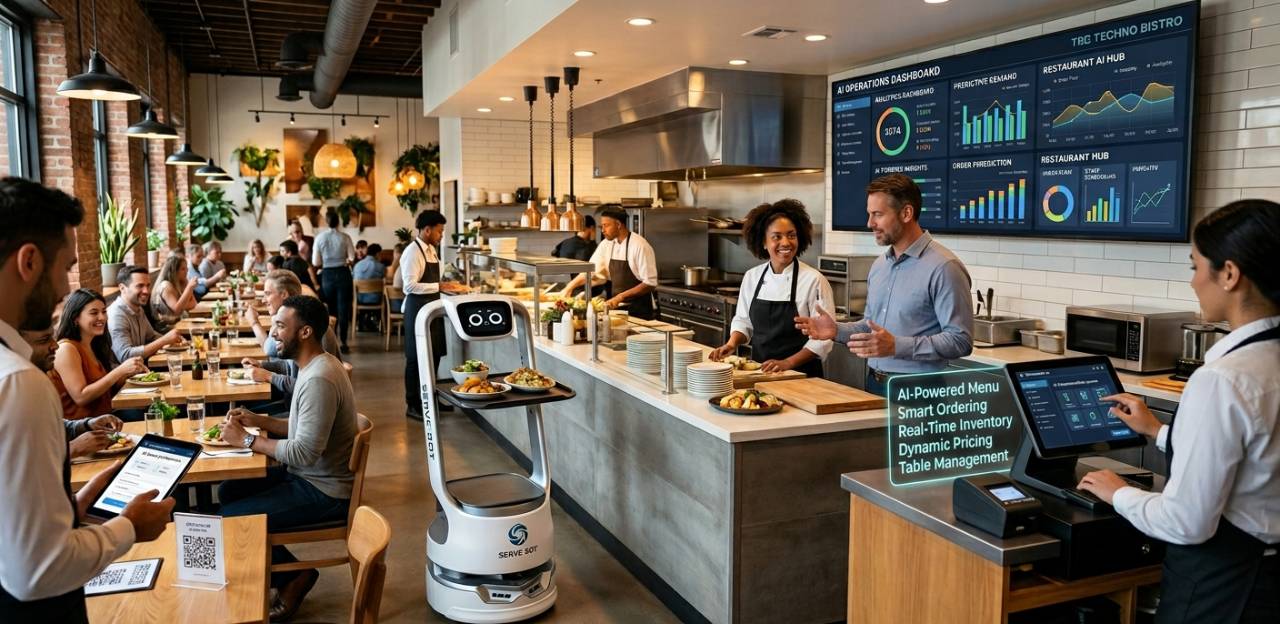
AI Playbook for Restaurant Owners
This AI playbook covers restaurant tools for voice ordering, staffing, compliance, menu pricing, inventory, marketing, ChatGPT prompts, and SEO.
tech
May 15, 2026
This AI playbook covers restaurant tools for voice ordering, staffing, compliance, menu pricing, inventory, marketing, ChatGPT prompts, and SEO.
May 15, 2026
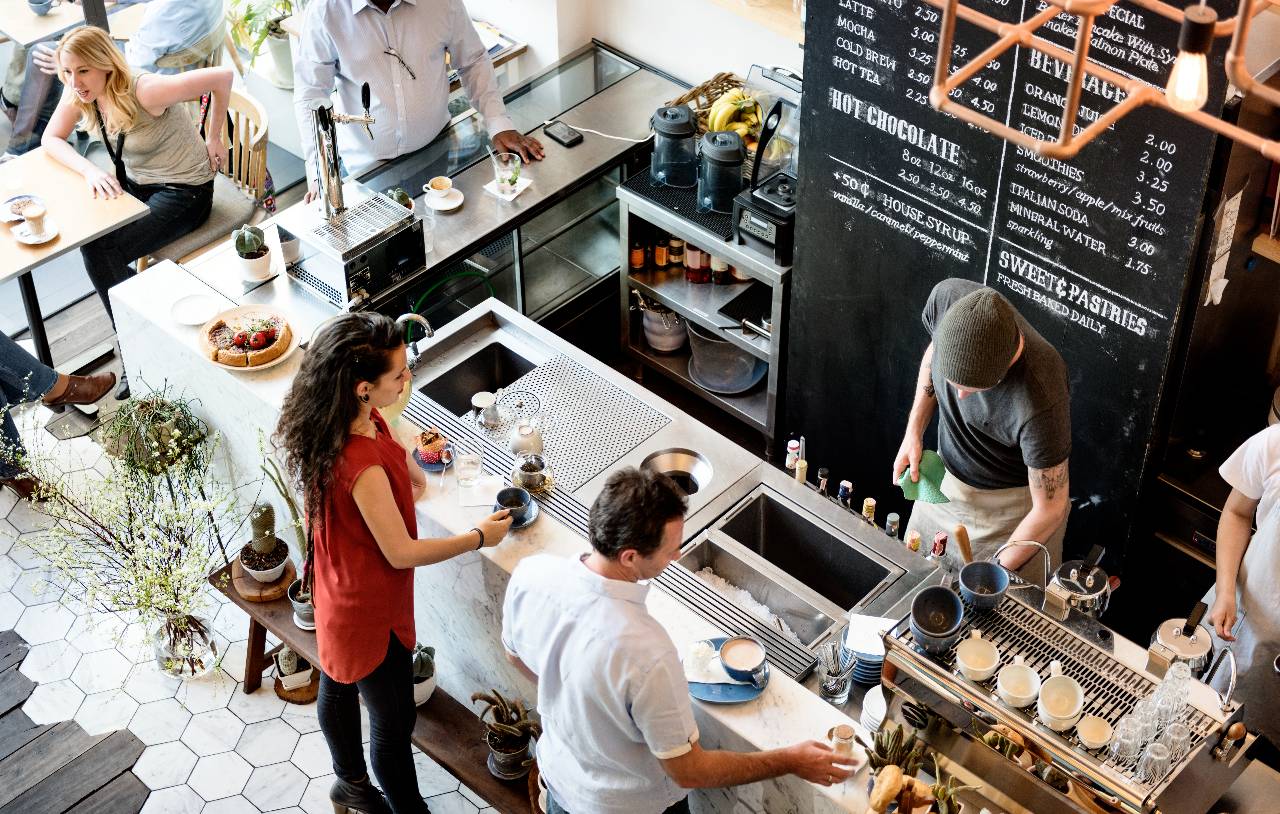
Opening a coffee shop in 2026 requires careful cost planning across rent, equipment, labor, technology, menu strategy, marketing, and sustainability.
May 15, 2026
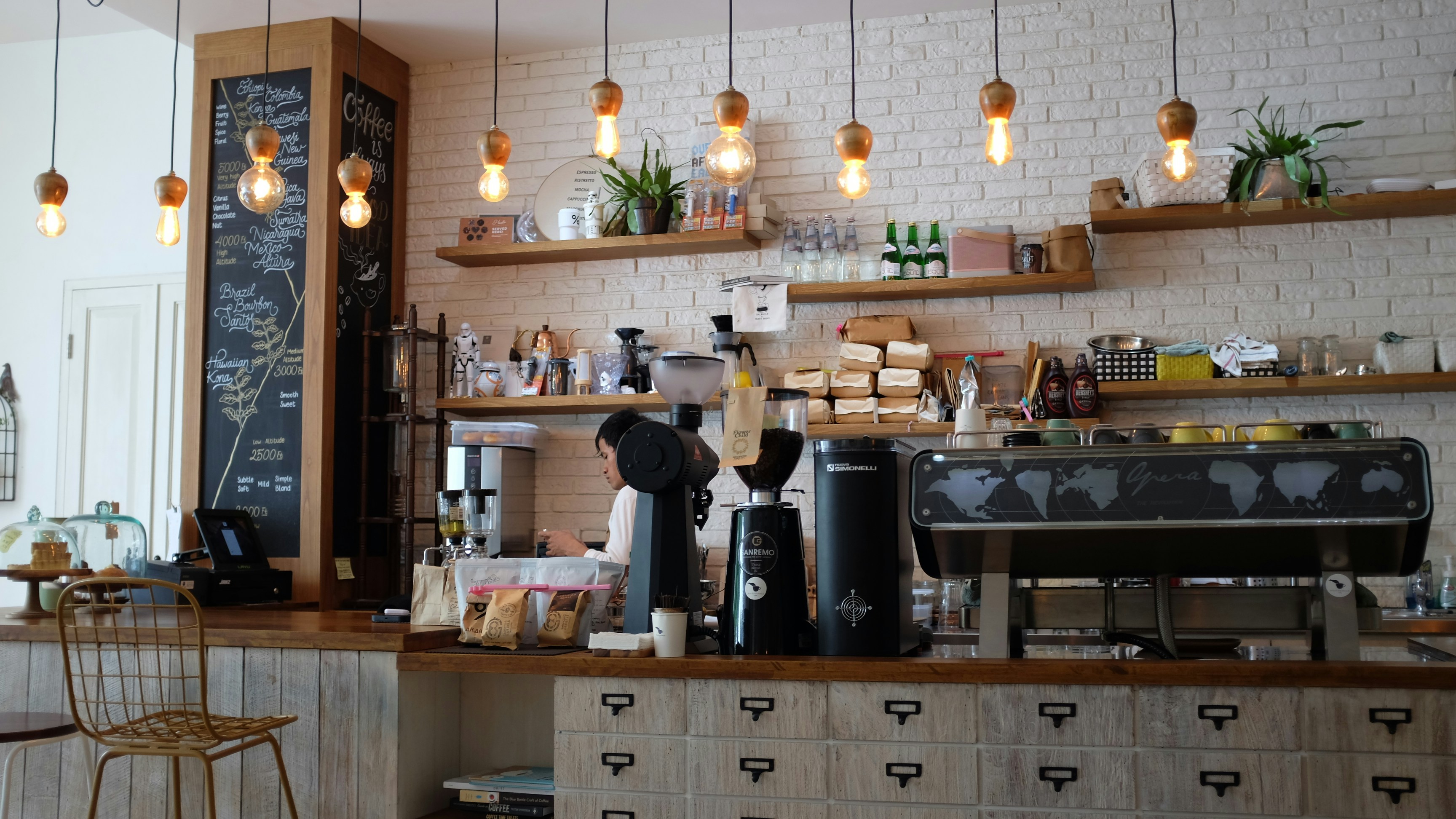
Hardee’s giant Boddie-Noell inks 31-unit Scooter’s Coffee deal for NC and VA, leveraging drive-thru growth and local roots with rollout over 12–18 months.
May 15, 2026
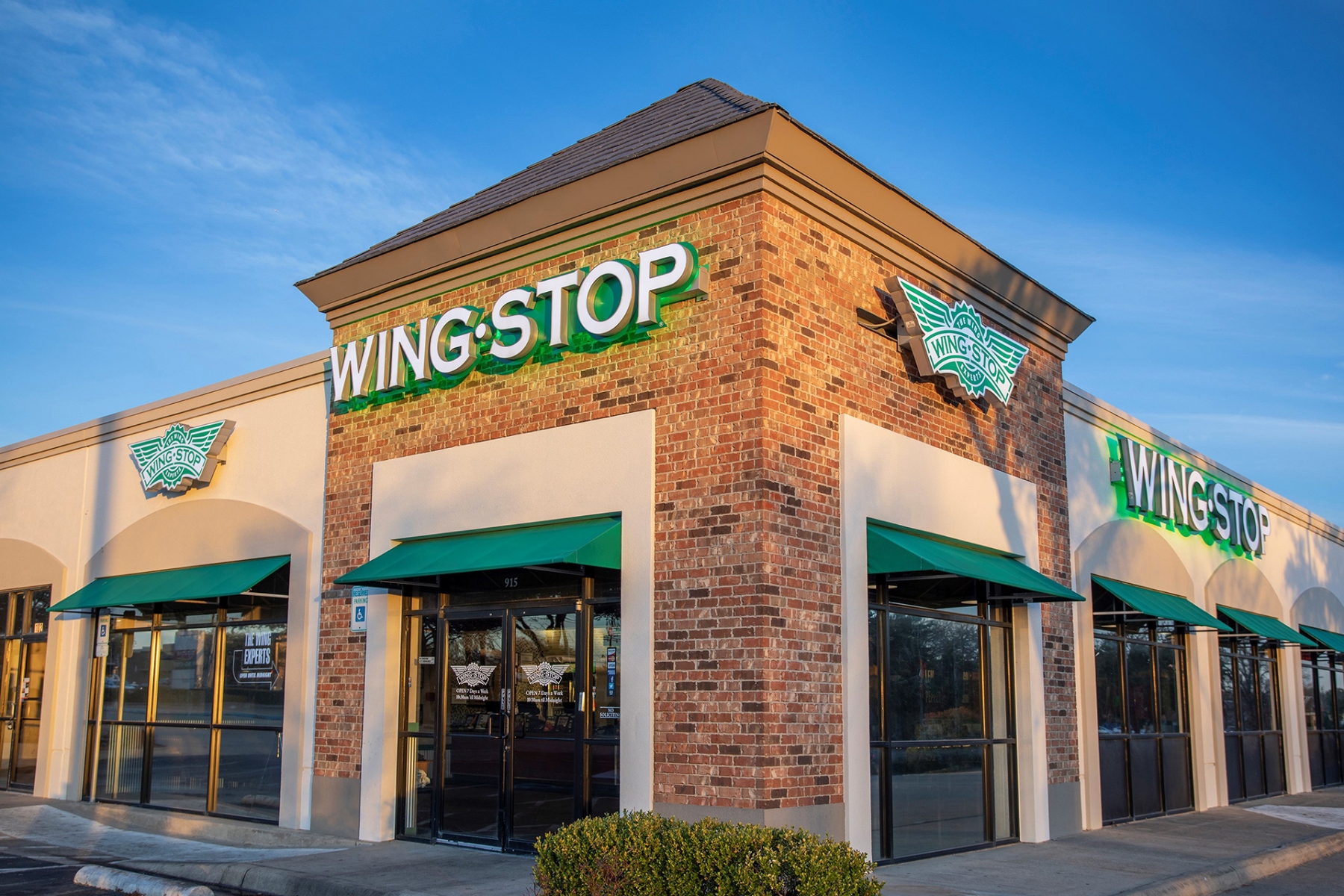
Wingstop turns match weeks into a multi-sensory festival, aligning bold pop-ups with World Cup energy to build brand affinity and measurable momentum.
May 15, 2026

Learn how to develop a memorable restaurant brand identity that stands out in a crowded market, attracts loyal customers, and drives repeat business with actionable strategies and affordable tools.
May 15, 2026
The parent company behind Dunkin', Buffalo Wild Wings, and Arby's has filed for an IPO a move that could reshape how Wall Street views the restaurant sector.
May 15, 2026
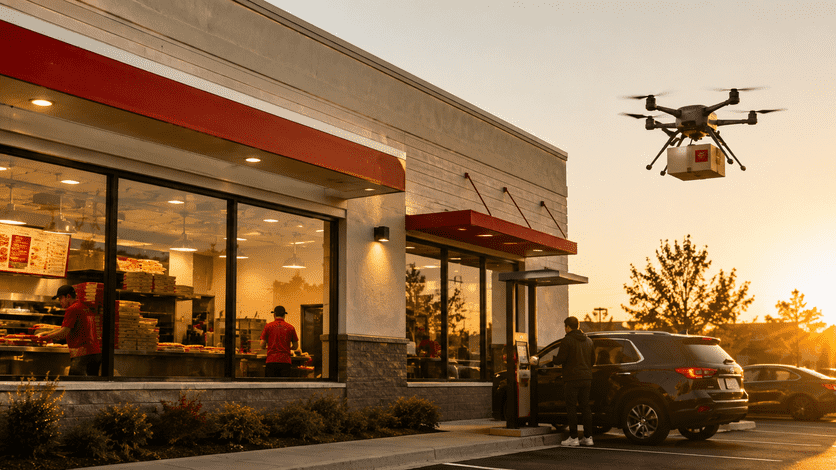
Papa Johns has teamed up with Alphabet's Wing for drone delivery of its new sandwich lineup in parts of Charlotte marking the first partnership of its kind between Wing and a national QSR brand.
May 15, 2026
Dirty soda chain Swig is expanding into Colorado through a 10-unit franchise deal, riding a consumer beverage trend that's catching the attention of major QSR players nationwide.
May 15, 2026
A warm, expert-led look at McDonald’s Q1 results, menu makeover, and the refranchise question shaping its growth.
May 14, 2026
A reflective look at Habit Ranch, its immersive desert activation, and what it signals for brand loyalty and mindful, experiential dining.
May 14, 2026

Unlock Exclusive Access To Webinars, Events, And The Latest News For Free!
A wave of Chapter 11 cases—EYM Pizza L.P., One Table, and Red Lobster—redefines vendor ties, franchising terms, and competition in mid-market casual dining.
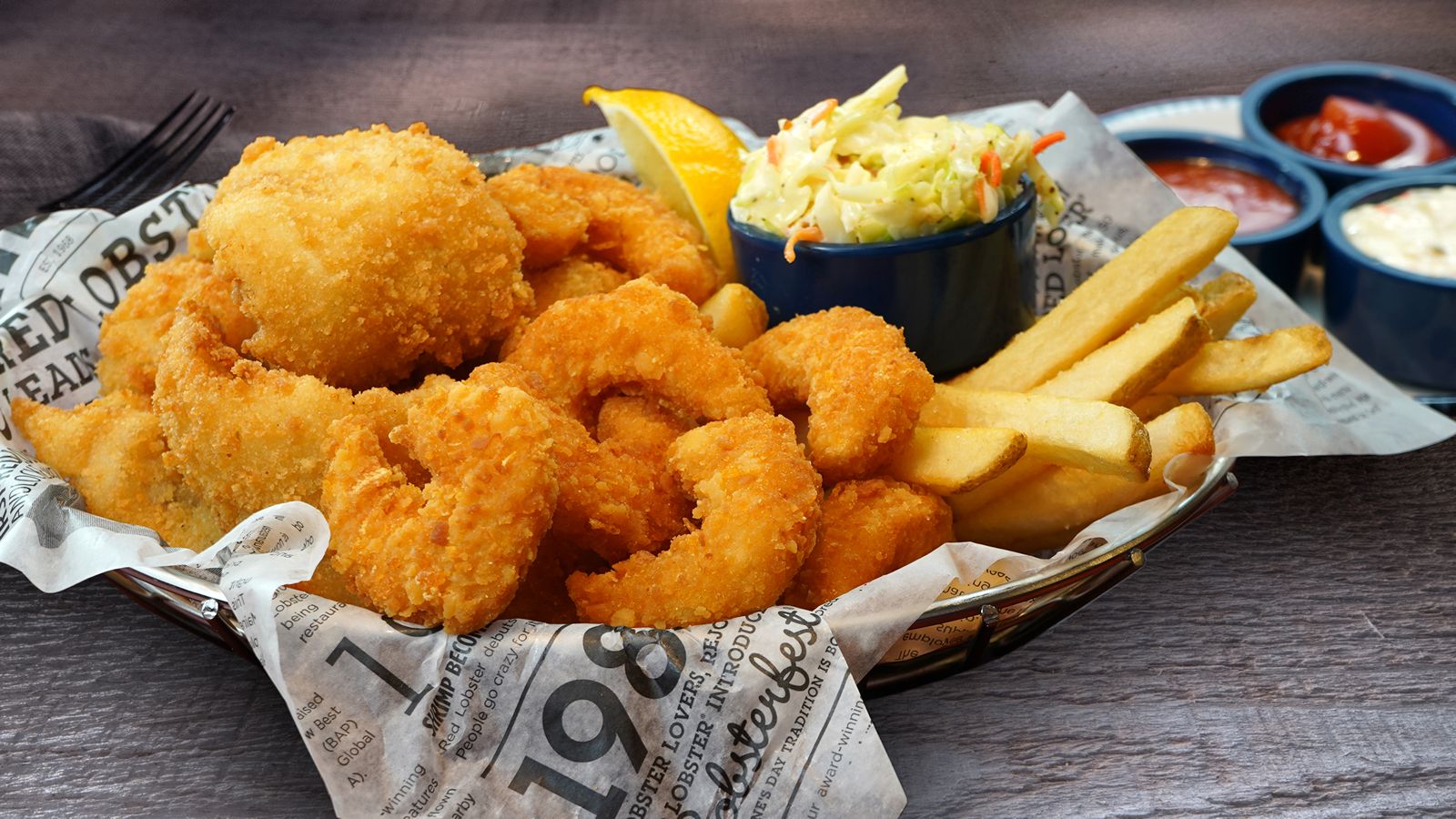
On a quiet morning, the dining room of the industry feels lit, listening for the next note in a familiar tune. A wave sits at the threshold of a table: EYM Pizza L.P., the Pizza Hut franchisee, has filed for Chapter 11 in the Eastern District of Texas, pulling Wisconsin and Indiana affiliates into its orbit. The mood is less panic than a gentle rearrangement of chairs and menus, a reminder that change can invite resilience. Across the coast, One Table Restaurant Brands LLC—the Los Angeles–based parent of Tender Greens and Tocaya Modern Mexican—has also stepped into Chapter 11. These names are more than labels; they’re places where guests gather, and where a season’s shift begins to shape tomorrow’s table:
These shifts aren’t merely numbers; they’re meals being rewritten. Debts, plans, and vendor terms will set the table for what the brands become, not merely what they were. The quiet conversations in board rooms may decide which doors stay open and which doors open anew.
From the filings, the debt reads like a map. Manufacturers Bank is owed more than $21 million by EYM Pizza L.P., while the company carries a franchise royalty claim from Pizza Hut itself totaling just under $2.25 million. In contrast, One Table Restaurant Brands LLC carries a debt load broadly cited at $10 million to $50 million against assets under $50,000, a pairing that invites liquidation or restructuring as a path to value. On the horizon, Red Lobster has been navigating its own restructuring since May, with Fortress Investment Group and its affiliate among principal creditors and potential acquirers in the wings. The stories are different in tone, yet they share the same kitchen: the art of reorganization with a careful palate for timing and relationships.
These shifts aren’t merely numbers; they’re meals being rewritten. Debts, plans, and vendor terms will set the table for what the brands become, not merely what they were. The quiet conversations in board rooms may decide which doors stay open and which doors open anew.
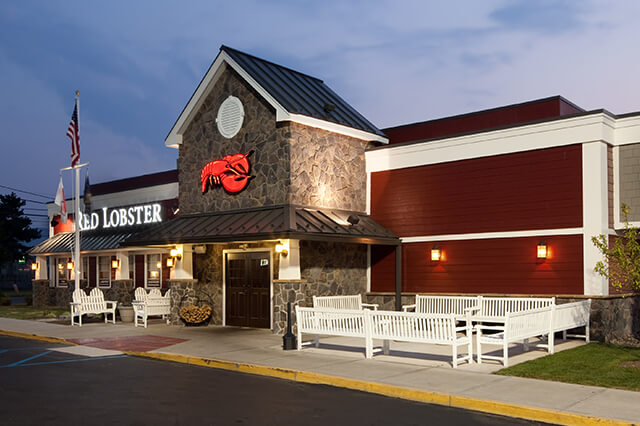
The landscape is a study in contrasts: California‑heavy footprints for Tender Greens and Tocaya bring regional resilience concerns, while the very idea of a 363 sale hints at how lenders want to reclaim value through disciplined asset dispositions. The context remains crowded by post‑pandemic margin pressure, rising labor costs, and ongoing supply‑chain volatility, all shaping what a recovery could look like for mid‑sized concepts.
Analysts emphasize that One Table’s path may hinge on a court‑supervised sale that preserves brand value while enabling liquidation or reconstruction. Industry reports note that a Breakwater Management affiliate emerged as a potential buyer through a 363‑sale framework, a sign of lenders aiming to recapture value through strategic asset dispositions. The backdrop remains steep: post‑pandemic margin pressure, higher labor costs, and ongoing supply‑chain volatility; together, these pressures frame how a mid‑sized operator can reemerge or reconfigure for a different market.