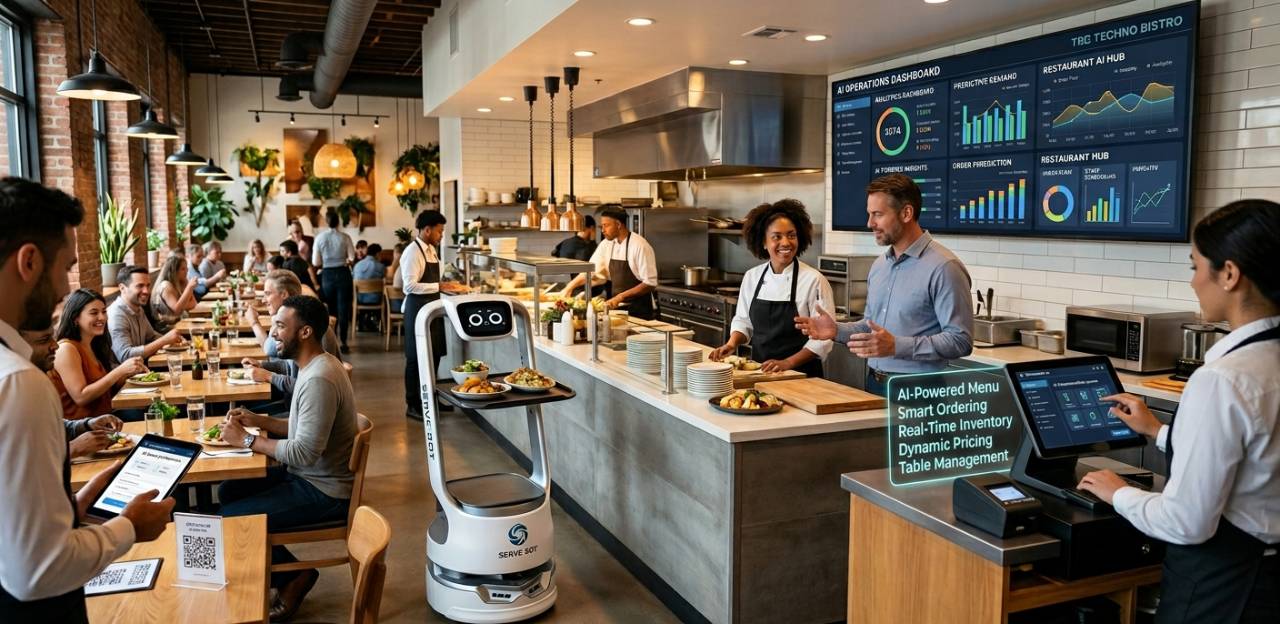
AI Playbook for Restaurant Owners
This AI playbook covers restaurant tools for voice ordering, staffing, compliance, menu pricing, inventory, marketing, ChatGPT prompts, and SEO.
tech
May 15, 2026
This AI playbook covers restaurant tools for voice ordering, staffing, compliance, menu pricing, inventory, marketing, ChatGPT prompts, and SEO.
May 15, 2026
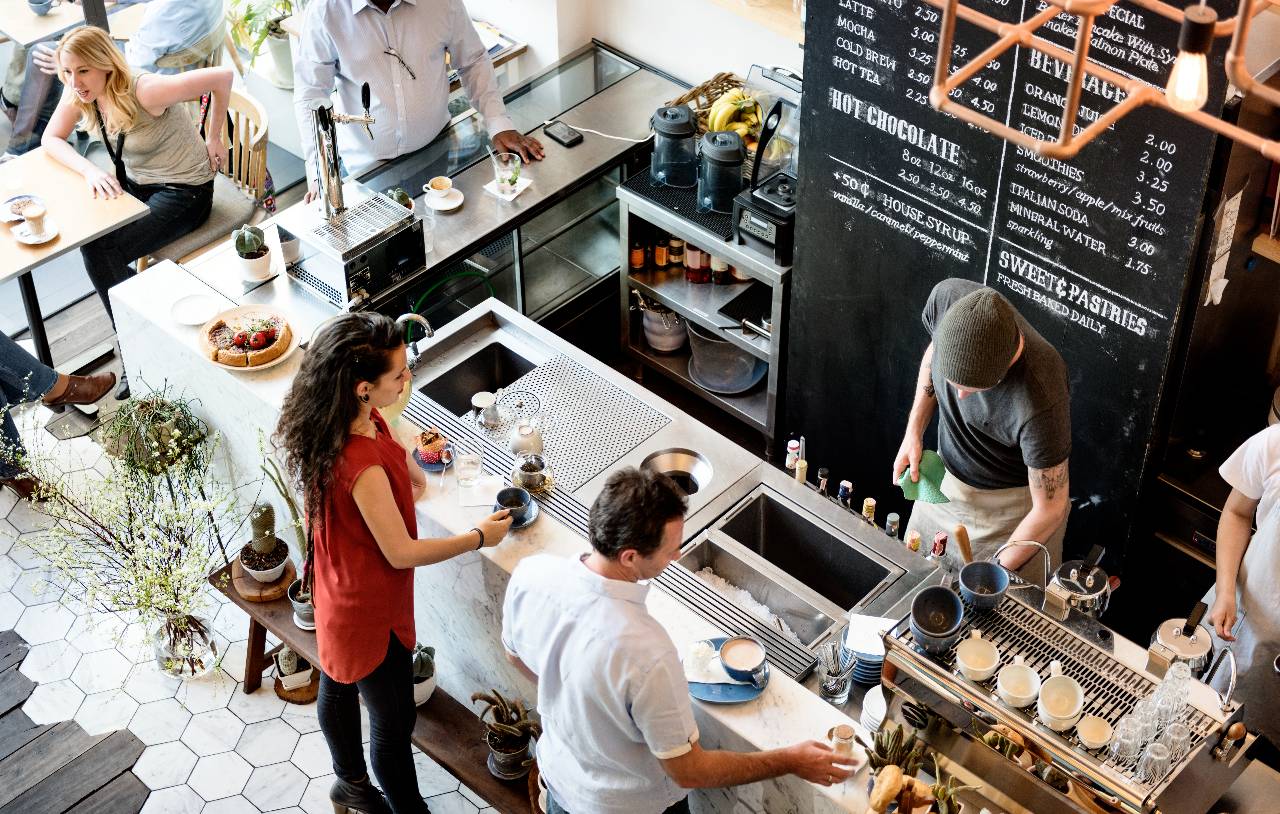
Opening a coffee shop in 2026 requires careful cost planning across rent, equipment, labor, technology, menu strategy, marketing, and sustainability.
May 15, 2026
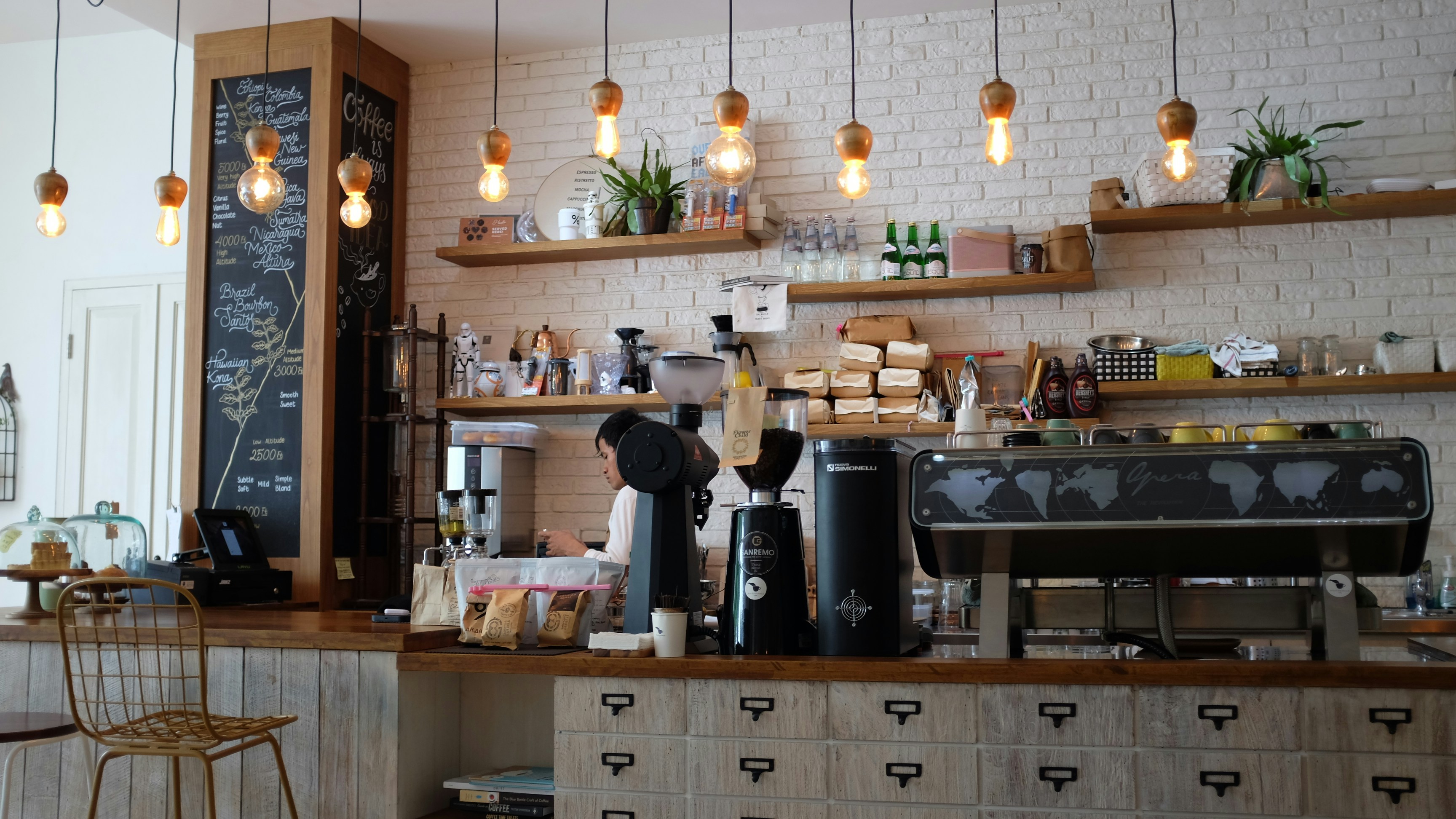
Hardee’s giant Boddie-Noell inks 31-unit Scooter’s Coffee deal for NC and VA, leveraging drive-thru growth and local roots with rollout over 12–18 months.
May 15, 2026
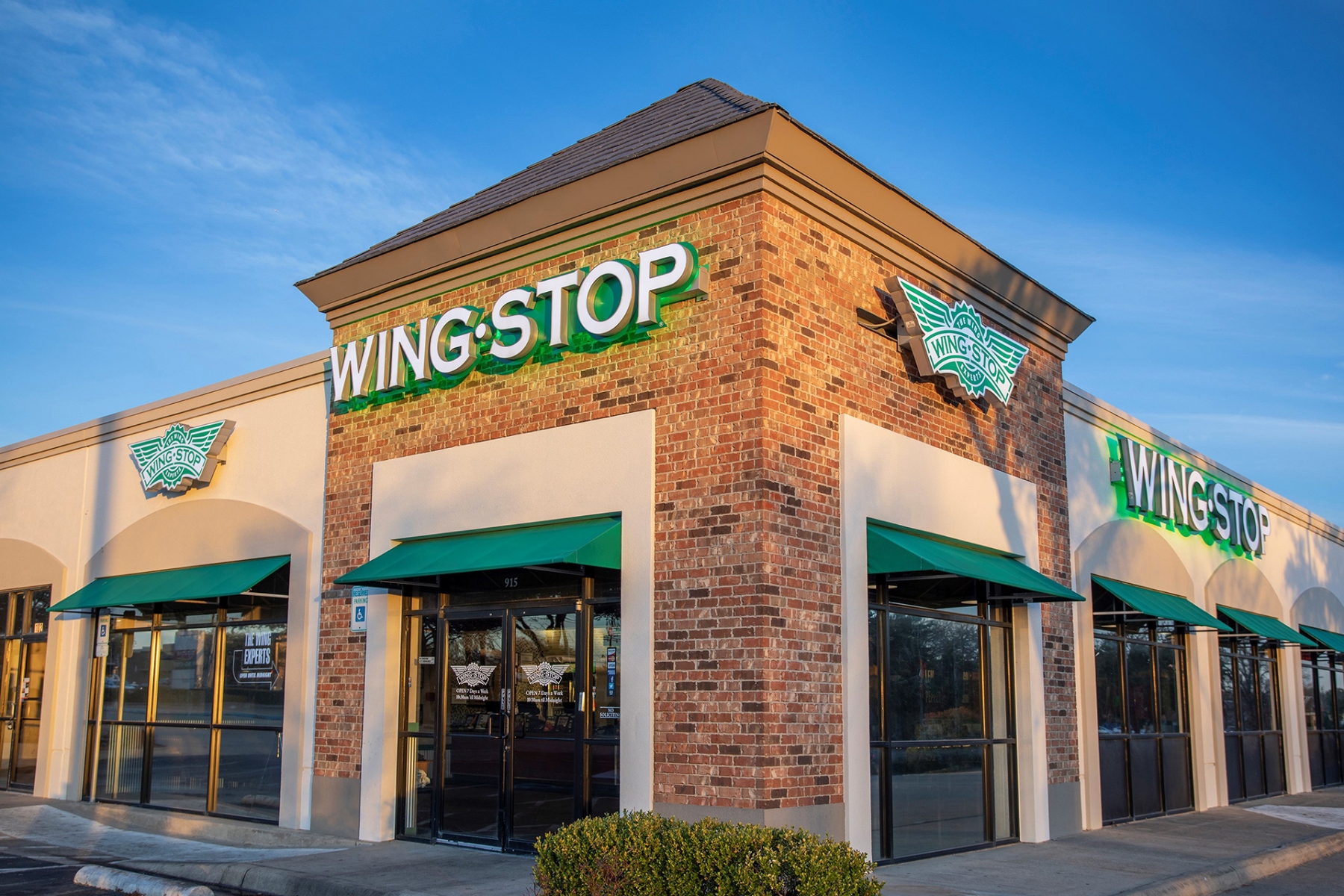
Wingstop turns match weeks into a multi-sensory festival, aligning bold pop-ups with World Cup energy to build brand affinity and measurable momentum.
May 15, 2026

Learn how to develop a memorable restaurant brand identity that stands out in a crowded market, attracts loyal customers, and drives repeat business with actionable strategies and affordable tools.
May 15, 2026
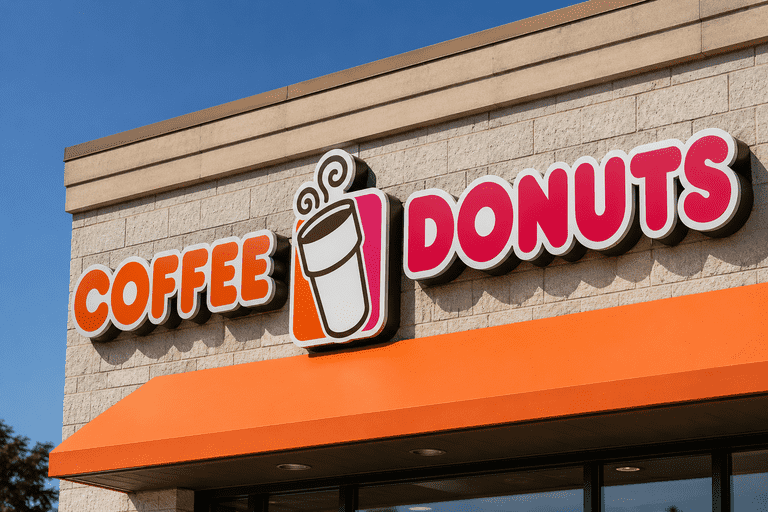
The parent company behind Dunkin', Buffalo Wild Wings, and Arby's has filed for an IPO a move that could reshape how Wall Street views the restaurant sector.
May 15, 2026
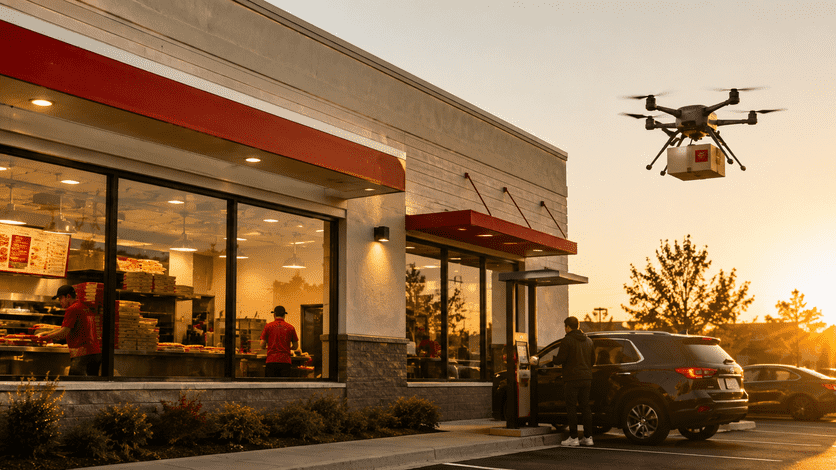
Papa Johns has teamed up with Alphabet's Wing for drone delivery of its new sandwich lineup in parts of Charlotte marking the first partnership of its kind between Wing and a national QSR brand.
May 15, 2026
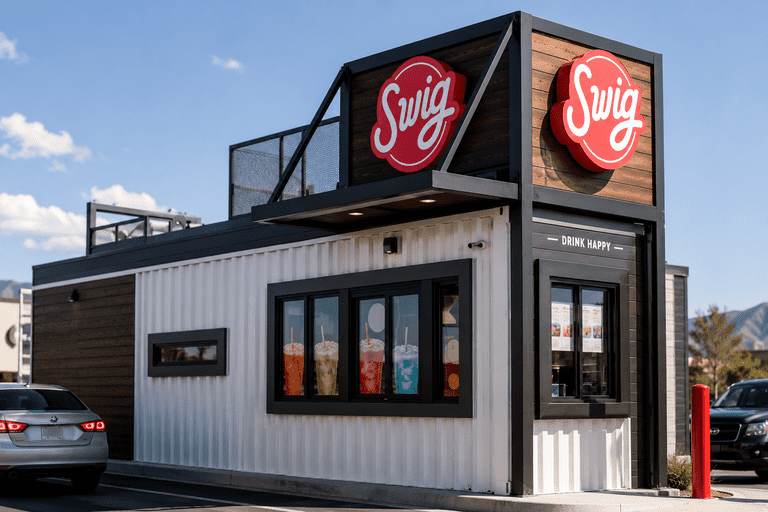
Dirty soda chain Swig is expanding into Colorado through a 10-unit franchise deal, riding a consumer beverage trend that's catching the attention of major QSR players nationwide.
May 15, 2026
A warm, expert-led look at McDonald’s Q1 results, menu makeover, and the refranchise question shaping its growth.
May 14, 2026
A reflective look at Habit Ranch, its immersive desert activation, and what it signals for brand loyalty and mindful, experiential dining.
May 14, 2026

Unlock Exclusive Access To Webinars, Events, And The Latest News For Free!
Explore the impact of California's rejected Proposition 32, a proposed minimum wage increase, on the state's economy and job market.

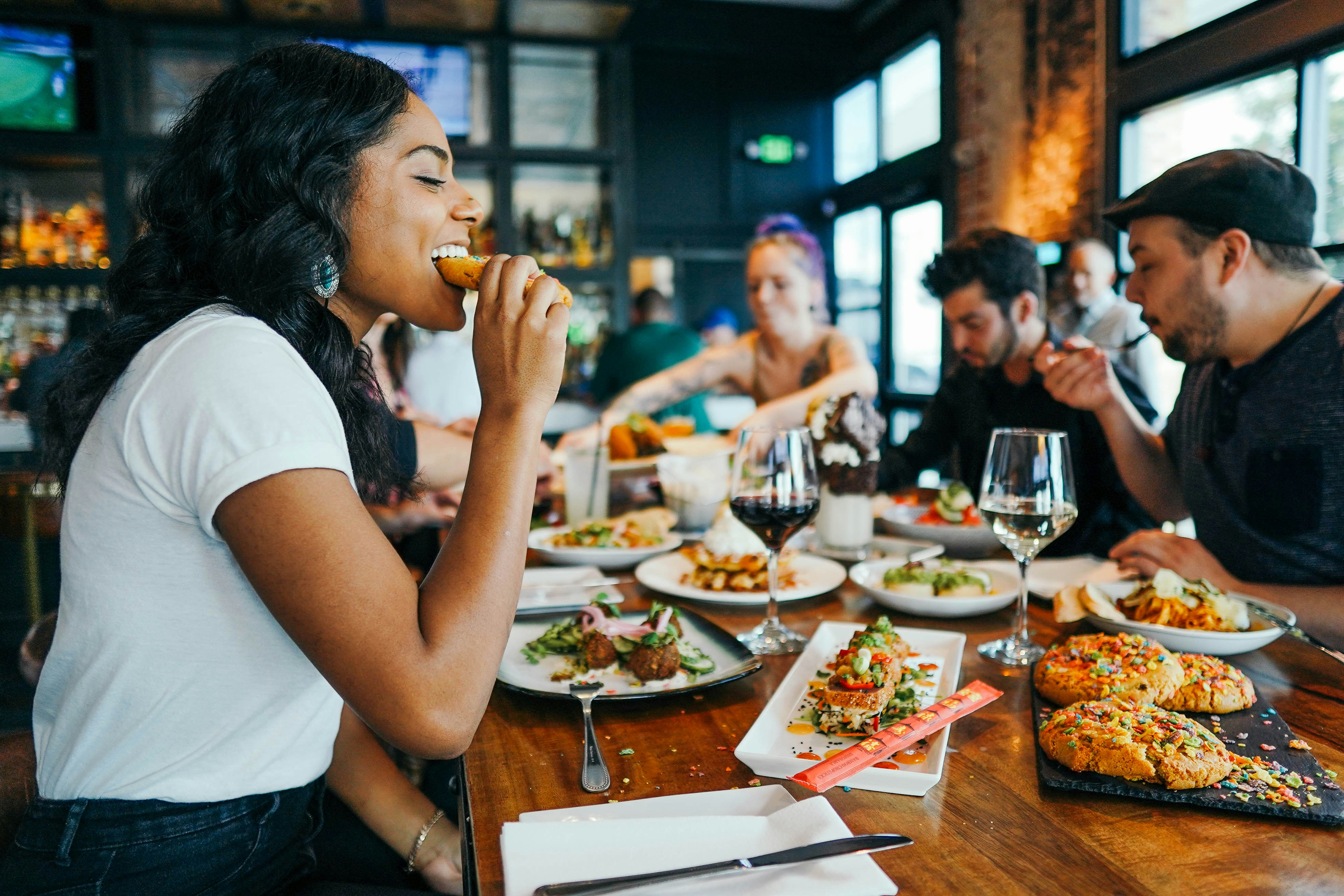
Photo by Annie Spratt
Photo by Annie Spratt
The decision by Californians to reject Proposition 32, which would have increased the state's minimum wage from $16 an hour to $18 an hour by 2026, has significant implications for the state's labor market and economy. With a narrow margin of 50.8% of voters voting against the proposition, the rejection marks a notable stance on wage policies in the state. Critics of the bill raised concerns about potential further price inflation and job cuts had the proposition passed. This rejection emphasizes the balancing act between wage increases and economic stability.

Photo by Annie Spratt
Even without the proposed minimum wage increase, California maintains one of the highest minimum wage rates in the country. Second only to Washington State, which will reach $16.66 starting Jan. 1, California has doubled its minimum wage since 2010. The state was the first to achieve the $15 threshold, a milestone that emerged from the 'Fight for $15' movements of the past. The rejection of Proposition 32 keeps California's wage policies in line with its history of progressive wage increases.
A notable aspect of California's wage laws is the establishment of a separate minimum wage for fast-food workers. After AB 1228 raised the minimum wage to $20 an hour for most fast-food workers, concerns arose about its impact on the restaurant industry. Reports in June highlighted that price increases due to the legislation led to a decline in restaurant traffic. This trend continued through August, with a nearly 6% decrease compared to national averages. The intersection of minimum wage policies and industry-specific implications is a key area of debate.
While proponents of minimum wage growth argue that increased wages lead to higher spending and economic stimulation, the rejection of Proposition 32 reveals a nuanced public sentiment. Experts suggest that voters were swayed by concerns over price inflation and economic uncertainty, underscoring the delicate balance between wage policies and economic stability. John Kabateck's statement on Californians expressing discontent with rising costs and uncertainty reflects a broader sentiment that influenced the proposition's outcome.

Photo by Annie Spratt
The mixed results of minimum wage legislation across the country on Election Day spotlight diverse approaches to wage policies. While California rejected a wage increase, Alaska's approval of a $15 minimum wage contrasts with Missouri's decision against similar wage growth. These contrasting outcomes reflect the varying economic landscapes and political dynamics shaping wage policies at the state level.
The rejection of Proposition 32 in California demonstrates the intricate considerations surrounding minimum wage policies. Balancing the needs of workers, businesses, and the broader economy remains a complex challenge. As wage policies continue to evolve, understanding the impacts of such decisions on different sectors of the economy is crucial for informed policymaking and economic stability.