How Much Does It Cost to Open a Coffee Shop in 2026?
Opening a coffee shop in 2026 requires careful cost planning across rent, equipment, labor, technology, menu strategy, marketing, and sustainability.
operations
May 15, 2026
Opening a coffee shop in 2026 requires careful cost planning across rent, equipment, labor, technology, menu strategy, marketing, and sustainability.
May 15, 2026

This AI playbook covers restaurant tools for voice ordering, staffing, compliance, menu pricing, inventory, marketing, ChatGPT prompts, and SEO.
May 15, 2026

Hardee’s giant Boddie-Noell inks 31-unit Scooter’s Coffee deal for NC and VA, leveraging drive-thru growth and local roots with rollout over 12–18 months.
May 15, 2026

Wingstop turns match weeks into a multi-sensory festival, aligning bold pop-ups with World Cup energy to build brand affinity and measurable momentum.
May 15, 2026

The parent company behind Dunkin', Buffalo Wild Wings, and Arby's has filed for an IPO a move that could reshape how Wall Street views the restaurant sector.
May 15, 2026

Learn how to develop a memorable restaurant brand identity that stands out in a crowded market, attracts loyal customers, and drives repeat business with actionable strategies and affordable tools.
May 15, 2026

Dirty soda chain Swig is expanding into Colorado through a 10-unit franchise deal, riding a consumer beverage trend that's catching the attention of major QSR players nationwide.
May 15, 2026

Papa Johns has teamed up with Alphabet's Wing for drone delivery of its new sandwich lineup in parts of Charlotte marking the first partnership of its kind between Wing and a national QSR brand.
May 15, 2026

A warm, expert-led look at McDonald’s Q1 results, menu makeover, and the refranchise question shaping its growth.
May 14, 2026

A reflective look at Habit Ranch, its immersive desert activation, and what it signals for brand loyalty and mindful, experiential dining.
May 14, 2026

Unlock Exclusive Access To Webinars, Events, And The Latest News For Free!
A TREW-led Chapter 11 restart stabilizes BurgerFi and Anthony’s, preserving people, programs, and operations through a disciplined restructuring.
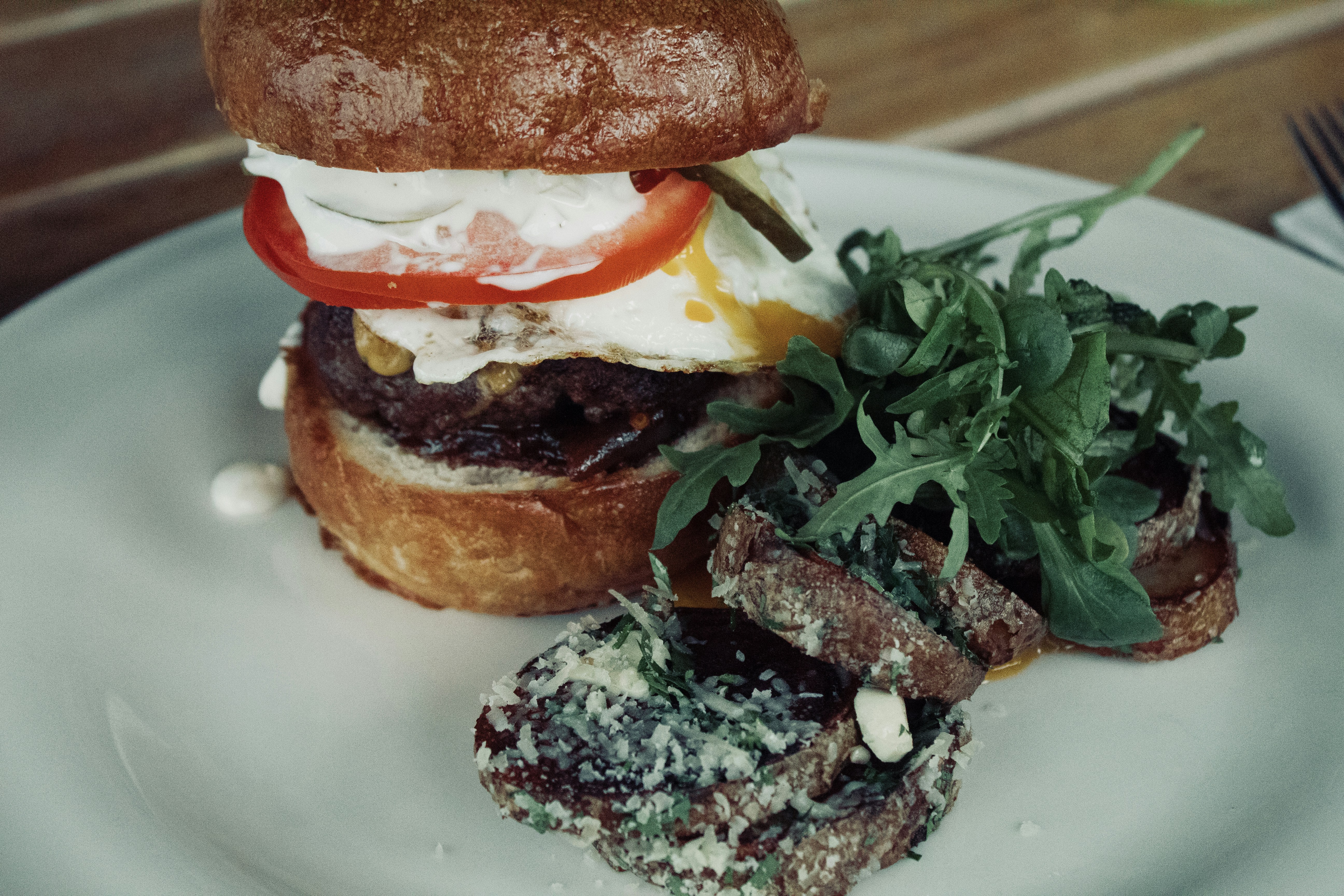
Photo by Tofan Teodor
From the outside, BurgerFi’s decision to enter Chapter 11 reads as a careful rebalancing rather than a collapse. The court-supervised process aims to steady operations across 144 locations while charting a path forward for two brands: BurgerFi and Anthony’s Coal Fired Pizza & Wings. Interim access to $3.5 million in DIP financing from an affiliate of TREW Capital Management is designed to prevent service disruptions, preserve payroll, vendor relationships, and the core customer programs that fuel everyday loyalty. In September 2024, CEO Carl Bachmann framed the move as a shield for employees, customers, and franchise partners, a testament to a thoughtful, nourished approach to restructuring. This is not a retreat but a deliberate, balanced restart; so what happens next on this staged path?
Earlier signals of lender support came with an additional $2.5 million in emergency funding in mid‑August, underscoring sustained confidence through the process. The court relief also authorizes continued use of employee benefits, cash management, and customer programs, crucial for payroll, vendor relations, and loyalty initiatives during the reorganization. The goal is to preserve value while management pursues a sale or other strategic transaction, guided by a disciplined governance structure. A second‑day hearing was scheduled for October 7, 2024 to seek final approval, with Jeremy Rosenthal serving as Chief Restructuring Officer to oversee day‑to‑day execution and creditor negotiations.
BurgerFi’s distress traces back to the 2021 acquisition of Anthony’s Coal Fired Pizza & Wings, after which growth stalled and pressure from inflation and labor costs intensified. Industry coverage notes that performance deteriorated from 2022 to 2023, as Technomic data showed a 7.5% decline in sales and a 5.3% drop in unit counts, including the closure of six underperforming stores. These dynamics underscored vulnerabilities across corporate and franchise locations and helped spur the strategic review that followed, along with leadership changes aimed at rekindling momentum.
Those pressures fed a broader strategic response. Analysts highlighted lingering cost pressures and a competitive market that challenged momentum, prompting leadership shifts and a focused plan to re‑imagine products, partner networks, and store formats across both BurgerFi and Anthony’s. The coverage points to the need for discipline on margins, a tightened product roadmap, and a clear plan to balance the interests of corporate and franchise partners as the brands pursue renewed growth.
The court approved interim access to $3.5 million in DIP financing to stabilize operations and support a structured turnaround for all 144 locations. The relief also authorized continued use of employee wages and benefits, cash management, and customer programs, signaling an intent to minimize disruption for staff, customers, and franchise partners during the reorganization. A second‑day hearing was set for October 7, 2024 to seek final approval, with Jeremy Rosenthal acting as Chief Restructuring Officer to oversee day‑to‑day execution and creditor negotiations. The filing and motions reflect a disciplined approach to preserving value while management pursues a sale or other strategic transaction.
Beyond the courtroom motions, the DIP plan embodies careful governance: keep wages flowing, keep supplier relationships intact, and maintain loyalty initiatives so that brand equity does not erode in the transition. As press materials emphasized, the goal is to preserve operating value and position the brands for a potential sale or partnership that unlocks value for creditors while protecting employees and franchise partners.
Leadership moves framed the early part of the restructuring. Carl Bachmann was installed as CEO in 2023 after a prior tenure at Smashburger, and his public statements framed the turnaround as a push to improve products and menu innovation across both BurgerFi and Anthony’s brands. Meanwhile, David Heidecorn, formerly an independent board member and chairman, signaled strategic shifts by directing the board to pursue a defined set of strategic alternatives. Jeremy Rosenthal was appointed Chief Restructuring Officer to lead negotiations and oversee the process, including the execution of operational motions.
These leadership shifts reflect a deliberate effort to stabilize governance and align capabilities with the restructuring objectives. Retention agreements with key executives were disclosed to ensure stable leadership during the process, underscoring a thoughtful commitment to continuity for staff, partners, and customers as the brands navigate a challenging period and seek a clearer path forward.
The culmination of the process came with a sale to an affiliate of TREW Capital Management. A bankruptcy judge approved the transaction, with TREW’s bid including forgiving roughly $54 million in debt while providing approximately $3.5 million in DIP financing to support ongoing operations through the sale. The deal consolidated ownership under TREW, with Anthony’s Coal Fired Pizza assets fetching about $44 million and BurgerFi assets about $10 million, and the closing occurred after court approvals in November 2024.
The sale effectively ends BurgerFi’s search for strategic alternatives and places the brands under new ownership as the court continues its oversight. Yet questions remain about the post‑sale ownership structure and the path to renewed momentum. Leadership shifts, a tightened product roadmap, and ongoing vendor relationships will shape the recovery, while ultimate outcomes hinge on market reception, cost controls, and the ability to translate restructuring into sustainable profits. The disclosures sketch a credible trajectory, while also underscoring the limits of early projections in a complex, multi‑brand restructuring.