How Much Does It Cost to Open a Coffee Shop in 2026?
Opening a coffee shop in 2026 requires careful cost planning across rent, equipment, labor, technology, menu strategy, marketing, and sustainability.
operations
May 15, 2026
Opening a coffee shop in 2026 requires careful cost planning across rent, equipment, labor, technology, menu strategy, marketing, and sustainability.
May 15, 2026

This AI playbook covers restaurant tools for voice ordering, staffing, compliance, menu pricing, inventory, marketing, ChatGPT prompts, and SEO.
May 15, 2026

Hardee’s giant Boddie-Noell inks 31-unit Scooter’s Coffee deal for NC and VA, leveraging drive-thru growth and local roots with rollout over 12–18 months.
May 15, 2026

Wingstop turns match weeks into a multi-sensory festival, aligning bold pop-ups with World Cup energy to build brand affinity and measurable momentum.
May 15, 2026

The parent company behind Dunkin', Buffalo Wild Wings, and Arby's has filed for an IPO a move that could reshape how Wall Street views the restaurant sector.
May 15, 2026

Learn how to develop a memorable restaurant brand identity that stands out in a crowded market, attracts loyal customers, and drives repeat business with actionable strategies and affordable tools.
May 15, 2026

Dirty soda chain Swig is expanding into Colorado through a 10-unit franchise deal, riding a consumer beverage trend that's catching the attention of major QSR players nationwide.
May 15, 2026

Papa Johns has teamed up with Alphabet's Wing for drone delivery of its new sandwich lineup in parts of Charlotte marking the first partnership of its kind between Wing and a national QSR brand.
May 15, 2026

A warm, expert-led look at McDonald’s Q1 results, menu makeover, and the refranchise question shaping its growth.
May 14, 2026

A reflective look at Habit Ranch, its immersive desert activation, and what it signals for brand loyalty and mindful, experiential dining.
May 14, 2026

Unlock Exclusive Access To Webinars, Events, And The Latest News For Free!
Explore the recent court-approved asset sale of BurgerFi and its corporate restructuring following Chapter 11 bankruptcy.
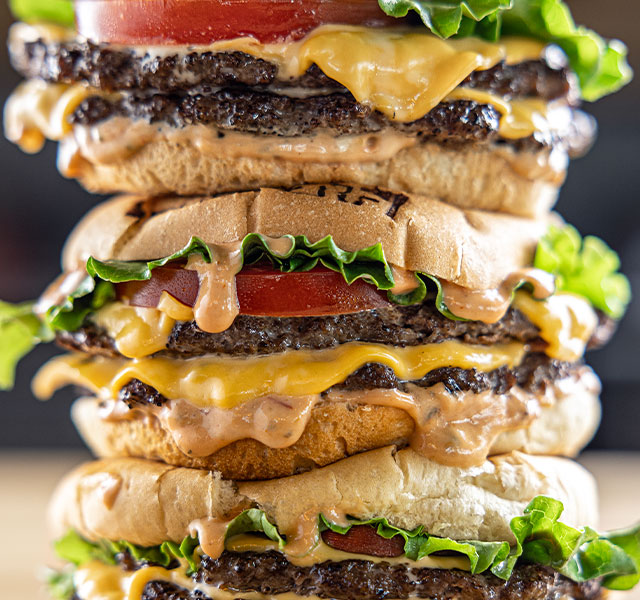
BurgerFi, a well-known restaurant chain, recently made headlines with the court-approved sale of its assets from both Anthony’s Coal Fired Pizza and BurgerFi brands. The approval came shortly after the company's Chapter 11 bankruptcy filing, signaling a significant restructuring phase for the business. The sale involved a credit bid of $44 million for Anthony’s Coal Fired Pizza assets and $10 million for BurgerFi assets, both acquired by TREW Capital Management Private Credit 2 LLC. This strategic move aimed to address the financial challenges and pave the way for a more sustainable future for the company.
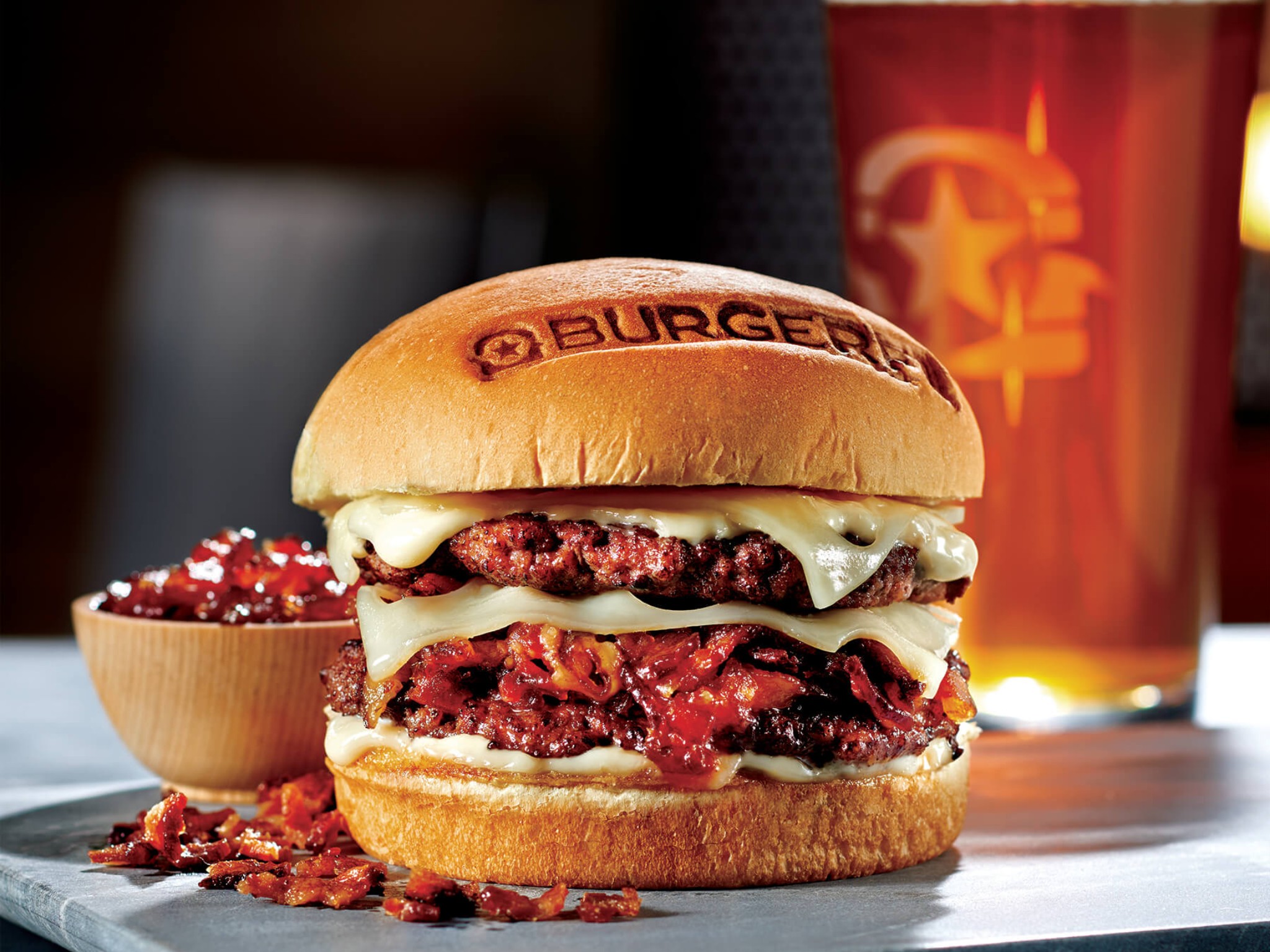
One notable development during this restructuring phase was the departure of Carl Bachmann from BurgerFi. Bachmann, the former Chief Executive Officer, left the company on November 15 and joined the purchaser of the Anthony’s Coal Fired Pizza assets. Importantly, the company clarified that Bachmann's departure was not due to any disagreements on operational matters. Bachmann had been instrumental in leading BurgerFi since July 2023, navigating challenges such as accumulated debt and restaurant closures.
BurgerFi's decision to explore 'strategic alternatives' this year and entering into a forbearance agreement with creditors highlighted the complexities the company was dealing with. Despite Bachmann's efforts and a solid turnaround plan, external factors in the macroenvironment posed obstacles. The hiring of Jeremy Rosenthal as the Chief Restructuring Officer in August signified a shift in the company's approach towards financial reorganization. Rosenthal's role was crucial in negotiating and executing key decisions during the bankruptcy proceedings.
Securing $3.5 million in financing from TREW Capital was a pivotal moment for BurgerFi, ensuring continued operations during the bankruptcy process. This injection of capital provided stability and the necessary resources to navigate the challenging financial landscape. The asset sales and financial restructuring marked a new chapter for BurgerFi, setting the stage for potential growth and stability moving forward. By addressing debt, closing underperforming locations, and streamlining operations, the company aimed to emerge stronger and more resilient.