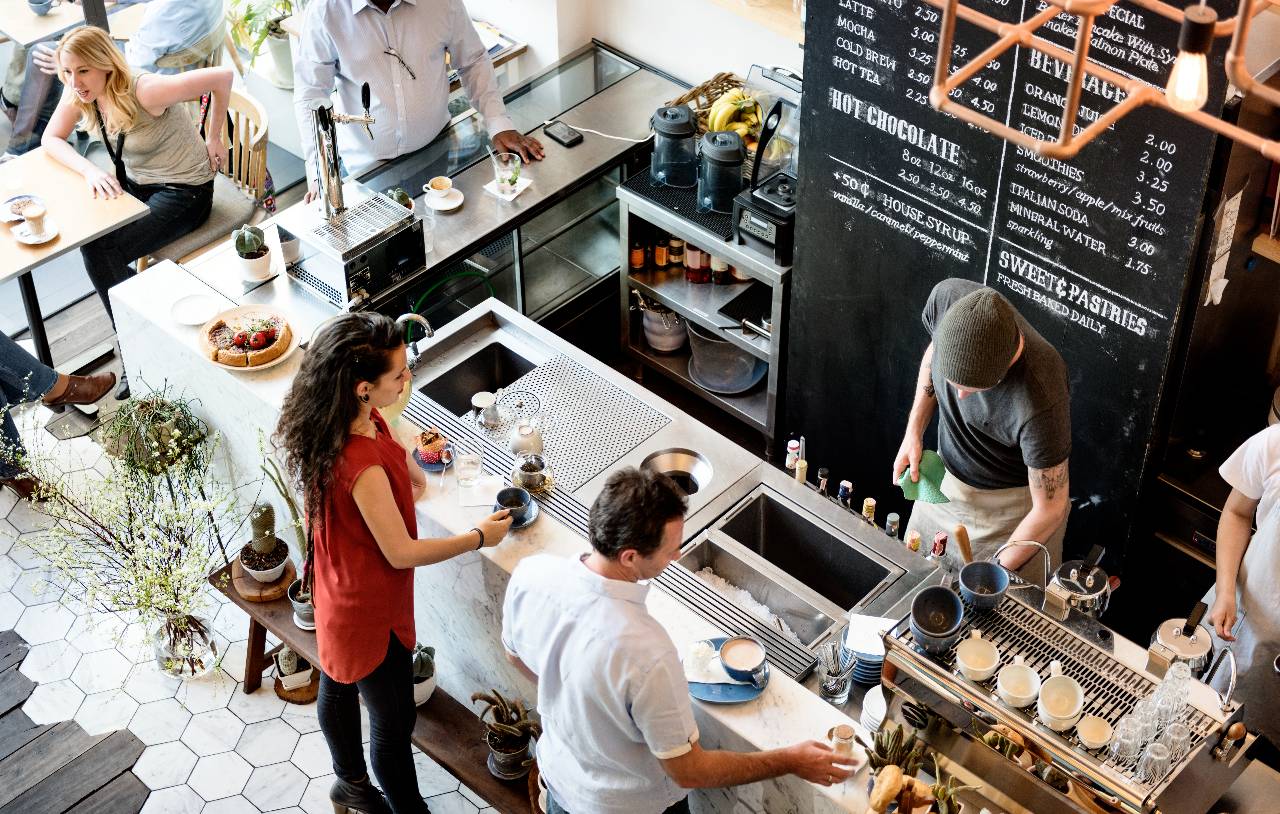
How Much Does It Cost to Open a Coffee Shop in 2026?
Opening a coffee shop in 2026 requires careful cost planning across rent, equipment, labor, technology, menu strategy, marketing, and sustainability.
operations
May 15, 2026
Opening a coffee shop in 2026 requires careful cost planning across rent, equipment, labor, technology, menu strategy, marketing, and sustainability.
May 15, 2026
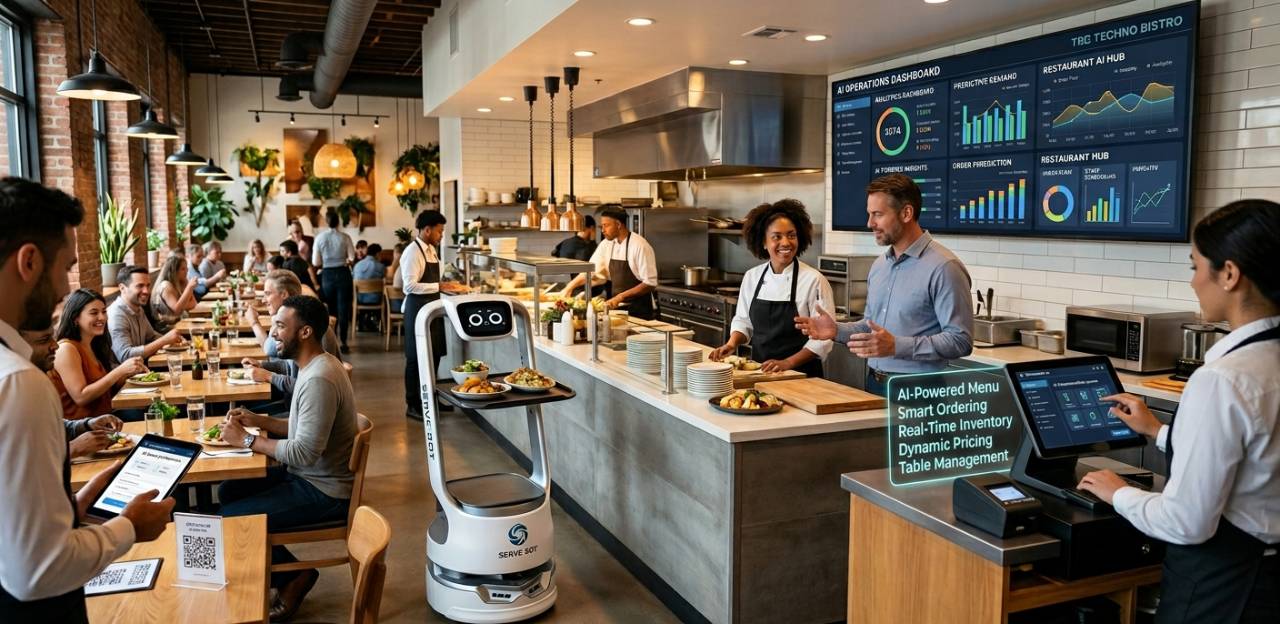
This AI playbook covers restaurant tools for voice ordering, staffing, compliance, menu pricing, inventory, marketing, ChatGPT prompts, and SEO.
May 15, 2026
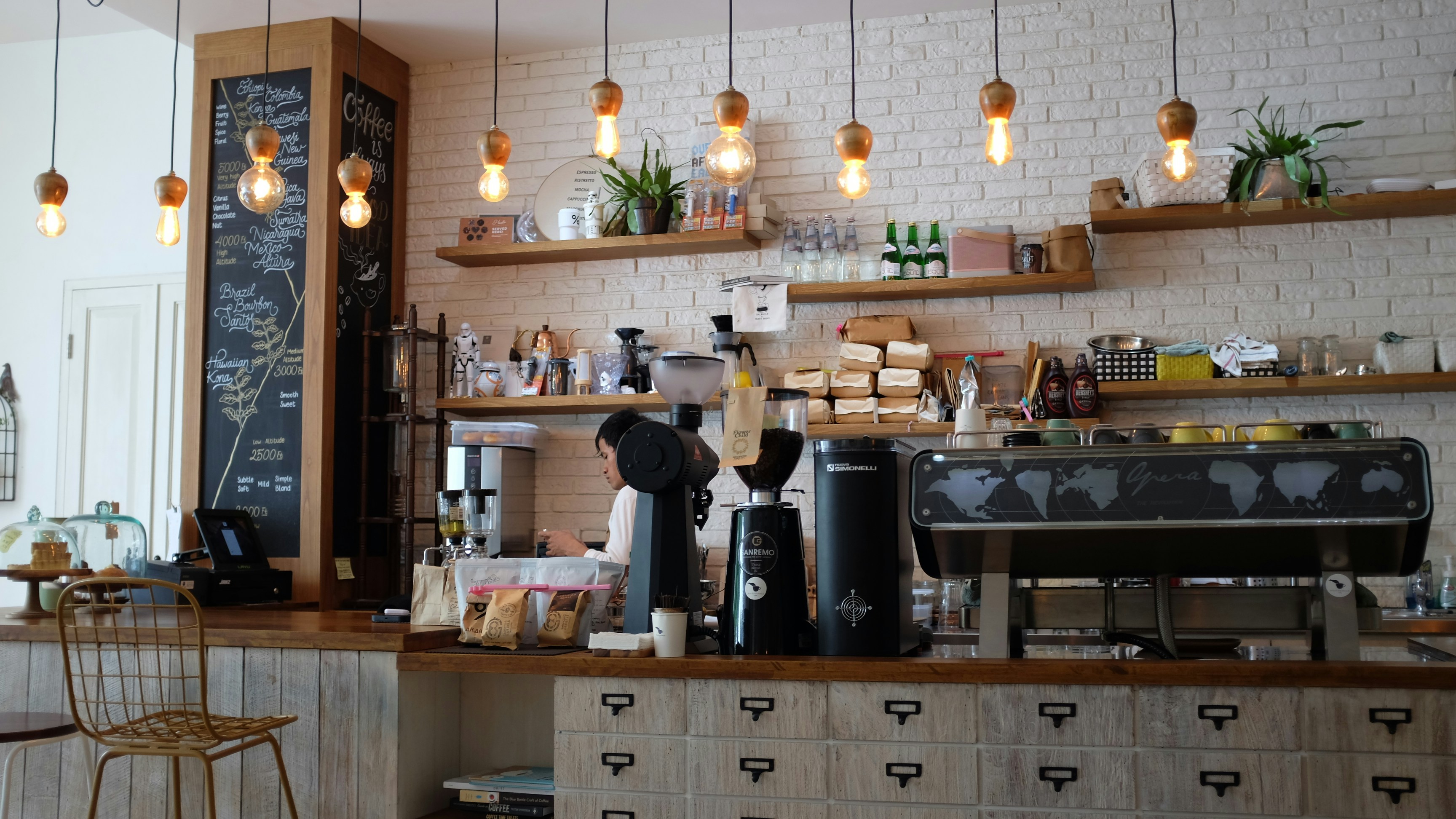
Hardee’s giant Boddie-Noell inks 31-unit Scooter’s Coffee deal for NC and VA, leveraging drive-thru growth and local roots with rollout over 12–18 months.
May 15, 2026
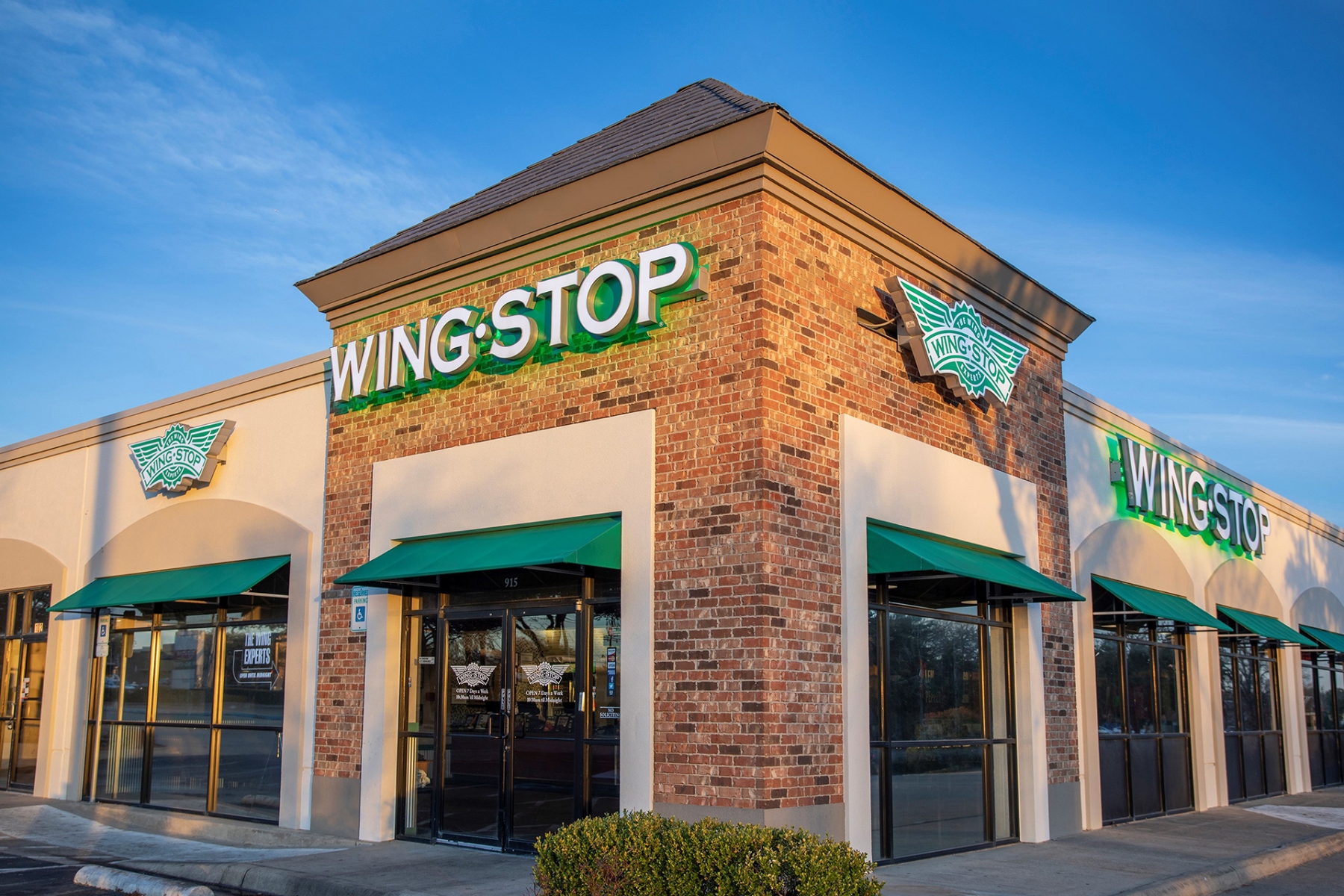
Wingstop turns match weeks into a multi-sensory festival, aligning bold pop-ups with World Cup energy to build brand affinity and measurable momentum.
May 15, 2026
The parent company behind Dunkin', Buffalo Wild Wings, and Arby's has filed for an IPO a move that could reshape how Wall Street views the restaurant sector.
May 15, 2026
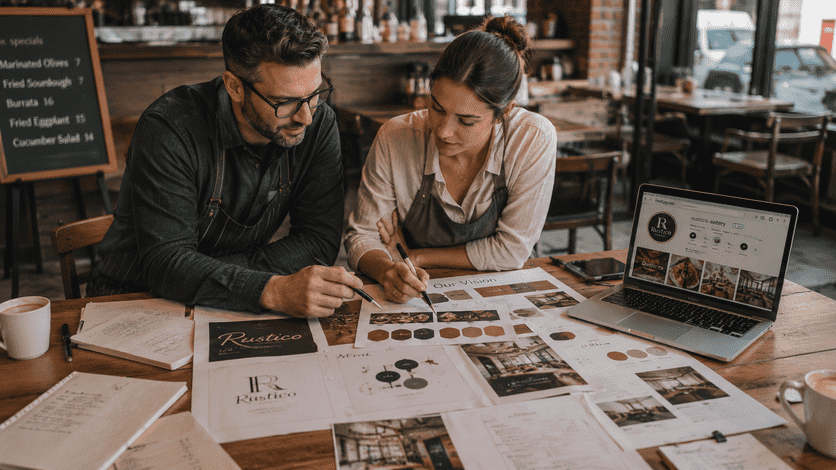
Learn how to develop a memorable restaurant brand identity that stands out in a crowded market, attracts loyal customers, and drives repeat business with actionable strategies and affordable tools.
May 15, 2026
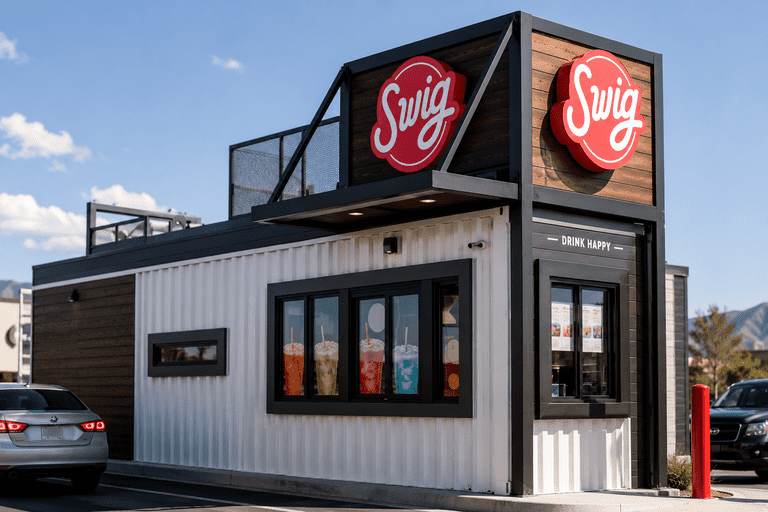
Dirty soda chain Swig is expanding into Colorado through a 10-unit franchise deal, riding a consumer beverage trend that's catching the attention of major QSR players nationwide.
May 15, 2026
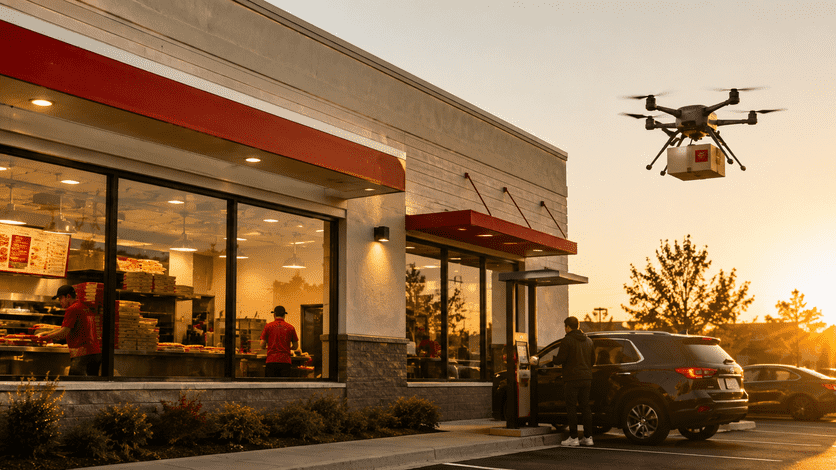
Papa Johns has teamed up with Alphabet's Wing for drone delivery of its new sandwich lineup in parts of Charlotte marking the first partnership of its kind between Wing and a national QSR brand.
May 15, 2026
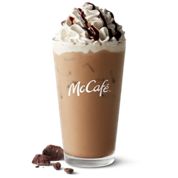
A warm, expert-led look at McDonald’s Q1 results, menu makeover, and the refranchise question shaping its growth.
May 14, 2026
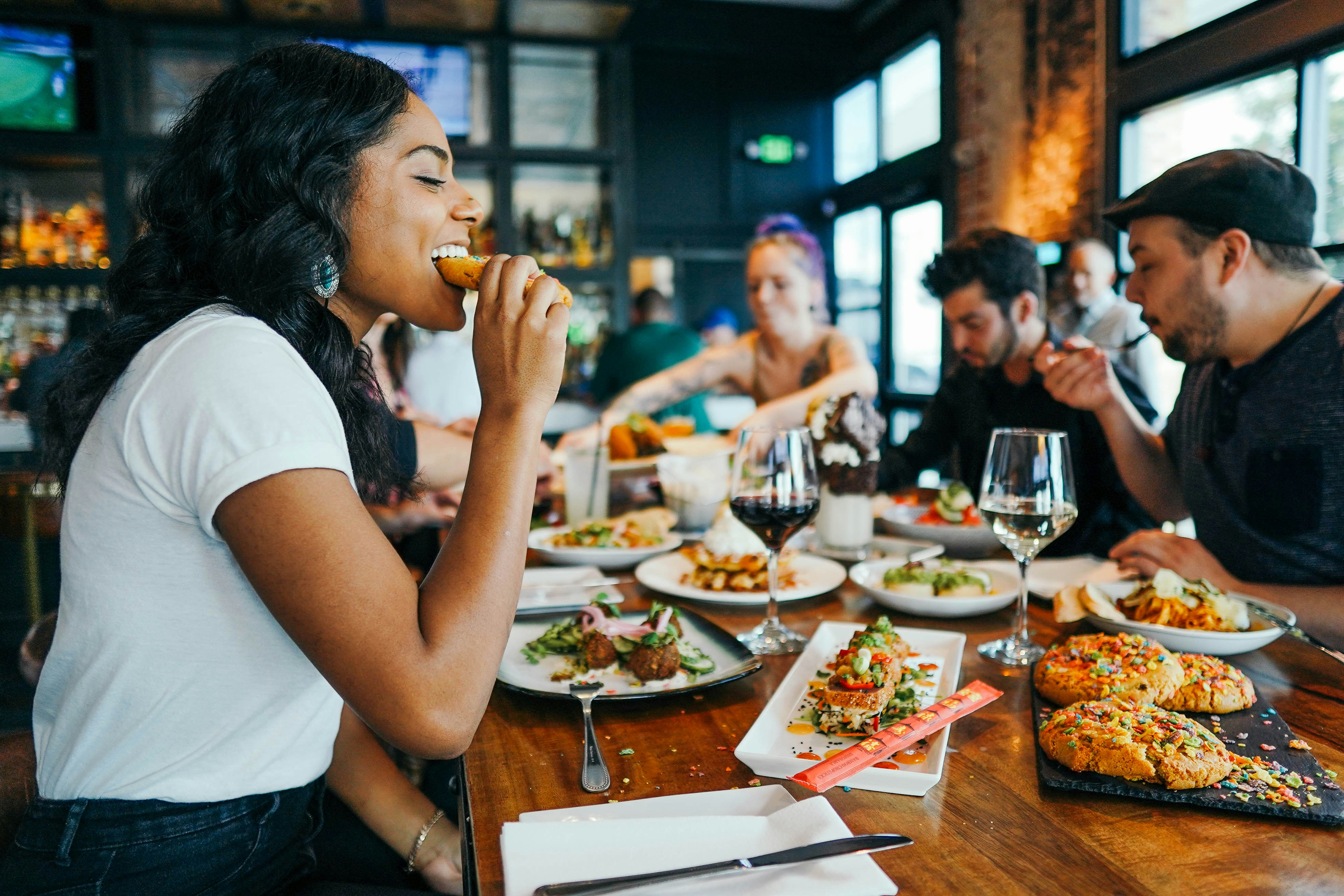
A reflective look at Habit Ranch, its immersive desert activation, and what it signals for brand loyalty and mindful, experiential dining.
May 14, 2026

Unlock Exclusive Access To Webinars, Events, And The Latest News For Free!
A multiyear sponsorship ties Burger King to FMF and SUM for MexTour events in the U.S., featuring branding, fan experiences, and a game-day meal offer.
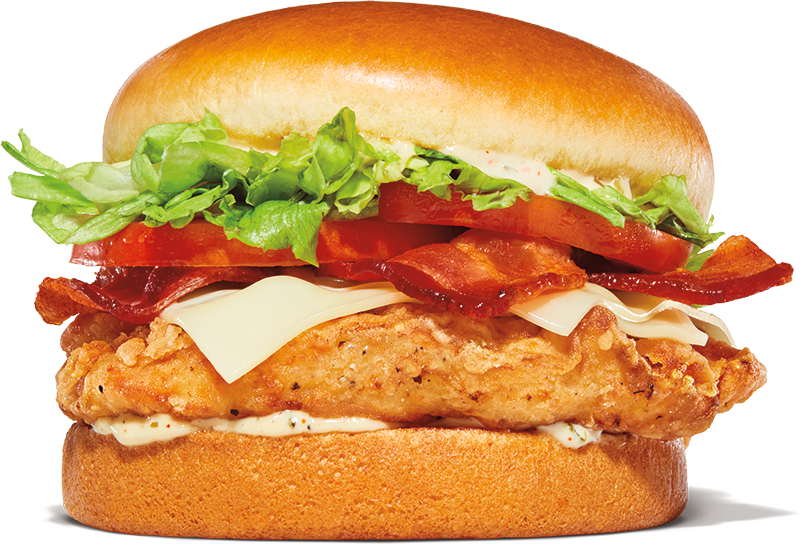
Burger King is stepping onto a broader stage in North America, and the move feels deliberately considered in the language of nourishment and community. In a deal that ties the brand to the FMF and SUM, Burger King becomes the official quick-service restaurant for the senior Mexican National Teams during U.S.-based activities, spanning both the MexTour and the MexTour W calendar. This isn’t a one-off pitch; it’s a long view that links a global restaurant footprint to a cross-border fan culture. The October 15, 2024 friendly at Estadio Akron in Zapopan serves as a marquee anchor, signaling ambition that travels beyond a single event colon
What follows is a look at how the collaboration functions on the ground: in-venue branding, fan experiences, and a dedicated match-day meal offer designed to resonate with MexTour games and the Mexican fanbase. The arrangement spans both the men’s MNT and the women’s MexTour W, weaving a consistent presence across a year’s worth of U.S. venues and expanding the reach of Mexican football into diverse markets. The partnership is cast as multiyear, a signal that this is about sustained momentum rather than a single campaign. “We couldn’t be more thrilled to be sponsoring the Mexican National Teams and to help fuel its passionate and devoted fans. We look forward to celebrating all of the exciting moments over the next several years alongside the MNT and its fans with delicious gameday offers, special experiences and much more.” This is a thoughtful alignment that nods to the appetite for high-energy soccer and the desire to connect that energy with everyday dining.
Soccer United Marketing has long served as the FMF’s commercial arm in the U.S., and the MexTour has grown into one of the signature cross-border soccer experiences for Mexican fans here. The current partnership extends that tradition by aligning a global quick-service brand with FMF and MexTours, lighting up visibility for both teams and creating new marketing avenues during U.S.-based events. SUM has built a partner ecosystem around FMF properties in the U.S., reinforcing how brand rights and fan access can converge in meaningful ways. The inclusion of Mex Tour W expands opportunities to engage women’s soccer audiences, too, deepening the platform across MLS markets and beyond.
SUM’s leadership in the MexTour ecosystem is highlighted in sponsor communications, underscoring how the federation’s properties in the U.S. are marketed through a roster that keeps multi-partner activations visible. The collaboration with Burger King sits within a broader strategy that positions a hospitality/quick-service brand as a visible, year-round partner—an approach that aims to translate fan enthusiasm into ongoing engagement, loyalty, and cross-promotional opportunities. In this light, BK’s entry feels less like a one-off sponsorship and more like a deliberate extension of a well-established platform.
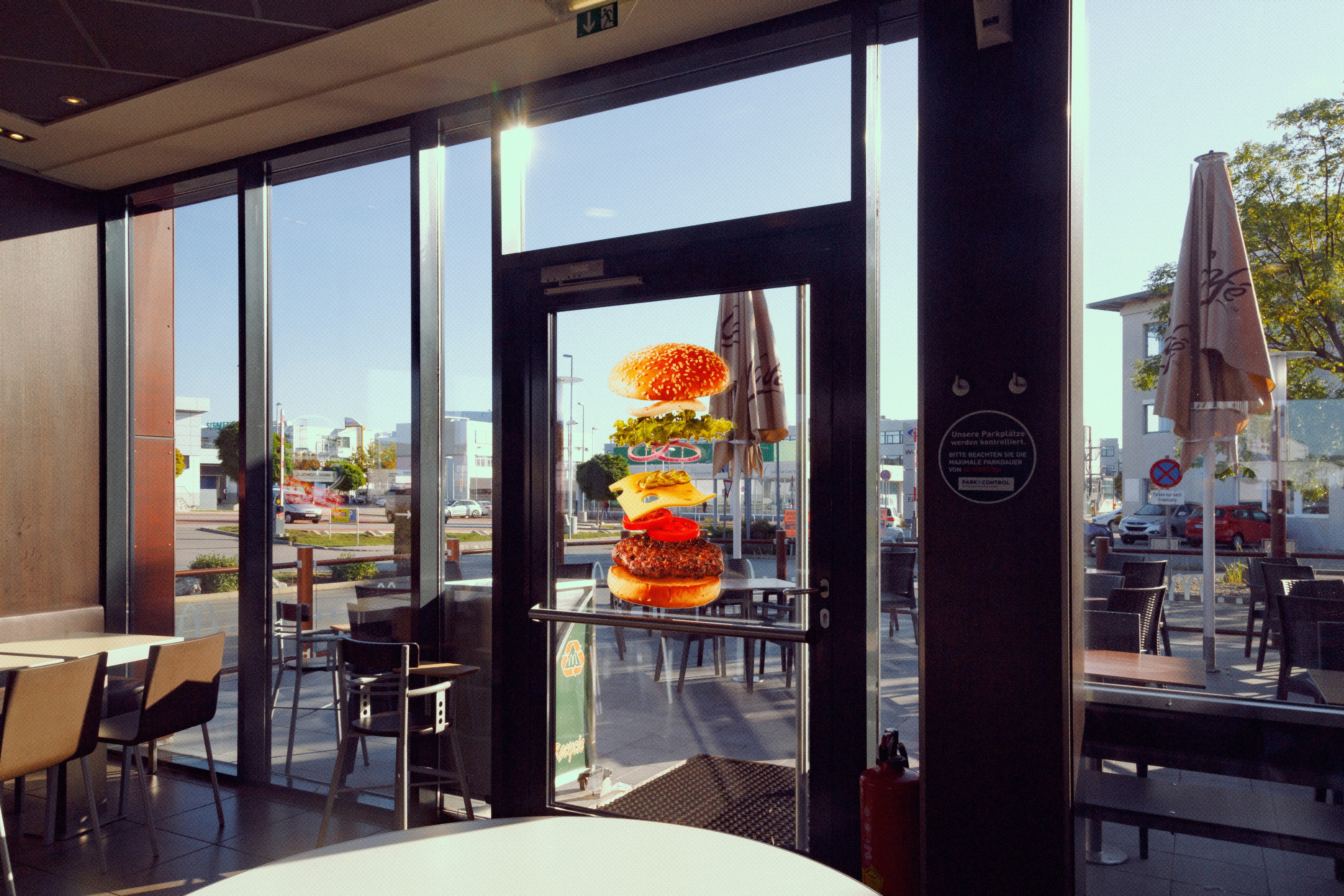
Under the terms of the agreement, BK gains a substantial presence through branding and experiential marketing. In-venue signage, bespoke fan experiences, and a dedicated match-day meal offer designed to resonate with MexTour games anchor the plan, with a calendar that covers both the MNT and MexTour W schedules. The aim is clear: leverage large, festive crowds and the enduring appeal of Mexican football to drive brand affinity and loyalty programs, translating those moments into meaningful on-site and off-site engagement. This is a multi-year, cross-market strategy that mirrors SUM’s broader vision of tying marquee national-team properties to consumer brands.
What this looks like in practice includes in-venue branding that is visible to tens of thousands of fans, on-site experiences that turn gameday into a shareable moment, and an exclusive meal offer designed to feel native to MexTour atmospheres. The multi-year horizon is meant to create predictable touchpoints—something that fans can anticipate and sponsors can measure in ways that go beyond casual impressions. The result, in spirit, is balanced, nourishing brand interaction that respects the game and the community around it.
-p-500.jpg)
Mexican soccer’s U.S. footprint has grown into a major event for fans and sponsors alike. Across the last decade, the MexTour has drawn sizable crowds, with industry observers noting an attendance footprint approaching 60,000 per game on average. The 2024 MexTour reached cities like Chicago, Denver, Pasadena, Arlington, and College Station, with marquee matches such as Brazil at Kyle Field drawing heightened attention. Burger King sits on the cusp of expanding its own footprint, leveraging a global network of more than 19,000 locations in over 100 countries to scale MexTour activations in U.S. Latino markets.
The synergy is clear: a multinational brand with a broad operating footprint meets a pan-regional soccer property with a deep fanbase. The pairing promises not only visibility but a pipeline for promotions, limited-time menus, and on-site activations that translate fervor into tangible consumer momentum. As the MexTour grows, BK’s strategy is to convert festival-like crowds into ongoing loyalty moments—an approach that blends hospitality, sport, and mindful dining in a way that feels thoughtfully calibrated rather than merely opportunistic.
Gaps and uncertainties remain in public-facing materials. The sponsorship lays out a multiyear framework and fan-facing activations, but the dietary and financial specifics—the terms, performance metrics, and incremental promotions—are not disclosed. That opacity invites questions about ROI and how the activation cadence translates into measurable sales and loyalty gains across diverse U.S. markets. Additionally, as MexTour evolves into 2025 and beyond, the breadth of stops and the mix of opponents could shift, especially with SUM’s existing partnerships influencing activation cadence.
Industry implications point toward a growing trend: turning fan passion for a national team into sustained consumer engagement through experiential marketing, exclusive offers, and cross-promotions. The 2025 MexTour fixtures, with reported potential opponents like Switzerland and Türkiye, reinforce the idea that sponsor ecosystems will chase high-attendance events and robust fan communities by stacking touchpoints across food, retail, and digital experiences. For BK, the near-term horizon could include a pipeline of limited-time menus, on-site activations, and multi-channel campaigns designed to turn MexTour fervor into lasting momentum.