How Much Does It Cost to Open a Coffee Shop in 2026?
Opening a coffee shop in 2026 requires careful cost planning across rent, equipment, labor, technology, menu strategy, marketing, and sustainability.
operations
May 15, 2026
Opening a coffee shop in 2026 requires careful cost planning across rent, equipment, labor, technology, menu strategy, marketing, and sustainability.
May 15, 2026

This AI playbook covers restaurant tools for voice ordering, staffing, compliance, menu pricing, inventory, marketing, ChatGPT prompts, and SEO.
May 15, 2026

Hardee’s giant Boddie-Noell inks 31-unit Scooter’s Coffee deal for NC and VA, leveraging drive-thru growth and local roots with rollout over 12–18 months.
May 15, 2026

Wingstop turns match weeks into a multi-sensory festival, aligning bold pop-ups with World Cup energy to build brand affinity and measurable momentum.
May 15, 2026

The parent company behind Dunkin', Buffalo Wild Wings, and Arby's has filed for an IPO a move that could reshape how Wall Street views the restaurant sector.
May 15, 2026

Learn how to develop a memorable restaurant brand identity that stands out in a crowded market, attracts loyal customers, and drives repeat business with actionable strategies and affordable tools.
May 15, 2026

Dirty soda chain Swig is expanding into Colorado through a 10-unit franchise deal, riding a consumer beverage trend that's catching the attention of major QSR players nationwide.
May 15, 2026

Papa Johns has teamed up with Alphabet's Wing for drone delivery of its new sandwich lineup in parts of Charlotte marking the first partnership of its kind between Wing and a national QSR brand.
May 15, 2026

A warm, expert-led look at McDonald’s Q1 results, menu makeover, and the refranchise question shaping its growth.
May 14, 2026

A reflective look at Habit Ranch, its immersive desert activation, and what it signals for brand loyalty and mindful, experiential dining.
May 14, 2026

Unlock Exclusive Access To Webinars, Events, And The Latest News For Free!
San Francisco’s Bun Mee expands beyond California via franchising, leveraging airport venues and a proven Bay Area model to scale thoughtfully.
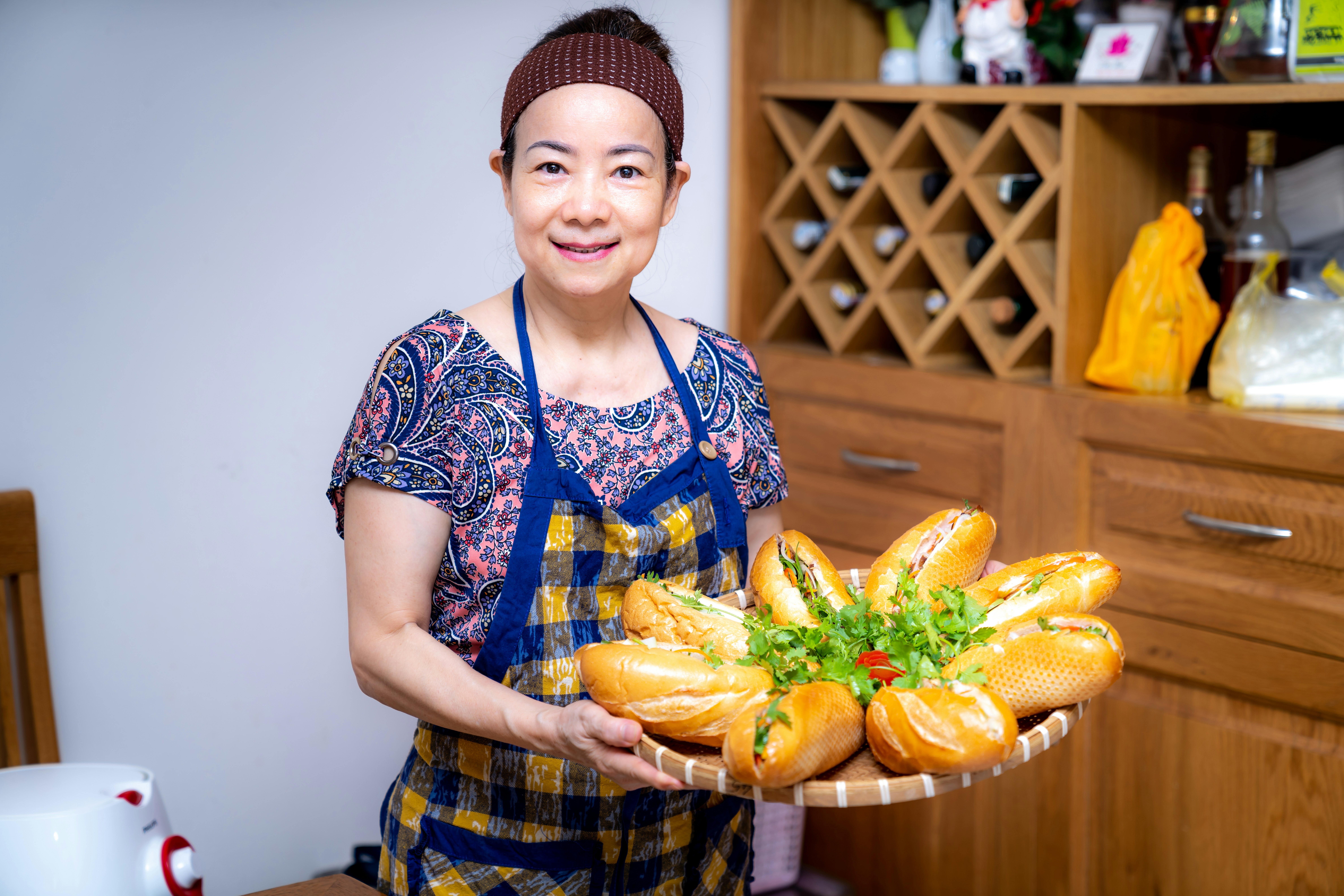
Photo by Quang Nguyen Vinh
Bun Mee originated in the sunlit shelves of Pacific Heights, a small harbor in the fog where a culinary idea took root. From San Francisco sidewalks to a growing regional footprint, the concept was knit together by a simple thesis: elevate the everyday lunch with a banh mi that spoke to cosmopolitan appetites without theatrics. The founder, Denise Tran, left a corporate-law career to pursue a belief that this beloved sandwich could become a widely shared fast-casual staple. The earliest hours on Fillmore Street in 2011 seeded a patient cadence—one well-chosen site, one clear promise to guests, and a discipline centered on operational strength and guest experience. This origin hints at a future where growth is measured, artful, and inevitable.
After thirteen years of selective, Bay Area–centric growth, Bun Mee has built a durable footprint: four corporate stores in San Francisco and two airport eateries at SFO, with a Marina District location joining in 2024 to bring the total to five SF–based outlets. In September 2024, 'Expansion and growth was always part of our strategy, even when I just launched our first [restaurant] on Fillmore Street in San Francisco about 13 years ago.' said Denise Tran. The Marina District storefront opened in 2024 as a concrete milestone before broader ambitions. The two airport stores posted more than $4.6 million and $3.6 million in sales in 2023, underscoring a model that can support franchised growth while sustaining high volumes in non-traditional venues.
September 2024 marked a pivot point as Bun Mee opened a franchising program designed for single- and multi-unit operators, inviting partnerships that honor a distinct local vibe—music, ambiance, and artwork—while preserving the Bun Mee experience. The initiative is guided by Kera Vo, Head of Franchise Development, who frames the effort as a response to robust appetite for Southeast Asian flavors in diverse markets. The plan leans on a proven, high-traffic airport model and a Bay Area base, offering a path that mirrors the brand’s temperament: careful, capable, and aspirational rather than reckless.
A Measured Approach anchors the expansion in discipline rather than speed. The program emphasizes careful recruiting, transparent disclosures, and registrations as the franchise materials lay out the regulatory terrain across multi-market growth. For Kera Vo and the leadership team, the aim is to let a handful of capable partners propagate the Bun Mee experience in select markets, while letting the brand’s airport-tested profitability—already evident in San Francisco’s high-traffic venues—serve as a reliable ballast for future scale.
Denise Tran has spoken of a personal transformation born of airports’ demands and the long arc of building a brand. much stronger today after 13 years of hurdles — including the lessons she’s learned running locations in an airport. The remark crystallizes a leadership truth: the airport experience—not just the dining room—has sharpened the team’s discipline, staffing acumen, and guest-flow management. That hard-won resilience now informs a deliberate move toward franchising, a structure designed to extend a beloved concept without surrendering its rigor. The journey from Fillmore Street to a national horizon is, in this light, a refining of craft rather than a reckless ascent.
Expansion and growth was always part of our strategy, even when I just launched our first [restaurant] on Fillmore Street in San Francisco about 13 years ago. The phrase circles back in Bun Mee’s narration as Denise Tran reiterates a long-held ambition: to make banh mi a mainstream lunchtime option. If that mission remains intact, the franchising chapter is less a departure and more a logical cadence—one that honors the brand’s heritage while inviting new neighbors to partake in its craft.
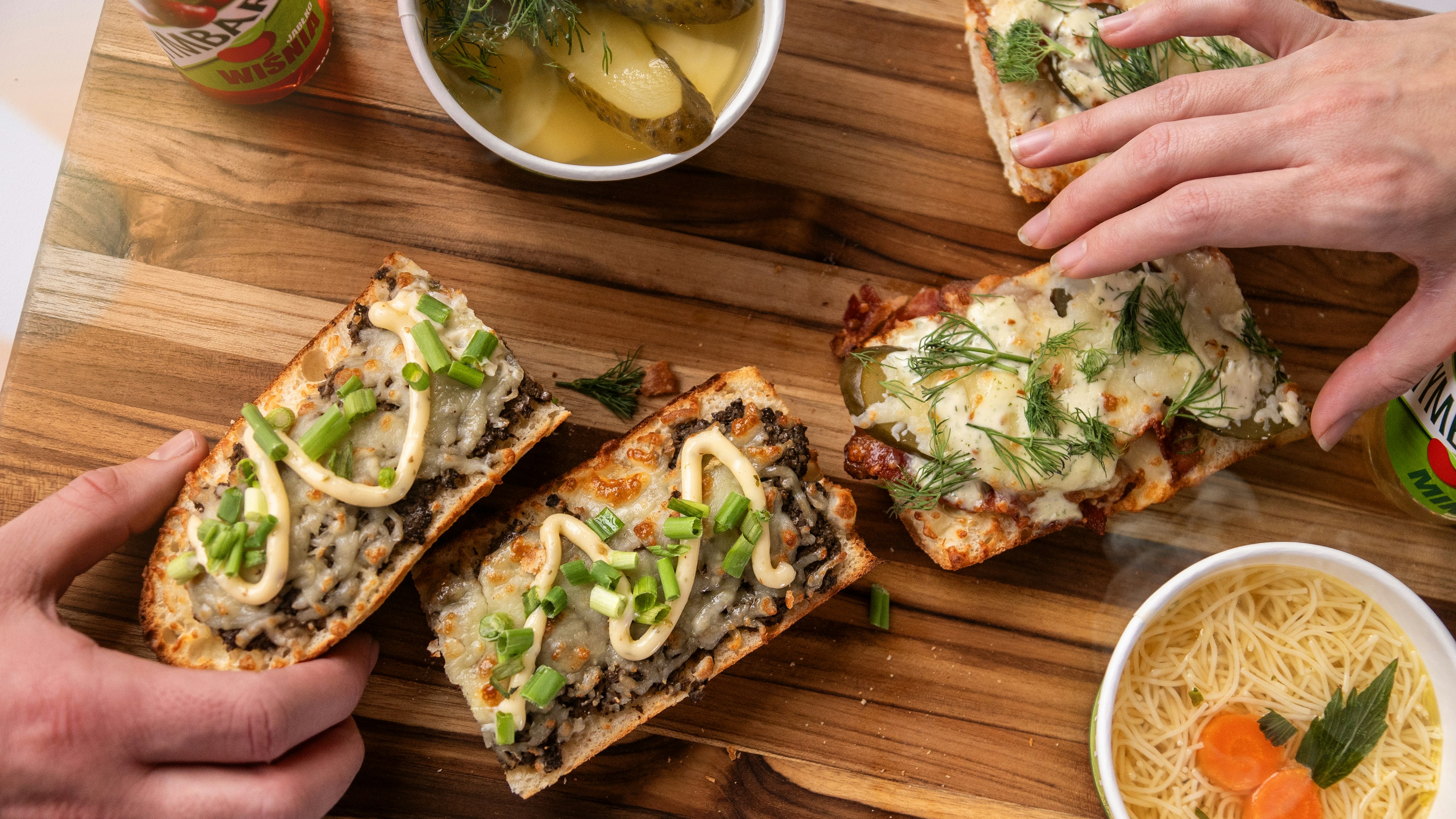
Two San Francisco storefronts posted sales of more than $4.6 million and $3.6 million in 2023, respectively, while the other two SF locations have generated over $1 million in annual sales each year since 2021. The Marina District joined the network in 2024, bringing Bun Mee’s SF footprint to five corporate stores. Together, these figures sketch a runway for a franchise-led expansion that leverages airport profitability and a robust local base to support multi-market growth. They also reinforce the idea that quality can travel with scale when the system remains anchored in its core strengths.
The numbers underpin a broader strategy: a carefully sequenced expansion that respects the brand’s culture while courting new demographics. With the airport channel proving its profitability and a Bay Area base providing stability, Bun Mee could pursue coast-to-coast opportunities through a first franchise partner, notably inching toward a New York City multi-unit arrangement that surfaced in industry chatter around 2025. The lesson is clear: a proven model can travel when governance travels with it.
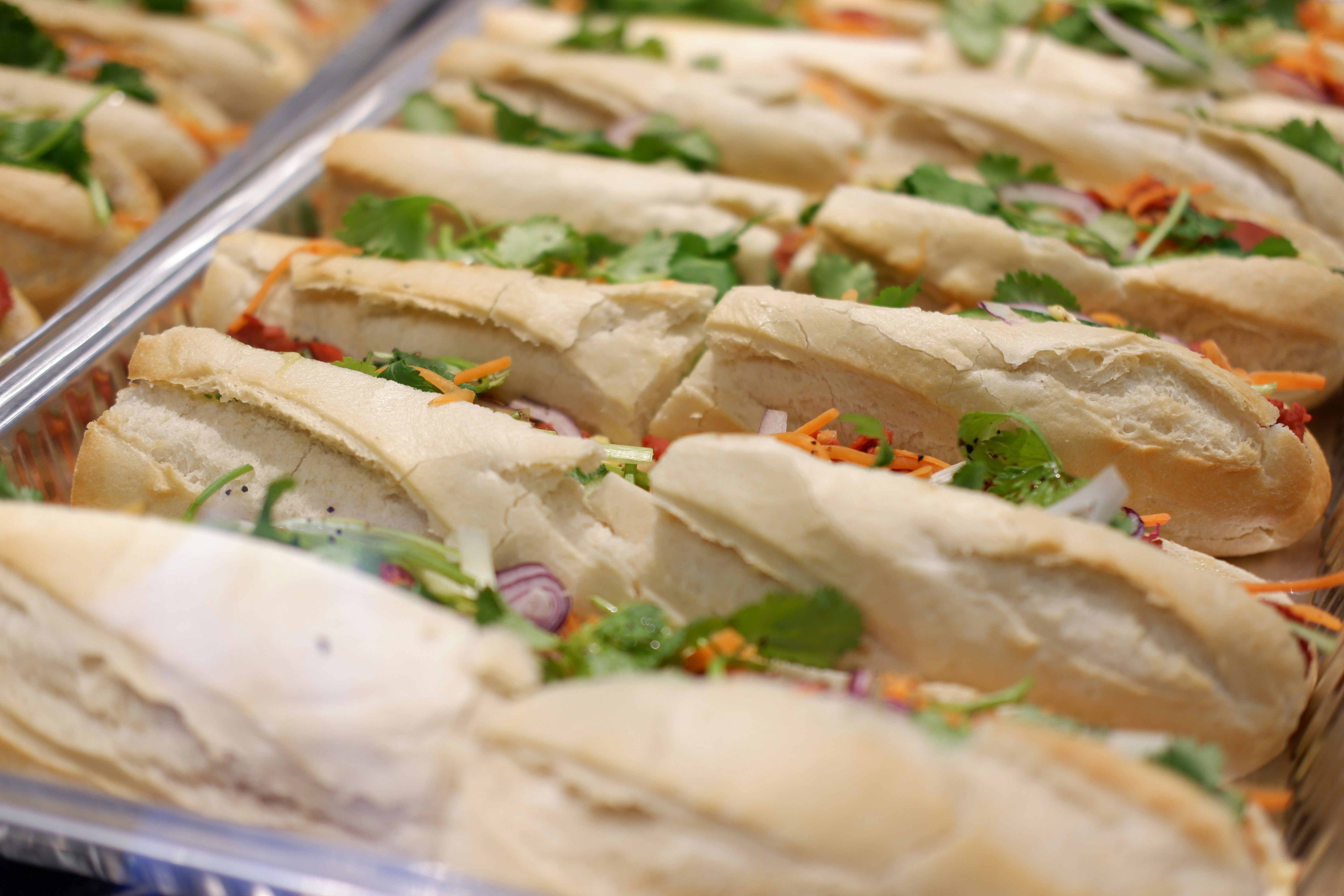
Five-store Bay Area core and airport-tested profitability form a compelling platform for national growth through franchise partnerships. The September 2024 franchising launch signals a phased, partner-led expansion beyond California, with the NYC development deal and ongoing focus on airport channels as keystones. The plan envisions a first franchise partner anchoring coast-to-coast opportunities while maintaining rigorous standards of product quality and guest experience. If executed, the Bun Mee blueprint could redefine Vietnamese-inspired fast casual on a national stage within five to seven years, pairing artistry with disciplined governance.
Looking ahead, the emphasis remains on careful growth rather than a sprint to coast-to-coast visibility. The brand’s trajectory—anchored by a five-store Bay Area base, a proven airport model, and a clear franchising strategy—invites a measured optimism. The journey ahead will test leadership in unfamiliar markets, but it will also test a simple, enduring idea: that banh mi, when crafted with restraint and reverence, can occupy a prominent lunchtime vernacular for a broad, diverse audience.